Kanazawa Japan Travel Guide: What to Do in the City That Rivals Kyoto
If you’re searching for a Kanazawa Japan travel guide what to do resource that goes beyond the surface, you’ve found it. After living in Japan for over fifteen years and visiting Kanazawa in every season — including three winters when I seriously questioned my life choices while trudging through knee-deep snow to find the perfect bowl of kano-gani crab — I can tell you this with absolute confidence: Kanazawa is the most underrated major destination in Japan.
Sitting on the Sea of Japan coast in Ishikawa Prefecture, Kanazawa was one of the few major Japanese cities left untouched by bombing during World War II. That means its samurai and geisha districts, centuries-old gardens, and temple quarters survived intact. While millions of tourists flood Kyoto every year — sometimes making it feel more like a theme park than a living city — Kanazawa offers a remarkably similar cultural depth with a fraction of the crowds.
But Kanazawa isn’t simply “Kyoto without the tourists.” It has its own fierce identity: a food culture built on some of the best seafood in Japan, a craft tradition spanning gold leaf, Kutani ceramics, and lacquerware, and a moody, atmospheric beauty shaped by rain, snow, and the ever-present Sea of Japan. The Maeda lords who ruled here during the Edo period poured their wealth into arts and culture rather than military expansion, and that legacy is woven into every neighborhood.
This is the comprehensive, season-by-season Kanazawa Japan travel guide covering what to do, what to eat, and when to visit — written by someone who has walked these streets in cherry blossom season and in January blizzards, and loved it both times.
Best Time to Visit Kanazawa: A Season-by-Season Breakdown
Kanazawa is genuinely beautiful in every season, but each one delivers a dramatically different experience. Here’s what to expect month by month.
Spring (March – May)
Weather: Temperatures range from 5°C to 20°C. March can still feel like winter; May is mild and glorious.
Why visit: Cherry blossoms typically peak in Kanazawa around April 5–12, roughly a week after Tokyo. Kenrokuen Garden with its 400+ cherry trees is spectacular, and the nighttime illumination (yozakura) is one of Japan’s most magical experiences — far less crowded than Kyoto’s famous spots. The blossoms along the Asano River in the Higashi Chaya district are particularly stunning.
Seasonal food highlights:
- Hotaru-ika (firefly squid) — March through May. These tiny bioluminescent squid are served as sashimi, boiled, or in tempura. You’ll find them at virtually every restaurant in the city.
- Takenoko (bamboo shoots) — April and May. Local bamboo shoots appear in everything from tempura to mixed rice (takenoko gohan).
- Sakura mochi and seasonal wagashi — Kanazawa’s traditional confectionery shops (there are more wagashi shops per capita here than anywhere in Japan) produce exquisite spring sweets.
Summer (June – August)
Weather: Hot and humid, 25°C–33°C. June is rainy season (tsuyu), typically ending in mid-July.
Why visit: Fewer tourists, lush green gardens, and summer festivals. The Hyakumangoku Festival in early June celebrates the Maeda clan’s arrival in Kanazawa with parades, tea ceremonies, and performances. Summer evenings along the Asano River are atmospheric, and many restaurants set up outdoor terraces.
Seasonal food highlights:
- Iwagaki (rock oysters) — June through August. These massive oysters are completely different from winter oysters, creamy and sweet.
- Nodo-guro (blackthroat seaperch) — Available year-round but particularly prized in summer. Grilled over charcoal with a sprinkle of salt, it’s one of the most luxurious fish you’ll ever eat.
- Hiyashi chūka and cold sōmen noodles — Perfect for beating the heat.
- Kakigōri (shaved ice) — Kanazawa’s tea houses serve elegant versions with matcha and gold leaf.
Autumn (September – November)
Weather: 10°C–25°C. Comfortable and increasingly crisp. Autumn foliage peaks around mid-November to early December — later than Kyoto.
Why visit: This is arguably the sweet spot. The weather is comfortable for walking, autumn colors transform Kenrokuen and the temple districts, and the crab season begins November 6. The annual lifting of the crab fishing ban is practically a civic holiday.
Seasonal food highlights:
- Kano-gani (male snow crab) and kobako-gani (female snow crab) — Starting November 6. Kobako-gani season is heartbreakingly short, ending in late December. The females are smaller but packed with rich coral (roe) and internal eggs. This is the single best food reason to visit Kanazawa.
- Kaga vegetables — Unique heirloom varieties grown only in the Kanazawa area, including lotus root (renkon), gensuke daikon radish, and Kaga thick-skinned cucumber.
- Matsutake mushrooms — September through October. Served in clear broth (dobin-mushi) or grilled.
- New crop rice — Ishikawa grows exceptional Koshihikari rice, and the autumn harvest means fresh, fragrant new rice.
Winter (December – February)
Weather: Cold, 0°C–7°C, with significant snowfall. Kanazawa averages over 250 cm of snow annually. Gray skies dominate.
Why visit: If you can handle the cold, winter Kanazawa is extraordinary. Kenrokuen’s famous yukitsuri — the cone-shaped rope structures protecting trees from heavy snow — are iconic. Snow-covered samurai and geisha districts look like woodblock prints come to life. And the seafood reaches its absolute peak.
Seasonal food highlights:
- Kano-gani and kobako-gani continue through the season (male crab through March 20, female crab through late December).
- Buri (yellowtail) — Winter buri from the Sea of Japan is extraordinarily fatty and rich. Buri shabu-shabu is a must-try.
- Kabu-ra-zushi — A traditional fermented sushi made with turnip and yellowtail, unique to Kanazawa and available only in winter. It takes weeks to prepare and has a complex, tangy flavor.
- Jibuni — Kanazawa’s signature stew of duck, wheat gluten (fu), and vegetables in a thick broth. Warming and deeply satisfying.
Top Attractions in Kanazawa: What to Do Area by Area
Central Kanazawa
1. Kenrokuen Garden
One of Japan’s three most celebrated landscape gardens, Kenrokuen is breathtaking in every season but never the same twice. It was developed over two centuries by the Maeda lords, and its name means “Garden of Six Sublimities” — spaciousness, seclusion, artifice, antiquity, water, and panoramas.
Insider tip: Visit early in the morning. The garden opens at 7:00 AM (5:00 AM from March through mid-October), and before 8:00 AM you’ll have vast sections entirely to yourself. The Kotoji stone lantern — the symbol of Kanazawa — is near the entrance, so photograph it first before the crowds gather. Also, admission is free during cherry blossom and autumn illumination events.
Time needed: 60–90 minutes for a thorough visit.
2. Kanazawa Castle Park
Adjacent to Kenrokuen, the castle grounds are free to enter and worth exploring. While the original castle was largely destroyed by fire, several gates and storehouses have been meticulously reconstructed using traditional Edo-period techniques — no nails, no modern materials. The Hishi-yagura turret and Gojukken Nagaya storehouse interiors showcase stunning joinery.
Time needed: 30–60 minutes.
3. 21st Century Museum of Contemporary Art
This circular glass building by architects SANAA is as much a work of art as its contents. The highlight is Leandro Erlich’s Swimming Pool — an installation that lets you look up through a layer of water at people standing above, or stand above looking down at people “underwater.” It’s become one of Japan’s most photographed art installations.
Insider tip: The outdoor installations and the building’s public zones are free. Only the special exhibition galleries require paid admission. Come on weekday mornings to avoid long lines for the Swimming Pool basement viewing area.
Time needed: 60–90 minutes.
Higashi Chaya District (East)
4. Higashi Chaya (Eastern Geisha District)
Kanazawa’s most photogenic neighborhood is a beautifully preserved district of wooden tea houses where geisha have entertained since 1820. The latticed facades, called kimusuko, were designed to allow geisha to see out without passersby seeing in.
Visit Shima or Kaikaro tea houses for a glimpse inside the elegant interiors. Kaikaro still operates as an active tea house in the evenings (reservation required, and they do occasionally accept tourists). The narrow streets are lined with gold leaf shops, craft boutiques, and cafés.
Insider tip: Higashi Chaya gets very crowded between 10:00 AM and 3:00 PM. Come at 8:00 AM when the streets are nearly empty and the morning light filters through the latticed windows, or after 5:00 PM when day-trippers have left. Many shops close by 5, but the atmosphere of the empty streets at dusk is haunting and beautiful.
Time needed: 60–90 minutes.
5. Omicho Market
Kanazawa’s “Kitchen” has been operating for nearly 300 years. Over 170 stalls sell fresh seafood, produce, Kaga vegetables, and prepared foods. This is where locals shop, and where you should eat your first meal in Kanazawa.
Must-do: Get a kaisendon (seafood rice bowl) at one of the market’s restaurants. My favorites are Omicho Ichibazushi for proper sushi at the counter, and Yamasan Sushi for their generous kaisendon. In crab season, several stalls sell freshly boiled crab legs to eat while walking — messy, indecorous, and absolutely glorious.
Insider tip: Some stalls close by 3:00 PM, and many close on Wednesdays or Sundays. Go between 9:00 AM and noon for the best selection. The upper floor (Omicho Kanten, opened 2019) has additional restaurants with less wait time.
Time needed: 60–120 minutes (including eating).
Nagamachi District (West)
6. Nagamachi Samurai District
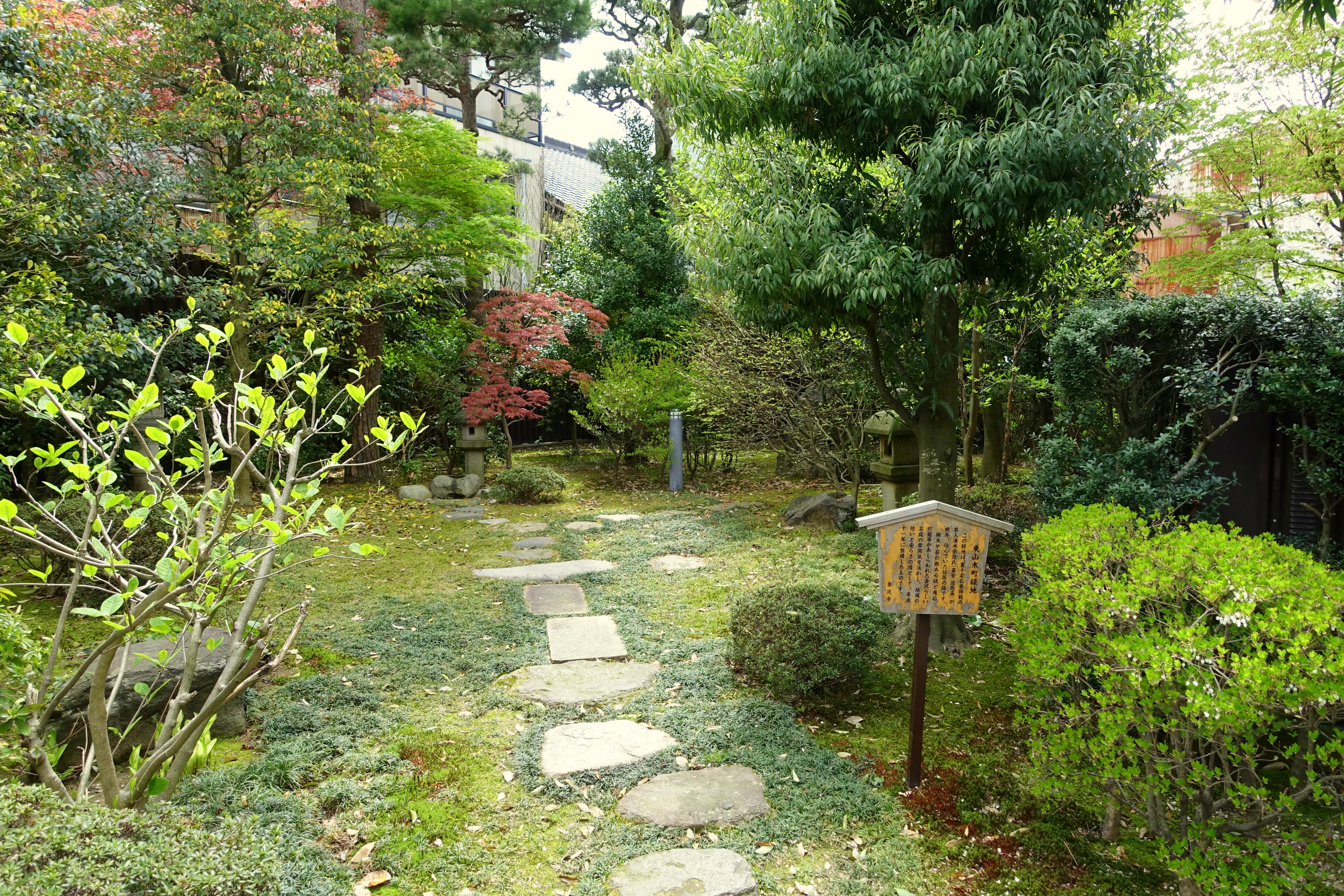
While Higashi Chaya preserves the geisha world, Nagamachi preserves the samurai world. Earthen walls, narrow lanes, and restored samurai residences line the streets. The Nomura Samurai House is the standout — its small but exquisite garden was ranked among Japan’s top three by the Journal of Japanese Gardening. The interior rooms feature painted screens and a rushing stream that runs through the garden.
Insider tip: Nagamachi is beautiful in the rain. The earthen walls darken and glisten, and the sound of water running through the narrow channels is amplified. Kanazawa is called “the city of rain” — don’t fight it, embrace it. Many hotels provide guests with free traditional woven umbrellas (wagasa-style) to borrow.
Time needed: 45–75 minutes.
Teramachi District (South)
7. Ninja-dera (Myoryuji Temple)
Despite the nickname “Ninja Temple,” this isn’t actually connected to ninjas. It was built by the Maeda lords as a defense outpost disguised as a temple, and it’s packed with hidden staircases, trap doors, secret rooms, and trick passages. Guided tours (in Japanese, with English pamphlets) reveal the astonishing architectural deception.
Important: Reservations are mandatory — call ahead (076-241-0888) or book online. Tours run every 30 minutes and accommodate around 25 people. No children under elementary school age are permitted.
Time needed: 45 minutes (including tour).
8. Teramachi Temple District
The broader Teramachi area contains over 70 temples clustered together. Most tourists only visit Ninja-dera, but walking the quiet temple streets is one of Kanazawa’s hidden pleasures. In autumn, the maple trees in this area are stunning and rarely crowded.
Nishi Chaya District (West)
9. Nishi Chaya (Western Geisha District)
Much smaller and quieter than Higashi Chaya, this district offers a more intimate, less touristy experience. There are only a few streets, but the atmosphere is lovely, and you’ll often have it nearly to yourself. Stop at a tea house for matcha and wagashi.
Slightly Further Out
10. D.T. Suzuki Museum
Dedicated to the Buddhist philosopher who introduced Zen to the Western world, this contemplative museum by architect Yoshio Taniguchi (who also designed the MoMA renovation in New York) is a masterpiece of minimalist architecture. The “Water Mirror Garden” — a shallow reflecting pool surrounded by white walls — is one of the most peaceful spaces I’ve encountered anywhere in Japan.
Time needed: 30–60 minutes.
Food Guide: What to Eat in Kanazawa and Where to Find It
Kanazawa has more Michelin-starred restaurants per capita than you might expect, but you don’t need fine dining to eat extraordinarily well here. The city’s food culture is deeply connected to its geography — facing the Sea of Japan, surrounded by rice paddies and mountains — and to its seasons.
Must-Try Dishes
Kaisendon (Seafood Bowl) A bowl of warm rice topped with glistening slices of raw fish, uni, ikura, shrimp, and whatever else is fresh that morning. The Omicho Market area is the spiritual home of kaisendon in Kanazawa.
- Where: Omicho Ichibazushi (counter sushi, Omicho Market), Morimori Sushi (conveyor belt, surprisingly excellent)
Jibuni (Kanazawa’s Signature Stew) Duck breast dusted in wheat starch and simmered with sudare-fu (a unique wheat gluten with a striped pattern), shiitake mushrooms, and seasonal greens in a thick dashi broth. It’s comfort food elevated to art.
- Where: Tamazushi (Katamachi), Kotobukiya (Owaricho), or virtually any traditional restaurant (ryotei) in the city.
Nodo-guro (Blackthroat Seaperch) Sushi champion Ono Jiro once called it “the best white fish in Japan.” Grilled with a crispy skin and impossibly fatty, tender flesh. Expensive but worth every yen.
- Where: Itaru Honten (Kakinoki-bashi area, arrive early — no reservations, perpetual queue), Sushi Misawa (Katamachi, reservation recommended).
Kano-gani / Kobako-gani (Snow Crab) — November–March Male crab (kano-gani) is prized for its long, sweet legs. Female crab (kobako-gani) is smaller but treasured for its rich internal roe (uchiko) and external eggs (sotoko). A full crab dinner at a ryotei can run ¥15,000–40,000, but a simple boiled crab from Omicho Market costs ¥3,000–8,000 depending on size and grade.
- Where: Omicho Market stalls (casual), Zeniya (high-end kaiseki, reservation essential), Kagaya (ryotei with stunning presentation).
Kaga Ryori (Kanazawa’s Traditional Cuisine) A refined regional cuisine that developed under the Maeda lords' patronage, Kaga ryori emphasizes local Kaga vegetables, freshwater fish, and elegant presentation. Many dishes use decorative Kutani ceramic ware and Wajima lacquerware.
- Where: Tsubajin (formal Kaga ryori, reservations essential), Kincharyo (in Kenrokuen Garden, lovely for lunch).
Hanton Rice Kanazawa’s beloved B-class gourmet dish: an omelette over ketchup-flavored fried rice, topped with fried shrimp or white fish and drizzled with tartar sauce. It sounds absurd. It is glorious.
- Where: Grill Otsuka (the classic, near Katamachi), Champion Curry nearby for Kanazawa’s other famous B-gourmet contribution — thick, dark curry served with shredded cabbage on a steel plate.
Gold Leaf Everything Kanazawa produces 99% of Japan’s gold leaf. You’ll find gold leaf on ice cream, coffee, sushi, wagashi, and even beer. The gold leaf ice cream from Hakuichi (Higashi Chaya location) is the city’s most iconic Instagram shot — an entire sheet of gold leaf draped over soft-serve.
Food by Neighborhood
| Neighborhood | What to Eat | Budget |
|---|---|---|
| Omicho Market | Kaisendon, fresh crab, grilled seafood | ¥1,500–5,000 |
| Katamachi / Korinbo | Izakaya, jibuni, hanton rice, nightlife dining | ¥2,000–8,000 |
| Higashi Chaya | Wagashi with matcha, gold leaf ice cream | ¥500–1,500 |
| Kakinoki-bashi | Sushi counters, high-end izakaya | ¥3,000–15,000 |
| Teramachi | Quiet local restaurants, soba noodles | ¥800–2,000 |
Day Trips from Kanazawa
Shirakawa-go (1 hour 15 minutes by bus)
The UNESCO World Heritage village of thatched-roof farmhouses (gassho-zukuri) is one of Japan’s most iconic sights. Best in winter when the village is blanketed in snow, or in late October through mid-November for autumn foliage. A light-up event in January and February is extraordinary but requires advance lottery registration.
Tip: Take the Nohi Bus from Kanazawa Station (reservations recommended). Round-trip tickets cost approximately ¥3,940.
Kaga Onsen (35–50 minutes by JR limited express or local train)
A cluster of four hot spring towns — Yamashiro, Yamanaka, Katayamazu, and Awazu — each with distinct character. Yamanaka Onsen is my favorite for its forested gorge walk (Kakusenkei) and artisanal lacquerware. Many ryokan offer day-use bathing (higaeri-nyūyoku) from ¥500–1,500.
Noto Peninsula (1.5–2.5 hours by car or bus)
The rugged, rural peninsula north of Kanazawa offers dramatic coastlines, morning markets (Wajima), terraced rice paddies (Shiroyone Senmaida), and some of Japan’s finest lacquerware. Best explored over two days with a rental car.
Note: The 2024 Noto earthquake caused significant damage. Check current conditions before visiting, as recovery is ongoing. Many communities welcome tourists and appreciate the economic support.
Fukui / Eiheiji Temple (1 hour by JR limited express)
One of Japan’s two head temples of Sōtō Zen Buddhism, Eiheiji is a powerful place nestled in ancient cedar forest. You can arrange overnight stays with the monks (shukubō) for a deeply immersive Zen experience.
Getting There & Around Kanazawa
Getting to Kanazawa
From Tokyo: The Hokuriku Shinkansen (bullet train) runs directly from Tokyo Station to Kanazawa Station in approximately 2 hours 30 minutes. The ride through the Japanese Alps is spectacular, especially in winter. A one-way reserved seat costs approximately ¥14,380. This is fully covered by the JR Pass (nationwide, 7-day pass from ¥50,000) — the Tokyo-Kanazawa round trip alone nearly pays for it.
From Kyoto/Osaka: The JR Thunderbird limited express runs from Kyoto (2 hours 15 minutes, approximately ¥6,940) and Osaka (2 hours 40 minutes, approximately ¥7,790). Important update: As of March 2024, the Hokuriku Shinkansen extended to Tsuruga, which changed the Thunderbird routing. You now take the Thunderbird to Tsuruga and transfer to the shinkansen for the final leg. The total journey time is similar, but the transfer can be confusing — follow signs carefully at Tsuruga Station.
From Takayama/Shirakawa-go: Nohi Bus runs direct highway buses connecting all three cities, making a popular sightseeing route.
Getting Around Kanazawa
Kanazawa is wonderfully compact. Most attractions are within walking distance of each other, and the city is designed for pleasant exploration on foot.
Kanazawa Loop Bus: A flat-fare bus (¥200 per ride, or ¥600 for a day pass) that circuits all major attractions. The right loop (RL) goes clockwise, the left loop (LL) goes counterclockwise. The day pass also works on regular Hokutetsu city buses.
Walking: From Kanazawa Station to Kenrokuen is about 25 minutes on foot. From Kenrokuen to Higashi Chaya is 15 minutes. From Kenrokuen to Nagamachi is 15 minutes. This is a walking city.
Bicycle rental: Several shops near Kanazawa Station and in the city center rent bicycles. Machi-nori is a public bike-share system with stations throughout the city. Flat terrain makes cycling easy, though watch out for narrow streets.
Taxis: Readily available and useful in bad weather. A ride from the station to Higashi Chaya costs roughly ¥800–1,000.
Where to Stay in Kanazawa
By Area
Kanazawa Station Area Most convenient for arrivals and departures. Modern hotels, excellent transport connections. Less atmospheric than the old town.
- Budget: Kaname Inn Tatemachi (stylish hostel-hotel hybrid, from ¥3,500/night)
- Mid-range: Hotel Nikko Kanazawa (attached to station, reliable, from ¥10,000/night)
- Upscale: Hyatt Centric Kanazawa (from ¥20,000/night)
Korinbo / Katamachi (City Center) Best for dining and nightlife. Walking distance to Kenrokuen, Nagamachi, and Katamachi’s restaurant streets.
- Mid-range: Hotel Intergate Kanazawa (excellent breakfast, from ¥9,000/night)
- Mid-range: Manten Hotel Kanazawa (solid value, from ¥7,000/night)
Higashi Chaya Area Most atmospheric, but fewer options. Staying in a renovated machiya (townhouse) here is unforgettable.
- Unique experience: Numerous machiya rental properties available through Booking.com and Airbnb (from ¥12,000–40,000/night). Look for properties managed by Kumu Kanazawa or similar local operators.
Traditional Ryokan Experience
- Splurge: Beniya Mukayu in Kaga Onsen (45 minutes from Kanazawa, from ¥60,000/person including kaiseki dinner and breakfast) — one of the finest ryokan in Japan.
🏨 Booking tip: Kanazawa accommodation books up fast during Golden Week (late April–early May), Obon (mid-August), and autumn weekends in November. Book 2–3 months ahead for these periods. Crab season weekends (November–February) are also popular — advance booking strongly recommended.
Practical Tips for Visiting Kanazawa
Budget Planning
| Expense | Budget | Mid-Range | Luxury |
|---|---|---|---|
| Accommodation | ¥3,500–6,000 | ¥8,000–15,000 | ¥20,000–60,000+ |
| Meals (per day) | ¥2,500–4,000 | ¥5,000–10,000 | ¥15,000–40,000+ |
| Attractions | ¥500–1,500 | ¥1,500–3,000 | ¥3,000+ |
| Transport (local) | ¥600 (bus pass) | ¥600–1,500 | ¥2,000+ (taxis) |
A comfortable mid-range day in Kanazawa runs roughly ¥15,000–25,000 per person including accommodation, meals, and attractions. This is notably cheaper than Tokyo or Kyoto.
Money
Cash is still king in many of Kanazawa’s smaller restaurants, market stalls, and traditional shops. Bring sufficient yen. 7-Eleven and post office ATMs accept international cards. Credit cards are increasingly accepted at hotels and larger restaurants but don’t rely on them at Omicho Market or small eateries.
Weather Preparedness
Kanazawa receives rain an average of 190 days per year. Always carry a compact umbrella. In winter, waterproof boots with grip are essential — sidewalks can be icy, and the city uses an underground sprinkler system to melt snow on roads that creates constant puddles. Many shopping arcades are covered, providing rain-free walking routes through the Katamachi and Korinbo areas.
Etiquette Reminders
- Remove shoes when entering ryokan, temples, and some restaurants (look for a step up at the entrance, or a row of slippers).
- Don’t eat while walking in the geisha districts. Kanazawa residents take this seriously. Omicho Market is the exception — standing and eating at stalls is expected.
- Bow slightly when receiving items, entering taxis, or thanking service staff.
- Silence your phone on buses and trains. Talking on the phone in public transit is considered rude throughout Japan.
- Tipping is not practiced and can cause confusion.
Local Customs & Tips
- Kanazawa residents are proud of their city’s distinct identity from Kyoto. Comparing the two favorably is fine (“Kanazawa is as beautiful as Kyoto!") but saying “Kanazawa is like a mini-Kyoto” may not be received well. They are different cities with different cultures.
- The local dialect (Kanazawa-ben) is charming — you might hear “ajinai” (not tasty) or “kinokunai” (it doesn’t matter). Locals appreciate when visitors notice the dialect.
- Gold leaf makes an excellent and uniquely Kanazawa souvenir. Hakuichi and Sakuda Gold & Silver Leaf sell everything from skincare to chopsticks to decorative panels. Gold leaf blotting papers (for absorbing facial oil) are a popular and affordable gift.
- Kutani ceramic ware is the other premier Kanazawa souvenir. The bold, colorful overglaze designs are distinctive. For authentic pieces, visit the shops along Hirosaka or the Ishikawa Prefectural Museum of Traditional Arts and Crafts (admission only ¥260).
Frequently Asked Questions
How many days do I need in Kanazawa?
Two full days is the sweet spot for seeing all major attractions and eating well without rushing. Three days allows for a day trip to Shirakawa-go or Kaga Onsen, plus more leisurely exploration of Kanazawa’s quieter neighborhoods and deeper restaurant dives. One day is possible but feels rushed — you’d need to prioritize Kenrokuen, Higashi Chaya, and Omicho Market.
Is the JR Pass worth it for a trip including Kanazawa?
If your itinerary includes a Tokyo–Kanazawa round trip plus travel to Kyoto or Osaka, a 7-day JR Pass almost certainly pays for itself. The Tokyo–Kanazawa shinkansen alone costs ¥14,380 each way (¥28,760 round trip), and a 7-day ordinary JR Pass costs ¥50,000. Add the Kanazawa–Tsuruga shinkansen segment toward Kyoto or Osaka, and the value is clear. However, note that the JR Pass does not cover the Thunderbird limited express between Tsuruga and Kyoto/Osaka (this is now operated by a third-party company on one segment). Check the latest routing carefully.
Is Kanazawa crowded?
Compared to Kyoto, no. Even during peak cherry blossom season, Kanazawa feels manageable. However, the city has grown significantly in popularity since the shinkansen opened in 2015, and weekends in autumn and crab season can see noticeable crowds at Kenrokuen and Omicho Market. Weekdays are always calmer.
Can I visit Kanazawa and Shirakawa-go in the same day?
Yes, but it’s a long day. The bus from Kanazawa to Shirakawa-go takes approximately 1 hour 15 minutes each way. If you take the first bus out (around 8:00 AM) and return by early afternoon, you can see Shirakawa-go in the morning and still have the late afternoon and evening in Kanazawa. Alternatively, make Shirakawa-go a stop between Kanazawa and Takayama — the bus route connects all three.
What’s the best area to stay for first-time visitors?
The Korinbo / Katamachi area offers the best balance of walkability, dining options, and proximity to attractions. You’re within 10–15 minutes' walk of Kenrokuen, Nagamachi Samurai District, and Kanazawa’s best restaurant streets. If atmosphere matters more than convenience, book a machiya rental near Higashi Chaya.
Is Kanazawa accessible for English speakers?
Major attractions have English signage and pamphlets. The Kanazawa Station Tourist Information Center has excellent English-speaking staff and free maps. Restaurant English varies — Omicho Market and places near attractions generally have picture menus or some English, while smaller local spots may not. Google Translate’s camera function works remarkably well on Japanese menus. Download the Google Translate Japanese language pack offline before your trip.
What should I not miss if I only have one day?
Start at Omicho Market for a seafood breakfast (9:00 AM). Walk to Kenrokuen Garden (arrive by 10:30 AM). Explore Kanazawa Castle Park. Have lunch at the 21st Century Museum café or nearby restaurants. Walk to Higashi Chaya for afternoon exploration and gold leaf ice cream. End with dinner at a sushi counter or izakaya in Katamachi. This route covers the essential Kanazawa highlights in a single, satisfying day.
Kanazawa is one of those rare cities that rewards both the first visit and the tenth. Every season reveals a different face — snow-hushed winter streets, explosive spring blossoms, the electric excitement of crab season — and every return uncovers a new alley, a new dish, a new craft workshop you missed before. If this Kanazawa Japan travel guide covering what to do has convinced you to add it to your Japan itinerary, I promise you won’t regret it. Kanazawa doesn’t just meet expectations — it quietly, confidently exceeds them.