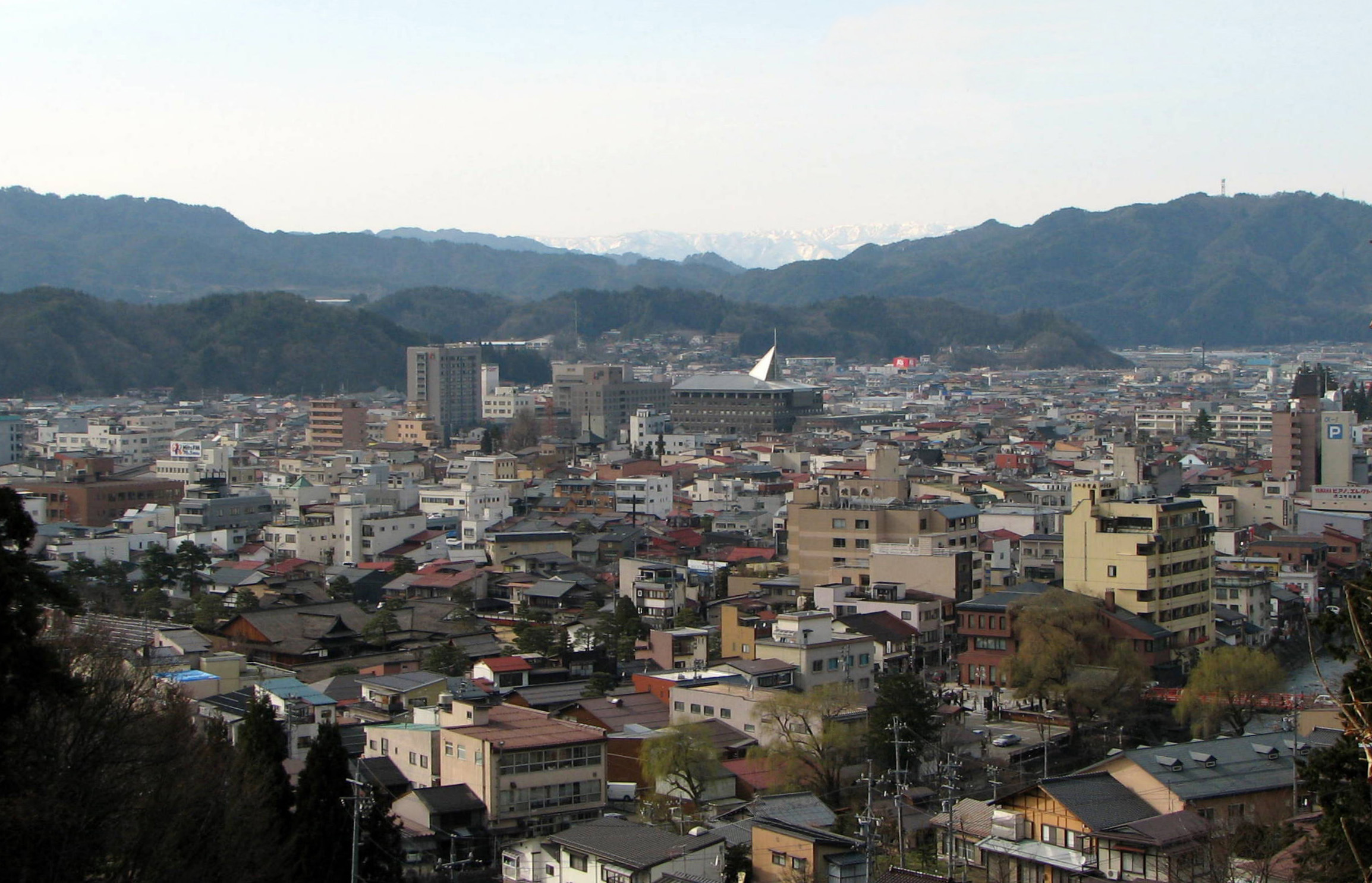
Takayama and Shirakawago Travel Guide: Your Complete Insider’s Guide to Japan’s Mountain Heart
Tucked into the northern Japanese Alps of Gifu Prefecture, Takayama is one of those rare places in Japan where time genuinely slows down. The Edo-period streets aren’t reconstructions — they’re the real thing, preserved for over 400 years with their dark-timbered merchant houses, sake breweries, and morning markets that have run continuously since the 1600s. If you’re searching for a comprehensive Takayama and Shirakawago travel guide, you’ve found the right one. After more than a decade of visiting this region in every season, I can tell you that Takayama and the nearby UNESCO World Heritage village of Shirakawago together form one of Japan’s most rewarding travel experiences — a place where mountain culture, extraordinary food, and breathtaking scenery converge far from the crowds of Tokyo and Kyoto.
What makes this destination truly special is its isolation. Surrounded by 3,000-meter peaks, Takayama developed its own distinct culture, cuisine, and craft traditions. The local carpenters were so legendary that they were conscripted to build the imperial palaces in Nara and Kyoto. That same craftsmanship is visible everywhere today — in elaborate festival floats, in the joinery of old merchant houses, and in the UNESCO-listed thatched-roof farmhouses of Shirakawago, just an hour’s bus ride away.
This isn’t a destination you rush through. It’s one you settle into.
Best Time to Visit Takayama and Shirakawago
One of the most common questions I get is when to visit. The honest answer: every season offers something extraordinary. Here’s my month-by-month breakdown so you can choose what matters most to you.
Spring (March – May)
Cherry blossoms typically peak in Takayama around April 15–20, roughly two weeks later than Tokyo and Kyoto due to the higher elevation. The trees along the Miyagawa River and in Shiroyama Park are stunning and far less crowded than their urban counterparts. April also brings the legendary Takayama Spring Festival (Sanno Matsuri) on April 14–15, one of Japan’s three most beautiful festivals, featuring ornate yatai floats with mechanical puppets parading through the old town.
What to eat: Spring mountain vegetables (sansai) appear everywhere — bracken fern, wild garlic, butterbur shoots — tempura-fried or simmered in dashi. Look for sansai soba at noodle shops along the old town.
Weather: Still cold in early March (0–8°C), warming to a pleasant 15–20°C by late April. Pack layers and a warm jacket for evenings.
Summer (June – August)
June is rainy season (tsuyu), lasting roughly until mid-July. By late July, the mountains explode with green, and temperatures sit at a comfortable 22–28°C — noticeably cooler than the sweltering cities below. This is prime hiking season in the nearby Kamikochi and Shinhotaka areas. The town is at its liveliest, with evening food stalls and local beer gardens.
What to eat: Hida beef on the grill reaches peak popularity — outdoor yakiniku is a summer ritual here. Cold hida soba (zaru soba) is refreshing, and local craft breweries serve crisp summer ales.
Weather: Humid but manageable. Evenings are genuinely cool and pleasant. Bring rain gear for June.
Autumn (September – November)
This is my personal favorite season. Autumn foliage peaks around October 20–November 5 in Takayama proper, with the mountainsides above Shirakawago turning even earlier. The Takayama Autumn Festival (Hachiman Matsuri) on October 9–10 rivals the spring edition, with lantern-lit floats illuminating the night streets.
What to eat: Matsutake mushrooms appear at upscale restaurants in October. Hoba miso — miso paste grilled on a dried magnolia leaf with mushrooms, green onions, and sometimes Hida beef — is at its absolute best in autumn. New rice (shinmai) arrives, making every bowl extraordinary.
Weather: Crisp and comfortable, 8–18°C. Perfect walking weather. Cold at night — bring a proper jacket.
Winter (December – February)
Winter transforms this region into a snow-covered wonderland. Shirakawago’s famous winter illumination events (select evenings in January and February, advance lottery registration required) turn the thatched-roof village into a scene from a fairy tale. Takayama’s old town under snow is equally magical and far less ticketed.
What to eat: This is the season for hoba miso beside a warm irori hearth. Rich Hida beef sukiyaki and shabu-shabu warm you from the inside. Sake breweries release their shinshu (new sake) in January and February, marked by fresh green cedar balls (sugidama) hung above doorways. Follow the cedar balls for tastings.
Weather: Cold and snowy, -5 to 5°C. Heavy snowfall is common. Bring proper winter boots with grip and warm layers. Roads to Shirakawago can be affected, but buses run reliably.
Top Attractions in Takayama and Shirakawago
Old Town (Sanmachi Suji)
The heart of Takayama is its Sanmachi Suji district — three parallel streets (Ichinomachi, Ninomachi, Sannomachi) lined with Edo-period merchant houses, sake breweries, miso shops, and small museums. Unlike many “old towns” in Japan, this isn’t a theme park. People live and work here, and the buildings are authentic. Sannomachi is the most popular street, but I actually prefer Ninomachi for its quieter atmosphere and interesting craft shops.
Tip: Visit before 9:00 AM or after 4:00 PM to experience the streets without crowds. The morning light hitting the dark timber facades is extraordinary.
Miyagawa Morning Market (Miyagawa Asaichi)
Running daily along the Miyagawa River from roughly 7:00 AM to noon, this open-air market has operated since the Edo period. Local farmers sell pickles, miso, crafts, fresh produce, and seasonal snacks. The other morning market, Jinya-mae Asaichi, runs in front of the old government building and is smaller but equally charming.
Don’t miss: Handmade sarubobo dolls (the red faceless good-luck charms), fresh mitarashi dango (soy-glazed rice dumplings), and local apple varieties in autumn.
Takayama Jinya (Historical Government House)
The only surviving jinya (provincial government office) from the Edo period in all of Japan. The beautifully maintained complex includes audience chambers, a torture room (yes, really), enormous rice storehouses, and an elegant garden. English audio guides are available, and I’d allow 60–90 minutes for a thorough visit.
Admission: ¥440 | Hours: 8:45 AM – 5:00 PM (shorter in winter)
Takayama Festival Floats Exhibition Hall (Takayama Matsuri Yatai Kaikan)
If you can’t time your visit for the actual festivals, this hall displays four of the eleven ornate festival floats on a rotating basis. The craftsmanship is staggering — intricate wood carvings, lacquerwork, and mechanical puppet (karakuri) demonstrations that show why Takayama’s artisans were considered the finest in Japan. Located within the Sakurayama Hachiman Shrine grounds.
Admission: ¥1,000 (combined ticket with Sakurayama Nikkokan available) | Hours: 9:00 AM – 5:00 PM
Hida Folk Village (Hida no Sato)
An open-air museum featuring over 30 traditional farmhouses relocated from the surrounding Hida region, including several gasshō-zukuri (steep thatched-roof) structures similar to those in Shirakawago. This is an excellent alternative if you can’t make it to Shirakawago, and it’s beautifully situated overlooking a pond with mountain views. Seasonal craft demonstrations and hands-on workshops run throughout the year.
Admission: ¥700 | Getting there: 10-minute bus ride or a pleasant 30-minute walk from the station
Higashiyama Walking Course
This 3.5-kilometer walking path connects a string of 13 temples and 5 shrines along the eastern hillside of Takayama. It’s shaded, peaceful, and almost completely tourist-free even in peak season. The full walk takes about 60–90 minutes at a relaxed pace, and it connects to the ruins of Takayama Castle atop Shiroyama Park.
My recommendation: Start from the southern end near Sōyūji Temple in the morning, finish at Shiroyama Park, and descend into the old town for lunch.
Sakurayama Hachiman Shrine
The main shrine of Takayama and the base for the Autumn Festival. The towering cryptomeria trees create a cathedral-like atmosphere, and the shrine’s setting is genuinely impressive year-round. Combined with the adjacent Floats Exhibition Hall, this area deserves a solid morning.
Shirakawago (UNESCO World Heritage Site)
The crown jewel of any trip to this region. The village of Ogimachi in Shirakawago contains over 100 gasshō-zukuri farmhouses — massive thatched-roof structures with steep A-frame roofs designed to shed the region’s heavy snowfall. Several houses are open as museums, and a few operate as guesthouses (minshuku) where you can sleep under those iconic roofs.
Don’t skip the Shiroyama Observatory — a 15-minute uphill walk (or shuttle bus) that gives you the classic panoramic view of the entire village. Go in the afternoon for the best light.
Getting there: Direct bus from Takayama, roughly 50 minutes. See “Day Trips” section below.
Shinhotaka Ropeway
For jaw-dropping alpine scenery, the Shinhotaka Ropeway carries you 2,156 meters into the Northern Alps on a double-decker gondola — the only one of its kind in Japan. On clear days, the panorama of the Hotaka mountain range is unforgettable. The observation deck at the top station has a foot bath and café.
Best time: Clear autumn mornings offer the best visibility. Winter transforms the summit into a frozen wonderland.
Admission: ¥3,300 round trip | Getting there: Bus from Takayama (about 100 minutes) — be aware the last return bus is early
Food Guide: What to Eat in Takayama
Takayama’s mountain isolation created a cuisine unlike anywhere else in Japan. This is hearty, seasonal, deeply flavorful food that reflects centuries of making the most of the harsh Hida climate.
Must-Try Dishes
Hida Beef (飛騨牛) The Hida region’s answer to Kobe beef — richly marbled, melt-in-your-mouth wagyu that’s consistently ranked among Japan’s top three beef brands. You’ll find it prepared every way imaginable: as sushi (raw, lightly seared on vinegared rice), yakiniku (grilled), steak, sukiyaki, and even in croquettes and meat buns from street vendors.
- Splurge: Kishidaya on Sannomachi serves exceptional Hida beef courses in a gorgeous old merchant house. Reservations recommended.
- Mid-range: Ajikura Tengoku near the station offers excellent Hida beef set lunches from around ¥3,000.
- Budget: Hida beef sushi from street vendors on Sannomachi (roughly ¥600–800 for two pieces) — arguably the most famous street food photo opportunity in Takayama. The queues at Sakaguchiya and Juugoya are worth the wait.
Hoba Miso (朴葉味噌) Takayama’s signature dish: sweet miso paste mixed with green onions, mushrooms, and pickled vegetables, grilled on a dried magnolia (hoba) leaf over a small charcoal brazier at your table. The leaf imparts a subtle fragrance, and you eat the bubbling miso over rice. Most ryokan serve this at breakfast, which is the traditional way to enjoy it.
- Best at: Suzuya in the old town serves an outstanding hoba miso set, and the atmosphere is perfect — low wooden tables, old beams overhead.
Takayama Ramen (高山ラーメン) A local style of ramen with distinctively thin, curly noodles in a light soy-based broth. It’s simpler and less heavy than most regional ramen styles, and locals have been eating it since the 1930s. The broth is made by simmering chicken and vegetable stock with soy sauce together (rather than adding tare separately), creating a clean, savory depth.
- Essential stops: Masago Soba and Tsuzumisoba have been slinging bowls for decades. Both are no-frills shops where locals outnumber tourists — which tells you everything. A bowl runs ¥700–900.
Mitarashi Dango (みたらし団子) In most of Japan, mitarashi dango are sweet. In Takayama, they’re savory — grilled rice dumplings brushed with a soy-based glaze. They’re sold from shops all along the old town and the morning market for ¥100–200 per skewer. Eat them hot.
Gohei Mochi (五平餅) Pounded rice formed onto a flat wooden stick and grilled with a thick sweet miso-walnut glaze. A mountain specialty you’ll find at stalls throughout the old town and at rest stops on the road to Shirakawago.
Sake
Takayama is home to seven sake breweries within walking distance of each other in the old town — an extraordinary concentration. The cold mountain water and harsh winters create ideal brewing conditions. Most offer tastings (¥100–400 for a flight), and you can identify active breweries by the sugidama (cedar ball) hanging above their entrance.
My favorites:
- Funasaka Shuzō — their Fukumusume label is elegant and aromatic
- Harada Shuzō — small, family-run, with a beautiful tasting room and an outstanding junmai daiginjo
- Kawashiri Shuzō — the oldest brewery in Takayama, dating to 1839
Visit breweries between 10:00 AM and 4:00 PM. Most are closed during New Year’s.
Day Trips from Takayama
Shirakawago (50–60 minutes by bus)
The essential day trip. Nōhi Bus operates direct services roughly every hour from Takayama Bus Terminal (next to JR Takayama Station). The ride costs ¥2,600 one-way (¥4,600 round trip), and advance reservations are strongly recommended, especially October through February. Book online at the Nōhi Bus website or at the Takayama bus terminal.
My ideal Shirakawago itinerary:
- Take the 8:50 AM bus from Takayama (arrival ~9:40 AM)
- Head straight to Shiroyama Observatory before crowds arrive — the classic photo spot
- Visit Wada House and Kanda House (the two best preserved interiors)
- Lunch at one of the farmhouse restaurants — try Irori for mountain vegetable sets cooked over a sunken hearth
- Wander the quieter northern end of the village where few tourists venture
- Return on the 2:30 or 3:30 PM bus
Overnight option: Staying at a gasshō-zukuri minshuku like Magoemon or Koemon is magical — you’ll have the village to yourself after the day-trippers leave. Expect to pay ¥10,000–14,000 per person including dinner and breakfast.
Kamikochi (Seasonal: April 17 – November 15)
One of Japan’s most spectacular alpine valleys, with crystal-clear rivers, dramatic peaks, and well-maintained hiking trails. Private cars are prohibited — you must take a bus from Takayama (about 90 minutes via Hirayu Onsen, with a transfer). The Kappa Bridge starting point is famous, but the real magic lies on the trails deeper into the valley toward Myojin Pond and beyond.
Gero Onsen (45 minutes by JR train)
One of Japan’s top three onsen hot spring towns, easily accessible by train on the JR Takayama Line. The alkaline waters are famous for making skin silky smooth. Many ryokan offer day-use bathing. There’s also a free riverside foot bath in the town center.
Furukawa (15 minutes by JR train)
A smaller, quieter version of Takayama with its own beautiful canal-lined old town, sake breweries, and a fraction of the tourists. Fans of the anime film Your Name (Kimi no Na wa) will recognize the train station and library. The Furukawa Matsuri in April is as wild as Takayama’s is elegant — featuring a half-naked drum procession through the streets.
Getting There & Around
Getting to Takayama
From Tokyo:
- JR Tokaido Shinkansen to Nagoya (1 hour 40 minutes), then JR Hida Limited Express to Takayama (2 hours 20 minutes). Total: about 4 hours. Covered by the JR Pass and the JR Takayama-Hokuriku Area Tourist Pass.
- Highway bus from Shinjuku Expressway Bus Terminal: approximately 5.5 hours, ¥6,500–7,000. The bus is significantly cheaper if you don’t have a rail pass.
From Osaka/Kyoto:
- JR Shinkansen to Nagoya (50 minutes from Kyoto, 55 from Osaka), then JR Hida to Takayama. Total: about 3.5–4 hours.
- Alternatively, take the JR Thunderbird to Kanazawa, then Nōhi Bus to Takayama (about 2 hours 15 minutes). This route works well if combining Takayama with the Hokuriku region.
From Kanazawa:
- Nōhi Bus direct to Takayama, approximately 2 hours 15 minutes, ¥3,390 one-way. Advance reservation recommended. This route passes near Shirakawago — you can stop there and continue to Takayama on a later bus.
JR Pass Tips
The Japan Rail Pass covers the JR Hida Limited Express between Nagoya and Takayama, making it the most cost-effective option if you’re already traveling widely. For a focused Takayama-Kanazawa itinerary, the JR Takayama-Hokuriku Area Tourist Pass (¥14,260, 5 days) is superb value — it covers trains between Nagoya, Takayama, Kanazawa, and Osaka/Kyoto, plus the bus between Takayama and Shirakawago.
Getting Around Takayama
Takayama’s central area is easily walkable. The station to the old town is a flat 12-minute walk. For Hida no Sato and other outlying attractions, the Machinami Bus (¥100 per ride, ¥630 day pass) loops through the main sites.
Rental bicycles are available from shops near the station for ¥200–300/hour or ¥1,000–1,500/day — an excellent choice in spring and autumn.
For Shirakawago and Shinhotaka, you’ll need the Nōhi Bus. Purchase tickets at the bus terminal adjacent to the JR station.
Where to Stay in Takayama
Old Town Area (Sanmachi / Kamisannomachi)
The most atmospheric location, putting you steps from the morning markets, sake breweries, and historic streets. Accommodation here tends toward traditional inns.
- Luxury: Honjin Hiranoya Annex — exquisite kaiseki dinners, private onsen baths, and impeccable service in a historic building. From ¥40,000/person.
- Mid-range Ryokan: Oyado Koto no Yume — beautiful rooms, exceptional food, warm hospitality. One of the best-value ryokan experiences in Japan. From ¥18,000/person with dinner and breakfast.
- Budget: Several guesthouses line the streets east of the river. Guesthouse Tomaru offers clean, well-designed dormitory and private rooms from ¥3,500.
Station Area
More modern hotels with convenient access to the bus terminal for Shirakawago and Shinhotaka day trips.
- Mid-range: Takayama Ouan — modern ryokan-hotel hybrid with rooftop baths and impressive breakfast buffet featuring local specialties. From ¥12,000/room.
- Budget-Mid: Spa Hotel Alpina Hida Takayama — reliable business hotel with a genuine hot spring bath on the top floor. From ¥8,000/room.
- Budget: K’s House Takayama — excellent hostel with a sociable common area and helpful English-speaking staff. Dorms from ¥3,000, privates from ¥7,000.
Okuhida Onsen (Hot Spring Village Area)
If you want an immersive onsen experience with mountain scenery, the Okuhida Onsen villages (Hirayu, Fukuji, Shinhotaka) are 60–90 minutes east of Takayama by bus. Ryokan here feature sprawling outdoor baths (rotenburo) with alpine views.
- Splurge: Fukuji — Ryokan Tanabe — stunning outdoor baths surrounded by forest. From ¥25,000/person with meals.
Booking tip: For ryokan, book directly through the property’s website or through a Japanese booking platform like Jalan.net or Rakuten Travel for the best rates and room selections. Many ryokan offer significantly better rates on weekdays. For the best experience, book a plan that includes both dinner and breakfast (1泊2食付き / ippaku nishoku tsuki).
Practical Tips for Visiting Takayama
Budget Planning
- Budget traveler: ¥8,000–12,000/day (hostel, street food and ramen, free attractions, walking everywhere)
- Mid-range: ¥20,000–35,000/day (ryokan with meals, museum admissions, Shirakawago bus)
- Luxury: ¥50,000+/day (premium ryokan, Hida beef dinners, private onsen, guided tours)
Cash is still king in Takayama. Many shops, restaurants, and small attractions are cash-only. The 7-Eleven ATMs near the station accept international cards. Bring more cash than you think you’ll need.
Etiquette and Local Customs
- Morning markets: Don’t touch produce without asking. A friendly “sumimasen” followed by pointing works perfectly.
- Sake breweries: Remove shoes when entering tasting rooms. Don’t pour for yourself if drinking with others — pour for them, and they’ll pour for you.
- Temples and shrines on the Higashiyama course: Some are active places of worship. Keep voices low and follow any posted photography rules.
- Shirakawago: Remember that people live in these houses. Don’t peer into windows or enter private gardens. Stay on marked paths and respect the community.
Luggage
If you’re traveling with large suitcases between cities, use Takkyubin luggage forwarding (available at most hotels and convenience stores) to send bags to your next hotel. Takayama’s old streets are not suitcase-friendly — they’re narrow, sometimes sloped, and occasionally unpaved.
Language
English is more limited here than in major cities, but the tourist information center inside JR Takayama Station is excellent — staffed by helpful, English-speaking locals who can assist with bus bookings, restaurant recommendations, and maps. Pick up the free walking map — it’s one of the best I’ve seen in Japan.
Connectivity
Rent a pocket Wi-Fi or get an eSIM before arriving. Free Wi-Fi is available at the station and some cafés, but coverage is spotty in the old town and nonexistent in Shirakawago and the mountains. You’ll want connectivity for bus schedules and Google Maps navigation.
Frequently Asked Questions
How many days do I need in Takayama?
I recommend two full days minimum — one for Takayama itself (old town, morning markets, sake breweries, Higashiyama walk) and one for Shirakawago. Three days lets you add Shinhotaka Ropeway or Kamikochi, or simply slow down and soak in the atmosphere. Four days is ideal if you want to include Gero Onsen or Furukawa.
Can I visit Shirakawago and Takayama as a day trip from Tokyo or Kyoto?
Technically possible from Nagoya (2.5 hours to Takayama), but extremely rushed from Tokyo or Kyoto. You’d spend more time on trains than actually experiencing the destinations. I strongly recommend at least one overnight in Takayama. The evening atmosphere in the old town, with lanterns glowing and sake breweries quiet, is half the experience.
Is the JR Pass worth it for Takayama?
If Takayama is part of a broader Japan itinerary including Tokyo, Kyoto, and Hiroshima, yes — the nationwide JR Pass covers the Nagoya–Takayama train. For a focused central Japan trip (Nagoya, Takayama, Kanazawa, Kyoto), the JR Takayama-Hokuriku Area Tourist Pass offers better value at ¥14,260 for 5 days. Note that the JR Pass does not cover Nōhi Bus routes to Shirakawago or Shinhotaka.
Do I need to book Shirakawago bus tickets in advance?
Yes, strongly recommended. Buses frequently sell out, especially on weekends, during autumn foliage season, and in winter illumination periods. Book online via the Nōhi Bus website (English available) or at Takayama Bus Terminal as early as possible. The winter illumination events require a separate lottery registration months in advance — check the Shirakawago Tourism Association website by October for January/February dates.
Is Takayama suitable for vegetarians or vegans?
It’s manageable but requires planning. Dashi (fish-based stock) is in nearly everything, including miso soup and many vegetable dishes. Buddhist temple cuisine (shōjin ryōri) is fully vegetarian and available at some restaurants. The morning markets offer fresh produce, pickles, and rice-based snacks. I’d recommend learning the phrase “niku to sakana nashi de onegaishimasu” (no meat or fish please) and perhaps carrying a dietary restriction card in Japanese — the tourist information center can help you prepare one.
What’s the best route combining Takayama with other destinations?
The classic and most efficient route: Tokyo → Nagoya → Takayama → Shirakawago → Kanazawa → Kyoto (or the reverse). This lets you see the Japanese Alps region without backtracking, with each leg offering beautiful scenery. The Takayama–Shirakawago–Kanazawa bus route is particularly scenic, winding through deep mountain valleys.
Is Takayama crowded?
Compared to Kyoto, rarely. However, the old town gets busy between 10:00 AM and 3:00 PM, especially on weekends, during Golden Week (late April–early May), autumn foliage season, and Obon (mid-August). The festival days in April and October are also packed — book accommodation months ahead. The simple fix: explore early morning or late afternoon, when the old town returns to its quietly beautiful self.
Takayama has a way of staying with you long after you leave. It’s the smell of charcoal and miso drifting from a morning market stall, the sound of a river running through a town that hasn’t forgotten its past, and the sight of snow-heavy roofs against a mountain sky. Whether you’re here for the festivals, the food, the scenery, or simply the peace of a place that refuses to rush — you’ll understand why so many travelers call this Japan’s most underrated destination. Start planning your trip, and give yourself at least one more day than you think you need. You’ll thank me later.