Tohoku Travel Guide: Things to Do in Japan’s Most Underrated Region
If you’ve visited Tokyo, Kyoto, and Osaka and are wondering what’s left to discover, let me point you toward the place I’ve fallen hardest for in my 15 years living in Japan: Tohoku. This comprehensive Tohoku travel guide covers things to do across all six prefectures of Japan’s rugged, beautiful northeast — from snow-blanketed hot spring villages to summer festivals so electrifying they’ll rewire your nervous system.
Tohoku — comprising Aomori, Iwate, Miyagi, Akita, Yamagata, and Fukushima prefectures — occupies the northern third of Honshu, Japan’s main island. Despite being roughly the size of Belgium and the Netherlands combined, it receives a fraction of the international tourists who flock to Kansai or Hokkaido. That’s precisely what makes it extraordinary. Here, you’ll find ancient cedar forests, volcanic caldera lakes glowing impossible shades of blue, castles framed by cherry blossoms that bloom weeks after Tokyo’s have fallen, and some of the finest rice, sake, beef, and seafood in all of Japan.
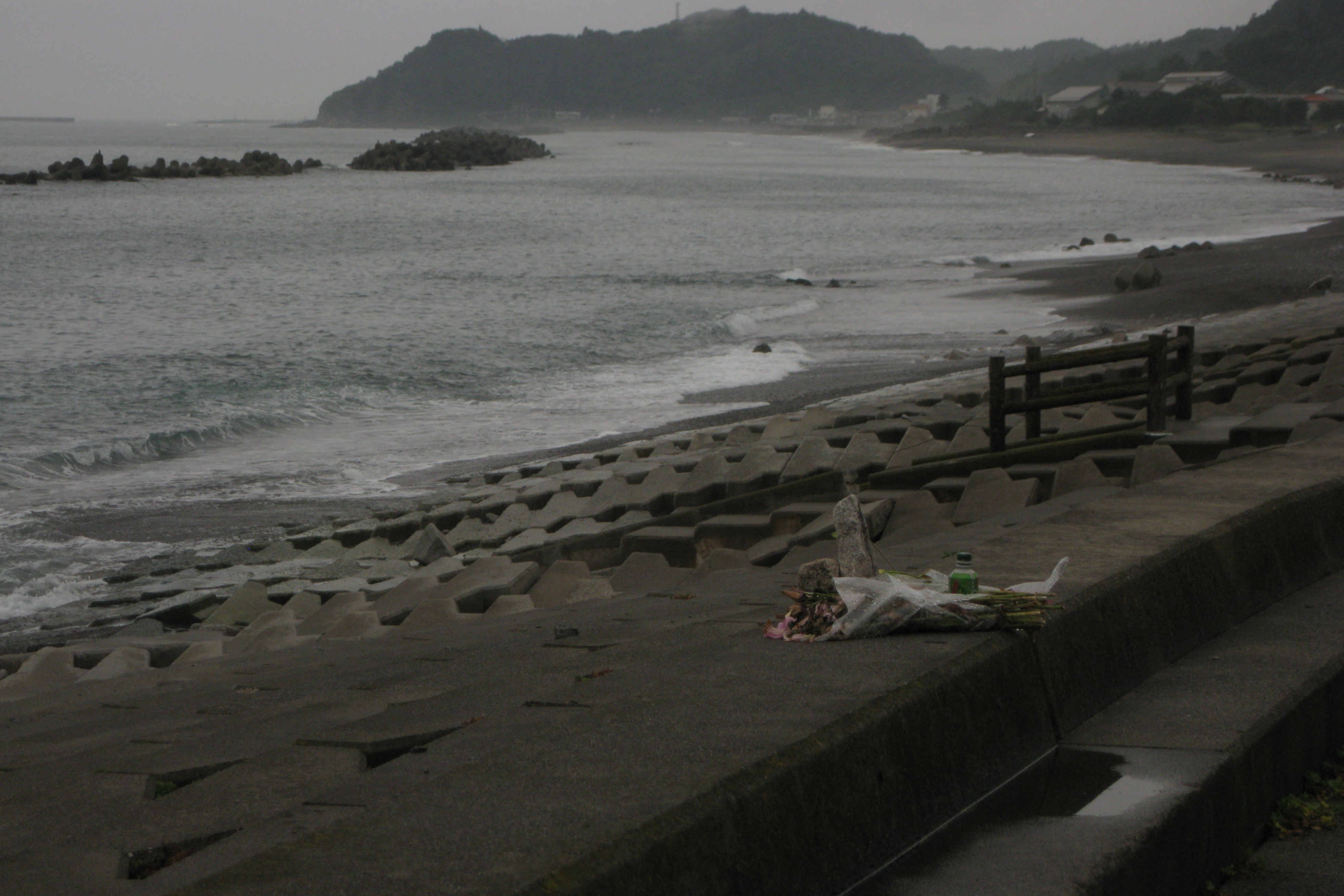
I first visited Tohoku on a whim in 2011, a few months after the devastating earthquake and tsunami. What I found was a region of staggering resilience, heartbreaking beauty, and people so generous they’d press bags of homegrown apples into my hands at bus stops. I’ve returned every season since, and I’m still discovering new corners. This guide distills everything I’ve learned into a practical, season-by-season roadmap so you can experience Tohoku at its finest.
Best Time to Visit Tohoku: A Season-by-Season Breakdown
Tohoku’s appeal is that it genuinely delivers four dramatically different seasons, each with its own festivals, foods, and landscapes. There is no wrong time to visit — only different rewards.
Spring (April – May)
Cherry blossoms arrive in Tohoku roughly two to three weeks after Tokyo, making it the perfect “second chance” destination if you missed peak bloom in the capital. Key timing:
- Kakunodate (Akita): Weeping cherry blossoms peak around April 25 – May 3
- Hirosaki Castle (Aomori): Peak bloom typically April 23 – May 5, with the famous “cherry blossom carpet” on the moat appearing as petals fall in the final days
- Kitakami Tenshochi (Iwate): A stunning 2-kilometer tunnel of cherry trees peaks around April 20 – 28
What to eat in spring: Wild mountain vegetables (sansai) appear on every menu — look for kogomi (fiddlehead ferns), tara no me (angelica tree buds) tempura, and warabi (bracken). Fresh shirauo (icefish) from Lake Ogawara in Aomori are a delicacy eaten raw or in tempura.
Summer (June – August)
This is festival season, and Tohoku’s summer matsuri are among the most spectacular in Japan. Collectively known as the Tohoku Sandai Matsuri (Three Great Tohoku Festivals), they run in quick succession:
- Aomori Nebuta Matsuri: August 2–7. Enormous illuminated warrior floats parade through the streets while dancers called haneto leap and chant. Arrive by August 2 to catch opening night, which is less crowded than August 5-6.
- Akita Kanto Matsuri: August 3–6. Performers balance 12-meter bamboo poles hung with dozens of paper lanterns on their palms, foreheads, and hips.
- Sendai Tanabata Matsuri: August 6–8. Thousands of elaborate paper streamers transform the city’s arcades. The fireworks display on August 5 (the eve) draws 500,000 people.
What to eat in summer: Cold Morioka reimen (Iwate’s chewy cold noodles in tangy beef broth with watermelon), jajamen (thick udon in miso-meat sauce), and uni (sea urchin) from the Sanriku Coast, which is at its creamy, sweet peak from June through August.
Autumn (September – November)
Tohoku’s autumn foliage is, in my honest opinion, the best in Japan — more varied, more dramatic, and far less crowded than Kyoto. Key timing:
- Hakkoda Mountains (Aomori): Peak color early to mid-October
- Naruko Gorge (Miyagi): Spectacular reds and oranges late October to early November
- Oirase Gorge (Aomori): A photographer’s paradise peaking mid to late October
- Dakigaeri Gorge (Akita): Vivid maples over turquoise water, late October to early November
What to eat in autumn: This is mushroom season — maitake, nameko, and the prized matsutake appear in hot pots and rice dishes. Akita’s kiritanpo nabe (grilled rice sticks simmered in chicken broth with mushrooms and seri parsley) is quintessential autumn comfort food. Freshly harvested shinmai (new crop rice) from Akita and Yamagata is noticeably sweeter and stickier.
Winter (December – March)
Tohoku transforms into a snow kingdom. Some areas receive 10 to 15 meters of cumulative snowfall annually, creating surreal landscapes.
- Zao Snow Monsters (Yamagata): Trees on Mt. Zao become encased in snow and ice, forming alien-like juhyo (ice trees). Best viewing: late January to late February. Night illuminations run on select evenings.
- Yokote Kamakura Festival (Akita): February 15–16. Hundreds of igloo-like snow houses dot the town, each containing a small altar and serving amazake and mochi.
- Ginzan Onsen (Yamagata): This gas-lit hot spring village looks like it stepped out of a Miyazaki film, especially under fresh snowfall from January through February.
What to eat in winter: Kiritanpo nabe continues into early winter. Aomori’s senbei-jiru (a rich soup with crumbled rice crackers absorbing the broth) warms you to the core. Fresh anko (monkfish) from the Sanriku Coast is prepared as ankimo (monkfish liver, Japan’s answer to foie gras) or in anko nabe hot pot. Yamagata’s imoni (taro and beef stew with soy sauce) extends from autumn festivals into the cold months.
Top Attractions in Tohoku: Things to Do by Area
1. Hirosaki Castle & Park (Aomori)
One of Japan’s twelve original castle keeps, Hirosaki is surrounded by 2,600 cherry trees that put most of Kyoto to shame. The moat turns pink with fallen petals in late April. In winter, a snow lantern festival illuminates the grounds. Budget 2–3 hours, more during cherry blossom season.
2. Oirase Gorge (Aomori)
A 14-kilometer stream valley lined with waterfalls, mossy rocks, and old-growth beech forest. The walking trail runs alongside a road, making it accessible, but walking is the only way to truly absorb it. Best in mid-October for autumn color or late May to June for fresh green. Start from Yakeyama and walk downstream toward Lake Towada.
Local tip: Most tour buses arrive between 10am and 2pm. Walk the trail starting at 7am, and for long stretches, you’ll have it nearly to yourself.
3. Lake Towada & Hakkoda Mountains (Aomori)
Lake Towada is a vast caldera lake of startling clarity. The Hakkoda Mountains offer excellent hiking in summer and autumn, plus one of Japan’s finest backcountry skiing areas in winter. The Hakkoda Ropeway gives easy access to snow monster viewing and alpine walks.
4. Matsushima Bay (Miyagi)
Considered one of Japan’s Nihon Sankei (Three Great Views), Matsushima Bay contains over 260 pine-clad islands scattered across calm blue water. Take a boat cruise, visit the elegant Zuiganji Temple (a National Treasure), and eat grilled oysters at the waterfront stalls — Matsushima oysters are smaller but more intensely flavored than their Hiroshima cousins, best from October through March.
5. Kakunodate Samurai District (Akita)
This beautifully preserved samurai quarter feels like stepping into the Edo period. Dark wooden fences line streets shaded by enormous weeping cherry trees, planted over 300 years ago. Visit the Aoyagi and Ishiguro samurai houses, and browse the local kabazaiku (cherry bark craft) shops — it’s a traditional craft unique to this town.
6. Ginzan Onsen (Yamagata)
A tiny hot spring village of Taisho-era wooden ryokan lining both sides of a narrow river gorge. Gas lamps illuminate the scene at dusk, and in winter, heavy snowfall makes it almost unbearably photogenic. Reservations at ryokan here fill up months in advance — book at least 3-4 months ahead for winter stays, 2 months for other seasons.
7. Yamadera (Risshakuji Temple, Yamagata)
Over 1,000 stone steps climb through ancient cedar forest to mountain-top temple halls clinging to sheer cliffs. The poet Matsuo Basho composed one of his most famous haiku here in 1689. The climb takes about 30 minutes up and is manageable for most fitness levels. Views from the top are transcendent in autumn and ethereal in winter snow.
Local tip: The konnyaku (konjac jelly) balls sold at the base of the stairs are a Yamadera tradition. Get the ones grilled with sweet miso — you’ll want two.
8. Tsuruoka & the Dewa Sanzan (Yamagata)
The three sacred mountains of Dewa — Haguro, Gassan, and Yudono — have been a center of yamabushi (mountain ascetic) practice for over 1,400 years. Mt. Haguro’s 2,446-step stone staircase through a cedar forest to the summit five-story pagoda is a spiritual experience even for non-religious visitors. Tsuruoka city, at the mountains' base, was designated a UNESCO Creative City of Gastronomy — the only city in Japan to receive this honor.
9. Hiraizumi (Iwate)
This UNESCO World Heritage Site was once a cultural capital to rival Kyoto. The golden Konjikido hall at Chusonji Temple, completely covered in gold leaf and inlaid with mother-of-pearl, dates to 1124 and remains breathtaking. The nearby Motsuji Temple garden is one of Japan’s finest surviving Heian-period (12th century) Pure Land gardens.
10. Nyuto Onsen (Akita)
A cluster of seven rustic hot spring inns deep in the mountains near Lake Tazawa. Each inn has its own spring with different mineral properties. Tsurunoyu, the most famous, has a mixed-gender outdoor milky-white bath overlooked by a thatched-roof building dating to the Edo period. Get the meguri-tegata pass (1,800 yen) to visit the baths of all seven inns.
Tohoku Food Guide: What to Eat and Where to Find It
Tohoku’s food is deeply seasonal, richly flavored, and often served in portions that reflect the region’s agricultural abundance. Here’s your essential eating itinerary.
Sendai (Miyagi)
- Gyutan (beef tongue): Sendai’s signature dish. Thick-cut, charcoal-grilled, served with barley rice and oxtail soup. Aji Tasuke in Kokubuncho is the originator (since 1948), but Rikyu (multiple locations including Sendai Station) is more accessible and consistently excellent. Expect to pay ¥1,500–2,200 for a set meal.
- Zunda mochi: Sweet rice cakes coated in bright green edamame paste. Zunda Saryo on the 3rd floor of Sendai Station sells the cult-favorite zunda shake.
- Sasakamaboko: Grilled fish paste shaped like bamboo leaves. Buy at Kanezaki or Abe Kamaboko near the station; some shops let you grill your own.
Morioka (Iwate)
Morioka has three famous noodle dishes, and you should try all of them:
- Wanko soba: Servers continuously toss small portions of soba into your bowl until you slam the lid shut. It’s part meal, part sport. Azumaya Honten is the classic spot. Average consumption: 50–60 bowls. The record exceeds 500.
- Morioka reimen: Cold, chewy noodles in tangy beef broth, topped with watermelon, cucumber, and kimchi. Pyonpyon-sha near Morioka Station is the most popular choice.
- Morioka jajamen: Flat udon-like noodles with savory miso-meat sauce. Pairon is the original.
Aomori
- Ichigo-ni: Despite the name (literally “strawberry stew”), this is a clear dashi soup brimming with fresh sea urchin and abalone, so named because the uni floating in the broth resembles wild strawberries in morning mist. Find it at restaurants around Hachinohe, where it originates, or at the morning market stalls (Mutsu Minato Ekimae Asaichi).
- Apple everything: Aomori produces about 60% of Japan’s apples. From September through November, roadside stands sell varieties you’ve never heard of (Fuji, Sekai Ichi, Orin, Mutsu). Apple pie, apple cider, apple curry — embrace it all.
Akita
- Kiritanpo nabe: Tubes of pounded, grilled rice simmered in rich chicken broth with seri (Japanese parsley), burdock, mushrooms, and hinai-jidori chicken (one of Japan’s top three chicken breeds). Best from October through February. Try it at Sakedon or Kiritanpo-ya in Akita city.
- Inaniwa udon: One of Japan’s three great udon styles — thin, flat, silky smooth, and served cold with dipping sauce. Sato Yosuke in Yuzawa is the original maker (since 1860), with a branch in Akita city.
- Hatahata (sailfin sandfish): Akita’s prefectural fish, at its peak in December. Often eaten as shottsuru nabe (hot pot with fish sauce broth) or hatahata-zushi (fermented with rice).
Yamagata
- Yamagata beef: A top-tier wagyu that rivals Kobe and Matsusaka at significantly lower prices. Try it grilled, as sukiyaki, or even as sashimi. Restaurants around Yamagata Station and in Yonezawa (which has its own branded Yonezawa-gyu) offer excellent-value lunch sets from ¥2,000–4,000.
- Soba: Yamagata consumes more soba per capita than any other prefecture. In the Murayama area, seek out ita-soba — soba served on a wooden board in generous portions meant for sharing. Sobakai Chojuan in the mountains east of Yamagata city is worth the drive.
- Dashi: A summer condiment of finely diced cucumber, eggplant, myoga ginger, and shiso over rice. Appears on every Yamagata table from July through September and is impossibly refreshing.
Fukushima
- Kitakata ramen: One of Japan’s “three great ramens,” featuring wavy, flat, thick noodles in a clean soy sauce broth enriched with pork and niboshi (dried sardine). Kitakata city has over 120 ramen shops for a population of roughly 45,000. Locals eat ramen for breakfast — Bannai Shokudo, which opens at 7am, has had lines out the door since the 1950s. Also try Makoto Shokudo and Shokudo Hasegawa.
- Kozuyu: A clear soup with scallop-based dashi, root vegetables, and tiny mame-fu (wheat gluten puffs), traditionally served at celebrations in the Aizu region.
Day Trips from Tohoku’s Major Cities
While Tohoku is itself a destination, its cities serve as excellent bases for day explorations:
- From Sendai: Matsushima Bay (40 min by train), Yamadera (60 min by JR Senzan Line), Zao Fox Village (bus from Shiroishi Station, total ~90 min)
- From Morioka: Hiraizumi (75 min by shinkansen + local train), Tazawako & Kakunodate (45-60 min by shinkansen), Hanamaki Onsen (30 min by train)
- From Aomori City: Hirosaki (35 min by JR), Oirase Gorge & Lake Towada (90 min by JR Bus), Shirakami Mountains (half-day with car)
- From Yamagata City: Zao Onsen & snow monsters (40 min by bus), Ginzan Onsen (90 min by train + bus), Dewa Sanzan (bus from Tsuruoka, 2+ hours from Yamagata)
Getting There and Around Tohoku
Getting There
From Tokyo by Shinkansen:
- Sendai: 90 minutes on the Tohoku Shinkansen (Hayabusa) — fast enough for a day trip
- Morioka: 2 hours 10 minutes
- Aomori (Shin-Aomori): 3 hours
- Akita: 3 hours 40 minutes via the Komachi Shinkansen
- Yamagata: 2 hours 40 minutes via the Tsubasa Shinkansen
By Air: Sendai, Akita, Aomori, and Yamagata all have airports with domestic flights from Tokyo (Haneda), Osaka, Sapporo, and other cities. Budget airlines like Peach serve some routes.
Getting Around
Japan Rail Pass: The nationwide JR Pass is excellent value for Tohoku exploration, as shinkansen tickets add up quickly (Tokyo–Sendai alone is ¥11,410 one-way). However, consider the JR East Tohoku Area Pass (20,000 yen for 5 flexible days within 14 days), which covers all JR East trains including shinkansen, limited express, and the JR Bus to Lake Towada. This is significantly cheaper than the full JR Pass if you’re only exploring Tohoku.
The JR East South Hokkaido Pass is also worth considering if you plan to continue north.
Rental Car: For accessing rural onsen, mountain areas, and coastal villages, a rental car is transformative. Roads are well-maintained, traffic is minimal outside cities, and GPS navigation systems have English options. Winter driving requires snow tires (all rentals in Tohoku come equipped from December to March) and confidence on snowy mountain roads. Rates start around ¥5,000–7,000/day from companies like Toyota Rent-a-Car or Nippon Rent-a-Car at any shinkansen station.
Local Buses: Essential for reaching Ginzan Onsen, Nyuto Onsen, Oirase Gorge, and Dewa Sanzan. Frequency can be limited (sometimes 3-4 buses per day), so check schedules in advance via Navitime or Google Maps.
Local tip: The Gonō Line along the Sea of Japan coast from Akita to Aomori is one of Japan’s most scenic railway journeys, especially aboard the Resort Shirakami sightseeing train (reservations required, free with JR Pass). Book window seats on the left side (sea side) heading north.
Where to Stay in Tohoku
Sendai
The most practical base, with excellent transport links, nightlife, and restaurants. Hotels cluster around Sendai Station and the Kokubuncho entertainment district.
- Budget: Hostel Komatsu (from ¥3,000/night), Hotel Metropolitan Sendai East (business hotel from ¥7,000)
- Mid-range: Hotel Monterey Sendai (from ¥12,000), Mitsui Garden Hotel Sendai (from ¥10,000)
- Splurge: Westin Sendai (from ¥20,000)
Ryokan & Onsen Stays
This is where Tohoku truly shines. A night at a traditional ryokan with kaiseki dinner, outdoor hot springs, and omotenashi hospitality is the single best way to experience the region.
- Ginzan Onsen: Notoya Ryokan (from ¥25,000/person with meals), Fujiya (the photogenic four-story wooden building, from ¥35,000)
- Nyuto Onsen: Tsurunoyu (from ¥12,000/person with meals — one of Japan’s best value ryokan experiences), Ganiba Onsen (from ¥10,000)
- Zao Onsen: Multiple options from ¥8,000/person at minshuku (family-run inns) to ¥30,000+ at higher-end ryokan
- Sukayu Onsen (Aomori): A legendary 1,000-person hiba (cypress) bath, with simple accommodation from ¥10,000/person with meals
Booking tip: For ryokan, book through Jalan.net (English version available) or Rakuten Travel for the widest selection. Some smaller properties only accept bookings via Japanese-language phone calls — your hotel concierge can often help. Book Ginzan Onsen and Nyuto Onsen’s Tsurunoyu as early as possible, especially for winter weekends.
Other City Bases
- Morioka: Compact and walkable, with great food. Hotel Metropolitan Morioka New Wing (mid-range, connected to station) is convenient.
- Aomori City: Best for accessing Oirase, Hakkoda, and Hirosaki. A-Factory market near the station is great for local cider and crafts.
- Kakunodate: Stay overnight to experience the samurai district after the day-trippers leave. Tamachi Bukeyashiki Hotel offers ryokan-style rooms from ¥15,000.
Practical Tips for Traveling in Tohoku
Budget
Tohoku is significantly cheaper than Tokyo, Kyoto, or Osaka. Sample daily budgets (per person):
- Budget traveler: ¥8,000–12,000/day (hostels, convenience store meals, local transport)
- Mid-range: ¥15,000–25,000/day (business hotels, restaurant meals, some taxis)
- Comfort: ¥30,000–50,000/day (ryokan with meals, rental car, premium experiences)
Language
English signage and English-speaking locals are significantly rarer than in Tokyo or Kyoto. Download Google Translate’s offline Japanese package before your trip. Learning even basic Japanese phrases (sumimasen, arigatou gozaimasu, eigo no menu wa arimasu ka?) goes a very long way here and will be met with genuine warmth.
Cash
Many rural ryokan, small restaurants, and bus services in Tohoku are cash-only. Always carry at least ¥20,000 in cash. 7-Eleven and Japan Post ATMs accept international cards.
Etiquette & Local Customs
- Onsen etiquette is essential: Wash thoroughly before entering the bath. No swimsuits. Towels stay out of the water. Tattoos are still prohibited at some (not all) onsen — Nyuto Onsen’s Tsurunoyu is generally tattoo-friendly, but call ahead at other properties.
- Mixed bathing (konyoku) still exists at some Tohoku onsen (Tsurunoyu, Sukayu). Women are typically given a wrap or towel to wear. It’s far less intimidating than it sounds, and the atmosphere is always respectful.
- Driving etiquette: Tohoku drivers are courteous and patient. On narrow mountain roads, pull over to let faster vehicles pass. Deer and kamoshika (Japanese serow) cross roads in mountain areas — drive cautiously after dusk.
- Gratitude culture: Tohoku people are famously generous. If a stranger offers you food, local produce, or help, accept graciously. A small omiyage (souvenir gift) from your home country goes over incredibly well.
Weather Preparation
- Winter (Dec–Mar): Bring serious cold-weather gear. Temperatures regularly drop to -5°C to -15°C in mountain areas. Waterproof, insulated boots are essential if you plan to walk through snow villages or attend the Yokote Kamakura Festival.
- Summer: Hot and humid, especially in inland valleys. Sendai and coastal areas are slightly cooler. Bring rain gear for June’s tsuyu (rainy season).
- Typhoons: September and October occasionally bring typhoons that can disrupt transport. Monitor forecasts and have flexible backup plans.
Frequently Asked Questions
How many days do I need for Tohoku?
A minimum of 5 days lets you experience two to three areas meaningfully. 7–10 days allows a comprehensive loop touching all six prefectures. If you only have 2-3 days, focus on the Sendai–Matsushima–Yamadera triangle, or the Akita–Kakunodate–Nyuto Onsen corridor.
Is the JR Pass worth it for Tohoku?
If you’re traveling from Tokyo and visiting multiple cities, the JR East Tohoku Area Pass (¥20,000 for 5 flexible days) is almost always worth it. A single Tokyo–Aomori round trip already costs ¥22,800, so the pass pays for itself immediately. The nationwide JR Pass is only worthwhile if you’re also traveling to Kansai, Hiroshima, or other JR West/JR Central areas on the same trip.
Can I visit Tohoku as a day trip from Tokyo?
Yes, but only partially. Sendai is just 90 minutes away and makes an excellent day trip (visit Matsushima Bay, eat gyutan, explore Zuihoden mausoleum). For any destination further north — Morioka, Aomori, Akita — you really should stay overnight to avoid spending most of your day on trains.
Is Tohoku safe after the 2011 earthquake and tsunami?
Absolutely. Infrastructure has been rebuilt, and radiation levels in all tourist areas are well within safe limits — in most of Tohoku, they are comparable to or lower than background radiation in major Western cities. The only restricted zone is a small area around the Fukushima Daiichi plant, far from any tourist destinations. Visiting Tohoku and supporting its economy remains one of the most meaningful things you can do as a traveler.
Do I need a rental car?
Not for cities or shinkansen-connected destinations, but highly recommended for Oirase Gorge, Nyuto Onsen, Dewa Sanzan, the Sanriku Coast, and many rural onsen. If your visit focuses on Sendai, Morioka, Kakunodate, and Hirosaki, trains work fine.
What’s the best Tohoku festival for first-time visitors?
The Aomori Nebuta Matsuri (August 2–7) is the most visually spectacular and easiest to participate in — you can rent a haneto dancer costume for about ¥4,000 and join the parade alongside the massive illuminated floats. It’s a uniquely Tohoku experience that no amount of description quite prepares you for. Book accommodation months in advance, as the city fills completely during festival week.
Is Tohoku suitable for families with young children?
Very much so. Key family-friendly highlights include Zao Fox Village (kids love it), Matsushima Bay boat cruises, wanko soba challenges in Morioka (older kids find this hilarious), and playing in deep snow at any winter destination. Ryokan staff throughout Tohoku tend to be exceptionally welcoming toward families. Many places offer family bathing rooms for onsen-hesitant visitors.
Tohoku has given me more jaw-dropping moments, more exquisite meals, and more genuine human connections than any other region of Japan. It’s the Japan that existed before mass tourism smoothed everything into easy consumption — wilder, deeper, and immeasurably rewarding for those willing to venture off the golden route. Whether you come for the festivals, the food, the hot springs, or the autumn leaves, Tohoku will change what you think you know about this country.
Start planning your Tohoku trip today — and if you only remember one piece of advice from this guide, let it be this: book Ginzan Onsen early, carry cash, and always say yes when a stranger offers you an apple.