From Tokyo sushi to Hakata ramen โ discover Japan's iconic dishes and the prefectures where each one reaches its absolute best.
Sushi was born in Tokyo (then Edo) as fast street food โ fresh fish pressed onto vinegared rice, served at the counter. Today, from ยฅ150-a-piece standing bars to ยฅ50,000 omakase counters, Japan offers the widest sushi spectrum on earth. The golden rule: always eat closest to where the fish lands.
Where to eat the best sushi in Japan
Ramen is Japan's national comfort food โ and contrary to popular belief, every region has its own style, broth, and toppings. Miso in Sapporo, tonkotsu in Hakata, shoyu in Tokyo, shio in Hakodate: the four great base styles spawn hundreds of local variations.
Japan's great regional ramen styles
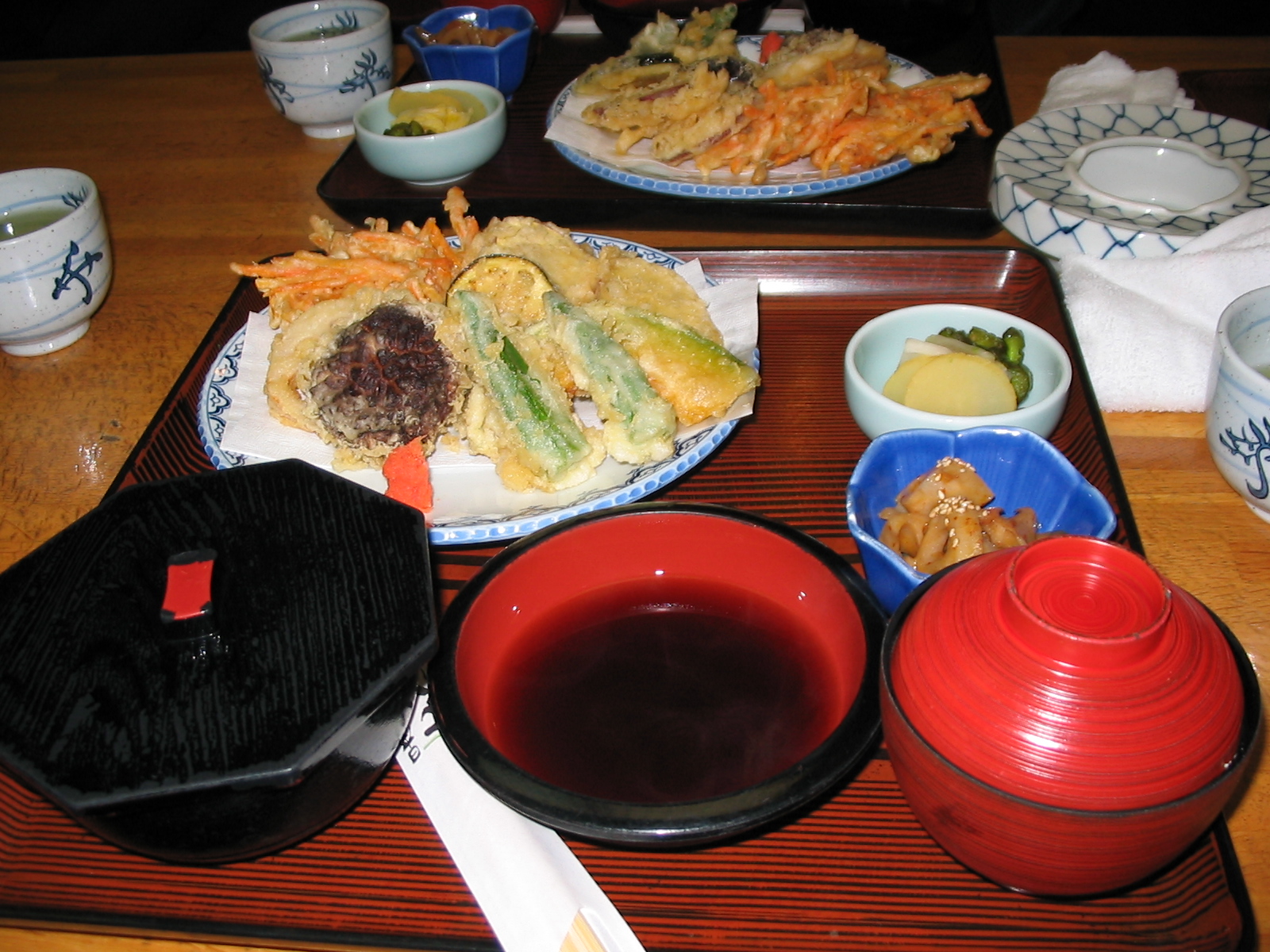
Tempura โ prawns, vegetables and seafood coated in the lightest possible batter and fried to perfection โ was introduced by Portuguese merchants in the 16th century and perfected by Edo cooks into a refined art. The quality of the batter (loose, cold), sesame oil, and freshness of ingredients make all the difference.
Where to eat the best tempura in Japan
Wagyu (*ๅ็*, literally "Japanese cattle") refers to four native breeds raised under strict methods in specific regions. Intramuscular marbling (*sashi*) creates an unmatched melt-on-the-tongue texture. Three regions contest the title of Japan's finest: Kobe (Hyogo), Matsusaka (Mie), and Omi (Shiga) โ the Japanese "big three."
Japan's great wagyu regions
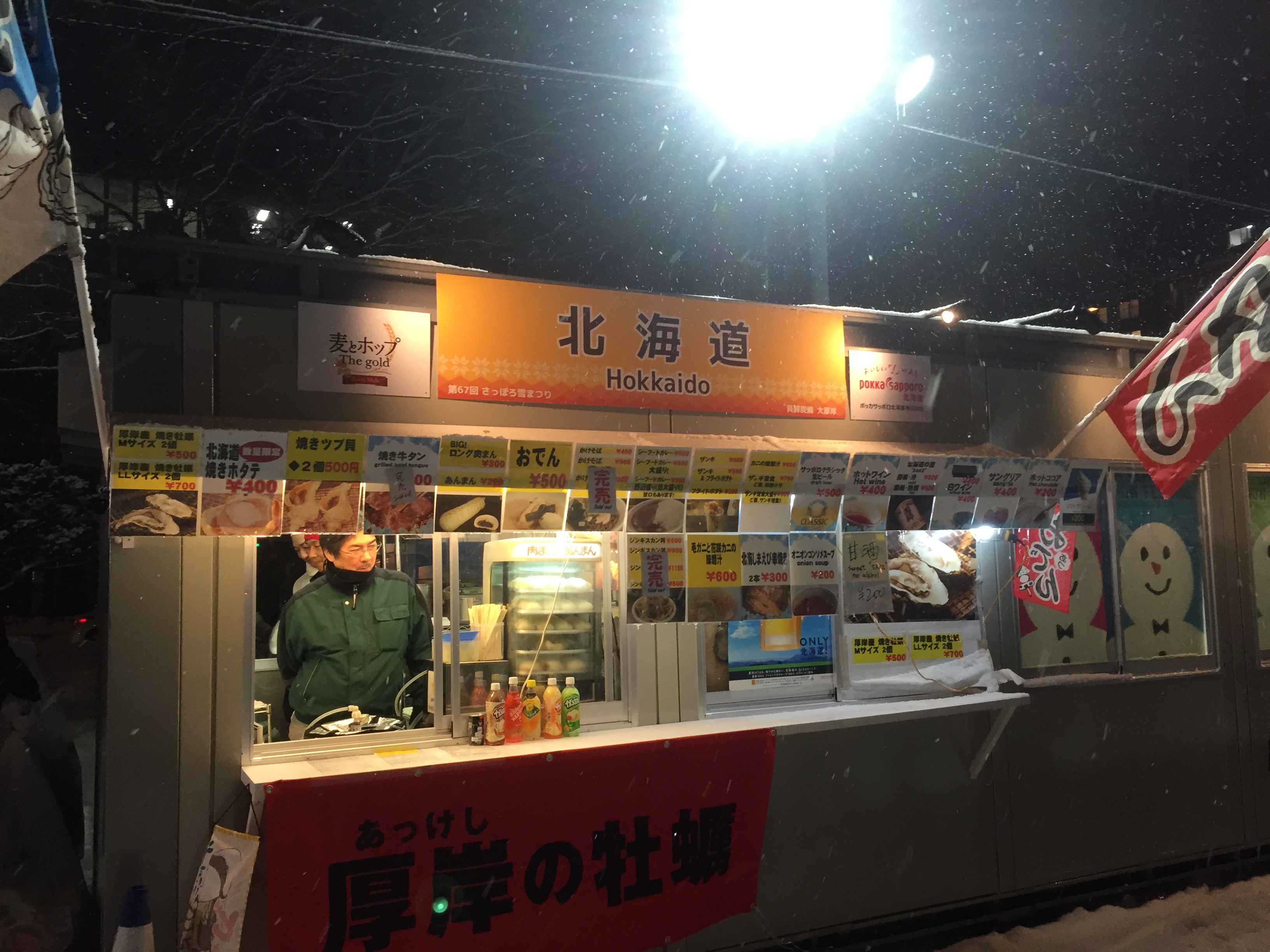
Japan's "B-kyลซ gourmet" โ affordable, delicious street food โ is one of the country's great food traditions. From Fukuoka's yatai stalls to Osaka's takoyaki, and Hakodate's morning market bowls, Japanese street food is clean, flavourful, and often more memorable than any starred restaurant.
Japan's best street food destinations
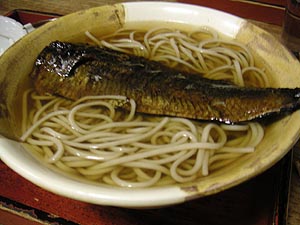
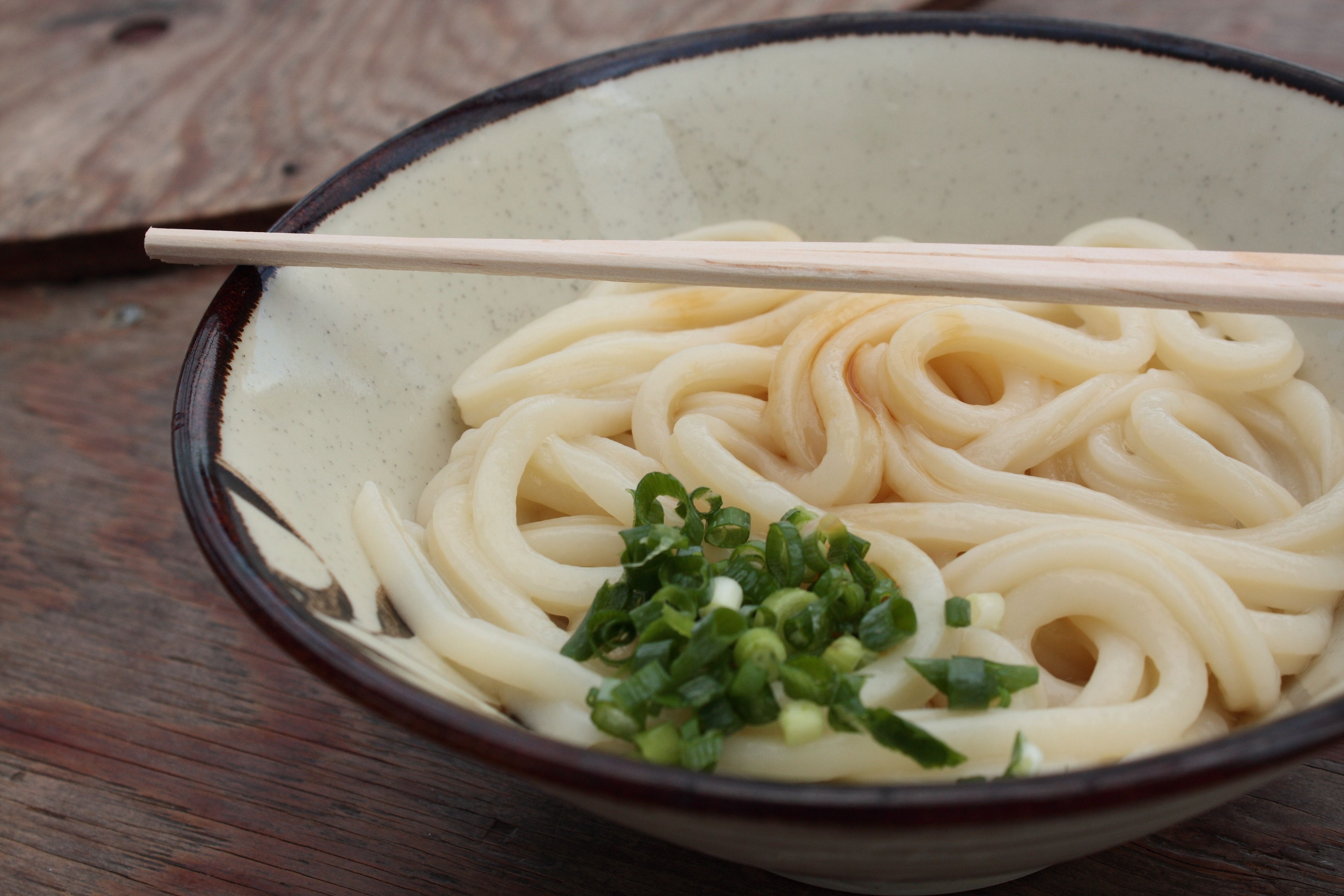
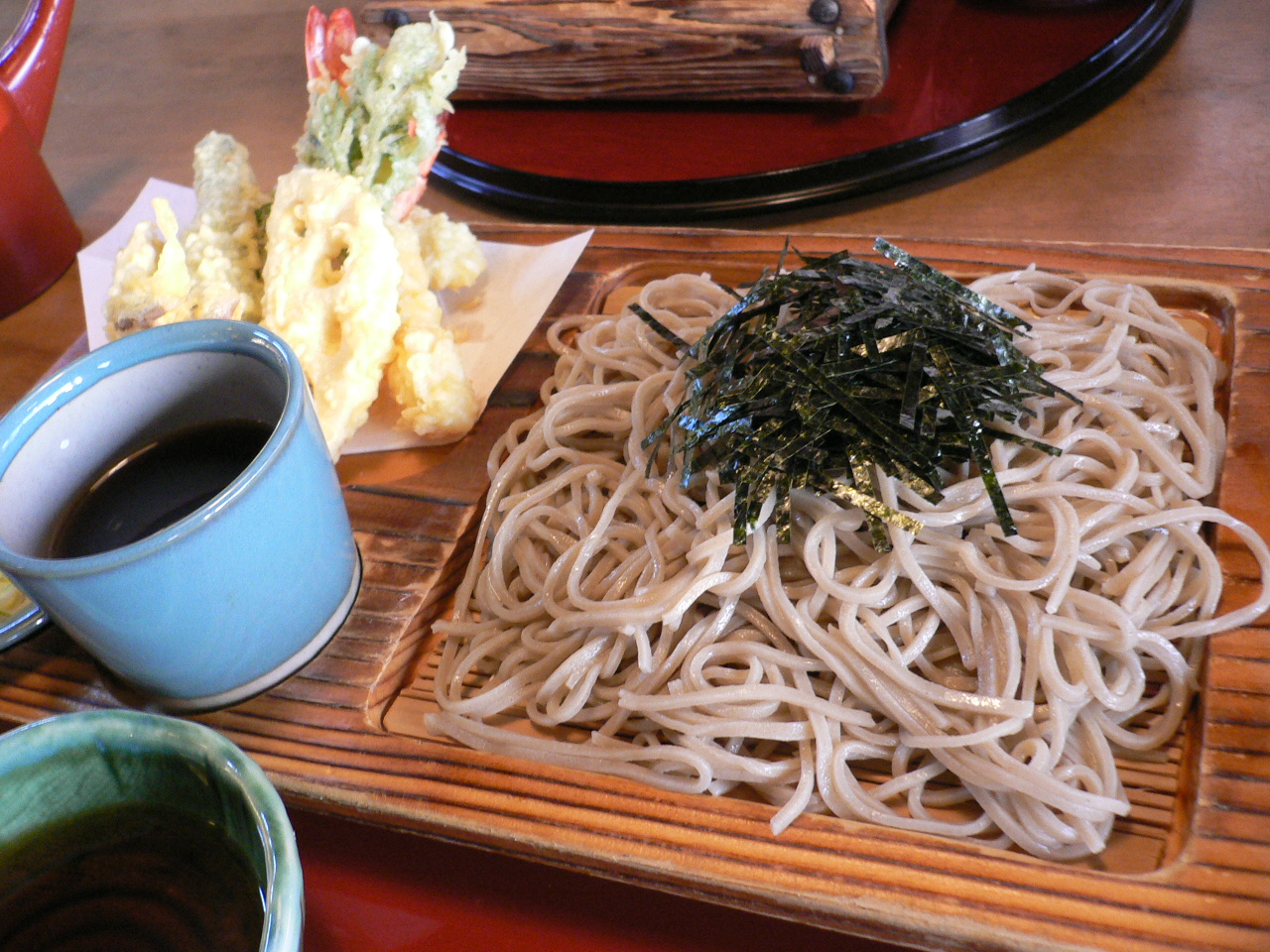
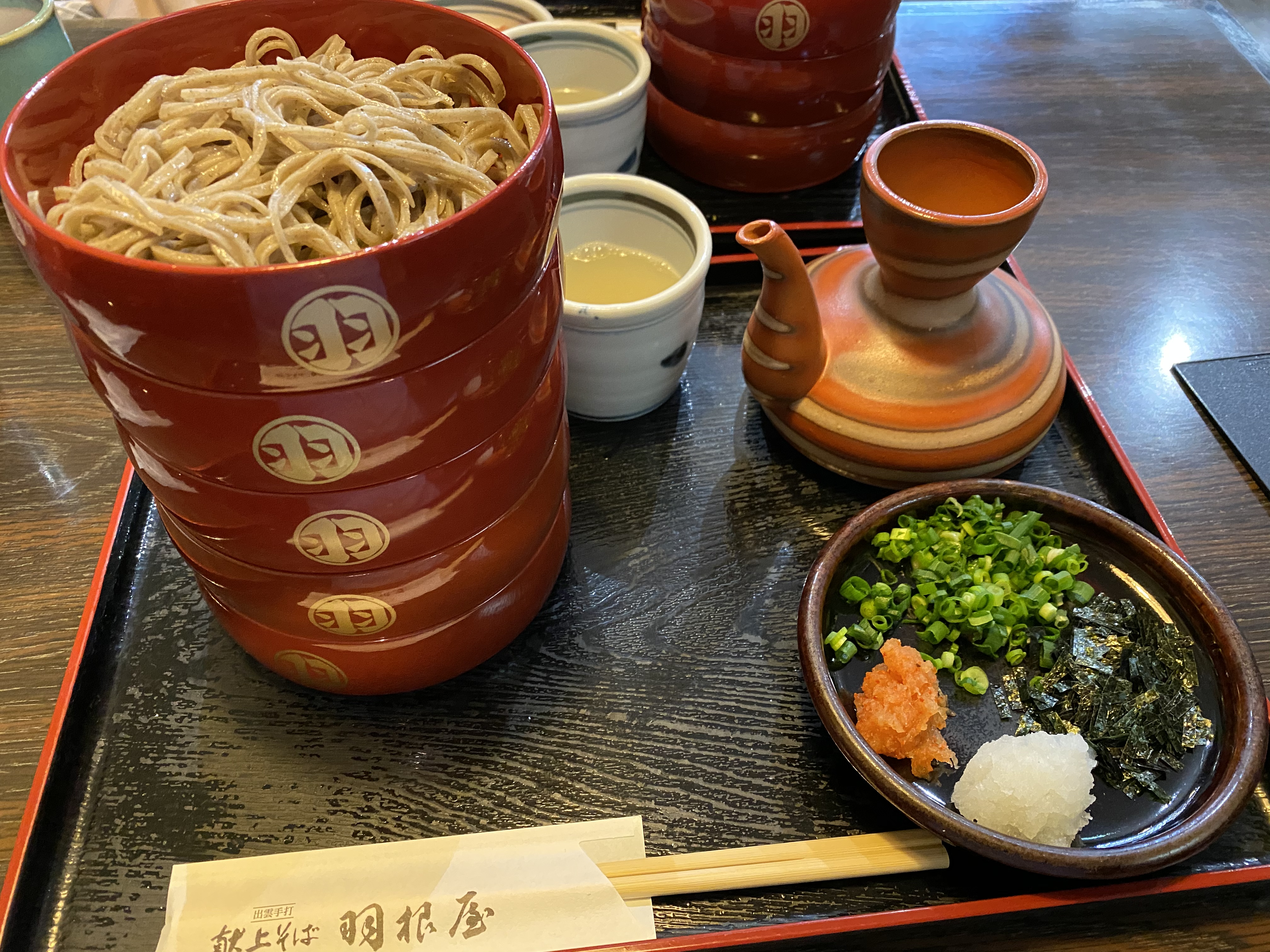
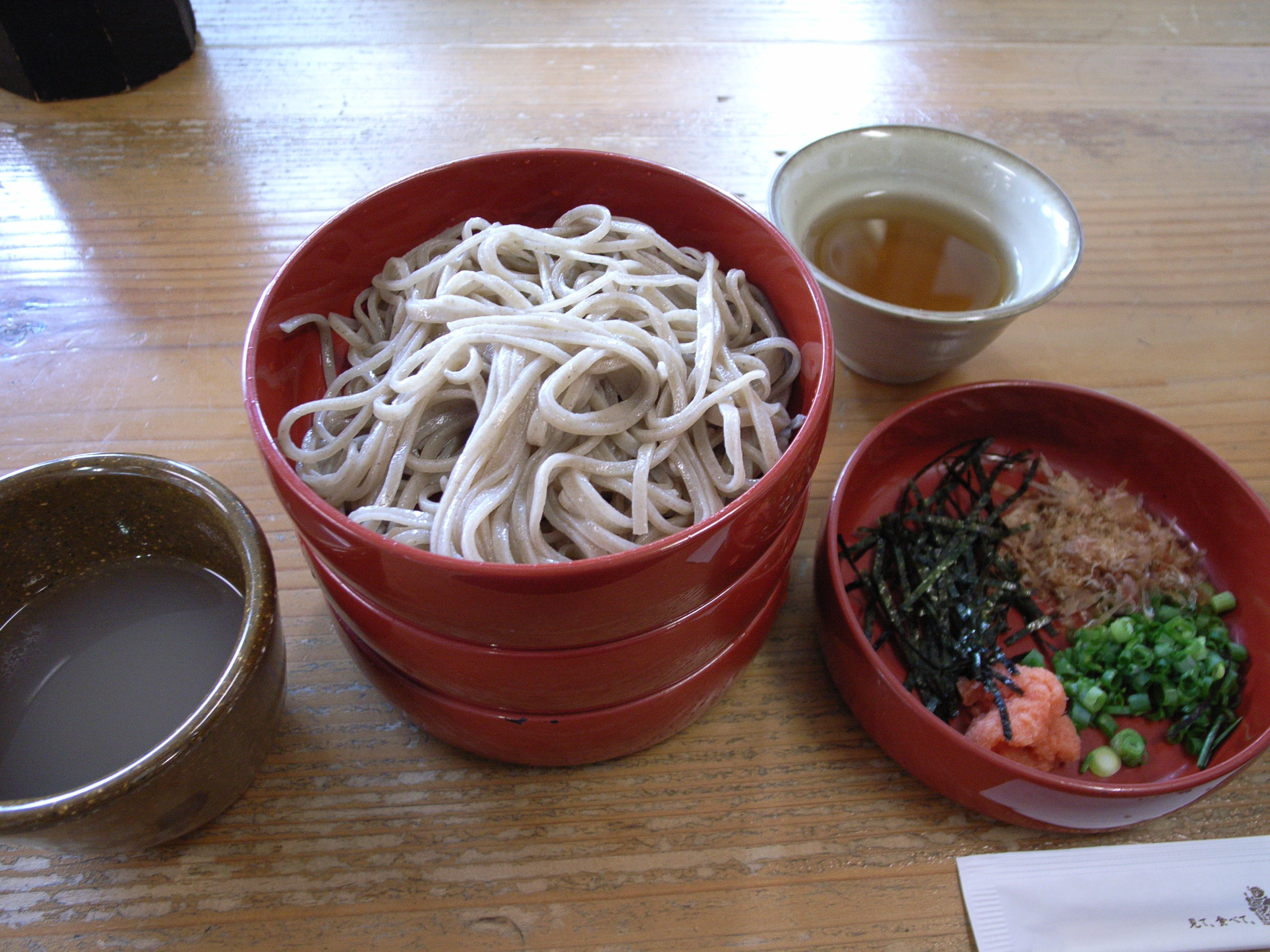
Soba (buckwheat noodles) and udon (thick wheat noodles) are Japan's two great artisan noodle traditions โ distinct from ramen. Soba thrives in mountain regions where buckwheat grows; udon dominates the warm plains of western Japan. Every prefecture has developed its own style, from thickness to toppings to the way they're served.
Japan's great soba & udon regions
A kaisen-don is a bowl of sushi rice buried under whatever came off the boat that morning โ uni, ikura, scallop, crab, raw shrimp. Japan's great seafood is regional and seasonal, and the best bowls are eaten metres from the quay at a morning market, often before 8am.
Where to eat Japan's best seafood bowls
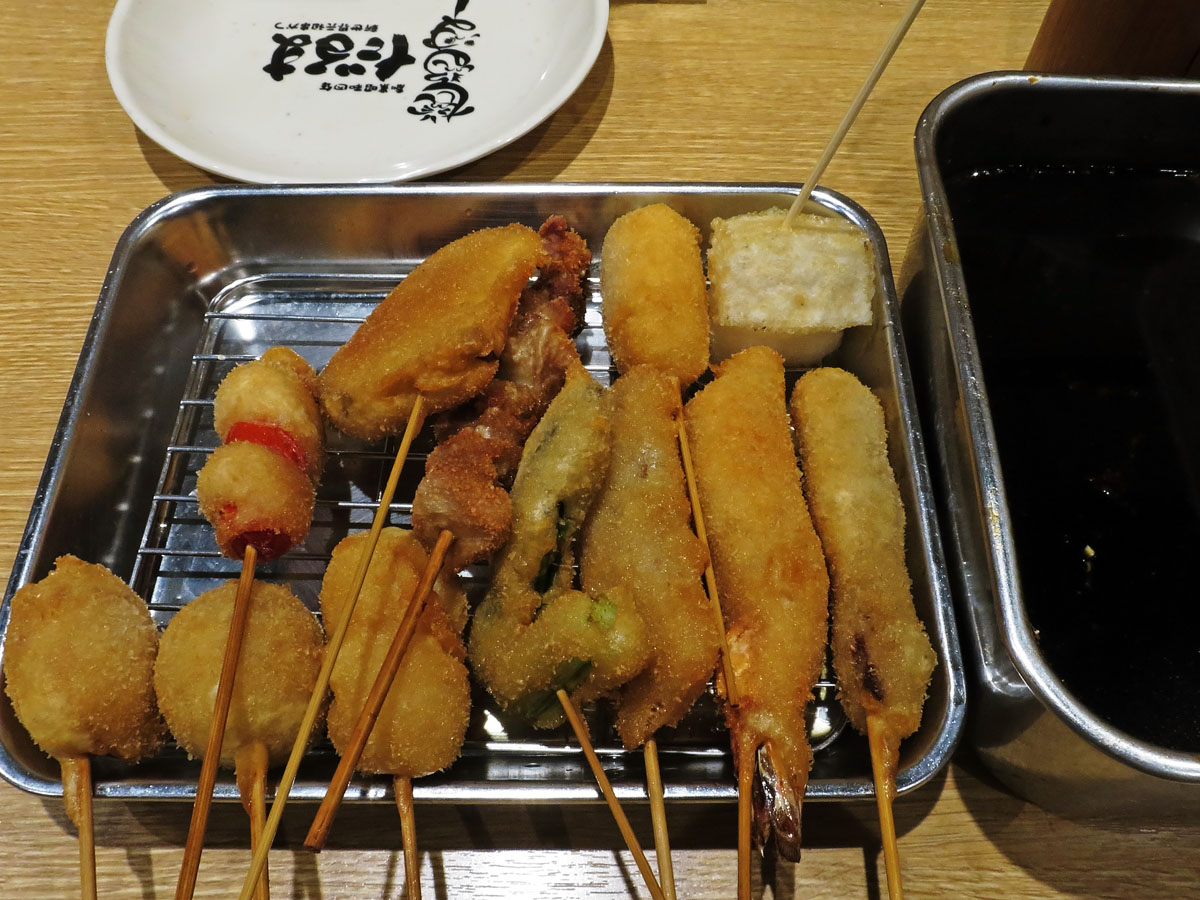
The izakaya is Japan's pub: you order in rounds, share small plates, and stay for hours. Every city has its own drinking quarter and its own signature skewer or stew. Look for the red lantern (akachochin) outside โ it means the place is open and the beer is cold.
Japan's great drinking quarters & izakaya dishes
Okonomiyaki means โgrilled how you like itโ โ a savoury cabbage pancake cooked on a hot iron plate, brushed with sweet-dark sauce and finished with dancing bonito flakes. Osaka mixes everything into the batter; Hiroshima layers it and hides noodles inside. Both cities will tell you theirs is the real one.
Griddle specialities by city
Kaiseki is Japan's haute cuisine: a long, quiet sequence of small seasonal courses, each on chosen ceramics, built around what is at its peak that fortnight. You meet it in Kyoto restaurants and, more affordably, as the dinner served in your room at a country ryokan.
Where to experience kaiseki & ryokan cuisine
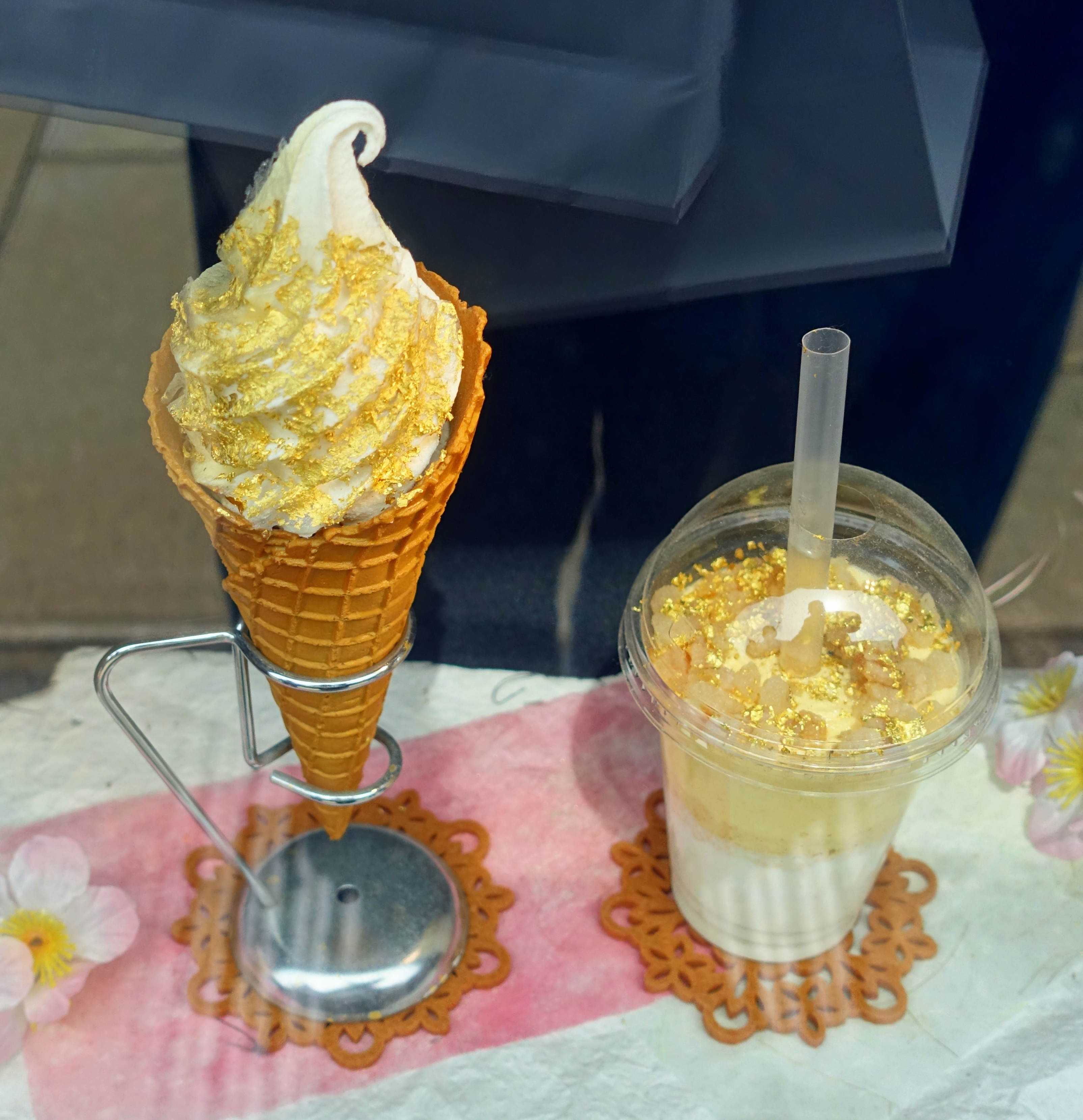
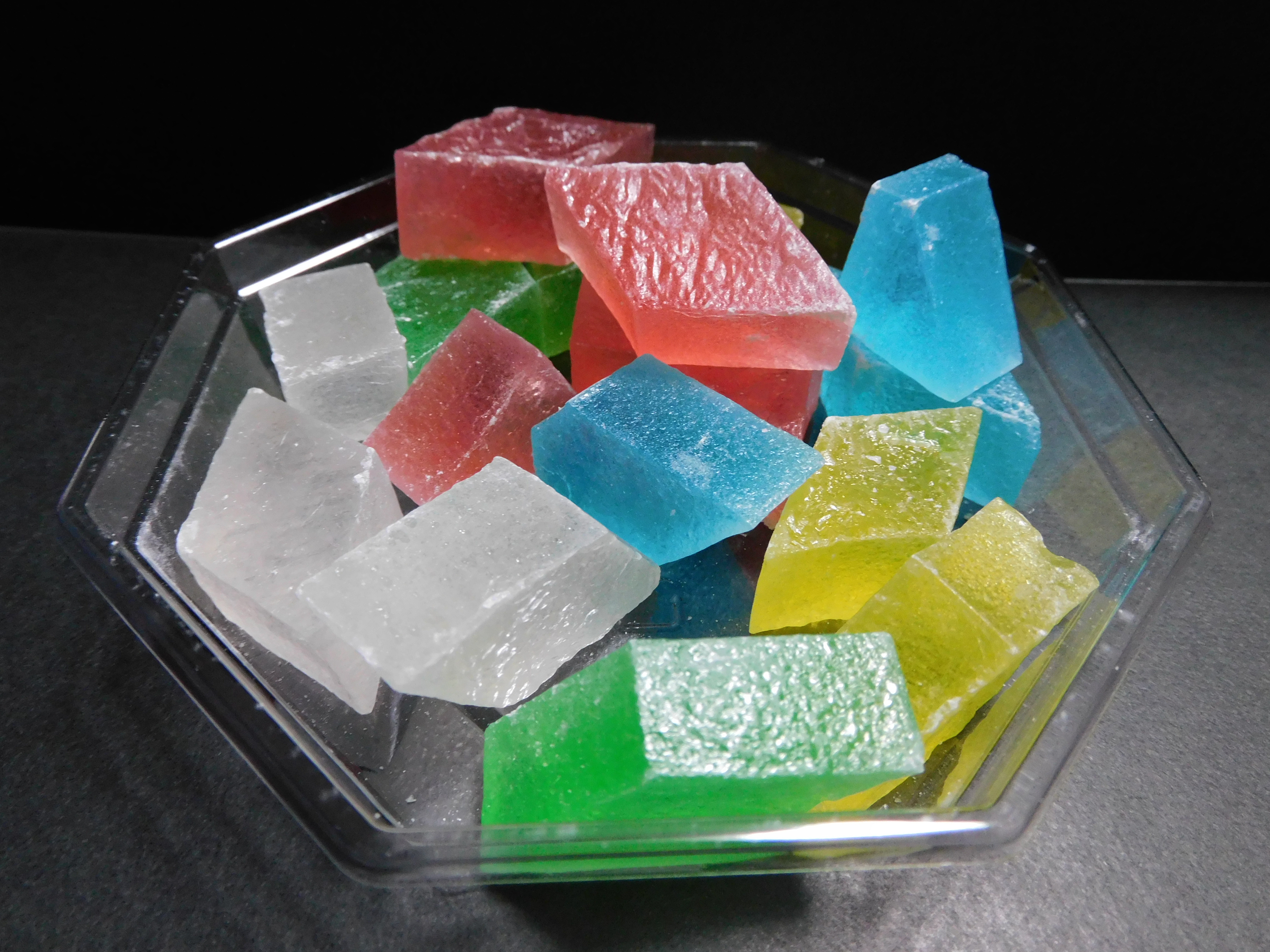
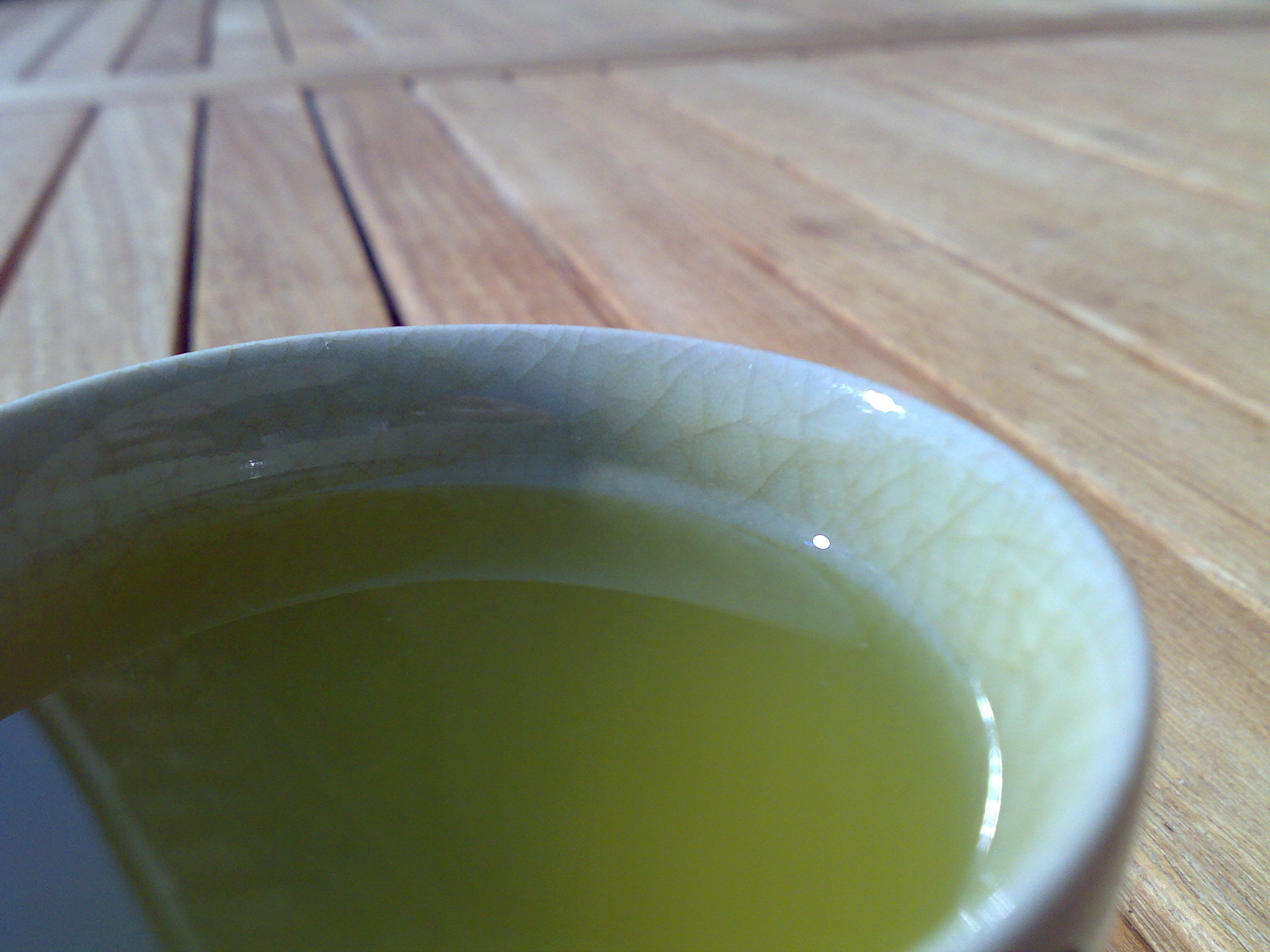
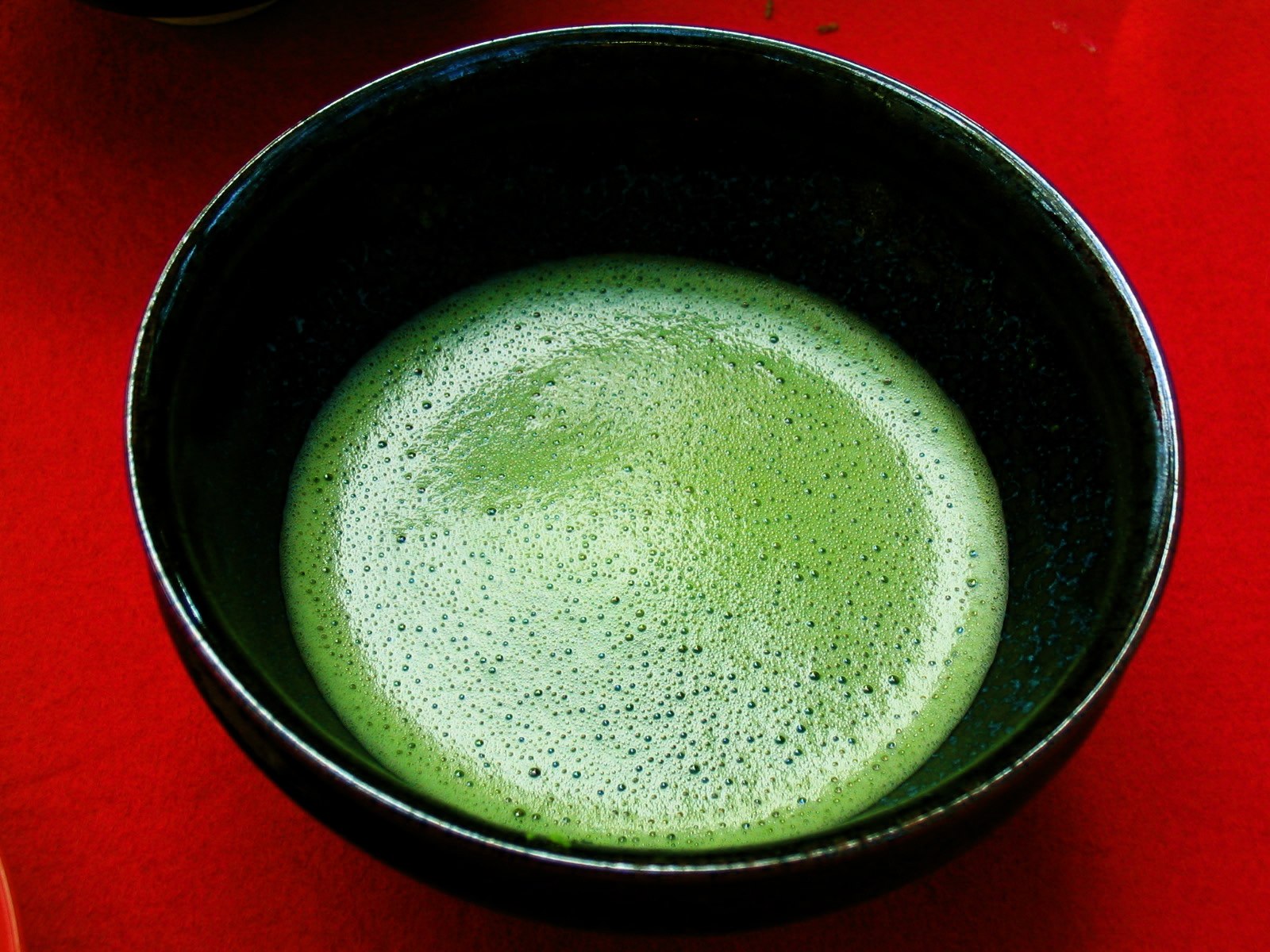
Wagashi are Japan's traditional sweets โ bean paste, rice flour and sugar shaped into the season itself: a plum in February, a maple leaf in November. They exist to balance the bitterness of matcha, so the two are almost always served together.
Japan's great tea & sweet-making regions
Japanese cooking is organised around shun โ the few weeks when an ingredient is at its absolute best. Menus change monthly, sweets change shape, and whole towns celebrate one vegetable or fish. Travelling by season is the single easiest way to eat well here.
Seasonal harvests worth planning a trip around
What a meal actually costs, how to order without speaking Japanese, the table rules that matter, what vegetarians and halal travellers need to watch for, and what is in season the month you arrive.
Per person, before drinks. Japan is far cheaper to eat in than most visitors expect โ the gap between a ยฅ900 lunch and a ยฅ30,000 dinner is real, and both are worth doing.
| Meal | Typical price | Notes |
|---|---|---|
| Convenience store meal | ยฅ400โ800 | Onigiri, sandwich, hot food. Genuinely good and open 24h. |
| Gyudon / chain beef bowl | ยฅ500โ900 | Yoshinoya, Sukiya, Matsuya. Fastest hot meal in Japan. |
| Ramen | ยฅ800โ1,300 | A full bowl. Extra toppings ยฅ100โ300 each. |
| Teishoku set lunch | ยฅ900โ1,600 | Main, rice, miso soup, pickles. The best value meal in Japan. |
| Conveyor-belt sushi | ยฅ1,500โ3,000 | Per person. Plates from ยฅ120. Family-friendly. |
| Depachika bento | ยฅ800โ2,000 | Department-store basement. Half price after 19:00. |
| Izakaya dinner with drinks | ยฅ3,000โ5,000 | Per person, sharing several small plates. |
| Sushi omakase counter | ยฅ8,000โ30,000+ | Chef chooses. Lunch omakase is often half the dinner price. |
| Kaiseki dinner | ยฅ10,000โ30,000+ | Multi-course. Book ahead; many require reservations. |
| Ryokan stay with 2 meals | ยฅ15,000โ50,000 | Per person per night. Dinner and breakfast included. |
At most ramen and gyudon shops you buy a meal ticket from a machine by the door, then hand it to staff. Many have English and photos; some take cards, plenty are cash-only.
Izakaya bring a small unrequested appetiser (otoshi) and charge ยฅ300โ500 for it. It is effectively a seat charge and is completely normal.
Say โsumimasenโ clearly, or press the table buzzer. Waiting quietly to be noticed can take a very long time.
Take the slip left on your table to the till by the door. Staff rarely collect payment at the table.
Tipping is not practised and can cause genuine confusion. Good service is already included.
Cards and IC cards (Suica, Pasmo) are widely accepted, but small counters, yatai and older shops are still cash-only.
The same kitchen often serves a ยฅ1,200 lunch and a ยฅ6,000 dinner. High-end sushi and kaiseki are far cheaper at midday.
Many sushi counters and kaiseki rooms ban photography or strong perfume. Look for the sign, or simply ask first.
Nobody expects a visitor to get everything right, and mistakes are forgiven instantly. These few are worth knowing because two of them carry funeral associations.
Japan's default stock, dashi, is made from dried bonito or sardine and is in far more dishes than it looks. Asking โis there meat?โ is not enough โ ask about fish stock specifically.
Almost every savoury dish โ miso soup, simmered vegetables, tempura dipping sauce, most noodle broths โ is built on dashi made from bonito or sardine. A dish with no visible meat is very often not vegetarian.
Buddhist temple cuisine uses kombu and shiitake dashi and excludes all animal products. Best found around Koyasan, Kyoto and Nara.
Certified restaurants and halal ramen exist in Tokyo, Osaka and Kyoto, and most airports have prayer rooms. Outside big cities, plan ahead.
Eight allergens must be labelled by law โ egg, milk, wheat, buckwheat, peanut, shrimp, crab and walnut. Note that soba noodles contain buckwheat, and many shops cook soba and udon in the same water.
| I'll have this, please | ใใใใใ ใใ | kore o kudasai |
| Without meat, please | ่ใชใใงใ้กใใใพใ | niku nashi de onegai shimasu |
| Does this contain fish stock? | ใใใฏ้ญใฎใ ใใๅ ฅใฃใฆใใพใใ | kore wa sakana no dashi ga haitte imasu ka |
| I am allergic to ___ | ___ ใขใฌใซใฎใผใงใ | ___ arerugii desu |
| The bill, please | ใไผ่จใ้กใใใพใ | okaikei onegai shimasu |
| It was delicious | ใใกใใใใพใงใใ | gochisousama deshita |
Japanese menus follow shun โ the short window when an ingredient peaks. Pick your month and you can plan a trip around a single ingredient.