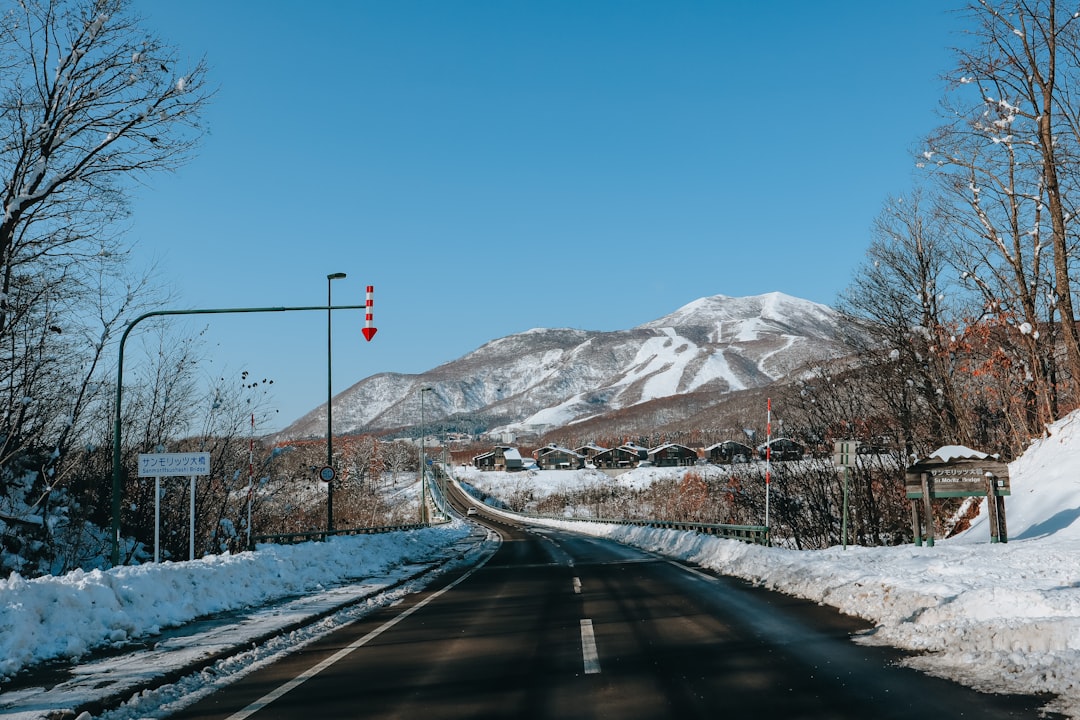
Best Ramen in Sapporo: A Locals Guide to Hokkaido’s Soul-Warming Bowl
If you’ve ever slurped a bowl of ramen in Tokyo or Osaka and thought, “This is as good as it gets,” I need you to reconsider. Because Sapporo — Hokkaido’s snow-dusted, food-obsessed capital — is where ramen transcends from a quick meal into something approaching a spiritual experience. This best ramen in Sapporo locals guide exists because, after living in Japan for 15 years and making more trips to Hokkaido than I can count, I’m convinced that Sapporo is the single greatest ramen city in the entire country. Bold claim? Maybe. But by the time you finish this guide, you’ll understand why.
Sapporo is the birthplace of miso ramen. That fact alone makes it sacred ground for noodle lovers. But the city’s ramen culture runs far deeper than a single style. It’s a living, evolving food scene where third-generation shops sit alongside daring newcomers, where the broth changes subtly with the seasons, and where locals treat their favorite ramen-ya with the fierce loyalty usually reserved for baseball teams. The cold climate, Hokkaido’s world-class dairy and produce, and a culture that prizes heartiness over pretension — all of it converges in the bowl in front of you.
This guide is built on years of personal exploration, countless conversations with shop owners and Sapporo residents, and a genuine love for the craft. I’m going to walk you through the history, the neighborhoods, the etiquette, the prices, and the seasonal nuances that will help you eat ramen in Sapporo the way locals actually do — not as a tourist checking a box, but as someone who truly understands what makes this city’s ramen unlike anything else in Japan.
The Story of Sapporo Ramen: History, Regional Variations, and What Makes It Authentic
How Miso Ramen Was Born
Ramen arrived in Sapporo in the early 20th century, brought by Chinese immigrants who established simple noodle stalls in the city. For decades, Sapporo’s ramen was shio (salt) based — clean, light, and similar to what you’d find in other northern cities. The revolution came in 1955, when a customer at a small shop called Aji no Sanpei asked the owner, Morito Omiya, to put noodles in his miso soup. Omiya spent the next several years refining the idea, and by the early 1960s, miso ramen was officially born.
It was a perfect marriage of ingredient and environment. Hokkaido winters are punishing — temperatures regularly drop to -10°C, and snowfall can exceed six meters in a season. Miso broth, rich with fermented soybean depth, high in calories, and blanketed with a layer of lard that keeps the soup screaming hot, was exactly what this climate demanded. It wasn’t a marketing gimmick; it was survival food elevated to art.
What Defines Authentic Sapporo-Style Miso Ramen
If you’ve had miso ramen elsewhere in Japan, you’ve had an interpretation. The Sapporo original has specific characteristics that distinguish it:
- The broth: A tonkotsu (pork bone) or chicken base is combined with a generous amount of miso tare (seasoning). The best shops make their own miso blends, sometimes combining red, white, and aged varieties. The broth is thick, deeply savory, and coats your lips.
- The stir-fried vegetables: This is the signature move. Bean sprouts, onions, ground pork, and sometimes cabbage are stir-fried in a wok at blistering heat, then the broth is ladled over them directly in the bowl. This wok-hei (charred wok flavor) is critical — it adds a smoky, caramelized dimension you won’t find in other ramen styles.
- The noodles: Sapporo uses medium-thick, curly, egg-yellow noodles with a satisfying chew. They’re designed to hold the heavy broth in their coils. The standard is a slightly wavy noodle made with a higher egg content than typical ramen noodles.
- The lard cap: A thin layer of melted lard floats on top of the broth, acting as insulation. It keeps the soup hot in Sapporo’s freezing winters. Blowing on it doesn’t help — you just have to commit and slurp.
- The butter and corn option: While purists debate this, adding a pat of Hokkaido butter and sweet local corn kernels to your miso ramen is a legitimate and beloved Sapporo tradition, not a tourist gimmick. Hokkaido butter is famously rich, and the corn adds a sweetness that balances the miso’s salt and funk.
Beyond Miso: Sapporo’s Other Ramen Styles
While miso gets the headlines, Sapporo has a thriving scene for other styles:
- Shio (salt) ramen: The original Sapporo style, predating miso. A clear, golden broth that showcases Hokkaido’s exceptional seafood — kelp, dried scallops, and sometimes crab. Delicate but deeply flavored.
- Shoyu (soy sauce) ramen: Less common in Sapporo but gaining ground, often featuring a rich chicken or pork base with a soy tare. Some shops are doing innovative double-soup (W-soup) versions that blend animal and seafood broths.
- Spicy miso ramen: A modern evolution that has become hugely popular. Some shops use Korean-inspired chili oil, others use a proprietary spice blend. The heat level ranges from gentle warmth to genuinely aggressive.
- Ebi (shrimp) ramen: A newer trend that uses dried or fresh Hokkaido shrimp to build an intensely aromatic broth. This style has exploded in popularity over the last decade.
Best Ramen in Sapporo: Top Neighborhoods and Districts for Bowl-Hunting
Finding the best ramen in Sapporo as a locals guide principle means knowing where to look, not just what to look for. These are the neighborhoods and districts where Sapporo’s ramen culture is densest and most rewarding.
1. Susukino (薄野)
Sapporo’s entertainment district is also its ramen heartland. After the bars wind down around 11 PM, Susukino transforms into a ramen pilgrimage site. Dozens of shops cluster around the main Susukino intersection and the streets radiating south from it. This is where you’ll find both legendary old-guard shops and exciting newcomers. The area around Minami 3-jo to Minami 7-jo, between Nishi 2-chome and Nishi 5-chome, is particularly dense. Local tip: The best time to ramen-hunt in Susukino is actually late night (10 PM–1 AM), when you’re eating alongside locals who know exactly what they want.
2. Sapporo Ramen Yokocho (札幌ラーメン横丁)
Located in Susukino at Minami 5-jo Nishi 3-chome, this narrow alley has been operating since 1951, making it one of Japan’s oldest ramen alleys. Currently home to about 17 small shops, each seating roughly 10 people. Yes, it’s tourist-known, but here’s what outsiders miss: the shops in Ramen Yokocho are independently owned, rotate over time, and many are genuinely excellent. Locals still eat here. The atmosphere — steam, shouting, cramped counter seating, vintage signage — is part of the experience. Go on a weeknight to avoid weekend crowds.
3. Sapporo Station Area (札幌駅周辺)
The area around JR Sapporo Station and the connected underground shopping complexes (Stellar Place, ESTA, Paseo) houses several well-regarded ramen shops, including dedicated ramen floors where multiple shops compete side by side. The “Sapporo Ramen Republic” on the 10th floor of ESTA was a famous example (currently being redeveloped as part of the station area renovation — check the latest status before visiting). This area is ideal if you’re arriving by train and want ramen immediately. The shops here tend to be branches of famous Hokkaido ramen brands, which means consistent quality even if you’re not getting the intimate neighborhood experience.
4. Tanukikoji Shopping Arcade (狸小路商店街)
This covered shopping street, stretching roughly 1 kilometer through central Sapporo, has several excellent ramen options tucked between the clothing stores and souvenir shops. The advantage here is that you can combine ramen with other Hokkaido food shopping — picking up Royce chocolates, Hokkaido cheese, or dried seafood snacks. Tanukikoji blocks 4 through 7 have the highest concentration of interesting food options. It’s also fully covered, making it a perfect ramen-hunting ground during rain or snow.
5. Sumikawa and Southern Sapporo (澄川・南エリア)
This is where this best ramen in Sapporo locals guide earns its name. Sumikawa, accessible via the Namboku subway line, is a residential neighborhood where several legendary ramen shops have operated for decades, well away from tourist foot traffic. The shops here don’t advertise, don’t have English menus, and don’t need to — their reputations are built entirely on word-of-mouth among Sapporo residents. If you see a line of 15 people standing quietly in -5°C weather outside an unremarkable storefront, you’ve found the right place. The area around Sumikawa Station and one stop further at Jieitai-mae Station is particularly rewarding.
6. Shiroishi District (白石区)
East of central Sapporo, Shiroishi is a working-class neighborhood with a surprisingly robust ramen scene. Several shops here specialize in styles you won’t find in the tourist core — particularly rich tonkotsu-miso hybrids and creative limited-run seasonal bowls. The area around Shiroishi Station (Tozai subway line) is walkable and quiet. You’ll be the only non-Japanese person in the shop, which in my experience is always a good sign.
7. Shin-Sapporo (新札幌)
The sub-center of Sapporo, located about 15 minutes east on the JR or Tozai subway line, has a dedicated local food scene that includes several excellent ramen shops clustered near the station. Shin-Sapporo is where Sapporo residents who live in the eastern suburbs eat, and the ramen here tends to be generous in portion and aggressive in flavor — less refined, more satisfying. Worth the short trip if you’re also visiting the nearby Hokkaido Museum or Nopporo Forest Park.
Best Time to Visit Sapporo for Ramen: A Month-by-Month Breakdown
Ramen in Sapporo is a year-round obsession, but the experience changes meaningfully with the seasons. This is the best ramen in Sapporo locals guide perspective on timing your visit.
Winter (December–February): The Ultimate Ramen Season
This is when Sapporo ramen reaches its highest purpose. When it’s -8°C outside and snow is piled two meters high along the streets, walking into a ramen shop and feeling the steam hit your face is one of life’s great pleasures. The lard cap on your miso ramen makes practical sense — it’s keeping your soup hot while the cold tries to steal it. Many shops offer winter-limited specials: extra-rich broths, warming spice additions, and heavier toppings. The Sapporo Snow Festival (early February) brings crowds, but also special ramen events and pop-ups. Book accommodation well in advance for February.
Spring (March–May): Transition Season
March is still winter in Sapporo (expect snow through mid-April). Cherry blossoms arrive late — typically around May 3–7 in central Sapporo, peaking at Maruyama Park and Hokkaido Shrine. Spring is when some shops introduce lighter seasonal bowls — shio ramen with spring onion, or limited-time bowls featuring seasonal Hokkaido ingredients like asparagus (Hokkaido asparagus is legendary and available from late April). Crowds thin significantly after Golden Week (early May).
Summer (June–August): A Different Sapporo
Sapporo summers are glorious — 20–25°C, low humidity, the best summer climate in Japan. Some shops offer hiyashi ramen (cold ramen) during this period, a refreshing alternative. The Sapporo Summer Festival (July–August) in Odori Park includes beer gardens and food stalls, and late-night ramen after a night of outdoor drinking is a local summer ritual. Summer is also when Hokkaido’s sweet corn peaks (July–August), making butter-corn ramen particularly exceptional.
Autumn (September–November): Harvest Season
Arguably the best overall time to visit Hokkaido. September temperatures are comfortable (15–20°C), fall foliage peaks in Sapporo around mid-to-late October, and Hokkaido’s autumn harvest brings incredible ingredients. Look for shops featuring seasonal toppings: Hokkaido potatoes, autumn salmon, new-crop rice, and freshly harvested miso. November brings the first meaningful cold, and the transition back to hearty winter ramen begins. Tourist crowds are manageable.
How to Order and Eat Ramen in Sapporo: A Practical Guide for First-Timers
The Ticket Machine (券売機 / Kenbaiki)
Most ramen shops in Sapporo use a vending machine near the entrance. Here’s how it works:
- Look at the machine before entering. Many now have photos or English labels, but many don’t.
- Insert money first (most machines accept ¥1,000 bills and coins; some accept ¥5,000 or ¥10,000 bills; a few accept IC cards).
- Press the button for your ramen. The top-left button is almost always the shop’s signature bowl. When in doubt, press that one.
- Add toppings if desired: Look for buttons labeled バター (butter), コーン (corn), 煮玉子 (ni-tamago / seasoned egg), チャーシュー (chashu / pork), or 大盛 (ōmori / large size).
- Take your ticket(s) and hand them to the staff when seated.
Seating and Etiquette
- Most shops are counter-only, seating 8–15 people. Wait in line outside if the shop is full. Don’t hover inside.
- When your ramen arrives, eat it immediately. The noodles are absorbing broth every second. Locals start slurping within 5 seconds of the bowl hitting the counter.
- Slurping is expected and appreciated. It aerates the broth and signals enjoyment. Don’t hold back.
- Finish quickly. Ramen shops are designed for turnover. A 15–20 minute visit is normal. Don’t linger over your phone.
- Leave your bowl on the counter when done. Say “gochisōsama deshita” (ごちそうさまでした — “that was a feast”) as you leave.
Customization Options
Many shops will ask your preferences when you sit down:
- Noodle firmness: 硬め (katame / firm), 普通 (futsū / normal), 柔らかめ (yawarakame / soft). Locals in Sapporo typically go with 普通.
- Broth richness: 濃いめ (koime / rich), 普通 (futsū / normal), 薄め (usume / light).
- Fat level: 多め (ōme / more), 普通, 少なめ (sukuname / less).
If you’re not asked and not sure, everything defaults to 普通, which is calibrated to be the chef’s intended balance.
The Art of Finishing
- Use the provided spoon for broth and the chopsticks for noodles and toppings.
- If you want more noodles, some shops offer kaedama (替玉 / noodle refill) for ¥100–200. This is more common in tonkotsu-style shops than traditional miso shops.
- Finishing all the broth is a compliment to the chef but not expected — the broth is intensely salty by design.
Price Guide: What to Expect to Pay for Ramen in Sapporo
Sapporo ramen remains one of Japan’s greatest food bargains, though prices have risen modestly in recent years due to ingredient costs.
Budget (¥750–¥900)
A basic bowl at a no-frills local shop. You’ll get an honest, well-made bowl with standard toppings (chashu, menma bamboo shoots, green onion, bean sprouts). This is where many locals eat daily, and the quality is often excellent. Don’t equate low price with low quality — some of the best bowls I’ve ever had in Sapporo were under ¥850.
Mid-Range (¥900–¥1,200)
The sweet spot. This gets you a fully loaded bowl at a well-regarded shop — extra chashu, seasoned egg, butter, corn, and possibly a premium miso blend. Most dedicated ramen shops in Sapporo fall in this range. A complete meal with a side of rice (¥150–200) and possibly gyoza (¥350–450) will run ¥1,300–1,800.
Splurge (¥1,200–¥1,800)
Premium bowls featuring luxury Hokkaido ingredients: crab, uni (sea urchin), thick-cut premium pork, or rare miso varieties. Some newer shops with designer interiors or unique concepts charge in this range. You might also hit this tier by adding multiple toppings to a mid-range bowl. Honestly, even the “splurge” tier in Sapporo would be considered moderately priced in most world cities.
Local tip: Many shops offer a set meal (セット / setto) that bundles ramen with a small rice bowl (often topped with chashu or butter) and gyoza for ¥200–400 less than ordering everything separately. Ask for “setto wa arimasu ka?” (セットはありますか / Do you have a set?).
What to Eat Beyond Ramen: Sapporo’s Seasonal Food Calendar
No best ramen in Sapporo locals guide is complete without acknowledging that this city is one of Japan’s greatest food destinations, period. Plan your ramen crawl around these seasonal highlights:
- Winter (Dec–Feb): Crab (taraba/king crab, kegani/horsehair crab), Ishikari nabe (salmon hot pot), jingisukan (Genghis Khan lamb BBQ), hot shiroi koibito chocolate from the factory
- Spring (Mar–May): Hokkaido asparagus, uni (sea urchin season begins), fresh dairy soft-serve at every corner
- Summer (Jun–Aug): Yubari melon (the world’s most expensive melon, but affordable by the slice in Sapporo), sweet corn at peak perfection, Sapporo beer fresh from the brewery, soup curry
- Autumn (Sep–Nov): Ikura (salmon roe), autumn salmon, new potatoes, sanma (Pacific saury), Hokkaido wine from the Yoichi region
Don’t miss: Sapporo’s soup curry, a uniquely Hokkaido invention — a thin, spiced curry broth with large vegetable and meat pieces. It’s ramen’s spiritual sibling, and many ramen obsessives eat soup curry with equal devotion.
Nearby Sights to Combine with Your Ramen Trip
In Central Sapporo
- Odori Park: The green spine of the city. Home to the Snow Festival in February, beer gardens in summer, and autumn food festivals. A 10-minute walk from most ramen districts.
- Sapporo Beer Museum: Free to enter (paid tasting available). Learn about Japan’s oldest beer brand, then pair your brewery visit with a ramen dinner in Susukino.
- Nijo Market: Sapporo’s kitchen. Fresh crab, uni, ikura-don (salmon roe rice bowls), and dried goods. Go early morning for the best experience.
- Hokkaido University Campus: Gorgeous in every season — ginkgo-lined avenue in October, snow-covered in winter, lush green in summer. Free to walk through.
Day Trips from Sapporo
- Otaru (30–40 minutes by JR): A canal town famous for sushi, glass workshops, and sake. Otaru has its own excellent ramen scene — try the shio ramen here as a contrast to Sapporo’s miso.
- Noboribetsu Onsen (70 minutes by JR): One of Hokkaido’s best hot spring towns. Soak in sulfurous waters, then return to Sapporo for a late-night ramen.
- Asahikawa (85 minutes by JR limited express): Home to Asahikawa ramen, a shoyu-based style with a wavy, thin noodle and a lard-sealed broth. The “other” great Hokkaido ramen city. A day trip to compare styles is deeply rewarding.
Getting There and Getting Around Sapporo
Getting to Sapporo
- By air: New Chitose Airport (CTS) serves Sapporo. Domestic flights from Tokyo (Haneda/Narita) take about 1 hour 45 minutes. International flights arrive from several Asian cities. Budget carriers (Peach, Jetstar, Air Do) keep fares competitive — ¥5,000–15,000 one-way from Tokyo if booked early.
- From the airport to city center: The JR Airport Express takes 37 minutes to JR Sapporo Station (¥1,150). Runs every 15 minutes. This is the easiest airport-to-city transfer in Japan.
- By train from Tokyo: The Hokkaido Shinkansen runs to Shin-Hakodate-Hokuto (about 4 hours), then transfer to a limited express to Sapporo (another 3.5 hours). Total: roughly 8 hours. Honestly, fly. The Shinkansen extension directly to Sapporo is under construction (expected completion around 2030–2031).
Getting Around Sapporo
- Subway: Three lines (Namboku, Tozai, Toho) cover central Sapporo efficiently. Single ride ¥210–380. A one-day pass (donichi kippu) costs ¥520 and is valid on weekends and holidays — extraordinary value.
- Walking: Central Sapporo is flat and grid-based (modeled on American city planning). Most ramen districts are within 20 minutes' walk of each other. In winter, underground pedestrian passages connect Sapporo Station to Susukino without going outside.
- Streetcar (市電): A single loop line that connects Susukino to several residential neighborhoods. Charming and useful. ¥200 flat fare.
Local tip: Sapporo’s address system uses a grid (条 / jō for north-south blocks, 丁目 / chōme for east-west). Once you understand “Minami 5-jo Nishi 3-chome” means “5 blocks south, 3 blocks west” of the central point (TV Tower), navigation becomes intuitive.
Where to Stay in Sapporo
For a ramen-focused trip, location matters. You want to be able to stumble back to your hotel after a late-night bowl.
- Susukino area: The obvious choice for ramen hunters. Dozens of hotels at every price point, from budget business hotels (¥5,000–8,000/night) to upscale properties (¥20,000+). You’ll be steps from the densest ramen concentration in the city.
- Sapporo Station area: Slightly more polished, excellent transit connections, and strong ramen options nearby. Better for families or those combining ramen with day trips.
- Odori/Tanukikoji area: The sweet spot between Susukino and Sapporo Station. Walking distance to everything.
Booking tip: Reserve through a platform that offers free cancellation, especially for winter visits when weather can disrupt travel plans. Hotels fill up quickly during the Snow Festival (early February), the Sapporo Autumn Fest (September–October), and New Year’s holidays. Book 2–3 months ahead for these periods.
Local Tips: Things Only Sapporo Residents Know
-
The lunch vs. dinner divide: Many acclaimed ramen shops serve only lunch (11 AM–3 PM) or only dinner (5 PM–late). Check hours before trekking across town. Google Maps business hours are generally reliable for Sapporo ramen shops.
-
Avoid Saturdays at noon. This is peak time for every popular shop. Friday lunch, Tuesday dinner, or any weeknight after 9 PM will save you 30+ minutes of line time.
-
Rain and snow days are your friend. Sapporo residents avoid going out in heavy weather. The shops that normally have 45-minute waits might have immediate seating during a snowstorm.
-
The “second bowl” rule. Serious ramen eaters in Sapporo practice hashigo ramen (ラーメンはしご) — visiting two or more shops in one session. If you want to try this, order small portions (少なめ / sukuname) or skip the rice and gyoza sides. Space your visits 60–90 minutes apart.
-
Carry cash. While Japan is slowly embracing cashless payments, many of Sapporo’s best ramen shops are cash-only, especially older establishments and their ticket machines. Keep ¥3,000–5,000 in coins and small bills on you.
-
The tissue protocol. Ramen in Sapporo will make your nose run — it’s the combination of heat, steam, and spice. Every shop has tissue boxes on the counter. Use them freely. No one will look at you twice.
-
Ask about the “ura menu” (裏メニュー). Some shops have secret or off-menu items available to regulars. You probably won’t get offered these as a first-time visitor, but if you visit the same shop twice during your trip, ask if they have anything special. A simple “osusume wa arimasu ka?” (おすすめはありますか / What do you recommend?) can sometimes unlock suggestions beyond the standard menu.
Frequently Asked Questions
Is Sapporo really the best ramen city in Japan?
It depends on your personal taste, but Sapporo has a legitimate claim. It invented miso ramen, has the highest density of ramen shops per capita of any major Japanese city, and benefits from Hokkaido’s extraordinary ingredient quality. Tokyo has more variety; Fukuoka excels at tonkotsu; but for pure ramen culture and the integration of food, climate, and local identity, Sapporo is unmatched.
Do I need to speak Japanese to order ramen in Sapporo?
No. The ticket machine system means you can order without speaking at all — just press a button and hand over the ticket. Increasingly, shops in central areas have English on their machines or picture menus. In residential neighborhoods, you might need to point and smile, but ramen shop staff are accustomed to non-Japanese customers and will guide you through it.
How many ramen shops should I plan to visit per day?
Two is ideal for most people. One for lunch, one for a late dinner. Serious ramen pilgrims can manage three by eating smaller portions, but your body will thank you for pacing yourself. Allocate at least 3–4 days in Sapporo if ramen is a primary focus of your trip.
Is it okay to order shio or shoyu ramen in Sapporo instead of miso?
Absolutely. While miso is the signature style, many shops excel at shio and shoyu. In fact, ordering a non-miso bowl at a shop known for miso can reveal a lot about the chef’s skill and range. Don’t feel locked into one style — variety is part of the Sapporo ramen experience.
Can I find vegetarian or halal ramen in Sapporo?
Options are growing but still limited. A small number of shops now offer vegetable-based or soy milk broths, and a few halal-certified ramen shops have opened in central Sapporo in recent years. However, this remains the exception rather than the rule. Traditional Sapporo miso ramen is built on pork — it’s in the broth, the fat cap, and the toppings. If you have dietary restrictions, research specific shops in advance. The Sapporo Tourist Information Center at JR Sapporo Station can provide current recommendations.
What’s the difference between Sapporo ramen and Asahikawa ramen?
Sapporo ramen is defined by its miso base, stir-fried vegetables, thick curly noodles, and rich body. Asahikawa ramen (from a city 90 minutes northeast) uses a shoyu (soy sauce) base with a double-soup technique blending pork/chicken broth with seafood, thinner wavy noodles, and a lard seal on top. Both are Hokkaido specialties, both use the lard insulation technique, but they taste distinctly different. A day trip to Asahikawa to compare the two is one of the best food experiences in Hokkaido.
When should I avoid visiting Sapporo for ramen?
There’s no bad time, but be strategic. The Sapporo Snow Festival (first week of February) and Golden Week (late April to early May) bring peak crowds, meaning longer waits at popular shops and higher hotel prices. Obon (mid-August) is another busy period. If your priority is eating ramen without waiting, visit in mid-November, January (outside New Year’s), or mid-June. The ramen quality is consistent year-round — it’s only the crowds that fluctuate.
Sapporo’s ramen scene isn’t a tourist attraction — it’s a living food culture that has been warming people from the inside out for over 70 years. Approach it with curiosity, eat with enthusiasm, and don’t be afraid to get lost in a residential neighborhood following the scent of miso and charred pork. That’s where the best bowls are hiding.