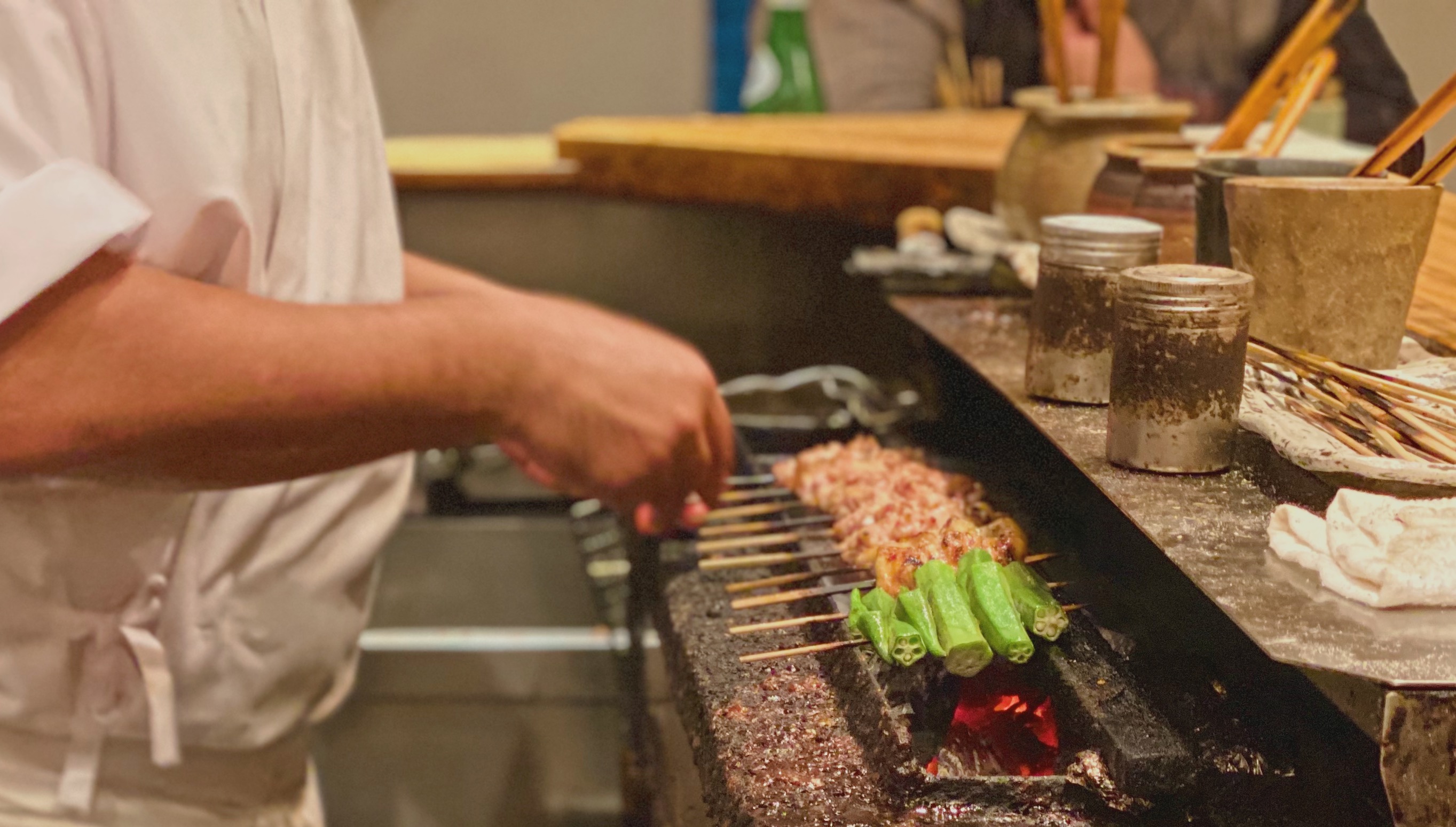
Best Wagyu Beef in Japan: Where to Eat Guide for the Ultimate Beef Experience
There is no food experience on Earth quite like eating authentic wagyu beef in Japan. If you’ve come across this best wagyu beef in Japan where to eat guide, you’re already on the right track — but let me be honest with you: after fifteen years of living here, exploring every corner of this country, and eating more wagyu than my doctor would probably approve of, I can tell you that what most tourists experience as “wagyu” barely scratches the surface. The real thing — sourced from the right region, prepared by the right hands, eaten in the right season — is a life-altering culinary moment. The fat literally dissolves on your tongue at body temperature, releasing a sweetness and umami depth that no other protein on the planet can match.
This guide goes beyond the obvious. I’ll walk you through the regional varieties, the best areas to seek out top-quality wagyu, exactly how to order with confidence, and practical tips that only someone who has lived here would know. Whether you’re budgeting carefully or ready to splurge on a once-in-a-lifetime A5 experience, I’ve got you covered.
The Food Explained: What Makes Japanese Wagyu Beef So Special
A Brief History
The word “wagyu” (和牛) simply means “Japanese cattle.” But there’s nothing simple about what that word represents. For centuries, cattle in Japan were used as draft animals for rice farming — eating beef was actually banned for much of Japan’s history under Buddhist influence. It wasn’t until the Meiji Restoration in 1868 that beef consumption became widespread, and the modern wagyu breeding programs began in earnest.
Four breeds make up the wagyu family: Japanese Black (Kuroge Washu), Japanese Brown (Akage Washu), Japanese Shorthorn (Nihon Tankaku), and Japanese Polled (Mukaku Washu). Japanese Black accounts for over 90% of all wagyu production and is responsible for the intensely marbled beef the world has come to worship.
The Grading System
Japanese wagyu is graded by the Japan Meat Grading Association (JMGA) on two scales:
- Yield grade (A, B, or C) — the ratio of usable meat to total carcass weight
- Quality grade (1 through 5) — based on marbling, color, firmness, and fat quality
A5 is the highest possible grade, with a BMS (Beef Marbling Standard) score ranging from 8 to 12. BMS 12 is the pinnacle — beef so richly marbled it looks like white lace with threads of ruby. But here’s something most tourists don’t realize: A4 wagyu is often more enjoyable for a full meal because it has a slightly more balanced meat-to-fat ratio. A5 is extraordinary but intensely rich — you may find yourself satisfied (or overwhelmed) after just a few slices.
Regional Variations: The “Brand Beef” System
Japan has over 300 regional brand beefs (銘柄牛 / meigara-gyu), each with its own certification standards, feeding protocols, and terroir. The most famous include:
- Kobe Beef (神戸ビーフ) — From Hyogo Prefecture’s Tajima cattle. The most internationally famous, with strict certification. Genuine Kobe beef never leaves Hyogo Prefecture uncertified.
- Matsusaka Beef (松阪牛) — From Mie Prefecture. Often called the “queen of wagyu.” Exclusively female virgin cattle, sometimes fed beer and given massages (yes, really — at some farms).
- Omi Beef (近江牛) — From Shiga Prefecture. Japan’s oldest brand beef, with over 400 years of history. Slightly sweet, exceptionally tender.
- Yonezawa Beef (米沢牛) — From Yamagata Prefecture. Raised in harsh winters that produce deep, complex marbling.
- Miyazaki Beef (宮崎牛) — From Miyazaki Prefecture in Kyushu. Multiple-time winner of the “Wagyu Olympics” (held every five years).
- Hida Beef (飛騨牛) — From Gifu Prefecture. Raised in the cold mountainous Hida region, known for a clean, elegant fat flavor.
- Saga Beef (佐賀牛) — From Saga Prefecture in Kyushu. Underrated but extraordinarily high quality.
Each brand has a distinct flavor profile shaped by the cattle’s genetics, diet, water source, climate, and stress levels. This is not marketing — the differences are genuinely perceptible.
Best Wagyu Beef in Japan: Where to Eat by Region
Finding the best wagyu beef in Japan where to eat guide recommendations that won’t steer you to tourist traps requires local knowledge. Here are the seven best areas to seek out genuinely outstanding wagyu, along with what to look for.
1. Kobe, Hyogo Prefecture — The Icon
Kobe’s Tor Road and Kitano-cho areas are packed with teppanyaki restaurants specializing in certified Kobe beef. The experience of watching a chef cook A5 Kobe beef on a gleaming iron griddle in front of you — seasoned with nothing but salt and wasabi — is iconic for good reason.
What to look for: Restaurants displaying the official Kobe Beef certification mark (a chrysanthemum-shaped logo) and a 10-digit traceability number. If they can’t show you the certificate, walk out.
Local tip: Sannomiya Station’s side streets have smaller, family-run teppanyaki spots with far better value than the famous establishments along the main tourist corridors. Lunch courses typically cost 30–50% less than dinner for the same quality beef.
2. Matsusaka, Mie Prefecture — The Connoisseur’s Choice
Matsusaka is a small, unassuming city that many tourists skip entirely — which is exactly why you should go. The area around Matsusaka Station has numerous yakiniku (grilled meat) and sukiyaki restaurants where Matsusaka beef is served at prices that would be unthinkable in Tokyo for the same grade.
What to look for: Sukiyaki is the traditional preparation here, and locals will tell you it’s the only way to truly appreciate Matsusaka beef’s extraordinarily fine-grained marbling. The fat melts into the sweet soy-based sauce, creating something transcendent.
Local tip: Visit the Matsusaka Beef Museum at the city’s cattle market to understand the auction and grading process. Some restaurants near the market serve beef that was purchased that same week.
3. Takayama, Gifu Prefecture — Mountain Wagyu
The historic old town of Takayama — with its Edo-period streets, morning markets, and sake breweries — is the perfect setting for Hida beef. The Sanmachi Suji (old town) district is where you’ll find everything from A5 Hida beef sushi (served on your hand like a precious jewel) to hearty hoba miso — beef grilled on a magnolia leaf with miso paste over a charcoal flame.
What to look for: Hida beef sushi stands along the old town streets offer two-piece nigiri for ¥600–1,000. It’s the best wagyu snack in Japan and an affordable way to taste premium beef.
Local tip: The morning markets (asa-ichi) at Miyagawa River sometimes have vendors selling Hida beef croquettes (korokke) for around ¥200–300. Arrive before 9 AM for the best selection.
4. Tokyo — The Megacity Smorgasbord
Tokyo isn’t the origin of any famous wagyu brand, but it’s where all of them converge. The city’s buying power means Tokyo restaurants can source the absolute top lots from every prefecture’s auctions.
Key areas:
- Ginza — High-end teppanyaki and steak houses, many with Michelin stars. Expect to pay premium prices.
- Shinjuku (west side and Kabukicho periphery) — Yakiniku restaurants offering excellent quality at more reasonable prices, especially the Korean-style yakiniku joints.
- Shibuya/Ebisu — A concentration of mid-range yakiniku and shabu-shabu spots popular with young Japanese professionals.
- Akihabara/Ueno area — Budget-friendly options including wagyu donburi (rice bowls) and standing-eat steak bars.
Local tip: Many top Tokyo yakiniku restaurants accept reservations only through Japanese booking platforms (Tabelog, Hot Pepper). Ask your hotel concierge to book for you — this is literally what they’re there for, and it opens doors that Google searches cannot.
5. Kyoto — Refined Wagyu Traditions
Kyoto is the birthplace of sukiyaki culture and home to some of Japan’s most elegant beef dining experiences. The Gion and Pontocho districts feature intimate restaurants where Omi beef (from neighboring Shiga Prefecture) and Kobe beef are prepared with centuries of culinary refinement.
What to look for: Kyoto-style sukiyaki differs from the Tokyo version — the meat is seared directly on the pan first, then sugar and soy sauce are added. It’s a drier, more caramelized style that showcases the beef’s natural sweetness.
Local tip: Nishiki Market has a few stalls selling wagyu on sticks (串 / kushi) for ¥500–1,500. These are perfect for a tasting snack while exploring, but don’t fill up — save your appetite for a proper sit-down meal.
6. Miyazaki City, Miyazaki Prefecture — The Olympic Champion
Miyazaki beef has won the “Wagyu Olympics” (全国和牛能力共進会) multiple times, yet the city sees a fraction of the tourists that Kobe attracts. The area around Miyazaki Station and the Nishi-Tachibana-dori entertainment district is lined with yakiniku restaurants and charcoal-grilled steak houses serving award-winning beef at what can only be described as embarrassingly low prices compared to Tokyo or Kobe.
What to look for: Miyazaki’s specialty preparation is charcoal-grilled (sumibi-yaki) steak, which gives the beef a subtle smokiness that complements the rich marbling beautifully.
Local tip: Combine your Miyazaki beef trip with the local chicken specialty, chicken nanban (fried chicken with tartar sauce). Miyazaki is one of Japan’s great food cities, and almost nobody outside Japan knows this.
7. Yonezawa, Yamagata Prefecture — The Hidden Gem
Deep in the snowy mountains of Yamagata, Yonezawa is one of Japan’s three great wagyu regions alongside Kobe and Matsusaka. The streets around Yonezawa Station have a handful of restaurants that have been serving Yonezawa beef for generations, often in sukiyaki or shabu-shabu style.
What to look for: Yonezawa beef raised through harsh Tohoku winters develops an exceptionally complex fat composition with a slightly nutty, sweet finish that’s distinct from western Japan’s wagyu brands.
Local tip: Yonezawa is also famous for its ramen. A perfect Yonezawa day: wagyu sukiyaki for lunch, explore Uesugi Shrine, then finish with a bowl of curly-noodle Yonezawa ramen for a late snack.
Best Time to Visit for the Best Wagyu Beef Quality
While wagyu is available year-round, quality and experience vary by season. Here’s your month-by-month breakdown:
| Season | Months | Notes |
|---|---|---|
| Winter | December – February | Peak season. Cattle put on the most intramuscular fat during cold months. Sukiyaki and shabu-shabu — warming hot-pot preparations — are at their most appealing. The best auction lots typically appear in December. |
| Spring | March – May | Excellent quality. Cherry blossom season (late March – mid April) makes combining wagyu meals with hanami unforgettable. Lighter preparations like shabu-shabu and beef tataki feel perfect. |
| Summer | June – August | Still delicious, but the richness of A5 wagyu can feel heavy in Japan’s brutal humidity. Yakiniku (grilled at your table) works well. Some restaurants offer cold shabu-shabu (rei-shabu) — chilled sliced wagyu with ponzu. |
| Autumn | September – November | Outstanding. The heat breaks, appetites return, and cattle begin their winter fattening. November’s “Shichi-Go-San” season coincides with new rice harvests — wagyu over freshly harvested new-crop rice is a sublime pairing. |
My personal recommendation: Visit in late November through early December for the convergence of peak beef quality, autumn foliage (especially in Kyoto and Takayama), and the emotional warmth of the approaching holiday season.
How to Order and Eat Wagyu Beef: A First-Timer’s Practical Guide
Preparation Styles
- Teppanyaki (鉄板焼き) — Chef grills on a flat iron griddle in front of you. The most theatrical and tourist-friendly style. Best for steak cuts (sirloin, tenderloin, ribeye).
- Yakiniku (焼肉) — You grill bite-sized pieces yourself over charcoal or gas at your table. The most fun and interactive. Great for tasting multiple cuts.
- Sukiyaki (すき焼き) — Thin-sliced beef simmered in a sweet soy broth with vegetables, then dipped in raw beaten egg. The most traditional. Best for experiencing the full sweetness of wagyu fat.
- Shabu-shabu (しゃぶしゃぶ) — Paper-thin beef swished briefly in hot dashi broth, then dipped in ponzu or sesame sauce. The purest, lightest way to taste beef quality.
- Steak (ステーキ) — Western-style preparation, but Japanese portions are smaller (100–200g), and the focus is on quality over quantity.
- Beef sushi/sashimi — Raw or lightly seared wagyu atop vinegared rice. Showcases the beef’s natural flavor with zero interference.
Ordering Tips
- Learn the cuts: “サーロイン” (sa-ro-in / sirloin), “ヒレ” (hire / tenderloin/filet), “リブロース” (ribu-rosu / ribeye), “カルビ” (karubi / short rib), “ハラミ” (harami / skirt steak), “タン” (tan / tongue).
- Course meals (コース / kosu) are almost always better value than ordering à la carte. A typical course includes appetizer, salad, multiple cuts, rice, soup, and dessert.
- Specify your preferred doneness: “レア” (rea / rare), “ミディアムレア” (midiam rea / medium-rare), or “ミディアム” (midiam / medium). For A5, medium-rare is ideal — it renders enough fat to be silky without losing the interior’s luxurious texture.
- Don’t drown wagyu in sauce. Top-quality wagyu needs only salt, a touch of wasabi, or a squeeze of yuzu. If a restaurant serves A5 beef with steak sauce, that’s a red flag.
- Eat slowly. A5 wagyu is extraordinarily rich. Start with leaner cuts if you’re doing yakiniku, then progress to fattier ones. Your stomach will thank you.
How Much to Order
This surprises many Western visitors: 100–150 grams of A5 wagyu is a full, satisfying portion. The richness is so intense that 200g can feel like eating an entire steak back home. For yakiniku, 150–200g total across multiple cuts is ideal for one person.
Best Wagyu Beef in Japan: Price Guide
Understanding pricing helps you plan and avoid overpaying.
Budget (¥1,500 – ¥4,000 / ~$10–27)
- Wagyu beef bowls (gyudon/wagyu-don) at specialty shops
- Hida beef sushi from street stalls in Takayama (¥600–1,000 for 2 pieces)
- Wagyu croquettes and menchi-katsu (ground wagyu cutlets) at markets
- Lunch sets at yakiniku restaurants (many offer ¥2,000–3,500 lunch courses with A4 wagyu)
- Standing steak bars in Tokyo (Shibuya, Akihabara)
Mid-Range (¥5,000 – ¥15,000 / ~$34–100)
- Full yakiniku dinner with multiple cuts including some A5 pieces
- Sukiyaki or shabu-shabu courses at dedicated restaurants
- Lunch teppanyaki courses in Kobe (often ¥6,000–10,000 for genuine certified Kobe beef)
- Regional restaurants in Matsusaka, Miyazaki, or Yonezawa (where prices are 40–60% lower than Tokyo for equivalent quality)
Splurge (¥15,000 – ¥50,000+ / ~$100–340+)
- Dinner teppanyaki courses at top-tier Kobe or Tokyo restaurants
- Full A5 BMS 11-12 steak dinner with wine pairing
- Michelin-starred wagyu-focused restaurants in Ginza or Kyoto
- Private-room kaiseki courses featuring wagyu as the centerpiece
Money-saving secret: Almost every high-end wagyu restaurant in Japan offers a lunch course that uses the same beef as dinner but at 40–60% of the price. Always check the lunch menu. A ¥25,000 dinner experience might be available for ¥10,000–12,000 at noon with slightly smaller portions.
Nearby Sights to Combine with Your Wagyu Food Trip
One of the joys of a wagyu-focused trip is that the best beef regions coincide with some of Japan’s most beautiful destinations.
Kobe + Himeji + Arima Onsen
After your Kobe beef lunch, take the 40-minute train to Himeji Castle — Japan’s most magnificent original castle and a UNESCO World Heritage Site. Then head to Arima Onsen, one of Japan’s oldest hot spring towns (30 minutes from Kobe), where you can soak in golden “kinsen” waters and sleep off your wagyu coma.
Matsusaka + Ise Grand Shrine + Toba
Matsusaka is just 30 minutes from Ise Grand Shrine (Ise Jingu), Japan’s most sacred Shinto site. The traditional Okage Yokocho street outside the shrine is a food paradise. Continue to Toba for the Mikimoto Pearl Island and the ama free-diving fisherwomen’s fresh seafood.
Takayama + Shirakawa-go + Kamikochi
Hida beef in Takayama pairs perfectly with a day trip to the UNESCO-listed Shirakawa-go thatched-roof village (50 minutes by bus). In summer and early autumn, the Kamikochi alpine valley offers world-class hiking.
Miyazaki + Takachiho Gorge + Aoshima
Miyazaki beef plus Takachiho Gorge — a mystical ravine with rowboat rides through volcanic cliffs — is an unforgettable combination. Add Aoshima Island with its “Devil’s Washboard” rock formations and subtropical gardens.
Yonezawa + Zao Onsen + Ginzan Onsen
After Yonezawa beef, head to Zao Onsen for skiing (winter) or the volcanic crater lake (summer), or visit Ginzan Onsen — the atmospheric hot spring town said to have inspired Spirited Away’s bathhouse.
Getting There and Around
By Bullet Train (Shinkansen)
- Tokyo to Kobe: ~2 hours 40 minutes (Tokaido-Sanyo Shinkansen)
- Tokyo to Kyoto: ~2 hours 15 minutes
- Tokyo to Takayama: ~4 hours (Shinkansen to Nagoya, then JR Hida limited express)
- Tokyo to Yonezawa: ~2 hours 10 minutes (Yamagata Shinkansen)
- Tokyo to Miyazaki: ~6 hours by train, or 1 hour 40 minutes by flight (recommended)
- Tokyo to Matsusaka: ~3 hours (Shinkansen to Nagoya, then Kintetsu limited express)
Japan Rail Pass
A 7- or 14-day Japan Rail Pass covers most of these routes and pays for itself quickly if you’re visiting multiple wagyu regions. Purchase before arriving in Japan for the best rates.
Getting Around Locally
Most wagyu restaurant districts are within walking distance of major train stations. In Kobe, Kyoto, and Tokyo, subway systems make navigation effortless. For Takayama and Miyazaki, the central areas are compact and walkable. Matsusaka and Yonezawa are small cities where everything is close to the station.
Practical tip: Download the Tabelog app (Japan’s most trusted restaurant review platform — far more reliable than Google reviews for Japanese food). Filter by area, cuisine type (焼肉 for yakiniku, ステーキ for steak, すき焼き for sukiyaki), and budget. A rating of 3.5+ on Tabelog indicates genuinely good quality; 3.7+ is exceptional.
Where to Stay
Kobe
Stay near Sannomiya or Motomachi stations for the best access to the beef restaurant district and nightlife. Hotels in this area range from business hotels (¥8,000–12,000/night) to luxury options.
Takayama
The traditional ryokan (Japanese inns) near the old town offer an incredible experience — many serve Hida beef as part of their multi-course kaiseki dinner. Booking a ryokan with dinner included is one of the best ways to experience premium wagyu in an intimate setting.
Tokyo
For a wagyu-focused stay, Ginza or Ebisu put you within walking distance of the highest concentration of top-quality beef restaurants.
Kyoto
Gion or Kawaramachi area for the classic experience — teppanyaki or sukiyaki restaurants are steps from your hotel.
Ready to plan your trip? Book your accommodation early, especially during cherry blossom season (late March – mid April) and autumn foliage (mid-November – early December), when the best hotels sell out months in advance. Compare rates on major booking platforms and look for properties that include dinner options featuring local wagyu.
Local Tips: Things Only Residents Know
-
The “wagyu” sold at tourist-heavy spots near major temples and shrines is often not genuine brand beef. It may be labeled “国産牛” (kokusan-gyu / domestic beef) rather than “和牛” (wagyu). Domestic beef can come from dairy cows and is dramatically inferior. Always confirm you’re getting 和牛.
-
Authentic Kobe beef restaurants are listed on the official Kobe Beef Association website (kobe-niku.jp). If a restaurant isn’t on that list, they aren’t serving certified Kobe beef, no matter what their English sign says.
-
Tuesday and Wednesday are the best days to dine at popular wagyu restaurants — weekend waits can exceed 90 minutes at famous spots, but midweek you can often walk in.
-
Department store basement floors (depachika) in Tokyo, Osaka, and Kyoto sell A5 wagyu steaks and sukiyaki sets to take back to your Airbnb or hotel kitchenette. Prices are retail, not restaurant-markup. A 200g A5 sirloin steak might cost ¥4,000–8,000 to cook yourself versus ¥15,000+ at a restaurant.
-
Japanese people rarely eat more than 100–150g of wagyu at a time. If a restaurant is pushing 300g+ “wagyu steak sets” to tourists, it’s a red flag for quality and value.
-
The word “wagyu” is not legally protected outside Japan. But inside Japan, labeling laws are extremely strict. Every cut of genuine wagyu sold in Japan has a 10-digit traceability number linked to the individual cow, its birthplace, breed, and processing facility. You can verify it online at the National Livestock Breeding Center’s website.
-
If you have dietary restrictions or allergies, print them in Japanese before your trip. Many dedicated wagyu restaurants are small operations without English menus. The phrase “牛肉以外にアレルギーはありません” means “I have no allergies other than beef” — useful for ensuring side dishes are safe. Prepare specific allergy cards at japaneseallergycard.com or similar services.
FAQ: Best Wagyu Beef in Japan Where to Eat Guide
1. Is Kobe beef really the best wagyu in Japan?
Kobe beef is the most famous wagyu internationally, but many Japanese food critics and chefs actually prefer Matsusaka, Omi, or Miyazaki beef. Kobe’s fame is partly due to its port city history and early exposure to Western visitors. All top-tier brand beefs at A5 grade are extraordinary — the differences come down to subtle flavor profiles and personal preference. I’d encourage you to try at least two different regional brands during your trip.
2. How can I tell if a restaurant is serving real wagyu?
Look for these markers: the kanji 和牛 (wagyu) on the menu (not 国産牛 / domestic beef), a displayed certificate or traceability number, and a specific brand name (Kobe, Matsusaka, etc.). Restaurants that are proud of their sourcing will display certificates prominently. If the price seems too good to be true for “A5 wagyu” — say, under ¥2,000 for a full steak dinner — it almost certainly isn’t genuine.
3. How much should I budget for a wagyu meal?
For a genuine, satisfying wagyu experience: budget ¥3,000–5,000 for a good lunch course, ¥8,000–15,000 for a solid dinner, and ¥20,000–50,000+ for a top-tier teppanyaki or Michelin-level dinner. You can taste excellent wagyu for as little as ¥1,000–2,000 through beef sushi, croquettes, or rice bowls — these are not lesser experiences, just different formats.
4. Do I need reservations?
For mid-range and higher restaurants, yes — especially on weekends and during tourist seasons. Many top restaurants require reservations days or weeks in advance. Your hotel concierge can make Japanese-language reservations for you, or use the Tabelog/Hot Pepper booking systems. Some high-end Ginza restaurants only accept reservations through hotel concierge services.
5. Is wagyu safe to eat rare or raw?
Yes. Japan’s food safety standards for beef are among the strictest in the world. Wagyu sashimi (raw) and tataki (seared outside, raw inside) are commonly served at reputable restaurants and are perfectly safe. The beef is handled under rigorous hygiene protocols. That said, if you have a compromised immune system, consult your doctor as you would with any raw protein.
6. Can I bring wagyu beef home from Japan?
This depends entirely on your home country’s customs regulations. The United States, Australia, the EU, and most other countries prohibit importing fresh or frozen meat products. Processed, sealed beef products (like wagyu jerky or retort curry) may be allowed, but check your country’s customs website before purchasing. Some airports sell vacuum-sealed wagyu in international departure areas, but it can still be confiscated at your destination.
7. Is “American wagyu” or “Australian wagyu” the same as Japanese wagyu?
No. While these products come from cattle with some Japanese genetics, the breeds, feeding protocols, grading standards, and results are fundamentally different. Japanese wagyu graded A5 has marbling levels that simply don’t exist in other countries' production systems. This isn’t snobbery — it’s biology and decades of specialized animal husbandry. Tasting genuine Japanese A5 wagyu next to even the best international wagyu makes the difference immediately obvious.
Final Thoughts
Seeking out the best wagyu beef in Japan is more than a food quest — it’s a journey into Japanese culture, craftsmanship, and the deep connection between land, animal, and artisan. Every region has its pride, every chef has their philosophy, and every bite tells a story of generations of dedication.
My strongest advice: don’t concentrate all your wagyu budget on a single blowout meal. Spread it across multiple experiences — a casual Hida beef sushi in Takayama, a midday sukiyaki in Matsusaka, a teppanyaki dinner in Kobe, a yakiniku night in Tokyo. Each style reveals a different dimension of this extraordinary ingredient, and together, they’ll give you a wagyu education that no single meal ever could.
Your stomach (and your memories) will thank you.