Hiroshima Okonomiyaki Best Restaurants Locals Guide: The Definitive Insider’s Manual to Hiroshima-Style Okonomiyaki
Introduction: Why Hiroshima Okonomiyaki Is Worth the Trip
If you’ve only ever tried okonomiyaki in Osaka, you haven’t truly experienced this dish. I say that not to start a rivalry — well, maybe a little — but because Hiroshima okonomiyaki is a fundamentally different creation, and understanding why requires sitting at a teppan (iron griddle) in Hiroshima and watching a master build one from scratch. This Hiroshima okonomiyaki best restaurants locals guide is the culmination of 15 years of living in Japan, dozens of trips to Hiroshima, and countless conversations with the people who make and eat this dish daily.
Hiroshima’s relationship with okonomiyaki is deeply personal. In the years following the atomic bombing in 1945, the city rebuilt itself from nothing. Small okonomiyaki stalls — cheap, filling, nourishing — became lifelines for a devastated population. Today, Hiroshima has over 2,000 okonomiyaki shops, more per capita than any other city in Japan. That’s not a tourism statistic. It’s a reflection of how deeply this dish is woven into the city’s identity, its recovery, and its daily life.
What makes the Hiroshima version special? It’s layered, not mixed. Thin crepe-like batter, mountains of shredded cabbage, bean sprouts, pork belly, yakisoba noodles, and a fried egg are stacked with precision and patience. The result is a towering, complex creation where each ingredient retains its own texture while contributing to a unified whole. It’s architecture on a griddle.
Whether you’re visiting the Peace Memorial Park, catching a ferry to Miyajima, or just passing through on a Shinkansen journey, eating okonomiyaki in Hiroshima isn’t optional. It’s the reason to linger.
The Food Explained: History, Regional Variations, and What Makes Hiroshima-Style Authentic
A Dish Born from Rebuilding
Okonomiyaki’s roots trace back to pre-war crepe-like snacks called issen yoshoku — simple flour-and-water pancakes topped with green onions and dried shrimp, sold for one sen (a tiny fraction of a yen). After the war, as Hiroshima rebuilt, these evolved into heartier meals. Ingredients were scarce, but cabbage was plentiful and cheap. Vendors working from small pushcarts and makeshift stalls began layering whatever they could find: cabbage, scraps of pork, noodles salvaged from nearby factories. The layered construction wasn’t a culinary philosophy — it was practical necessity. You built upward because you had a small griddle and a lot of hungry people.
By the 1950s and 60s, as Hiroshima’s economy recovered, dedicated okonomiyaki shops began appearing. Many were clustered in food halls and market buildings, creating the okonomiyaki village concept that still defines the city’s eating culture today.
Hiroshima-Style vs. Osaka-Style: The Real Difference
The distinction matters, and getting it wrong in Hiroshima is a minor social faux pas.
Osaka-style (Kansai-style): All ingredients — batter, cabbage, tenkasu (tempura scraps), egg, protein — are mixed together in a bowl, then poured onto the griddle as a thick pancake. It’s delicious. It’s also not what you’re here for.
Hiroshima-style: Each component is cooked separately and layered in a specific order:
- A thin crepe of batter spread across the griddle
- A massive mound of shredded cabbage (which cooks down dramatically)
- Bean sprouts (moyashi)
- Thinly sliced pork belly
- The whole stack is flipped
- Yakisoba noodles (or sometimes udon) are cooked separately on the griddle, then placed underneath the stack
- A fried egg is cracked and spread thin
- The entire layered tower is placed on top of the egg
- Finished with otafuku sauce, sometimes mayonnaise, green onions, and aonori (seaweed flakes)
The result is about 5-6 centimeters tall and weighs substantially more than it looks. The cabbage becomes sweet and almost melting. The noodles get slightly crispy on the bottom. The egg holds everything together. Every bite is texturally different from the last.
What Makes It Authentic
A few non-negotiable markers of a proper Hiroshima okonomiyaki:
- The cabbage should be the star. A standard serving uses a staggering amount of raw cabbage — usually a full handful that looks impossible to contain — which steams and collapses during cooking. If the finished product looks thin or noodle-heavy, something’s off.
- Otafuku sauce. This Hiroshima-based company makes the sweet, thick, fruity brown sauce that defines the flavor. It’s sweeter and more complex than standard okonomiyaki sauce. Otafuku is headquartered right here in Hiroshima, and using another brand would be borderline treason.
- The noodles matter. Most shops use fresh yakisoba noodles made locally. Some shops offer a choice between soba (Chinese-style wheat noodles) and udon. The classic choice is soba. The noodles should have some caramelization and slight crunch from the griddle.
- It’s cooked in front of you. Authenticity means watching the cook build your okonomiyaki on a large flat teppan, ideally while you sit at the counter. Pre-assembled or kitchen-cooked versions exist, but they miss the point.
Popular Variations and Add-Ons
Once you’ve mastered the basic version, explore these common additions:
- Cheese (chiizu): Melted into the layers, decadent and popular
- Mochi (omochi): Small rice cakes that become stretchy and gooey
- Squid (ika): Common addition or substitution for pork
- Oyster (kaki): A Hiroshima specialty, especially in winter (more on this below)
- Green onion (negi): Extra scallions piled on top, known as negi-yaki style
- Double noodles (daburu): Twice the noodles for serious appetites
- Spicy men (karamen): Spicy noodle variation available at some shops
Best Places to Eat: Districts and Areas for the Best Hiroshima Okonomiyaki
Rather than naming specific restaurants — which open, close, and change quality with alarming regularity — here are the areas and types of venues where you’ll find the most reliable and authentic Hiroshima okonomiyaki. This is how locals actually navigate the city’s 2,000+ shops.
1. Okonomimura (Okonomiyaki Village) — Shintenchi, Central Hiroshima
This is the most famous okonomiyaki destination in Hiroshima, and despite what some cynical travelers claim, it’s not a tourist trap. Okonomimura is a multi-story building containing roughly 24 small okonomiyaki stalls, each independently operated. The concept dates back to a post-war collection of food stalls that was formalized into a building in 1965 and relocated to its current Shintenchi location in 1992.
Why locals still go: The competition between stalls keeps quality high. Each shop has 8-12 counter seats around a teppan, creating an intimate atmosphere. Many of the cooks have been working their griddles for decades. The best strategy is to walk each floor, observe who’s cooking with confidence and care, and sit where your instinct tells you. Avoid the handful of stalls with aggressive English touts — the best places don’t need to recruit from the hallway.
Best for: First-time visitors, solo travelers (counter seating is ideal), comparing multiple styles in one visit.
2. Hiroshima Okonomimono Hiroba (Ekimae Hiroba) — Near Hiroshima Station
Located in the building complex near the south exit of Hiroshima Station, this food court contains around 13 okonomiyaki shops. It’s less famous than Okonomimura but arguably more convenient and slightly less crowded.
Why locals appreciate it: It’s the go-to for a quick okonomiyaki before or after catching the Shinkansen. The shops here cater to regular commuters and Hiroshima residents, not just tourists. Lines can be shorter than Okonomimura, especially on weekdays. The quality across shops is consistently solid — you’re unlikely to have a bad experience.
Best for: Travelers with limited time, those arriving by Shinkansen who want okonomiyaki immediately.
3. The Backstreets of Nagarekawa and Shintenchi — Central Entertainment District
Nagarekawa is Hiroshima’s main nightlife and entertainment district, and it’s riddled with small, independent okonomiyaki shops tucked between bars, izakayas, and karaoke joints. This is where Hiroshima’s office workers go after a few drinks — and late-night okonomiyaki after beer is one of the city’s great pleasures.
Why locals love it: These standalone shops often have a single cook who has been making okonomiyaki for 20-30 years. The atmosphere is less polished and more authentically local. You might be the only non-Japanese customer, and that’s part of the charm. Shops with handwritten menus, worn counter tops, and a line of three or four salarymen waiting outside are generally excellent bets.
Best for: Evening/late-night eating, adventurous travelers, those who want the most “local” experience.
4. Yokogawa Area — West of Central Hiroshima
Yokogawa is a residential and commercial neighborhood about two stops west of Hiroshima Station on the JR Sanyo Line. The covered shopping arcade (shotengai) near Yokogawa Station has several well-regarded okonomiyaki shops that cater almost entirely to neighborhood regulars.
Why locals swear by it: No tourists. None. The shops here have cultivated loyal followings over decades, and they have zero incentive to cut corners. Prices tend to be slightly lower than central Hiroshima. The Yokogawa shotengai also has excellent small bakeries, fish shops, and cafes, making it a wonderful half-day food exploration.
Best for: Repeat visitors to Hiroshima, travelers seeking off-the-beaten-path experiences, budget-conscious eaters.
5. Hondori Shopping Arcade and Surrounding Streets — Central Hiroshima
Hondori is Hiroshima’s main covered shopping street, running east-west through the city center. On the side streets branching off Hondori, you’ll find dozens of independent okonomiyaki shops. Some have been operating since the 1950s and 60s, predating the organized food halls.
Why it works: Hondori is where you’ll naturally be walking between the Peace Memorial Park and the Shintenchi/Nagarekawa area. Ducking into a side-street okonomiyaki shop mid-sightseeing is the most natural way to eat in Hiroshima. Look for shops with counters facing the griddle and a visible cook — avoid places where the cooking happens out of sight.
Best for: Combining sightseeing with eating, lunchtime okonomiyaki.
6. Miyajimaguchi — Near Miyajima Ferry Terminal
If you’re making the essential day trip to Miyajima (Itsukushima Shrine), the ferry terminal area in Miyajimaguchi has a handful of okonomiyaki shops. These cater to a mix of tourists and locals commuting to the island.
Why it’s worth noting: Eating okonomiyaki before or after your Miyajima visit is excellent trip planning. The shops here aren’t as numerous, but several have strong reputations. On Miyajima island itself, you’ll find a few okonomiyaki options along the main shopping street, though these tend to be pricier and more tourist-oriented.
Best for: Combining with Miyajima sightseeing, pre-ferry fuel.
7. Residential Neighborhoods — Fuchu-cho, Koi, Ujina
For the truly committed, Hiroshima’s residential neighborhoods hide some of the city’s best okonomiyaki. Fuchu-cho, east of central Hiroshima, has its own sub-style called Fuchu-yaki, which uses minced pork instead of sliced pork belly, creating a crispier, more savory result. Koi and Ujina are quiet neighborhoods where family-run shops have been serving the same community for generations.
Why locals know these: Because they live there. These shops have no English menus, no online presence, and no interest in Trip Advisor rankings. Finding them requires wandering, asking at your hotel, or sheer luck. But the payoff — a ¥750 okonomiyaki cooked by a 70-year-old grandmother who has made thousands of them — is unbeatable.
Best for: Japanese speakers, long-stay visitors, serious food explorers.
When to Visit for the Best Okonomiyaki Experience
Okonomiyaki is a year-round dish, which is part of its beauty. However, the Hiroshima experience changes meaningfully with the seasons.
Month-by-Month Breakdown
January–February: Peak oyster season. Hiroshima produces roughly 60% of Japan’s oysters, and winter oyster okonomiyaki (kaki-iri okonomiyaki) is a seasonal luxury you cannot get anywhere else. The oysters are plump, briny, and extraordinary when cooked into the layers. The city is cold and uncrowded — an excellent time to visit. Pair your okonomiyaki with a hot cup of amazake (sweet fermented rice drink) from a street vendor.
March–April: Cherry blossom season arrives in Hiroshima around March 25–April 5, slightly earlier than Kyoto. The Peace Memorial Park is stunning with blossoms. Okonomiyaki shops are busier as tourism increases, but the spring cabbage (haru kyabetsu) coming into season is sweeter and more tender, noticeably improving the dish. Spring is arguably the best time for cabbage quality.
May–June: Pleasant weather, manageable crowds. Fresh green onions are at peak quality, making negi-heavy variations particularly good. June brings the rainy season (tsuyu), which thins crowds further. Ducking into a warm okonomiyaki shop during a rain shower is deeply satisfying.
July–August: Hot and humid. Hiroshima’s Peace Memorial Ceremony on August 6 draws visitors from around the world. Okonomiyaki shops are air-conditioned, but sitting next to a blazing teppan in August heat is intense. Some shops offer lighter variations or cold beer specials to compensate. This is peak tourism season for the city.
September–October: Typhoon season can disrupt travel, but October is glorious — comfortable temperatures, autumn light, and the food scene transitioning to heartier flavors. Oyster season begins in late October/early November. Momiji (autumn foliage) on Miyajima typically peaks in mid-to-late November but begins showing color in late October.
November–December: The sweet spot for serious food travelers. Oysters are in full swing. Autumn cabbage is dense and flavorful. The momiji on Miyajima peaks around November 15–25. December brings Christmas illuminations along Hondori and a cozy atmosphere in the okonomiyaki shops. This is my favorite time to eat in Hiroshima.
How to Order and Eat Hiroshima Okonomiyaki: A First-Timer’s Guide
Arriving and Seating
Most okonomiyaki shops in Hiroshima have counter seating around the teppan and sometimes a few tables. Counter seats are preferable — you’ll watch the cook work, and your finished okonomiyaki will be served directly onto the hot surface in front of you.
In busy spots like Okonomimura, you may need to wait. Lines of 15-20 minutes are common at popular stalls during lunch (11:30 AM–1:30 PM) and dinner (6:00–8:00 PM). Going at 2:00 PM or after 8:30 PM usually means no wait.
Reading the Menu
Most shops have picture menus, and many in central Hiroshima have English translations. Here’s what you need to know:
- 基本 / 肉玉そば (niku-tama soba): The standard. Pork, egg, and soba noodles. This is what you order your first time. Always.
- 肉玉うどん (niku-tama udon): Same but with udon noodles instead of soba. Chewier, thicker.
- スペシャル (supesharu): The shop’s premium version, usually with added squid, shrimp, and/or cheese.
- 牡蠣入り (kaki-iri): With oysters. Available roughly November–March.
- チーズ (chiizu): Cheese added.
- もち (mochi): Rice cake added.
- ダブル (daburu): Double noodles.
- ねぎかけ (negi-kake): Topped with extra green onions.
Sizing
Standard portions are filling for one person. “Large” or double-noodle options are for very hungry eaters. Don’t over-order — a standard niku-tama soba plus a beer is a complete, satisfying meal.
How to Eat
If seated at the counter: Your okonomiyaki will be served directly on the teppan surface in front of you (or on a small metal plate on the teppan). You eat it with a small metal spatula called a kote (also called hera). Cut pieces from the edge and eat directly from the spatula. Do not try to pick up pieces with chopsticks — they’ll fall apart and you’ll look like a tourist cliché.
If seated at a table: It arrives on a plate, pre-cut or with a spatula for cutting. Chopsticks are fine here.
Important local custom: Do NOT ask for mayonnaise unless you genuinely want it. Many Hiroshima purists consider otafuku sauce sufficient. Requesting ketchup is an act of war. If mayo is offered as a topping option, it’s up to you — but try your first bite without it.
Drinks
Beer is the classic pairing. Hiroshima has no dominant local beer brand, but Kirin or Asahi draft is standard. Some shops carry local craft options.
Highball (whisky and soda) is increasingly popular and cuts through the richness nicely.
Lemon sour (lemon sawa) — Hiroshima’s Setouchi region is Japan’s top lemon producer. A lemon sour in Hiroshima uses real, local lemons and is exceptional.
Price Guide
Hiroshima okonomiyaki is one of Japan’s great food bargains.
Budget (¥700–¥1,000 / $5–$7)
A basic niku-tama soba at a neighborhood shop or food hall. This is a full, satisfying meal. Many locals eat at this price point regularly.
Mid-Range (¥1,000–¥1,500 / $7–$10)
A standard okonomiyaki with one or two premium toppings (cheese, extra seafood), or the “special” at most shops. Add a beer (¥500–¥600) and you’re looking at about ¥1,500–¥2,000 for a complete dinner.
Splurge (¥1,500–¥2,500 / $10–$17)
The premium oyster okonomiyaki in season, loaded with 4-5 large oysters, at a well-regarded shop. Or a deluxe version with multiple premium toppings plus drinks. Even “splurging” on okonomiyaki rarely exceeds ¥3,000 per person including drinks.
Tipping: Not necessary or expected in Japan. Ever.
What Else to Eat in Hiroshima
While okonomiyaki is the headliner, Hiroshima’s food scene extends well beyond:
- Hiroshima-style tsukemen: Cold dipping ramen with a spicy sesame-based sauce. A local specialty you won’t find elsewhere.
- Oysters (kaki): Grilled, fried, raw, in hot pot — Hiroshima’s oysters are a must from November to March. The Miyajima ferry terminal area and the stalls on Miyajima’s main street sell grilled oysters for ¥200–¥500.
- Anago (conger eel): Miyajima’s specialty. Served over rice (anago meshi) in lacquered boxes near the ferry terminal and on the island. Different from unagi — lighter, more delicate.
- Momiji manju: Maple-leaf-shaped cakes filled with red bean paste, custard, chocolate, or cream. Hiroshima’s signature souvenir sweet. Fresh-fried versions (age momiji) on Miyajima are transcendent.
- Setouchi lemons: Hiroshima Prefecture’s lemons appear in everything from cakes to ramen to cocktails. Seek out lemon-flavored treats everywhere.
- Hiroshima-style tantanmen: A local take on Sichuan-style noodles, with a lighter broth than the Sichuan original.
Nearby Sights to Combine with Your Okonomiyaki Trip
Hiroshima is a deeply meaningful city with enough to fill 2-3 days. Here’s how to structure your time around meals:
Hiroshima Peace Memorial Park and Museum
The emotional heart of the city. Budget 2-3 hours for the museum (arrive when it opens to avoid crowds; current hours are 8:30 AM). The park, the A-Bomb Dome, the cenotaph, and the Children’s Peace Monument deserve unhurried attention. Head to Hondori or Okonomimura for okonomiyaki afterward — the 10-15 minute walk gives you time to process.
Miyajima (Itsukushima Shrine)
One of Japan’s most iconic sights. The “floating” torii gate, the shrine, Mount Misen, and the friendly deer make this an essential day trip. The ferry from Miyajimaguchi takes 10 minutes and is covered by the JR Pass. Plan to eat anago meshi or grilled oysters on the island, and save your okonomiyaki for dinner back in central Hiroshima.
Shukkeien Garden
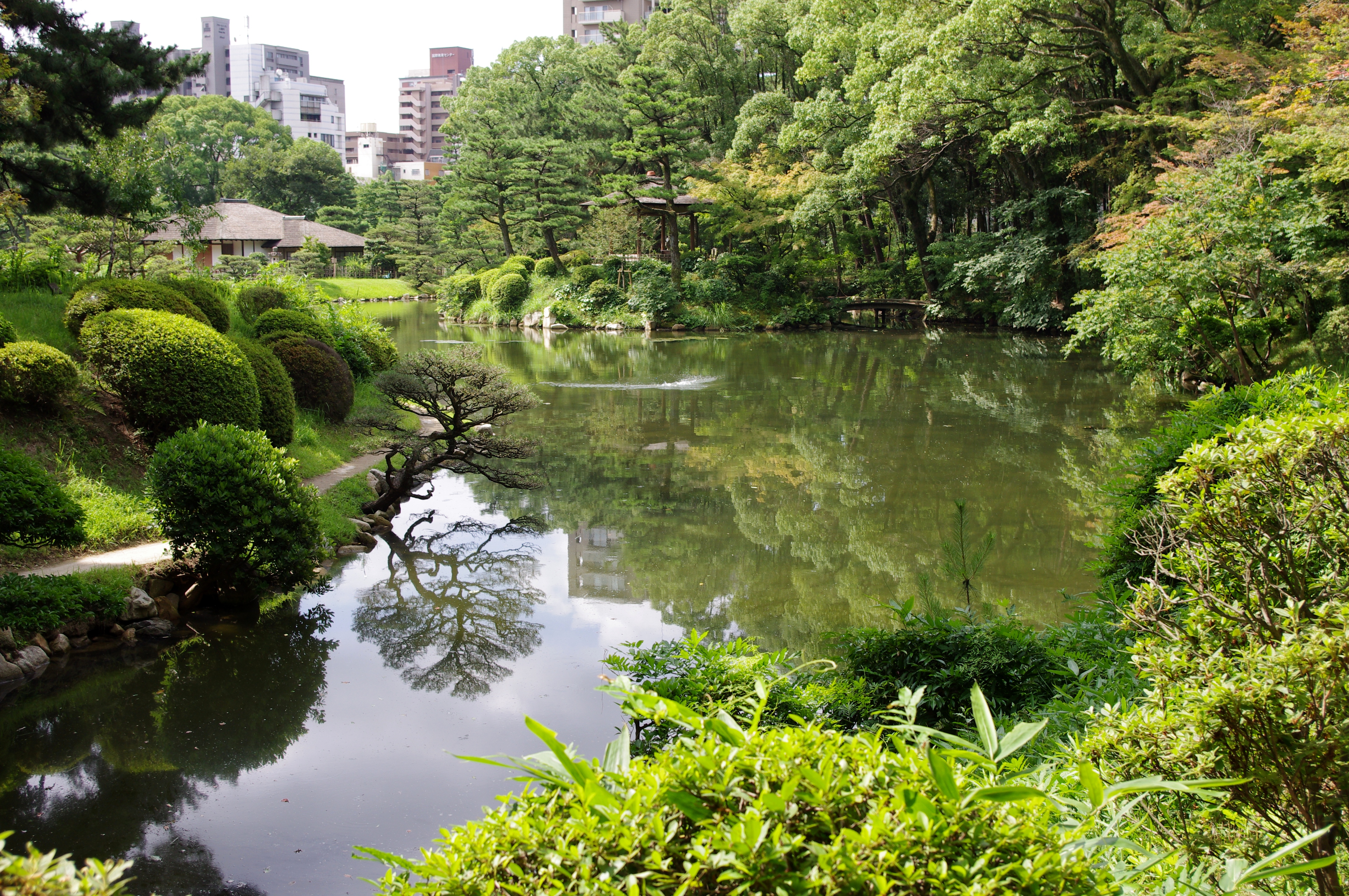
A beautiful 17th-century Japanese garden in central Hiroshima, just east of the castle. Stunning in every season — plum blossoms in February, cherry blossoms in spring, irises in June, autumn foliage in November. A peaceful complement to the emotional weight of the Peace Park. Several excellent okonomiyaki shops are within walking distance.
Hiroshima Castle
Reconstructed after the war, Hiroshima Castle houses a history museum inside its keep. The surrounding moat and park are beautiful, especially during cherry blossom season. Not a must-visit if time is limited, but a pleasant 30-minute stop.
Onomichi (Day Trip)
About 90 minutes east by train, this hillside port city is famous for its temple walks, cat-themed alleys, and exceptional ramen (Onomichi ramen with pork back fat). It’s a wonderful day trip that offers a completely different pace from Hiroshima.
Rabbit Island (Ōkunoshima)
About 2 hours from Hiroshima, this small island is inhabited by hundreds of friendly wild rabbits. Surreal and delightful. Combined with a morning okonomiyaki in Hiroshima and an afternoon ferry to the island, it makes a memorable full day.
Getting There and Around
To Hiroshima
From Tokyo: The Tokaido-Sanyo Shinkansen (Nozomi) takes approximately 3 hours 50 minutes. Covered by the JR Pass if you take the Hikari or Sakura services (about 4.5–5 hours). The Nozomi is faster but not covered by the standard JR Pass.
From Osaka: Sanyo Shinkansen, about 1 hour 25 minutes on the Nozomi, 1 hour 40 minutes on the Sakura/Hikari.
From Kyoto: About 1 hour 40 minutes on the Nozomi.
From Fukuoka (Hakata): About 1 hour on the Nozomi.
By air: Hiroshima Airport is actually in Mihara, about 45 minutes by limousine bus from Hiroshima Station. Domestic flights from Tokyo (Narita/Haneda) take about 1.5 hours and can be cheaper than the Shinkansen if booked early.
Within Hiroshima
Hiroshima’s streetcar (tram) system is the city’s most charming and practical transportation. The Hiroden tram network covers all major sightseeing and eating areas. A single ride is ¥220 (flat rate), or buy a one-day pass for ¥700 (which also includes the Miyajima ferry — extraordinary value).
Key tram routes for okonomiyaki hunting:
- Hiroshima Station → Hatchobori (for Okonomimura, Hondori, Nagarekawa): Lines 1, 2, or 6, about 10 minutes
- Hiroshima Station → Yokogawa: JR Sanyo Line is faster (one stop, 3 minutes)
- Hiroshima Station → Miyajimaguchi: Hiroden tram line 2, about 70 minutes (scenic but slow; JR train takes 25 minutes)
Walking: Central Hiroshima is flat and very walkable. The Peace Park, Hondori, Okonomimura, and Nagarekawa are all within a 20-minute walking radius.
Where to Stay
Near Hiroshima Station
Most convenient for Shinkansen access and the Ekimae Hiroba okonomiyaki hall. Several large hotels and business hotels cluster here. Excellent for one-night stays.
Hatchobori / Nagarekawa Area
The best location for food lovers. Walking distance to Okonomimura, Hondori, Nagarekawa’s independent shops, and the Peace Park. This is where I recommend staying if okonomiyaki is a priority — you can eat multiple meals at different shops without needing transportation.
Miyajima (Overnight Stay)
If budget allows, one night on Miyajima at a traditional ryokan transforms the experience. After the day-trippers leave (by about 5 PM), the island becomes quiet and magical. Morning visits to the shrine with no crowds are unforgettable. Return to Hiroshima the next day for okonomiyaki.
Booking tip: Hotels in Hiroshima are generally affordable by Japanese standards. Book through major platforms, and consider staying at a business hotel (Toyoko Inn, Dormy Inn, Hotel Granvia) for excellent value, cleanliness, and often a public bath. Dormy Inn hotels in Japan typically include a late-night complimentary ramen service — perfect after an evening of okonomiyaki and beer.
👉 Book your Hiroshima accommodation early if visiting during Golden Week (late April/early May), Obon (mid-August), or the November foliage season — these periods sell out fast.
Local Tips: Things Only Hiroshima Residents Know
-
The best okonomiyaki shops often look the worst. Fluorescent lighting, plastic stools, yellowed menus, a single elderly cook — these are green flags, not red ones. Hiroshima locals are deeply suspicious of renovated, Instagram-friendly okonomiyaki shops.
-
Weekday lunch is the secret window. Between 1:30 and 3:00 PM on a weekday, even popular shops in Okonomimura are nearly empty. You’ll get the cook’s full attention and often better results.
-
Say “Otafuku” not “sauce." If a cook asks about sauce, the answer is Otafuku. Asking for “sauce” generically marks you as an outsider. (They’ll use Otafuku regardless, but the acknowledgment is appreciated.)
-
The teppan stays hot. Your okonomiyaki continues cooking slowly as you eat from the griddle surface. This means the noodles on the bottom get progressively crispier. Eat at a steady pace — don’t let it sit too long or the bottom will scorch. But a little extra crispiness? That’s the good part.
-
Water and oshibori (wet towel) are free. You don’t need to order a drink, though a beer is strongly recommended. Tap water is served automatically.
-
Ask for “soba futoi” if available. Some shops offer a choice of thin or thick noodles. Thicker noodles (futoi soba) have a chewier texture and hold up better, especially in a double-noodle order.
-
Hiroshima locals eat okonomiyaki at least once a week. It’s not special-occasion food. It’s Tuesday dinner. When a local tells you their favorite shop, trust them absolutely — they’ve been testing it for years.
-
Don’t skip the Otafuku Sauce Museum. Located in the Nishi-ku district, the Wood Egg Okonomiyaki Museum (run by Otafuku) offers factory tours and okonomiyaki cooking classes. It requires advance reservation and is free. It’s nerdy, earnest, and wonderful.
Frequently Asked Questions
Is Hiroshima okonomiyaki gluten-free or suitable for vegetarians?
Standard Hiroshima okonomiyaki contains wheat (batter and noodles), pork, egg, and often bonito-based seasonings. It is not gluten-free and not vegetarian in its traditional form. A very small number of shops offer vegetarian or allergy-friendly versions, but these are rare. If you have dietary restrictions, learn the Japanese phrases for your allergies or carry a dietary restriction card (available as printable PDFs from several Japan travel websites).
How is Hiroshima okonomiyaki different from monjayaki?
Monjayaki is a Tokyo specialty with a much runnier batter that becomes gooey and crispy on the griddle. It’s eaten by scraping bits off the teppan with a small spatula. The texture, technique, and flavor profile are completely different from both Hiroshima and Osaka-style okonomiyaki. Think of them as distant cousins, not siblings.
Can I learn to make Hiroshima okonomiyaki myself?
Yes! The Otafuku Wood Egg Okonomiyaki Museum offers cooking classes (reservation required, usually in Japanese but they accommodate English speakers with visual guides). Several cooking schools in central Hiroshima also offer English-language okonomiyaki classes. Making it yourself gives you enormous appreciation for the skill involved — the flip alone takes years to master.
How long should I budget for a visit focused on okonomiyaki?
A minimum of one full day allows you to eat okonomiyaki twice (lunch and dinner at different spots) and see the Peace Memorial Park. Two days adds Miyajima and time for more adventurous neighborhood exploration. Three days is ideal for combining sightseeing, multiple okonomiyaki experiences, oyster eating in season, and a side trip to Onomichi or Rabbit Island.
Should I go to Okonomimura or avoid it because it’s “touristy”?
Go. Okonomimura is well-known, yes, and tour groups do pass through, but the individual stall operators are real cooks serving real okonomiyaki. The quality is genuinely high across most stalls. Avoid it only if you’re visiting Hiroshima for the third or fourth time and want new experiences. For a first visit, it’s an essential part of understanding Hiroshima’s food culture.
Do I need to speak Japanese to order?
No. Most shops in central Hiroshima have picture menus, and many have English translations. Pointing works perfectly. The only Japanese you truly need: “Niku-tama soba, hitotsu kudasai” (one pork-egg-soba okonomiyaki, please) and “Biiru kudasai” (beer, please). These two phrases will carry you through your entire trip.
Is it rude to take photos or video of the cooking?
Generally, no — most cooks are proud of their craft and accustomed to photos. However, ask first with a gesture toward your camera and a questioning look. If the shop is small and busy, be mindful of blocking other customers or the cook’s workspace. Never use flash.
*Hiroshima’s okonomiyaki isn