Hiroshima Okonomiyaki: Best Restaurants, Where to Eat & the Ultimate Insider Guide
If you ask anyone in Hiroshima what single dish defines their city, the answer is immediate, emphatic, and non-negotiable: okonomiyaki. And if you’re searching for the Hiroshima okonomiyaki best restaurants where to eat, you’ve already made the right decision — because eating okonomiyaki in Hiroshima isn’t just a meal, it’s a pilgrimage. This is where the dish was born from post-war resilience, where grandmothers still flip pancakes on the same iron griddles their mothers used, and where the debate over the “best” shop can turn lifelong friends into passionate rivals.
I’ve lived in Japan for over fifteen years, and I still make the trip to Hiroshima specifically to eat okonomiyaki at least three or four times a year. After hundreds of these layered, sizzling masterpieces consumed across every neighborhood in the city, I can tell you this with confidence: eating okonomiyaki in Hiroshima is fundamentally, beautifully different from eating it anywhere else on earth — including Osaka.
This guide will walk you through everything you need to know — the history, the technique, the best districts to find outstanding okonomiyaki, how to order like a local, what seasonal variations to look for, and practical tips that will elevate your experience from tourist to honorary Hiroshima-jin.
What Makes Hiroshima Okonomiyaki Special: The Food Explained
A Dish Born from Resilience
Hiroshima okonomiyaki has its roots in the desperate, resourceful cooking of the immediate post-war years. After the atomic bombing in August 1945, Hiroshima was a city rebuilt from ash. Street vendors began cooking simple crepe-like pancakes on iron griddles (teppan), using whatever ingredients they could find — flour, water, cabbage, scraps of dried fish. These humble beginnings gave birth to what would become one of Japan’s most beloved regional dishes.
By the 1950s and 60s, small okonomiyaki shops — many run by women who had survived the bombing — began opening across the city. The dish evolved, layers were added, and a distinctly Hiroshima style crystallized into the version we know today.
Hiroshima Style vs. Osaka Style: The Great Divide
Let’s settle this once and for all, because this is the single most important thing to understand:
Osaka-style okonomiyaki mixes all the ingredients — batter, cabbage, meat, egg — together into a thick batter, then cooks it as a single cohesive pancake.
Hiroshima-style okonomiyaki is layered. Each component is cooked separately and stacked with architectural precision. The standard build, from bottom to top, goes like this:
- A thin crepe of batter — spread paper-thin across the griddle
- A mountain of shredded cabbage — and I mean a mountain, often 2-3 cups per serving
- Bean sprouts (moyashi) — for crunch and moisture
- Tenkasu (tempura flakes) — for texture
- Your choice of protein — typically pork belly slices (buta), but also squid, shrimp, or combinations
- Yakisoba or udon noodles — cooked separately on the griddle, then placed as a layer
- An egg — cracked and spread thin, then the entire stack is flipped onto it
- Okonomiyaki sauce — a sweet-savory-tangy proprietary blend (most shops use Otafuku, Hiroshima’s own sauce company)
- Green onions and optional toppings — aonori (seaweed flakes), katsuobushi (bonito flakes)
The result is a towering, multi-textured creation that’s crispy on the outside, steaming and layered within, with noodles that get slightly caramelized against the hot griddle. The cabbage cooks down dramatically, becoming sweet and tender — this sweetness is the soul of Hiroshima okonomiyaki.
What Makes It Authentic
The hallmarks of a truly great Hiroshima okonomiyaki:
- The cabbage-to-batter ratio is extreme — the crepe layer should be whisper-thin, almost translucent. If the batter is thick, you’re in a tourist trap or an Osaka-style shop.
- The noodles should have some char — look for slightly crispy edges where the noodles met the griddle directly.
- The egg should be slightly runny in the center — creating a rich, binding layer.
- The whole thing should hold together when cut — but just barely. A slight ooze is perfection.
- It should be eaten directly off the teppan — with a small metal spatula (kote or hera), not chopsticks.
Hiroshima Okonomiyaki Best Restaurants: Where to Eat by District
Rather than recommending specific restaurant names that may change ownership, hours, or quality over time, I’m going to guide you to the best districts and food buildings where you’ll find outstanding okonomiyaki — along with how to choose the right shop once you’re there.
1. Okonomimura (お好み村) — The Iconic Okonomiyaki Village
Location: Shintenchi area, central Hiroshima (2-minute walk from Hatchobori streetcar stop)
This is the most famous okonomiyaki destination in Hiroshima, and for good reason. Okonomimura is a multi-story building housing approximately 24 okonomiyaki shops, each one an independent family operation with its own recipes, techniques, and loyal following.
Why go: The concentration of shops means you can peek at different griddles, watch the cooks in action, and choose based on vibes and what looks good. Competition keeps quality high. The atmosphere — smoky, crowded, with counter seats facing the sizzling teppan — is quintessential Hiroshima.
Insider tip: The ground floor and second floor tend to be the most crowded with tour groups. Head to the third and fourth floors for a more local experience and shorter waits. Weekday lunchtimes (11:30-13:00) are the sweet spot — you’ll often be the only tourist. Many shops here have been run by the same families for decades, and the cooks are genuinely world-class.
Watch for: A few shops on the lower floors have become somewhat tourist-oriented, with English-heavy menus and picture-taking encouraged over quality. If the cook seems more interested in performing than concentrating, consider moving on.
2. Hiroshima Station Area (Ekie & Asse/Building Surrounding the Station)
Location: JR Hiroshima Station, south exit area
The area around Hiroshima Station has been significantly redeveloped in recent years, and there are now excellent okonomiyaki options within the station building complex itself. The dining floors house several well-regarded okonomiyaki restaurants — some are branches of legendary city-center shops.
Why go: Incredibly convenient if you’re arriving by Shinkansen and starving, or if you have a short layover. Quality is surprisingly high because these are typically operated by established Hiroshima okonomiyaki families.
Insider tip: Don’t dismiss station restaurants as lesser. In Hiroshima, station-area okonomiyaki shops are taken seriously, and locals eat at them regularly. The lunch sets (typically available 11:00-14:00) often include a drink and small side for a very reasonable price.
3. Nagarekawa (流川) & Shintenchi (新天地) — The Nightlife District
Location: Central Hiroshima, between Peace Boulevard and Hatchobori
Nagarekawa is Hiroshima’s main entertainment and nightlife district — think narrow streets, glowing signs, bars, and izakaya. Scattered throughout are small, counter-only okonomiyaki shops that have served late-night customers for generations. This is where Hiroshima’s salarymen go after a few drinks for their “締め” (shime — the finishing meal of the night).
Why go: These tiny shops (often 8-10 seats) represent okonomiyaki at its most intimate and authentic. You’ll sit at the counter, watch every step of the cooking process inches from your face, and often chat with the cook and other customers (especially after everyone’s had a beer or two).
Insider tip: Many of the best spots here don’t open until 17:00 or 18:00 and stay open past midnight. If you want the real Hiroshima okonomiyaki experience, come around 20:00-21:00 on a weekday evening. The late-night crowd is wonderfully convivial.
4. Yokogawa (横川) — The Local’s Neighborhood
Location: One stop west of Hiroshima Station on the JR Sanyo Line, or accessible by streetcar
Yokogawa is a working-class neighborhood with a covered shopping arcade (shotengai) and a distinctly unpretentious atmosphere. The okonomiyaki shops here cater almost exclusively to neighborhood regulars, and you’ll find some of the most stubbornly traditional preparations in the city.
Why go: Zero tourist influence means zero compromise. Prices tend to be slightly lower than central Hiroshima, portions are generous, and the cooks have often been making the same recipe for 30+ years.
Insider tip: Walk through the Yokogawa shotengai and look for shops where the teppan is visible from outside and there are a few locals sitting at the counter. Trust your instincts — if it smells incredible and there are regulars, it’s good.
5. Hondori Shopping Arcade (本通り) & Surrounding Streets
Location: Hondori is Hiroshima’s main covered shopping street, stretching from Hondori streetcar stop toward the Peace Park area
The side streets branching off Hondori hide dozens of okonomiyaki shops, ranging from tiny hole-in-the-wall places to more spacious sit-down restaurants. This is prime lunch territory.
Why go: You’re probably walking through Hondori anyway (it connects the Peace Park area to the Shintenchi/Okonomimura area), so it’s easy to stop for a meal mid-sightseeing. The variety is excellent.
Insider tip: Duck into the small alleys running perpendicular to Hondori, especially on the south side. The shops one block off the main arcade tend to be less crowded and more interesting than those facing Hondori directly.
6. Miyajimaguchi Area — Before or After the Island
Location: Near the Miyajima ferry terminal in Hatsukaichi
If you’re visiting Miyajima Island (and you should), the area around the ferry terminal on the mainland side has several solid okonomiyaki restaurants. There are also a handful of shops on Miyajima Island itself, along the main shopping street leading to Itsukushima Shrine.
Why go: Combining a Miyajima day trip with okonomiyaki is a perfect itinerary. The mainland-side shops near the ferry are geared toward locals and commuters, not tourists, so quality is dependable.
Insider tip: Eat on the mainland side before or after your ferry, not on the island itself. Miyajima Island’s okonomiyaki shops charge a premium and tend to be more crowded. The mainland shops near the JR Miyajimaguchi station are better value and often better quality.
7. Fuchu-yaki District — The Secret Variation
Location: Fuchu City, about 30 minutes east of central Hiroshima by train
This is for the truly dedicated: Fuchu-yaki is a regional sub-variation of Hiroshima okonomiyaki that uses minced pork (buta minchi) instead of sliced pork belly. The minced meat gets pressed into the griddle, creating an incredibly crispy, almost lacy layer that adds a completely different texture. Fuchu is a small city in the Bingo region, and its okonomiyaki is ferociously loved by locals.
Why go: If you’ve already eaten okonomiyaki in central Hiroshima and want to go deeper, Fuchu-yaki is a revelation. It’s virtually unknown to international tourists.
Insider tip: Take the JR Sanyo Line to Fuchu Station. There are several shops within walking distance. Ask at the tourist information office — they’re thrilled when foreigners show interest in Fuchu-yaki and will point you to the best options.
Best Time to Visit Hiroshima for Okonomiyaki (Seasonal Guide)
Okonomiyaki is a year-round dish, and you can get an outstanding one in any month. However, the seasonal ingredients and the overall Hiroshima experience vary significantly:
Month-by-Month Breakdown
January–February: Winter cabbage is at its peak sweetness — this genuinely makes a difference in the finished product. The cold weather makes a hot, sizzling okonomiyaki feel like a warm hug. Hiroshima’s famous oysters (kaki) are in season, and many shops offer kaki okonomiyaki (oyster okonomiyaki), which is transcendent. This is my personal favorite time to eat okonomiyaki.
March–April: Cherry blossom season brings crowds but also beauty. Blossoms along the rivers near Peace Park typically peak around March 28–April 5. Spring cabbage (haru kyabetsu) begins appearing — it’s lighter and more delicate than winter cabbage, giving the okonomiyaki a slightly different character. Some shops add seasonal mountain vegetables (sansai) as special toppings.
May–June: Comfortable temperatures, fewer tourists than cherry blossom or autumn season. This is an excellent time for okonomiyaki crawls — you can walk between districts comfortably without overheating. Late June brings the rainy season (tsuyu), which keeps some tourists away but doesn’t affect indoor okonomiyaki eating at all.
July–August: Hot and humid. Hiroshima’s summers are intense. Okonomiyaki is hearty, so this can feel heavy in the heat. However, the August 6th Peace Memorial Ceremony makes this a profoundly meaningful time to visit Hiroshima. Many locals eat okonomiyaki as comfort food around this period. Some shops offer lighter summer variations or cold beer pairings.
September–October: Autumn brings relief from the heat and the beginning of excellent seasonal ingredients. New-crop rice arrives, and some shops use fresh autumn noodles. The autumn food festival season begins.
November–December: Hiroshima oyster season begins in earnest (late October through February). This is prime time for kaki okonomiyaki. Autumn leaves in Miyajima are spectacular, typically peaking around mid to late November. The combination of autumn-leaf viewing and oyster okonomiyaki is one of the great Hiroshima experiences.
How to Order and Eat Hiroshima Okonomiyaki: A First-Timer’s Guide
Entering the Shop
Most okonomiyaki shops are small. You’ll either sit at a counter surrounding the teppan or at tables with their own built-in hotplates. Counter seats are preferable — watching the cook is half the experience.
At busy times, you may need to wait. Queues are normal and move reasonably fast (each okonomiyaki takes about 10-12 minutes to prepare).
Reading the Menu
Most shops offer variations based on:
- Protein: Pork (buta) is the default and classic. Other options include squid (ika), shrimp (ebi), combined seafood, and sometimes cheese or mochi.
- Noodles: Yakisoba (thin wheat noodles) is standard. Some shops offer udon (thick wheat noodles) as an alternative — it’s heartier and chewier. A few shops let you choose “double noodles” (soba daburu) for extra carbs.
- Special/seasonal toppings: Oysters (winter), cheese, kimchi, mentaiko (spicy cod roe), green onion piled high (negi).
The Magic Words for Ordering
- “Soba pork” (そば肉 / soba niku): The classic default — yakisoba noodles with pork belly. If you only eat one, eat this.
- “Special” (スペシャル): Usually includes pork, squid, shrimp, and egg. A greatest-hits combination.
- “Negi-kake” (ネギかけ): Topped with a generous pile of fresh green onions — adds wonderful sharpness.
- “Kaki iri” (牡蠣入り): With oysters (winter only, roughly November through February).
If you’re unsure, simply saying “osusume wa?” (What do you recommend?) works beautifully. The cook will guide you.
How to Eat It
At the counter: Your okonomiyaki will be placed directly on the teppan in front of you. You’ll be given a small metal spatula (kote or hera). Use this to cut pieces and eat directly from the griddle. The teppan keeps it hot throughout the meal.
At a table: It may arrive on a plate. You can use chopsticks here, though a spatula is still preferred by locals.
Critical rule: Do NOT mash it flat or cut it all at once. Cut one piece at a time from the edge, working your way inward. This keeps the interior steaming and layered.
Sauce: Most shops will apply sauce before serving. If you want extra, it’s usually on the table (look for the Otafuku bottle). Mayonnaise is available but — fair warning — Hiroshima purists consider excessive mayo a Kansai affectation. A thin drizzle is acceptable; drowning it is not.
Pair it with: A cold draft beer (nama biiru) is the canonical pairing. Most shops serve Asahi, Kirin, or local Hiroshima craft beers.
Price Guide: What to Expect to Pay
Hiroshima okonomiyaki is remarkably affordable — it’s a working-class dish at heart.
Budget (¥700–¥1,000)
A basic soba-pork okonomiyaki at a no-frills neighborhood shop. This is a completely satisfying, filling meal. Many shops in Yokogawa and the station area fall in this range for their basic offering.
Mid-Range (¥1,000–¥1,500)
A “special” with multiple toppings, or a seasonal variation like oyster okonomiyaki. Add a beer and you’re looking at ¥1,500-¥1,800 total. This is where most visitors land, and it’s outstanding value.
Splurge (¥1,500–¥2,500)
Premium ingredients: extra oysters, high-quality shrimp, special sauce combinations, or double noodles with everything. Some upscale okonomiyaki restaurants in the Nagarekawa area charge slightly more for a refined atmosphere and premium ingredients.
Bottom line: You can eat spectacularly well for under ¥1,500 per person. Okonomiyaki is one of the best food values in all of Japan.
What Else to Eat in Hiroshima
While you’re in town for okonomiyaki, don’t miss these regional specialties:
- Hiroshima oysters (牡蠣): The prefecture produces the most oysters in Japan. Eat them grilled, fried, in a kaki furai (fried oyster) set, or raw if you’re adventurous. Peak season: November–February.
- Momiji manju (もみじ饅頭): Maple-leaf-shaped cakes filled with red bean paste, custard, or chocolate. Miyajima’s signature souvenir, but excellent shops exist in Hiroshima city too.
- Tsukemen (つけ麺): Hiroshima’s spicy cold-dipping ramen — noodles served cold with a fiery dipping broth. Hugely popular in summer.
- Anago meshi (穴子飯): Conger eel served over rice, especially famous in Miyajimaguchi. A Hiroshima institution.
- Otafuku sauce products: Visit the Otafuku Sauce Museum (Wood Egg Okonomiyaki Museum) to learn about the sauce that defines Hiroshima’s flavor and even try making your own okonomiyaki.
Nearby Sights to Combine with Your Okonomiyaki Trip
Hiroshima is a city that deserves more than a quick lunch stop. Here’s how to build a day (or two) around okonomiyaki and sightseeing:
Hiroshima Peace Memorial Park & Museum
The emotional heart of the city. Allocate 2-3 hours minimum. The completely renovated museum is one of the most powerful experiences in Japan. Visit in the morning, then walk to the Hondori/Okonomimura area for a late lunch.
Miyajima Island (Itsukushima Shrine)
The floating torii gate, the shrine, the deer, the hiking trails up Mount Misen — Miyajima is one of Japan’s “three most scenic views.” Take the ferry (about 10 minutes from Miyajimaguchi), spend 3-5 hours, then eat okonomiyaki back on the mainland.
Shukkeien Garden
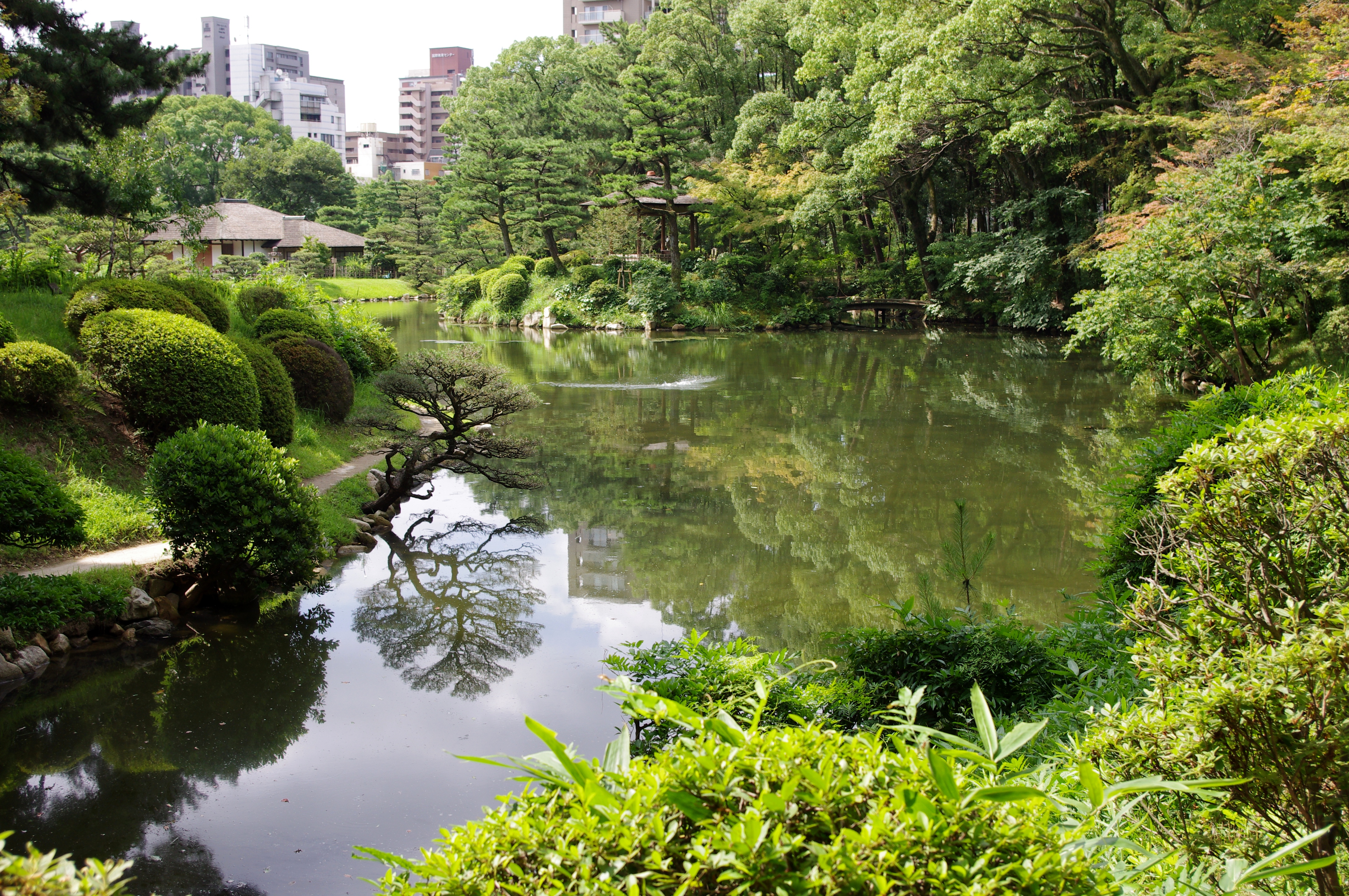
A beautiful Edo-period Japanese garden in central Hiroshima, just 10 minutes' walk from the station. Lovely in any season — cherry blossoms in spring, irises in June, autumn color in November. Perfect for a pre-okonomiyaki stroll.
Hiroshima Castle
Reconstructed after the war, the castle offers decent city views from the top floor and a small museum of pre-war Hiroshima history. It’s an easy walk from the Peace Park and Okonomimura areas.
Onomichi (Side Trip)
About 1.5 hours east by train, this charming hillside town overlooking the Seto Inland Sea is famous for its temple walk, cat alley, and Onomichi ramen. Combine it with a Fuchu-yaki stop on the way.
Getting There & Around Hiroshima
From Tokyo
- Shinkansen (Nozomi): Approximately 3 hours 50 minutes from Tokyo Station. Note: the Nozomi is NOT covered by the standard Japan Rail Pass. If using a JR Pass, take the Hikari or Sakura (about 4.5-5 hours, with a transfer in Shin-Osaka or Okayama).
- Budget flight: Peach, Spring Japan, or ANA/JAL discount fares to Hiroshima Airport, then airport limousine bus to Hiroshima Station (about 50 minutes, ¥1,370).
From Osaka/Kyoto
- Shinkansen: About 1.5 hours from Shin-Osaka, 2 hours from Kyoto (Sakura or Hikari, both covered by JR Pass).
From Fukuoka/Hakata
- Shinkansen: About 1 hour from Hakata Station.
Getting Around Hiroshima
Hiroshima has an excellent streetcar (tram) network — it’s the largest streetcar system in Japan. A one-day streetcar pass costs ¥700 and covers unlimited rides, including the line to Miyajimaguchi. Most okonomiyaki districts are reachable within a few minutes' walk of a streetcar stop.
Key stops:
- Hatchobori (八丁堀): For Okonomimura, Nagarekawa, Hondori
- Genbaku Dome-mae (原爆ドーム前): For Peace Park
- Hiroshima-eki (広島駅): Hiroshima Station area
The city is also very bikeable — flat terrain and good cycling infrastructure. Many hotels offer rental bicycles, and there’s a public bike-sharing system.
Where to Stay in Hiroshima
Budget
Guesthouses and hostels near Hiroshima Station or the Hondori area offer dorm beds from ¥2,500-¥4,000/night. Several are within walking distance of major okonomiyaki districts.
Mid-Range
Business hotels around Hatchobori or Hiroshima Station provide clean, comfortable rooms from ¥6,000-¥12,000/night. This puts you right in the heart of okonomiyaki territory. Chains like Dormy Inn (which has excellent rooftop onsen baths), Hotel Granvia Hiroshima, and Mitsui Garden Hotel are all reliable.
Splurge
The Sheraton Grand Hiroshima (connected to Hiroshima Station) and several boutique hotels near the Peace Park area offer premium rooms from ¥15,000-¥30,000/night.
My recommendation: Stay in the Hatchobori/Nagarekawa area. You’ll be within walking distance of Okonomimura, the nightlife district okonomiyaki shops, Hondori, AND Peace Park. It’s the perfect base for an okonomiyaki-focused trip.
👉 Book your Hiroshima hotel early if visiting during cherry blossom season (late March–early April), Golden Week (late April–early May), or autumn leaves (mid-November). The city fills up fast during these periods.
Local Tips: Things Only Residents Know
-
Tuesday and Wednesday are the best days to eat okonomiyaki. Weekend crowds at popular spots mean rushed cooking. Midweek, the cooks are relaxed, portions are sometimes more generous, and you’ll get more attention and conversation.
-
Lunch service (11:00-14:00) is when the ingredients are freshest. Cabbage is shredded that morning at most quality shops. By late evening, it’s been sitting for hours.
-
Watch the cook’s hands, not the menu. The best shops are identifiable by the cook’s speed and confidence — a skilled okonomiyaki cook moves with hypnotic efficiency. If the cook is fumbling or distracted, move on.
-
Otafuku sauce has different grades. Premium shops use the restaurant-exclusive Otafuku formulations that you cannot buy in supermarkets. If the sauce tastes different from what you’ve had at home — it is.
-
Ask for “soba kareme” (そばカラメ) if you like your noodles extra crispy. This tells the cook to press the noodles harder against the griddle for more char. Not every shop will do it, but many will, and it’s a game-changer.
-
Many okonomiyaki shops are cash-only. Especially the smaller, older ones. Carry at least ¥2,000-¥3,000 in cash when okonomiyaki hunting.
-
The Otafuku Wood Egg Museum offers okonomiyaki-making classes that are genuinely fun and educational — and reservations can be made in English. It’s a bit outside the city center but absolutely worth the trip if you want to understand the craft at a deeper level.
-
Hiroshima locals often eat okonomiyaki 2-3 times per week. It’s not special-occasion food here — it’s comfort food, everyday food, identity food. Treat it that way: don’t overthink it, don’t Instagram it for 10 minutes while it cools. Eat it hot, right off the teppan.
FAQ: Hiroshima Okonomiyaki
Q: Is Hiroshima okonomiyaki better than Osaka okonomiyaki?
This question may start actual arguments. They’re fundamentally different dishes that share a name. Osaka-style is mixed; Hiroshima-style is layered. Hiroshima’s version has noodles, more cabbage, and a thinner batter. I personally prefer Hiroshima-style for its textural complexity and the sweetness of the steamed cabbage — but both are exceptional. The important thing is to never tell a Hiroshima local that Osaka’s is better. Trust me.
Q: Can I find vegetarian or vegan okonomiyaki in Hiroshima?
It’s challenging but increasingly possible. Traditional okonomiyaki contains pork, egg, and often dashi-based sauce (with bonito). Some shops will make a vegetable-only version if you ask, but the sauce and noodles may still contain animal products. A few modern shops in the Hondori area have begun offering explicitly vegetarian options. Your best bet is to research ahead using HappyCow or similar apps, or ask your hotel concierge to call ahead. Saying “niku nashi, tamago nashi” (no meat, no egg) is a start, but be aware that the default sauce contains animal-derived ingredients.
Q: How long should I wait in line?
At popular shops during peak hours (Saturday/Sunday lunch, 11:30-13:30), waits of 20-45 minutes are common. On weekdays, you’ll rarely wait more than 10 minutes. If a line is longer than 30 minutes, walk to the next shop — quality differences between good okonomiyaki shops in Hiroshima are smaller than you’d think.
Q: Can I make okonomiyaki at my table in Hiroshima?
Unlike some Osaka-style shops where you cook it yourself on a table griddle, Hiroshima-style okonomiyaki is always cooked by the chef. The layering technique requires real skill — it’s not a DIY situation. You sit, you watch, you eat. This is part of the joy.
Q: How many okonomiyaki should I eat in one day?
One standard okonomiyaki is a full meal — roughly 700-900 calories with generous noodles and pork. However, if you’re doing a dedicated okonomiyaki crawl, I’d suggest eating one for a late lunch (around 14:00) and one for a late dinner (around 20:00-21:00) in a different district. Two in one day is very achievable. Three is ambitious. I’ve done four in a day exactly once and don’t necessarily recommend it.
Q: Is it rude to take photos?
Most shops are fine with a quick photo of your finished okonomiyaki. However, always ask before photographing the cook — a quick “shashin, ii desu ka?” (Is a photo OK?) is polite. In tiny counter shops, avoid standing up or leaning over the teppan for overhead shots. And please, eat it while it’s hot. No one in Hiroshima has patience for elaborate food photography while a perfect okonomiyaki goes cold.
Q: Should I visit Hiroshima as a day trip from Osaka/Kyoto just for okonomiyaki?
You can — it’s about 1.5-2 hours each way by Shinkansen — but I’d strongly recommend at least one night. Hiroshima deserves more than a rushed visit, and the best okonomiyaki experience happens at a relaxed pace: lunch at Okonomimura, afternoon at the Peace Park, evening okonomiyaki in Nagarekawa with a cold beer. Give the city the time it deserves. It will reward you.
Hiroshima’s okonomiyaki isn’t just food — it’s the taste of a city that rebuilt itself with determination, creativity, and grace. Every layer in that pancake tells a story. Go eat one. Then go eat another.