Kyoto Kaiseki Restaurant Guide for Tourists: The Complete Guide to Japan’s Most Refined Cuisine
Kyoto is where kaiseki was born, and after fifteen years of living in Japan — many of them spent chasing the perfect meal — I can tell you without hesitation that eating kaiseki in Kyoto is one of the most extraordinary culinary experiences available anywhere on Earth. This isn’t just dinner. It’s edible art, a meditation on the seasons, and a window into a philosophy of beauty that has been refined over five centuries.
If you’re searching for a Kyoto kaiseki restaurant guide for tourists, you’ve likely already heard the basics: it’s multi-course, it’s seasonal, it’s expensive. All true. But there’s so much more to understand before you sit down at that lacquerware counter or step into that private tatami room. Getting the most out of kaiseki requires a little preparation — knowing what you’re looking at, what questions to ask, what to expect from the experience, and how to avoid the tourist traps that charge luxury prices for mediocre food.
This guide is everything I wish someone had handed me before my first kaiseki meal. I walked in knowing almost nothing and left knowing I had experienced something extraordinary — but also that I had missed half of what the chef was trying to communicate. I don’t want that to happen to you.
Let’s start at the beginning.
The Food Explained: What Is Kaiseki and Why Does It Matter in Kyoto?
A Brief History Rooted in Tea and Temples
Kaiseki has two origin stories, and both of them lead back to Kyoto.
The first traces to cha-kaiseki (茶懐石), the simple meal served before a tea ceremony. In the 16th century, tea master Sen no Rikyū codified the idea that a small, seasonal meal should precede the serving of matcha. The word “kaiseki” (懐石) literally refers to a warm stone held against the belly to stave off hunger — a practice among Zen monks during fasting periods. The meals were deliberately modest: a bowl of rice, a cup of miso soup, and one or two small dishes made from whatever the season provided.
The second origin is kaiseki ryōri (会席料理), which evolved in Kyoto’s pleasure quarters and aristocratic circles into an elaborate banquet cuisine. Over centuries, the two traditions merged and elevated each other, producing the multi-course art form we know today.
Kyoto was the imperial capital for over a thousand years, and its cuisine reflects this pedigree. Unlike Tokyo’s bold Edo-mae flavors or Osaka’s hearty street food culture, Kyoto cooking emphasizes subtlety, refinement, and restraint. The dashi is lighter. The seasoning is gentler. The presentation is more meticulous. When Japanese people talk about the pinnacle of their culinary tradition, they point to Kyoto kaiseki.
What Makes Kaiseki Authentic
Authentic kaiseki follows a structure, though individual chefs have tremendous creative freedom within it. A traditional meal typically includes:
- Sakizuke (先付) — an appetizer or amuse-bouche
- Hassun (八寸) — a seasonal platter, often combining something from the mountains and something from the sea
- Mukōzuke (向付) — sashimi or a raw preparation
- Takiawase (煮合わせ) — simmered vegetables, often with a protein
- Futamono (蓋物) — a lidded soup dish
- Yakimono (焼物) — grilled course, typically fish
- Su-zakana (酢肴) — a vinegared or palate-cleansing dish
- Gohan (ご飯) — rice, often cooked in a clay pot
- Tome-wan (止椀) — miso soup
- Mizumono (水物) — dessert, usually fruit or a light sweet
The total number of courses ranges from 7 to 14, depending on the restaurant and price tier. What elevates kaiseki beyond mere fine dining is shun (旬) — the Japanese concept of peak seasonality. Every single element on every plate should reflect the current moment in the natural calendar. The ingredients, the serving vessels (ceramics change with the season), the garnishes, even the scroll hanging in the alcove of the room — everything tells you what time of year it is.
Kyoto’s Regional Distinction: Kyō-Ryōri
Kyoto kaiseki falls under the broader umbrella of Kyō-ryōri (京料理), Kyoto cuisine. Because Kyoto is landlocked, the traditional cuisine relies heavily on:
- Kyō-yasai (京野菜) — heirloom Kyoto vegetables like Kamo eggplant, Shōgoin turnip, Kujo green onion, and Manganji pepper
- Yuba — tofu skin, a Kyoto specialty
- Fu — wheat gluten, used in soups and simmered dishes
- Kyoto-style dashi — made with exceptional kombu (kelp) and lighter in bonito flavor than Tokyo-style
- Freshwater fish — sweetfish (ayu), carp, and river trout appear seasonally
- Shōjin ryōri influence — the Buddhist vegetarian cooking tradition from Kyoto’s temples deeply informs the vegetable-forward elegance of kaiseki
This is fundamentally different from kaiseki in Tokyo, which leans on the Tsukiji/Toyosu market for extraordinary seafood, or kaiseki in Kanazawa, which draws from the Japan Sea. Kyoto kaiseki is quieter, more contemplative, and arguably more refined.
Best Places to Eat: Kyoto Kaiseki Restaurant Guide for Tourists — Top Neighborhoods and Districts
Rather than recommending specific restaurants (which change quality, close, or become impossible to book), here are the districts where the finest kaiseki is concentrated. Within each area, you’ll find options ranging from accessible lunch sets to once-in-a-lifetime splurge dinners.
1. Gion and Gion-Shirakawa
Gion is the beating heart of Kyoto’s traditional dining culture. The narrow streets along the Shirakawa canal and the alleys of Hanami-koji are lined with discreet wooden facades hiding some of Japan’s most celebrated kaiseki restaurants. Many of these establishments have served geisha and their patrons for generations. The atmosphere is unmatched — stone lanterns reflecting in the water, the occasional glimpse of a maiko hurrying to an engagement.
What to expect: Higher prices, more formal service, some restaurants that require introductions (though this is becoming less common for lunch). Concentrated cluster of Michelin-starred kaiseki in a small area.
Tourist tip: Several Gion kaiseki restaurants offer lunch-only courses at significantly lower prices than dinner, and these are often available without reservations or introductions.
2. Kawaramachi-Kiyamachi Area
The streets between Kawaramachi-dōri and the Kamo River offer a slightly more accessible kaiseki scene. This is Kyoto’s central commercial district, and the dining options range from high-end traditional to modern interpretations. The Kiyamachi canal area, in particular, has restaurants with terraces overlooking the water — a magical setting in any season.
What to expect: More tourist-friendly, English menus more common, good range of mid-price kaiseki. Many restaurants here participate in the kawadoko (riverside dining platform) tradition from May through September.
3. Arashiyama
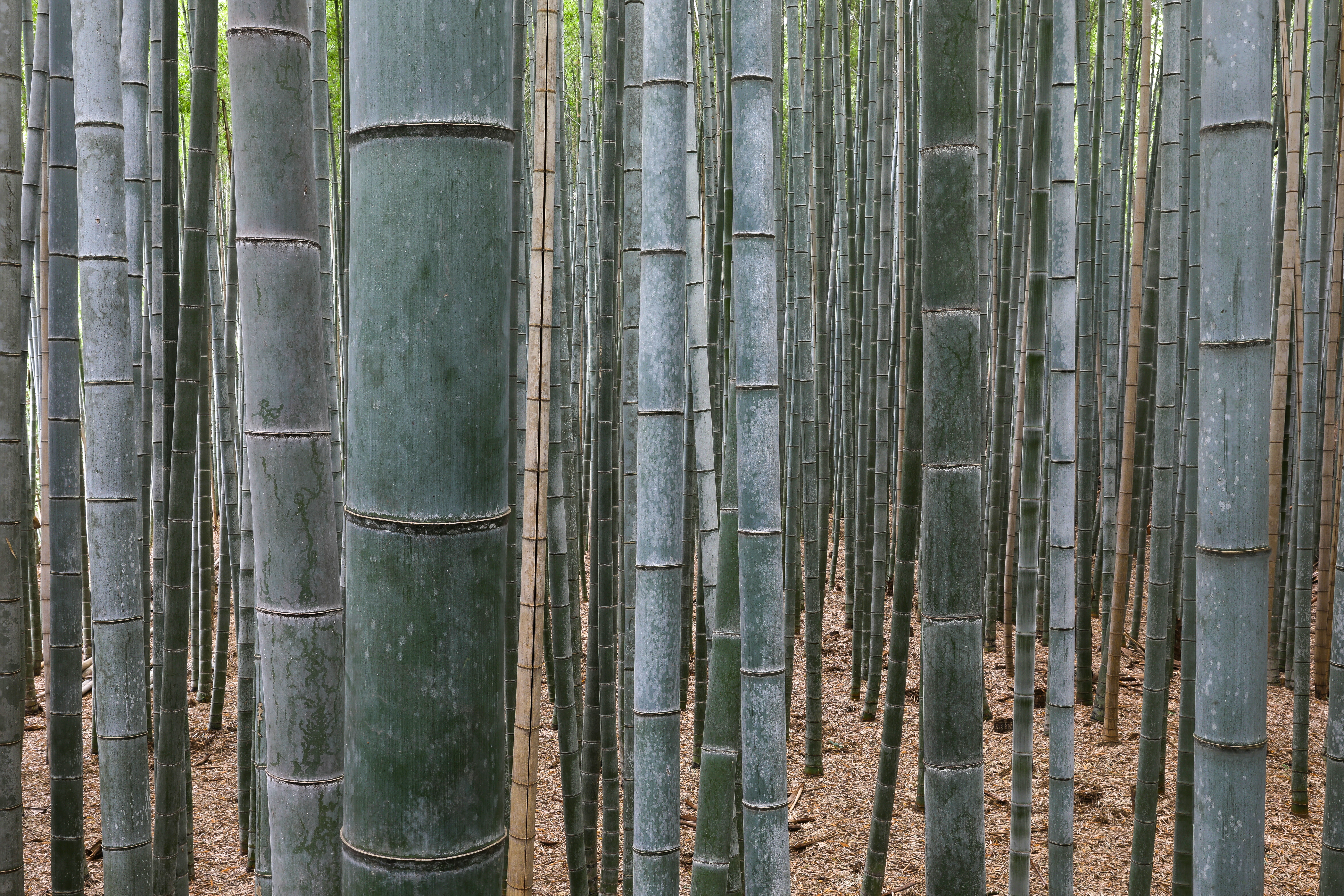
The western district of Arashiyama, famous for its bamboo grove and Togetsukyō Bridge, is home to several excellent kaiseki restaurants that take advantage of the stunning natural setting. Eating kaiseki while overlooking the Hozu River with mountains in the background is a quintessentially Kyoto experience.
What to expect: Beautiful settings, slightly more relaxed atmosphere, good lunch options. Many restaurants here incorporate yudōfu (simmered tofu) into their kaiseki courses, reflecting the area’s temple heritage.
4. Nanzenji-Okazaki Area
The neighborhood around Nanzenji Temple and the Okazaki cultural district (near the Museum of Modern Art and Heian Shrine) has a remarkable concentration of refined kaiseki restaurants, many housed in converted traditional estates with gardens. This area is also famous for its yudōfu restaurants, several of which have been operating for centuries.
What to expect: Garden-view dining rooms, elegant but slightly less intimidating than Gion, strong connection to temple cuisine tradition. Some of the best lunch kaiseki values in the city.
5. Kitayama-Kamigamo Area
Northern Kyoto, around the Kitayama area and near Kamigamo Shrine, offers a more residential, less touristy kaiseki experience. Restaurants here tend to have devoted local followings and may feel more like eating at a friend’s very elegant home.
What to expect: Lower prices, more personal service, harder to find without research, limited English support. Worth the effort for a more authentic local experience.
6. Higashiyama (Kiyomizu-dera to Ginkaku-ji Corridor)
The eastern hillside district stretching from Kiyomizu-dera north to Ginkaku-ji (the Silver Pavilion) contains numerous kaiseki restaurants tucked into the atmospheric lanes. Some are inside traditional machiya townhouses, offering an intimate dining experience.
What to expect: Heavy tourist foot traffic in the streets, but the restaurants themselves are often tranquil retreats. Good options in all price ranges. The area around Maruyama Park is particularly concentrated with quality dining.
7. Kyoto Station Area and Shimogyo
While not the most atmospheric neighborhood, the area around Kyoto Station has seen an explosion of quality kaiseki restaurants in recent years, many located in the station building itself or in nearby hotels. These cater specifically to travelers and tend to be the most accessible for English-speaking visitors.
What to expect: Convenience above atmosphere, hotel kaiseki can be excellent (though not always), easiest booking process for tourists, good for last-minute meals.
When to Visit for Best Quality: A Month-by-Month Kaiseki Calendar
Kaiseki is available year-round, but the experience changes dramatically with the seasons. This is the entire point — and choosing the right time to visit can elevate your meal from wonderful to transcendent.
Spring (March–May)
- March: Nanohana (rapeseed blossoms), clams, and the first bamboo shoots. Plates begin transitioning from winter’s dark ceramics to lighter colors.
- April: Peak cherry blossom season (typically April 1-10 in Kyoto). Cherry blossom motifs appear everywhere — on plates, in garnishes, even as pickled sakura in rice. Tai (sea bream) is at its finest. Takenoko (bamboo shoot) from the Ōtokuni area southwest of Kyoto is legendary and appears in nearly every course.
- May: Fresh green tea season. Katsuo (bonito) arrives. Young sweetfish (ayu) begin appearing. The kawadoko riverside platforms open along Kibune and Kamogawa — eating kaiseki on these platforms is a bucket-list Kyoto experience.
Best months for first-time visitors: April and May offer the most visually stunning kaiseki.
Summer (June–August)
- June: Ayu (sweetfish) is the star — grilled whole, served with tade (smartweed) vinegar. Hydrangea motifs on plates. Hamo (pike conger) season begins — this is THE Kyoto summer ingredient.
- July: Gion Matsuri month. Hamo reaches its peak. Kaiseki chefs demonstrate their skill by deboning this incredibly bony fish with a technique called honekiri (bone-cutting). Glass and blue-tinted serving vessels create a visual sense of coolness.
- August: High heat. Kaiseki emphasizes cooling preparations — chilled soups, vinegared dishes, cold noodle courses. Kawadoko dining is at its most atmospheric on hot evenings.
Note: Summer kaiseki is arguably the most distinctly Kyoto experience, since hamo is so central to the city’s culinary identity.
Autumn (September–November)
- September: Matsutake mushroom season begins — the most prized (and expensive) ingredient in Japanese cuisine. Early autumn brings haze (goby fish) and ginnan (ginkgo nuts).
- October: Maple leaves begin turning. Chestnut, persimmon, and chrysanthemum appear in courses. Serving vessels shift to warm autumn colors — rust, gold, deep brown.
- November: Peak koyo (autumn color) around November 15-30 in Kyoto. Kabu (turnip), especially Shōgoin kabu, features prominently. The last matsutake of the season. Fugu (blowfish) season begins.
Best months for food quality: October and November are widely considered the peak of kaiseki — the ingredients are extraordinary and the chefs are at their most inspired.
Winter (December–February)
- December: Fugu, crab, and root vegetables dominate. The year-end osechi tradition influences some kaiseki presentations. Yuzu citrus is everywhere.
- January: New Year’s kaiseki incorporates auspicious ingredients — prawns (for longevity, since their curved shape resembles an elderly person’s back), herring roe (for fertility), and black beans (for health).
- February: The leanest season for ingredients, which paradoxically showcases a chef’s true skill. Nanohana begins appearing at month’s end, signaling spring’s approach. The contrast between the cold outside and the warm hospitality of a kaiseki counter is deeply satisfying.
Best months for atmosphere: December and February, when the intimacy of a warm kaiseki restaurant against the cold is profoundly cozy.
How to Order and Eat Kaiseki: A Practical Kyoto Kaiseki Restaurant Guide for Tourists
Before You Go
Reservations are essential. Most quality kaiseki restaurants require advance booking, often 1-4 weeks ahead, and some high-end establishments require 1-3 months. Options for booking:
- Your hotel concierge — This is the single most reliable method. Japanese hotels take this seriously and will call on your behalf. Luxury hotels have dedicated restaurant reservation desks.
- Online booking platforms — Tabelog, Pocket Concierge (now owned by Ikyu), and OZmall all allow English-language kaiseki bookings. OMakase.in is another useful platform for high-end restaurants.
- Direct contact — Some restaurants accept email reservations in English. Check their websites.
- Cancellation policy — Kaiseki ingredients are purchased specifically for you. Canceling last-minute (or no-showing) is extremely rude and can result in charges of 50-100% of the meal price. If your plans change, cancel as far in advance as possible.
What to Tell Them When Booking
Communicate the following clearly:
- Allergies and dietary restrictions — Kaiseki can often accommodate fish allergies, but communicate these well in advance. Vegetarian/vegan kaiseki exists (ask for shōjin-style) but must be arranged beforehand. Last-minute requests are extremely difficult for kaiseki chefs.
- Course level — Most restaurants offer 2-4 price tiers. You’ll typically choose at booking.
- Seating preference — Counter seats (where you watch the chef) vs. private tatami room. Counter is more interactive; tatami is more traditional.
Arriving at the Restaurant
- Be exactly on time. Not early, not late. The meal is choreographed, and your arrival time matters.
- Remove your shoes at the entrance. Wear socks without holes (I mean it — I’ve seen the embarrassment). Some restaurants provide slippers.
- Dress respectfully. You don’t need formal wear, but smart casual is appropriate. Avoid heavy perfume or cologne — it interferes with the delicate aromas of the food.
During the Meal
- Courses arrive one at a time. Eat at a natural pace. The kitchen is watching your progress and timing the next course accordingly. Don’t rush, but don’t linger over empty plates either.
- Pick up small plates and bowls. In Japanese dining etiquette, you lift bowls (soup, rice) to your mouth. This isn’t rude — it’s correct.
- Admire the presentation. Take a moment before eating each course to appreciate how it looks. Notice the plate or bowl — it was chosen specifically for this dish and this season. Commenting on beautiful presentation to the chef (even a simple “kirei desu ne” — “it’s beautiful, isn’t it”) is warmly received.
- Eat everything. Leaving food is considered disrespectful, especially in kaiseki where every gram of every ingredient has been carefully selected. If you truly cannot eat something, a small apology is sufficient.
- Chopstick etiquette: Don’t stick chopsticks vertically in rice (funeral association), don’t pass food between chopsticks (also funeral association), and use the blunt end of your chopsticks when taking food from shared plates.
Drinks Pairing
- Sake is the classic pairing and the one I recommend for first-timers. Many kaiseki restaurants curate a sake list specifically to complement their cuisine. Ask the server to recommend pairings — they’re usually excellent at this.
- Beer is acceptable with the opening courses.
- Wine is increasingly offered, especially at modern kaiseki restaurants.
- Non-alcoholic: Green tea is traditional. Some restaurants now offer non-alcoholic pairing courses with teas, juices, and dashi-based drinks.
Price Guide: What to Expect to Pay
Budget Kaiseki (¥4,000–¥8,000 / $27–$55 per person)
Lunch-only kaiseki sets, often called kaiseki bentō or mini-kaiseki. These typically feature 5-7 courses in a compressed format. Quality can be excellent — many top restaurants offer lunch at a fraction of dinner prices. This is the best entry point for first-time visitors.
What you get: Smaller portions, fewer courses, possibly a shared dining room rather than private. The ingredients and technique are still high-quality.
Mid-Range Kaiseki (¥10,000–¥20,000 / $68–$136 per person)
The sweet spot for most visitors. Full evening courses with 8-11 dishes, quality seasonal ingredients, attentive service, and a traditional setting. This is where you’ll find the most restaurants and the most value.
What you get: The complete kaiseki experience at a sustainable price point. Premium seasonal ingredients, beautiful ceramics, and an unhurried atmosphere.
Splurge Kaiseki (¥25,000–¥50,000+ / $170–$340+ per person)
Kyoto’s most celebrated establishments. Rare seasonal ingredients (matsutake, premium crab, toro), antique serving vessels, private rooms with garden views, and chefs with decades of training. Some meals at this tier have changed how I think about food.
What you get: An experience that approaches art. This is where kaiseki transcends dining and becomes something closer to a performance, a philosophical statement, or a spiritual practice. At least once, if your budget allows, it’s worth it.
Important notes on pricing:
- Prices above are per person, food only. Drinks (especially sake) can add ¥3,000–¥10,000+.
- Some restaurants charge a room fee (席料, sekiryō) for private tatami rooms, typically ¥1,000–¥3,000 per person.
- A service charge of 10-15% is common at higher-end establishments. This replaces tipping (which you should never do in Japan).
- Tax (currently 10%) is sometimes included in the listed price and sometimes not. Confirm when booking.
Nearby Sights to Combine with Your Kaiseki Experience
One of the joys of kaiseki in Kyoto is that every restaurant neighborhood is surrounded by world-class sightseeing. Here are natural pairings:
Gion Kaiseki + Evening Walk
After dinner in Gion, walk along Shirakawa canal (particularly Shirakawa-minami-dōri) for one of Kyoto’s most atmospheric strolls. In spring, the weeping cherry trees over the canal are illuminated. In summer, you might hear the gentle sound of a shamisen from a teahouse. Year-round, this is the district where you’re most likely to spot geiko and maiko.
Arashiyama Kaiseki + Bamboo Grove and Temples
Book a late morning kaiseki lunch in Arashiyama, then spend the afternoon walking through the bamboo grove, visiting Tenryū-ji Temple (a UNESCO World Heritage site with a magnificent garden), and continuing to the lesser-visited Gio-ji and Adashino Nenbutsu-ji temples further north.
Nanzenji Area Kaiseki + Philosopher’s Path
Have lunch near Nanzenji, then walk the Philosopher’s Path (Tetsugaku no Michi) northward to Ginkaku-ji. This 2-kilometer canal-side path is spectacular during cherry blossom season (early April) and autumn foliage (late November). Along the way, stop at small temples like Hōnen-in and Anraku-ji.
Kawaramachi Kaiseki + Nishiki Market Morning
Start your day at Nishiki Market (open from around 9-10 AM), where you can see many of the ingredients that appear in kaiseki — Kyoto vegetables, pickles, yuba, fu, seasonal fish. This makes an excellent educational prelude to a kaiseki lunch. The market runs for five blocks and is packed with small shops, many of which offer samples.
Kitayama Kaiseki + Kamigamo Shrine and Botanical Garden
The less-touristed northern area pairs beautifully with a visit to Kamigamo Shrine (one of Kyoto’s oldest), the Kyoto Botanical Garden (particularly lovely in spring and autumn), and a walk along the Kamo River’s upper reaches, where the city feels quieter and more residential.
Getting There and Around Kyoto
Reaching Kyoto
- From Tokyo: The Tōkaidō Shinkansen takes 2 hours 15 minutes on the Nozomi (not covered by JR Pass) or 2 hours 40 minutes on the Hikari (covered by JR Pass). Trains run every 10-15 minutes.
- From Osaka: JR Special Rapid train, 29 minutes from Osaka Station to Kyoto Station (covered by JR Pass). Alternatively, the Hankyu Line from Umeda to Kawaramachi (43 minutes) drops you right in the kaiseki heartland.
- From Kansai International Airport: The Haruka Express runs directly to Kyoto Station in approximately 75 minutes.
Getting Around Kyoto for Kaiseki
- Bus: Kyoto’s bus network covers most kaiseki neighborhoods. Bus #100 and #206 are particularly useful for the Higashiyama/Gion corridor. A one-day bus pass (¥700) is excellent value.
- Subway: Two lines (Karasuma and Tōzai) are limited but useful. The Tōzai Line’s Higashiyama Station is convenient for Gion-area restaurants.
- Taxi: For evening kaiseki, taxis are ideal — Kyoto taxis are clean, reliable, metered, and reasonably priced. A ride from Kyoto Station to Gion costs approximately ¥1,000–¥1,500. Have your restaurant’s name and address written in Japanese (your hotel can do this).
- Walking: Many kaiseki districts are best explored on foot. Gion, Kawaramachi, and Higashiyama are all walkable from each other.
- Bicycle: Kyoto is flat and cycling-friendly. Rental shops are everywhere (approximately ¥1,000/day). An excellent way to reach restaurants in Arashiyama or Kitayama.
Where to Stay
For the best kaiseki access, stay in the Kawaramachi-Gion corridor or near Kyoto Station for maximum convenience. Many traditional ryokan (Japanese inns) serve their own excellent kaiseki dinner — staying at a kaiseki ryokan combines accommodation and your meal into one seamless experience.
Practical booking tip: If you’re booking a ryokan stay with kaiseki dinner included, book early — the best ryokan sell out weeks to months in advance, especially during cherry blossom (late March–mid April) and autumn foliage (November) seasons. Use platforms like Booking.com, Japanican, or Ikyu for English-language ryokan booking with dinner plans.
Local Tips: Things Only Residents Know
-
Lunch is the insider move. Many of Kyoto’s finest kaiseki restaurants serve lunch courses at 30-50% of dinner prices, using the same ingredients and the same kitchen. The atmosphere is slightly less formal, which many first-timers actually prefer.
-
Weekday reservations are dramatically easier. If your schedule is flexible, book Tuesday through Thursday. Monday is a common closure day for kaiseki restaurants. Weekends, especially Saturday dinner, are the hardest reservations to secure.
-
Counter seats are often better than private rooms. Unless you specifically want the tatami room experience, sitting at the counter lets you watch the chef work and creates opportunities for interaction. Some chefs will explain dishes in basic English, or at minimum, you’ll see the artistry up close.
-
The Tabelog score matters more than Michelin. Japanese diners trust Tabelog (tabelog.com) — a user-review platform — over Michelin for finding quality kaiseki. A Tabelog score above 3.8 indicates excellent quality. Above 4.0 is exceptional. You can filter by area and cuisine type, and much of the site is available in English.
-
Check if the restaurant has a “no photos” policy. Some traditional kaiseki restaurants prohibit photography, and even where it’s allowed, constantly photographing every course can disrupt the meditative flow of the meal. If you want to photograph, ask permission first and be discreet. One or two photos are usually fine; setting up a full Instagram shoot is not.
-
The oshibori (hot towel) is for your hands only. Do not wipe your face or neck with it, no matter how hot it is outside.
-
Off-season months (February, June, September) can be the most rewarding. With fewer tourists competing for reservations, you’re more likely to secure seats at top restaurants. The cuisine during these transitional periods showcases a chef’s creativity as they work with fewer “star” ingredients.
-
Ask your hotel concierge about cancellation waitlists. If a restaurant you want is fully booked, concierges can sometimes get you on cancellation lists. I’ve scored incredible last-minute seats this way, especially at places that were “booked solid” weeks before.
FAQ: Your Kyoto Kaiseki Restaurant Guide for Tourists Questions Answered
Do I need to speak Japanese to enjoy kaiseki in Kyoto?
No. While Japanese language ability enhances the experience, many kaiseki restaurants in tourist-friendly areas now provide English menus or course descriptions. Some chefs speak basic English. Your hotel concierge can also prepare notes about the restaurant’s customs and course descriptions. At higher-end establishments, the staff are experienced with international guests and will guide you gracefully through the meal.
Can I get vegetarian or vegan kaiseki in Kyoto?
Yes, but you must arrange this in advance — ideally at booking time, and a minimum of 48 hours before your meal. Kyoto is actually the best city in Japan for this, thanks to its deep shōjin ryōri (Buddhist vegetarian cuisine) tradition. Some restaurants specialize entirely in plant-based kaiseki. However, be aware that standard kaiseki uses dashi made from bonito (fish) flakes, so even dishes that appear vegetarian may not be unless specifically prepared that way.
Is kaiseki appropriate for children?
It depends on the child and the restaurant. Kaiseki meals last 2-3 hours and require sitting relatively still and quietly. Most high-end kaiseki restaurants are not suitable for young children, and some explicitly do not accept children under a certain age (often 10 or 12). Family-friendly kaiseki options exist — some restaurants in Arashiyama and near Kyoto Station are more accommodating. Always mention children when booking.
What if I have food allergies?
Communicate allergies clearly at booking time, in writing if possible. Severe shellfish, shrimp, or fish allergies are particularly important to mention, as dashi and seafood are foundational to kaiseki. Most restaurants will accommodate allergies with advance notice, substituting courses as needed. If you have a severe or life-threatening allergy, consider carrying an allergy card in Japanese (available free online from sites like Just Hungry and Allergy Translation).
How long does a kaiseki meal take?
Budget 1.5 to 2.5 hours for a full dinner course. Lunch courses are typically shorter, around 1 to 1.5 hours. Don’t schedule anything immediately after — part of the beauty of kaiseki is the unhurried pace. Rushing creates stress for both you and the kitchen.
Should I tip at a kaiseki restaurant?
No. Tipping is not practiced in Japan and can actually cause confusion or embarrassment. The service charge, if applicable, is included in your bill. If you wish to express gratitude, a sincere verbal thank-you (“gochisōsama deshita” — “it was a feast”) when leaving is the appropriate gesture and will be genuinely appreciated.
What’s the difference between kaiseki and a ryokan dinner?
A ryokan (traditional Japanese inn) dinner is often served in kaiseki style — multiple seasonal courses — but the setting is your room or a private dining area within the inn. The quality varies enormously depending on the ryokan. Top Kyoto ryokan serve kaiseki that rivals standalone restaurants. The advantage of ryokan kaiseki is the all-in-one experience: you eat, bathe in the onsen, and sleep without going anywhere. The advantage of a standalone restaurant is that you can specifically choose a chef and establishment known for culinary excellence. For the ultimate Kyoto trip, try both.
Kaiseki in Kyoto isn’t just a meal — it’s the single most complete expression of Japanese aesthetics, seasonality, and hospitality that exists. Whether you’re sitting at a polished hinoki counter watching a chef arrange three perfect autumn leaves beside a piece of grilled pike conger, or lifting the lid on a soup bowl to discover a landscape made of turnip and yuzu, you’re participating in something that has been refined over half a millennium.
Take the time. Make the reservation. Prepare a little. And then sit back, breathe, and let a Kyoto kaiseki chef show you what food can be when it’s treated not just as sustenance, but as art, philosophy, and an act of profound generosity.
Gochisōsama deshita.