Chubu · Guide de la Préfecture

Guide de voyage à Gifu

Fermes UNESCO enneigées, ville marchande Edo préservée en montagne, l'une des trois plus grandes stations thermales du Japon et la pêche au cormoran séculaire à la lueur des flambeaux

🏘️ Shirakawa-go (Patrimoine mondial de l'UNESCO)🏘️ Takayama — la petite Kyoto des montagnes♨️ Gero Onsen — l'une des 3 grandes stations thermales du Japon🐦 Pêche ukai au cormoran sur la rivière Nagara🎪 Gujo Hachiman — la ville de la danse estivale

🗾 À propos de Gifu

Gifu est l'une des destinations intérieures les plus gratifiantes du Japon — une préfecture de forteresses montagnardes, de coutumes ancestrales et d'une beauté singulière. Les fermes gassho-zukuri de Shirakawa-go, avec leurs toits de chaume à forte pente conçus pour rejeter les chutes de neige abondantes de la région, abritent des familles depuis trois siècles, et le vallon en hiver — éclairé au crépuscule par la lumière orange chaleureuse des fenêtres sur la neige bleutée — est une image qui reste gravée à jamais. À une heure plus au sud, le quartier marchand Sanmachi Suji de Takayama n'a guère changé depuis la période Edo, avec ses brasseries de saké, ses boutiques artisanales et ses magasins de laques attirant des visiteurs du monde entier. Sur la rivière Nagara dans la ville de Gifu, l'ukai — l'ancienne pratique consistant à utiliser des cormorans dressés tenus en laisse pour pêcher à la lueur des feux depuis des barques en bois — se perpétue depuis 1 300 ans.

🌏
Situation géographique
Région du Chubu, enclavée, s'étendant des Alpes japonaises à la plaine de Nobi
🗣️
Langue
Japonais (anglais à Takayama et Shirakawa-go ; limité dans les montagnes rurales de Hida)
💴
Monnaie
Yen japonais (JPY) — espèces indispensables à Shirakawa-go et dans les villages de montagne ; cartes IC dans les villes
🕐
Fuseau horaire
JST (UTC+9) — pas d'heure d'été
🌡️
Meilleure saison
Hiver (déc.–fév.) pour la neige à Shirakawa-go ; printemps et automne pour les festivals de Takayama
✈️
Aéroports les plus proches
Nagoya Chubu (NGO) 90 min · Osaka Kansai (KIX) 2 h 30 · Aéroport de Toyama (TYO) 80 min
🚄
Se déplacer
JR Ligne principale de Takayama · bus express vers Shirakawa-go · voiture de location pour les routes de montagne
Prise électrique
Type A, 100 V / 50 Hz

✈️ Comment s'y rendre

Takayama est le principal hub pour le Hida Gifu, accessible par le pittoresque train express limité JR Hida depuis Nagoya (2 h 20 min) ou par bus express depuis Osaka/Kyoto. Shirakawa-go n'est accessible que par bus express depuis Takayama (50 min) ou Kanazawa (1 h 15 min). Gero Onsen est sur la ligne JR Takayama entre Nagoya et Takayama.

🚄 Depuis Nagoya vers Takayama
  • Train express limité JR Wide View Hida — Nagoya à Takayama : 2 h 20 min. ¥6 140. Longe les gorges de la rivière Hida — l'un des trajets ferroviaires les plus pittoresques du Japon. JR Pass valide.
  • Bus Nohi depuis Nagoya — Bus express : 2 h 45 min. ¥3 100. Moins cher mais moins pittoresque que le train.
🚌 Depuis Osaka / Kyoto vers Takayama
  • Bus Nohi direct depuis Osaka/Kyoto — 5 h 30 depuis Osaka, 5 h depuis Kyoto. ¥7 000–¥8 000. Bus de nuit disponibles.
  • Shinkansen + JR Wide View — Osaka à Nagoya (55 min), Wide View Hida à Takayama (2 h 20 min). Total ~3 h 30. JR Pass valide.
🚌 Vers Shirakawa-go
  • Depuis Takayama (Bus Nohi) — 50 min. ¥2 600 aller-retour. ~6 fois/jour. Réservez à l'avance pour les week-ends d'hiver et les jours fériés.
  • Depuis Kanazawa (Bus Hokutetsu) — 1 h 15 min. ¥2 500 aller-retour. Idéal pour combiner avec une visite de Kanazawa.
  • Illuminations hivernales (jan.–fév., ven./sam.) — Complet rapidement. Réservez les bus 3 à 6 mois à l'avance.
🚌 Se déplacer à Gifu
  • Bus en boucle de la ville de Takayama (Machimeguri Bus) — ¥210 tarif fixe, couvre Sanmachi Suji, le village folklorique de Hida et les marchés matinaux.
  • Tramway de la ville de Gifu — L'un des derniers tramways classiques du Japon, reliant la zone de pêche ukai sur la rivière Nagara. ¥210 tarif fixe.
  • Voiture de location — Indispensable pour Gujo Hachiman, les sanctuaires de montagne isolés et pour voyager entre Gero Onsen et Shirakawa-go à son propre rythme.
💡 Conseil voyageL'itinéraire <strong>Takayama–Shirakawa-go–Kanazawa</strong> est l'un des circuits les plus populaires du Japon. Des bus express relient les trois villes : Takayama → Shirakawa-go (50 min) → Kanazawa (1 h 15 min). Prévoyez un voyage de 3 jours.

📖 Guides de Voyage Recommandés

Des guides complets pour planifier chaque aspect de votre séjour — des incontournables aux meilleurs restaurants et événements saisonniers.

⛩️

Sites touristiques

6 lieux
Shirakawa-go UNESCO Village
📍 Shirakawa-go, Ono, Gifu

Shirakawa-go UNESCO Village

Shirakawa-go is a UNESCO World Heritage valley village of steep-roofed gassho-zukuri farmhouses whose A-frame thatched roofs were designed to shed the valley's exceptional snowfall — sometimes exceeding three metres — and which survive today as the most complete ensemble of traditional Japanese mountain architecture anywhere. The village is most magical on winter evenings when snow covers every roof and hearth smoke drifts through the cold air, and minshuku farmhouse stays from ¥9,000 per person put visitors inside the living tradition. The Shiroyama viewpoint provides the iconic elevated panorama over the entire village.

UNESCO Gassho-zukuri Winter Snow
Takayama Sanmachi Suji Merchant District
📍 Takayama, Gifu

Takayama Sanmachi Suji Merchant District

Takayama's three Edo-period merchant lanes are among the best preserved in Japan: dark-timbered machiya townhouses line the narrow streets, their shop fronts selling hand-lacquered bowls, cedar sake cups, and local miso from businesses that have occupied the same addresses for generations. The cedar balls hanging outside brewery entrances signal which producers are offering sake tastings on a given day. Entry to the lanes is free and the area rewards a full morning of slow exploration.

Edo Period Sake Breweries Merchant Town
Hida Folk Village Open-Air Museum
📍 Takayama, Gifu

Hida Folk Village Open-Air Museum

The Hida Folk Village (Hida no Sato) is a remarkable open-air museum on the outskirts of Takayama where over 30 traditional buildings — including gassho-zukuri farmhouses, watermill houses, and village shrine structures — were relocated from disappearing communities across the Hida mountains and reassembled on a single site. Craftspeople demonstrate traditional weaving, woodworking, and lacquer techniques inside the buildings, making the museum feel genuinely inhabited rather than merely preserved. Admission is ¥700 and the site is particularly atmospheric in fresh snow.

Open-Air Museum Traditional Buildings Gassho Farmhouses
Gero Onsen Town
📍 Gero, Gifu

Gero Onsen Town

Gero is listed alongside Arima and Kusatsu as one of Japan's three greatest onsen towns, its alkaline sodium-bicarbonate waters renowned since the 11th century for beautifying skin to such a degree that local sources call it bijin no yu, the bath of beautiful women. Riverside ryokan inns with outdoor rotenburo baths hanging over the Hida River gorge are the classic accommodation, and free ashiyu foot-soak stations throughout the town let non-staying visitors sample the waters. The town is 30 minutes by limited express from Nagoya.

Japan's 3 Great Onsen Alkaline Waters Riverside Ryokan
Gujo Hachiman Water Town
📍 Gujo Hachiman, Gifu

Gujo Hachiman Water Town

Gujo Hachiman is a hidden gem of a castle town where crystal-clear spring water flows through open channels along every street, so clean that locals still wash vegetables and dishes directly in the channels — a practice codified by a 450-year-old city ordinance. The scenic Yoshida River bisects the town, and the hilltop Gujo Hachiman Castle commands panoramic views over the forest valleys below. Each summer the town transforms into the site of Japan's longest running continuous night-dance festival.

Spring Water Castle Town Summer Dancing
Gifu Castle
📍 Gifu, Gifu

Gifu Castle

Gifu Castle sits atop 329-metre Mt. Kinka above Gifu city, reached by a 3-minute ropeway that soars over cedar forest to the summit where the compact but commanding keep offers panoramic views of the Nagara River bending through the city below. Oda Nobunaga ruled from this castle and here renamed both the mountain and the city, and the rebuilt 1956 structure houses a small museum of Sengoku-period arms. The summit area is free after the ropeway fare; the castle interior costs an additional ¥200.

Hilltop Castle Mt. Kinka City Views
🍜

Gastronomie

6 lieux
Hida Beef (Wagyu) in Takayama
📍 Takayama, Gifu

Hida Beef (Wagyu) in Takayama

Hida beef from the Takayama region is among Japan's top wagyu brands — raised on clean mountain spring water and highland grasses, the cattle develop rich, finely marbled meat with a distinct sweetness. Takayama's morning markets and old-town restaurants serve Hida beef in every form: skewers, rice bowls (gyu-meshi), and premium steak courses.

Wagyu Hida Beef Steak Gourmet
Hida Beef Wagyu
📍 Takayama, Gifu

Hida Beef Wagyu

Hida beef is Gifu's premium wagyu, raised in the clean mountain air and cold winters of the Northern Alps foothills where the temperature stress encourages fat deposition that produces exceptional marbling with a rich, round flavour. Available throughout Takayama and Furukawa as steak, yakiniku, sushi, and stuffed into the region's characteristic hoba miso leaf-grill presentations. A splurge lunch at a Takayama wagyu restaurant is one of the definitive experiences of visiting the Hida mountains.

Wagyu Hida Mountains Fat Marbling
Ayu Sweetfish from Nagara River
📍 Gifu, Gifu

Ayu Sweetfish from Nagara River

The Nagara River's ayu sweetfish is regarded as some of the finest in Japan, its flesh carrying a distinctive watermelon-like fragrance absorbed from feeding on river algae in pristine mountain water. From May through October, restaurants along the riverside grill ayu on salt-coated bamboo skewers over charcoal, the fish curling slightly as they cook into a perfect half-arch. Eating freshly grilled ayu beside the river that produced it, with the sight of traditional cormorant fishing boats moored nearby, is a deeply seasonal Japanese experience.

Sweetfish Salt Grilled Summer Delicacy
Keichan Chicken
📍 Gero, Gifu

Keichan Chicken

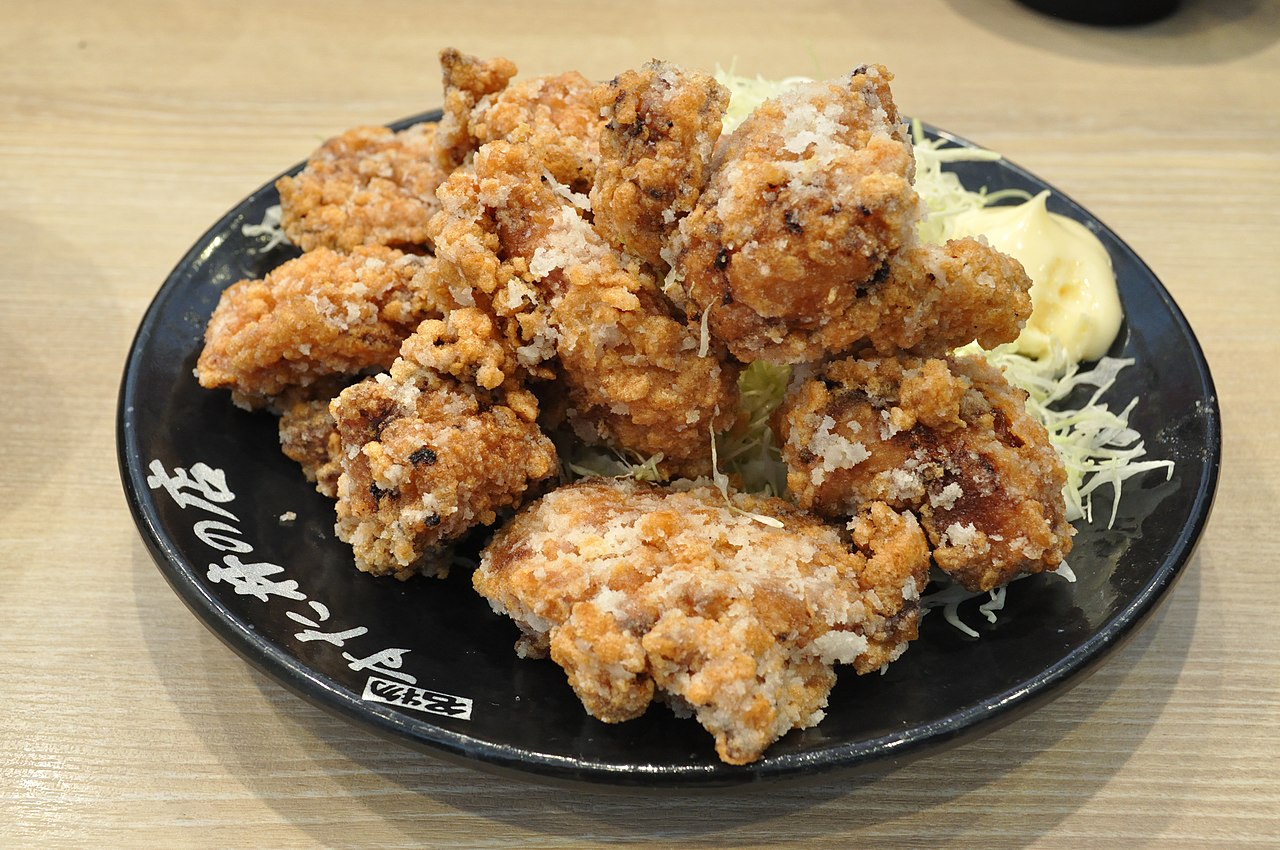
Keichan is the essential comfort food of the Hida mountains: local chicken marinated overnight in either miso or soy-based sauce with garlic and ginger, then stir-fried with a mountain of shredded cabbage in an iron skillet until the edges char and the fat renders into the vegetables. Created in the post-war Gero area as an affordable high-protein mountain farmer's meal, it has evolved into a regional pride dish served at virtually every izakaya in the prefecture. The miso-marinade version pairs especially well with the local sake.

Hida Chicken Miso Marinade Izakaya Staple
Mitarashi Dango
📍 Gifu, Gifu

Mitarashi Dango

Gifu City's mitarashi dango are plumper and chewier than the Kyoto original, skewered in groups of three and lacquered with a glossy sweet-salty soy sauce glaze that caramelises slightly on charcoal grills set up beside the Nagara River. The dango are associated with the cormorant fishing festivals that have taken place on this river for 1,300 years, and vendors selling them line the riverside promenade on festival evenings. A stick of three typically costs ¥150.

Dango Sweet Soy Sauce Nagara River
Hida Tofu and Dengaku
📍 Takayama, Gifu

Hida Tofu and Dengaku

The firm, dense tofu produced in the Hida mountains using local well water has a concentrated soybean flavour and holds its shape beautifully when skewered and coated in sweet white miso for dengaku — one of the oldest Japanese cooking techniques. Dengaku tofu stalls operate throughout the Sanmachi Suji district in Takayama, grilling skewers over small charcoal braziers for around ¥200 each, and the combination of smoky miso crust and silky interior is one of the most satisfying street foods in Japan.

Mountain Tofu Dengaku Miso Skewer
🏔️

Nature

4 lieux
Norikura Highland Plateau
📍 Takayama, Gifu

Norikura Highland Plateau

The Norikura highland plateau at 2,700 metres is accessible by bus from Takayama or Matsumoto each summer and offers the most effortlessly spectacular alpine scenery in central Japan, with wildflower meadows, glacier-carved cirques, and summit views extending from the Pacific to the Sea of Japan. The bus terminus at Tatamidaira, Japan's highest bus stop, is a 20-minute walk from the Norikuradake summit, making 3,000-metre views accessible to visitors with no mountaineering experience. The season runs from late June through October.

Alpine Meadows 2700m Plateau Wildflowers
Mt. Ontake Volcanic Mountain
📍 Kiso, Gifu

Mt. Ontake Volcanic Mountain

Mt. Ontake at 3,067 metres is the second highest volcano in Japan and the most sacred mountain in the Shugendo mountain-worship tradition after Mt. Fuji, its white-robed pilgrims ascending since the Edo period. Trails begin at around 2,000 metres via toll road access points, making the summit accessible for fit day hikers in summer, and the otherworldly volcanic landscape of sulphur vents, crater lakes, and ash-coloured lava fields commands deeply powerful views across the Central Alps. The mountain last erupted in 2014 and continues to emit volcanic gas.

Sacred Peak Volcanic Mountain Mountain Worship
Nagara River Valley and Gorge
📍 Gifu, Gifu

Nagara River Valley and Gorge

The Nagara River flows crystal-clear from its Hida mountain headwaters through a series of deep gorges and forested valleys before reaching Gifu City, and the upper river sections near Mino and Gujo are celebrated for their turquoise-green water visible through the cedar forests. Autumn foliage from late October through mid-November turns the gorge walls into layers of red, orange, and yellow reflected in the still pools below. The river is also one of Japan's premier ayu sweetfish fisheries and a designated Natural Monument.

Crystal River Autumn Foliage Cormorant Fishing
Hida Mountains Northern Alps Views
📍 Takayama, Gifu

Hida Mountains Northern Alps Views

Takayama sits at the edge of the Japanese Northern Alps where seven peaks exceed 3,000 metres, and on clear winter and early spring days the snow-capped wall of the Hida mountain range is visible from the city streets in a panorama of extraordinary scale. The Hida Kokubunji Temple grounds in the city centre offer one of the best unobstructed foreground-free views, and the nearby Shiroyama Park hilltop combines castle ruins with an alpine backdrop that has no equivalent in lowland Japan. The peaks include Yarigatake, Hotakadake, and Norikuradake.

Northern Alps 3000m Peaks Mountain Views
🎿

Loisirs

5 lieux
Nagara River Ukai (Cormorant Fishing)
📍 Gifu City, Gifu

Nagara River Ukai (Cormorant Fishing)

Ukai — the 1,300-year-old art of fishing with trained cormorants from wooden boats by torchlight — is performed nightly on the Nagara River from May to October. Visitors board observation boats and drift alongside the master fishermen (usho), watching cormorants dive in the firelit water and return with caught sweetfish (ayu) to their masters — a mesmerising, ancient spectacle.

Cormorant Fishing Traditional River Night Boat
Ukai Cormorant Fishing, Nagara River
📍 Gifu, Gifu

Ukai Cormorant Fishing, Nagara River

Ukai is one of Japan's most theatrical living traditions: from May through October, usho master fishermen navigate wooden boats illuminated by flaming iron baskets along the Nagara River while their trained cormorants dive for ayu sweetfish on leashes, a technique practised here for over 1,300 years under Imperial household protection. Visitors watch from chartered viewing boats priced at ¥3,500–¥6,000 per person, drifting alongside the torch-lit fishing boats as darkness falls and the fire reflects on the black river. No experience in Japan combines nature, history, and spectacle as seamlessly.

Cormorant Fishing Torch Boats 1300-Year Tradition
Takayama Festival Float Museum
📍 Takayama, Gifu

Takayama Festival Float Museum

The Yatai Kaikan at Sakurayama Hachiman Shrine displays four of Takayama's eleven extraordinary festival floats on a rotating six-month basis, allowing year-round access to the gilded lacquerwork, intricate carvings, and karakuri automata marionettes that have made the Takayama festivals world-famous. The karakuri robots — mechanical dolls that perform acrobatic routines via silk threads — were engineered in the Edo period and represent peak pre-industrial Japanese technological achievement. Admission is ¥1,000 and the museum also includes a miniature float model exhibition.

Festival Floats Automata Yatai Kaikan
Mino Washi Paper Town
📍 Mino, Gifu

Mino Washi Paper Town

Mino City in southern Gifu has produced washi handmade paper for over 1,300 years, and today its historic Udatsu townscape — where prosperous merchants built distinctive fire-break walls on their roof ridgelines — doubles as a living showcase for the craft with paper-making workshops, specialty paper shops, and a paper art gallery. Each autumn the Mino Washi Akari Art Festival transforms the entire main street into a glowing installation of paper lanterns crafted by artists from across Japan. Paper-making workshops are available year-round for around ¥1,000.

Washi Paper 1300-Year Craft Paper Lantern Street
Skiing at Dynaland and Hirugano
📍 Gujo Hachiman, Gifu

Skiing at Dynaland and Hirugano

Gifu's Gujo area hosts two of the Chubu region's most popular ski resorts within easy reach of each other: Dynaland with its 23 courses and high-capacity gondola, and Hirugano Kogen with gentler terrain and family facilities on a highland plateau. The Gujo area's heavy Pacific-facing snowfall typically guarantees reliable powder conditions from December through March. Both resorts are under three hours from Nagoya by car and offer rental packages and beginner lessons in English.

Skiing Snowboarding Gujo Area
🎆

Événements

6 lieux
Shirakawa-go Winter Light-Up (Yuki-Dorei)
📍 Shirakawa, Gifu

Shirakawa-go Winter Light-Up (Yuki-Dorei)

On select evenings in January and February, Shirakawa-go's UNESCO-listed snow-covered gassho-zukuri farmhouses (steep thatched roofs designed to shed heavy snowfall) are illuminated from inside and below, glowing golden against deep blue winter dusk. The light-up is a rare special event requiring advance reservation — one of Japan's most magical winter scenes.

UNESCO Gassho Farmhouse Snow Winter Illumination
Gujo Odori Dance Festival
📍 Gujo, Gifu

Gujo Odori Dance Festival

Gujo Hachiman's Gujo Odori is Japan's most unusual summer festival — over 33 nights from mid-July to September, the entire town dances until dawn. During the four Obon nights in mid-August, dancing continues literally all night (overnight dance, or tetsuyaodori). Visitors are not spectators but participants — everyone joins the circle in simple steps anyone can learn.

Dance Summer Festival All-Night Dance UNESCO Candidate
Takayama Spring Festival (Sanno Matsuri)
📍 Takayama, Gifu

Takayama Spring Festival (Sanno Matsuri)

Listed as UNESCO Intangible Cultural Heritage, Takayama's spring Sanno Matsuri (April 14–15) deploys 12 magnificent Edo-period yatai floats — some equipped with mechanically operated puppet figures (karakuri ningyo) — through the cherry-blossom-lined old town streets. The evening procession by lantern light is particularly beautiful.

UNESCO Float Festival Spring Cherry Blossom
Takayama Spring and Autumn Festivals
📍 Takayama, Gifu

Takayama Spring and Autumn Festivals

Listed by UNESCO and consistently ranked among Japan's three greatest festivals, the Takayama Matsuri takes place twice a year — April 14–15 and October 9–10 — when eleven massive gilded festival floats are pulled through the mountain town by teams in Edo-period costume while karakuri automata perform on each float's upper deck. The spring Sanno Festival deploys four floats from Hachiman Shrine and the autumn Hachiman Festival deploys the remaining seven, and the sight of these six-metre lacquered structures rounding narrow historical lanes under the mountains is overwhelming. Accommodation books out months in advance.

UNESCO Festival Floats Japan's 3 Great Festivals
Shirakawa-go Winter Illumination
📍 Shirakawa-go, Ono, Gifu

Shirakawa-go Winter Illumination

On select Friday and Saturday evenings from January through February, Shirakawa-go's gassho-zukuri farmhouses are illuminated from below against a backdrop of deep snow and dark cedar forest, creating perhaps the most beautiful single winter image in Japan. The event runs for roughly two hours each evening and attracts such overwhelming demand that entry is controlled by a strict pre-registration lottery system — tickets must be applied for months in advance and the rejection rate for international visitors is high. Those who secure tickets consistently describe it as one of the most memorable experiences of their lives in Japan.

Winter Light Snow Village Sellout Event
Gujo Odori Summer Folk Dancing
📍 Gujo Hachiman, Gifu

Gujo Odori Summer Folk Dancing

The Gujo Odori is Japan's longest running summer dancing festival, held nightly from mid-July through early September in the streets of Gujo Hachiman, with the entire town joining in traditional folk dances under lantern light that have been performed uninterruptedly since the 17th century. The festival culminates in the Obon Tetsuya Odori on August 13–16 when dancing continues all night long — literally from sunset to sunrise — and over 300,000 visitors descend on a town of 14,000. No ticket or registration is required; anyone can join the circle.

Folk Dancing All-Night Bon Dancing 300000 Visitors
🎌

Expériences

2 lieux
Shirakawa-go Farmhouse Stay (Gassho)
📍 Shirakawa, Gifu

Shirakawa-go Farmhouse Stay (Gassho)

A night in a working gassho-zukuri (steep-thatched) farmhouse in UNESCO-listed Shirakawa-go is one of Japan's most atmospheric accommodation experiences. Guests sleep on futon in tatami rooms below massive hand-hewn thatched roofs, share irori hearth dinners of mountain vegetables and river fish with the host family, and wake to snow-dusted village silence. Only a handful of the 115 farmhouses accept paying guests.

Farmhouse Gassho UNESCO Overnight Stay
Mino Washi Paper Making Workshop
📍 Mino, Gifu

Mino Washi Paper Making Workshop

Mino City's 1,300-year-old washi tradition produces some of Japan's finest handmade paper — used in shoji screens, lanterns, and traditional books. The Mino Washi Museum workshop area lets visitors dip wooden frames into vats of mulberry-fibre slurry, shake to distribute the fibres evenly, then press and dry their own sheet of authentic washi to take home.

Washi Japanese Paper Workshop Traditional Craft

💡 Conseils pratiques de voyage

Tout ce que vous devez savoir avant et pendant votre visite.

🏘️
Conseils pour Shirakawa-go
  • Le village se vit mieux en séjournant une nuit dans une pension gassho-zukuri (minshuku, à partir de ¥9 000/personne avec dîner et petit-déjeuner). Le village se vide des touristes de passage après 17 h.
  • Le célèbre belvédère Shiroyama est à 15 minutes à pied en montée depuis le village — spectaculaire en automne et pendant les illuminations hivernales.
  • Les illuminations hivernales (janvier–février, certains vendredis et samedis soir) font briller le village enneigé — l'une des scènes hivernales les plus photographiées du Japon. Les billets de bus se vendent des mois à l'avance.
  • La vallée voisine de Gokayama (préfecture de Toyama, même classement UNESCO) est plus petite, moins fréquentée, et tout aussi belle — accessible par le même bus express.
🏘️
Vieille ville de Takayama
  • Sanmachi Suji (三町筋) est le quartier marchand préservé de Takayama — trois ruelles parallèles de l'époque Edo avec brasseries de saké, boutiques de miso, magasins artisanaux et cafés. Accès libre ; la plupart des boutiques ouvrent de 9 h à 17 h.
  • Les marchés matinaux (Jinya-mae et Miyagawa) ont lieu quotidiennement de 7 h à midi — légumes frais, marinades et artisanat local. Une atmosphère très authentique.
  • Le Takayama Jinya est le seul bâtiment gouvernemental provincial de l'époque Edo encore debout au Japon. Entrée gratuite.
  • Le village folklorique de Hida rassemble plus de 30 fermes traditionnelles relocalisées dont des bâtiments gassho-zukuri. ¥700.
♨️
Gero Onsen
  • Gero Onsen est classé aux côtés d'Arima et Kusatsu parmi les trois plus grandes stations thermales du Japon. Les eaux alcalines au bicarbonate de sodium sont exceptionnellement douces pour la peau.
  • La ville compacte dispose d'excellents équipements d'ashiyu (bains de pieds) et de plusieurs sotoyu (bains publics) pour les visiteurs à la journée (¥400–¥600).
  • Gero depuis Nagoya : JR Wide View Hida jusqu'à Gero : 1 h 30 min. ¥3 480. Facile à combiner avec Takayama en un voyage de 2 jours.
💴
Guide des budgets
  • Petit budget (¥7 000–¥12 000/jour) — Auberge à Takayama, petit-déjeuner au marché matinal, village folklorique de Hida, dégustation de saké en brasserie (gratuit), excursion en bus à Shirakawa-go.
  • Milieu de gamme (¥18 000–¥35 000/jour) — Ryokan à Gero Onsen avec dîner, exploration de Sanmachi à Takayama, excursion à Shirakawa-go.
  • Luxe (¥40 000+/jour) — Séjour en ferme gassho-zukuri à Shirakawa-go, bateau ukai privé (¥30 000+), kaiseki au bœuf Hida à Takayama.

🏨 Trouver des hôtels à Gifu

Comparez les prix de centaines d'hôtels — des capsules économiques aux ryokan de luxe.

Chercher sur Booking.com →

🎌 Circuits &amp; Expériences

Réservez des visites guidées, excursions, cours de cuisine et expériences culturelles.

Voir les circuits sur Viator →

🗺️ Activités &amp; Attractions

Évitez les files d'attente — réservez à l'avance entrées, excursions et expériences locales.

Découvrir sur GetYourGuide →

🎟️ À faire à Gifu

Découvrez billets, pass transport et expériences locales à Gifu avec Klook.

Réserver sur Klook →

🚄 JR Pass &amp; Billets de Train

Achetez votre Japan Rail Pass en ligne avant d'arriver — le moyen le plus simple de voyager en Shinkansen à travers le Japon.

Acheter le JR Pass →
🗺️ Plan