Chugoku · Guide de la Préfecture

Guide de voyage à Hiroshima

Une ville reconstruite de la tragédie vers la beauté — le torii écarlate de Miyajima, les couches de l'okonomiyaki et le monument pour la paix le plus puissant au monde

🕊️ Dôme de la Bombe Atomique — Patrimoine mondial de l'UNESCO⛩️ Sanctuaire Itsukushima — Torii flottant🦪 Huîtres d'Hiroshima — Les meilleures du Japon🥞 Okonomiyaki d'Hiroshima — Crêpe en couches🚴 Shimanami Kaido — Meilleure route cyclable du Japon

🗾 À propos de Hiroshima

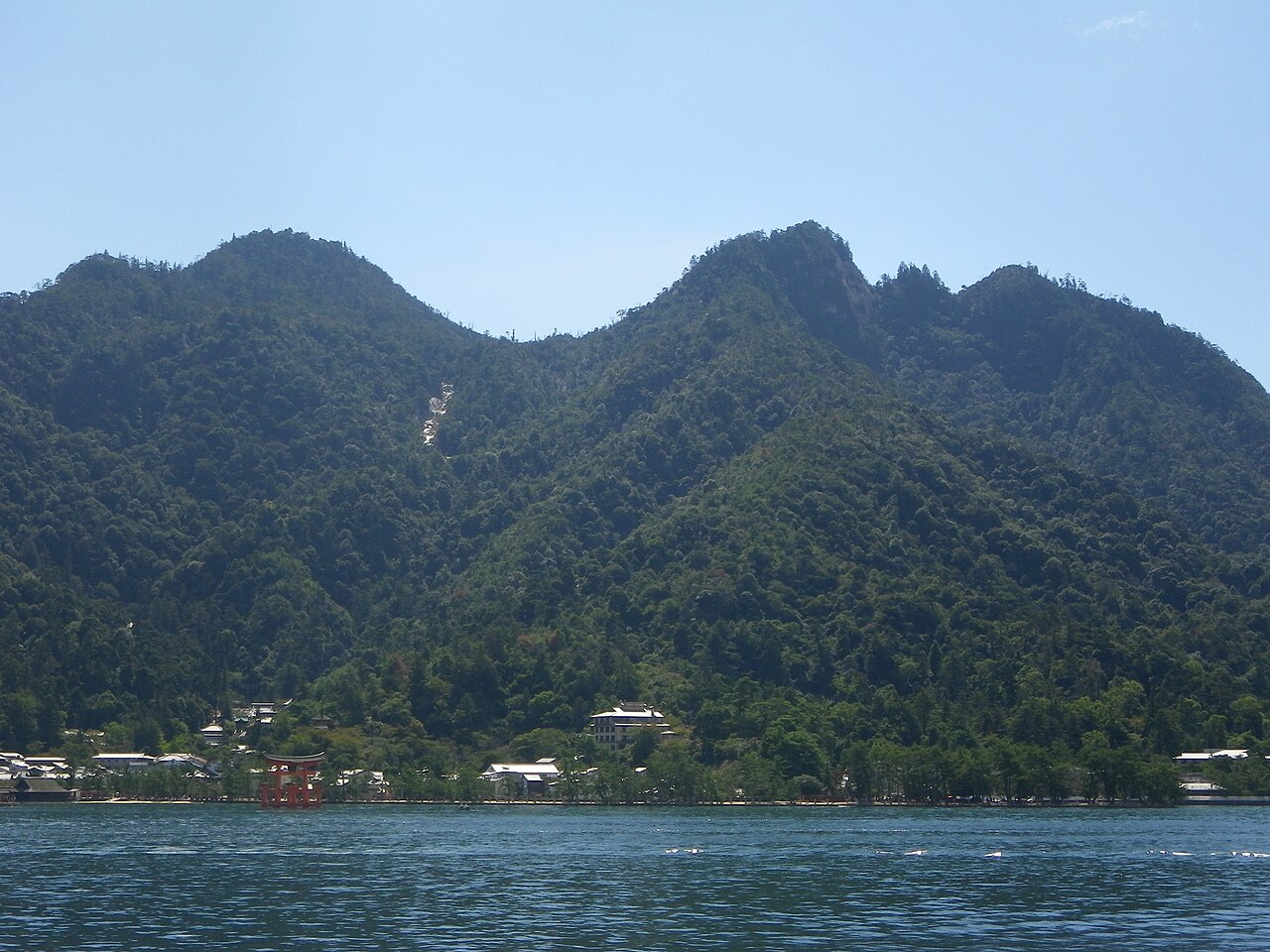
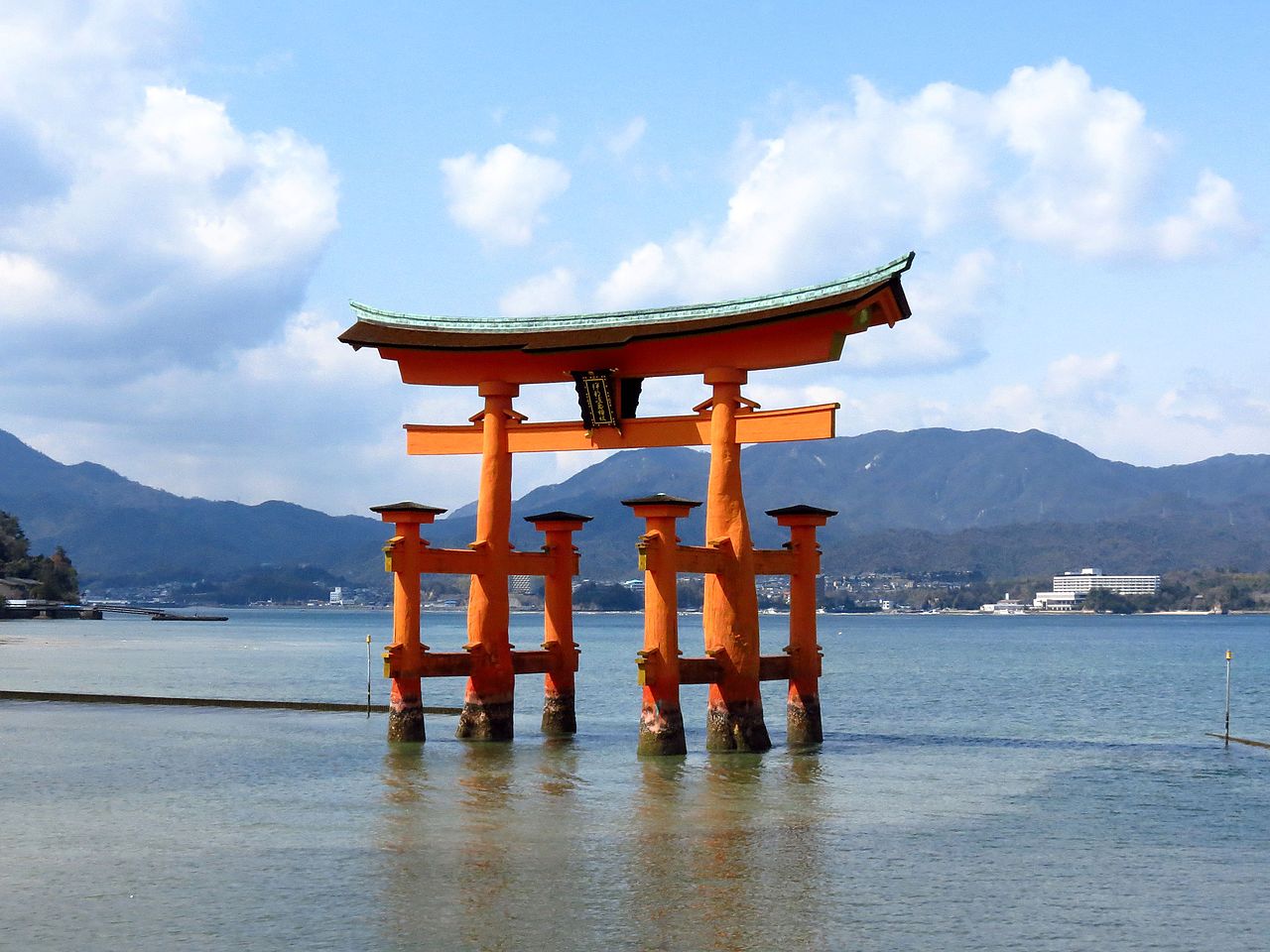
Hiroshima porte son histoire avec une dignité extraordinaire. Le Dôme de la Bombe Atomique et le Parc Mémorial de la Paix figurent parmi les sites les plus émouvants du monde — une expérience incontournable qui n'efface pas pour autant la vitalité remarquable de la ville. L'Hiroshima moderne est une cité florissante et tournée vers l'avenir, avec une culture culinaire distinctive fondée sur l'okonomiyaki en couches et certaines des meilleures huîtres du Japon, cultivées dans la baie d'Hiroshima. À une heure de ferry, l'île de Miyajima surgit de la mer intérieure de Seto avec son célèbre torii flottant, ses daims sauvages et les salles antiques du sanctuaire Itsukushima. Pour les voyageurs actifs, le Shimanami Kaido — une route cyclable de 70 km reliant Honshu à Shikoku via des ponts enjambant des îles — est l'une des plus belles expériences à vélo en Asie.

🌏
Localisation
Île de Honshu, région Chugoku — Baie d'Hiroshima, côte de la mer intérieure de Seto
🗣️
Langue
Japonais (anglais très disponible dans la zone du Parc de la Paix et à Miyajima)
💴
Devise
Yen japonais (JPY) — cartes IC acceptées largement
🕐
Fuseau horaire
JST (UTC+9) — pas d'heure d'été
🌡️
Meilleure saison
Printemps (mars–avril) & Automne (oct.–nov.)
✈️
Aéroport le plus proche
Aéroport d'Hiroshima (HIJ) — 45 min en bus jusqu'au centre-ville
🚇
Se déplacer
Tramway d'Hiroshima — tarif fixe de 200 yens, dessert tous les sites principaux
Prise électrique
Type A, 100V / 60Hz

✈️ Comment s'y rendre

Hiroshima est bien desservie par le Shinkansen sur la ligne San'yo. Le réseau de tramways de la ville est l'un des plus pratiques du Japon — un tarif fixe de ¥200 couvre l'ensemble du réseau, y compris les trajets vers le Parc de la Paix et l'embarcadère du ferry pour Miyajima. L'aéroport d'Hiroshima se trouve à 45 minutes à l'est de la ville en car de navette.

✈️ Depuis l'aéroport d'Hiroshima (HIJ)
  • Car de navette aéroport → Gare d'Hiroshima — 45 min. ¥1,340. Service direct toutes les 15–30 min.
  • Car de navette aéroport → Sortie Shinkansen — 45 min. Même tarif. Pratique si vous continuez directement en Shinkansen.
🚄 Depuis d'autres villes japonaises
  • Tokyo → Hiroshima (Nozomi Shinkansen) — 4 h. ¥18,380.
  • Osaka (Shin-Osaka) → Hiroshima (Nozomi) — 1 h. ¥10,440.
  • Fukuoka (Hakata) → Hiroshima (Nozomi) — 50 min. ¥7,790.
  • Kyoto → Hiroshima (Nozomi) — 1 h 20 min. ¥11,510.
🚇 Se déplacer à Hiroshima
  • Chemin de fer électrique d'Hiroshima (tramway) — Tarif fixe de ¥200 pour tout trajet dans la ville. Les lignes 1, 2 et 6 desservent le Parc de la Paix, le quartier commerçant Hondori et l'embarcadère du ferry (Hiroden Ujina). Procurez-vous une carte IC pour faciliter les paiements.
  • Ferry de Miyajima (JR Ferry) — Depuis la gare de Miyajimaguchi : traversée de 10 min, ¥200 par trajet (gratuit avec le JR Pass). Ferries toutes les 10–15 min.
  • Bus d'Hiroshima — Utile pour le Château d'Hiroshima et les zones périphériques non desservies par le tramway.
💡 Conseil voyageLe <strong>Hiroshima Tourists Pass</strong> (1 jour ¥700 / 2 jours ¥1,000) couvre les trajets illimités en tramway dans la ville d'Hiroshima. Pour les excursions à Miyajima, ajoutez la traversée en JR Ferry — couverte par le JR Pass.

📖 Guides de Voyage Recommandés

Des guides complets pour planifier chaque aspect de votre séjour — des incontournables aux meilleurs restaurants et événements saisonniers.

⛩️

Sites touristiques

9 lieux
Miyajima Island & Itsukushima Shrine
📍 Hatsukaichi, Hiroshima

Miyajima Island & Itsukushima Shrine

Itsukushima Shrine's iconic vermilion torii gate appears to float on the water at high tide, making this one of Japan's most photographed scenes. Miyajima Island also shelters sacred deer, a five-storey pagoda, and forested hiking trails leading to Mt. Misen's panoramic summit.

UNESCO Floating Torii Island Shrine
Hiroshima Peace Memorial Park
📍 Naka-ku, Hiroshima

Hiroshima Peace Memorial Park

The symbolic heart of Hiroshima, this park surrounds the ruins of the Genbaku Dome — the only structure left standing near the 1945 atomic bomb hypocenter. Wander cenotaphs, the Children's Peace Monument, and the eternal flame to absorb the city's profound message of peace and resilience.

UNESCO Atomic Bomb Dome Peace History
Hiroshima Peace Memorial Museum
📍 Naka-ku, Hiroshima

Hiroshima Peace Memorial Museum

One of Japan's most important museums, documenting the human toll of the 1945 atomic bombing through personal artifacts, photographs, and survivor testimonies. Deeply moving and essential for understanding modern history, the museum advocates nuclear abolition and world peace.

Museum History Atomic Bomb UNESCO
Onomichi Temple Walk & Cat Alley
📍 Onomichi, Hiroshima

Onomichi Temple Walk & Cat Alley

Onomichi's hillside lanes connect 25 temples and shrines via a scenic walking path loved by filmmakers and artists. The narrow alleys are famous for their cats, vintage shotengai shopping streets, and sweeping views over the Onomichi Channel and island-dotted Setonaikai.

Temple Walk Cats Retro Town Scenic
Kure: Yamato Museum & Iron Whale Museum
📍 Kure, Hiroshima

Kure: Yamato Museum & Iron Whale Museum

Kure's maritime heritage shines at two world-class museums. The Yamato Museum displays a 1:10 model of the legendary battleship alongside wartime artefacts, while JMSDF Kure Museum (Iron Whale) lets visitors board a real decommissioned submarine for a unique inside look at naval life.

Battleship Naval History Museum Submarine
Tomonoura Historic Port Town
📍 Fukuyama, Hiroshima

Tomonoura Historic Port Town

One of the Seto Inland Sea's best-preserved Edo-period port towns, Tomonoura's stone-walled harbour, old merchant houses, and evening glow over the sea inspired Hayao Miyazaki's Ponyo. Walk along the ancient quay and sip local bingo-mirin sake at a centuries-old brewery.

Historic Port Retro Setonaikai Filming Location
🍜

Gastronomie

5 lieux
Hiroshima Oysters
📍 Hiroshima Prefecture

Hiroshima Oysters

Hiroshima produces over 60% of Japan's oysters, nurtured in the mineral-rich waters of the Seto Inland Sea. Enjoy them grilled (kaki-yaki), deep-fried (kaki-furai), or raw at waterfront restaurants in Miyajima or the city's oyster bars — best from October to March.

Oysters Seafood Local Specialty Setonaikai
Hiroshima-style Okonomiyaki
📍 Naka-ku, Hiroshima

Hiroshima-style Okonomiyaki

Unlike the mixed Osaka-style, Hiroshima okonomiyaki layers thin batter, cabbage, pork, and yakisoba noodles on a hot iron griddle, finished with a sweet-savoury sauce. Okonomimura — a six-storey building crammed with small stalls — is the pilgrimage site for this beloved local dish.

Okonomiyaki Street Food Local Specialty Noodles
Saijo Sake Brewery District
📍 Higashihiroshima, Hiroshima

Saijo Sake Brewery District

Saijo in eastern Hiroshima is one of Japan's top three sake-brewing towns. Eight historic breweries cluster together, their white-washed kura topped with distinctive red-brick chimneys. Visit during the October Sake Festival when 75,000 sake lovers pour into the streets for tastings.

Sake Brewery Tasting Kura
Momiji Manju Tasting
📍 Hatsukaichi, Hiroshima

Momiji Manju Tasting

Hiroshima's most famous souvenir is the maple-leaf-shaped momiji manju — a soft cake filled with sweet bean paste, custard, or chocolate. Miyajima has several bakeries where you can watch them being made fresh on cast-iron molds and eat them warm straight from the griddle.

Wagashi Souvenir Maple Leaf Sweet
Hiroshima-style Ramen
📍 Hiroshima City, Hiroshima

Hiroshima-style Ramen

Hiroshima ramen features straight noodles in a light soy-sauce-based chicken broth, often topped with chashu pork, menma, and green onions. Unlike Osaka or Sapporo ramen, the flavour is clean and delicate. The Eba district is particularly known for its long-established ramen shops.

Ramen Soy Sauce Local Food Noodles
🏔️

Nature

5 lieux
Shimanami Kaido Cycling
📍 Onomichi, Hiroshima

Shimanami Kaido Cycling

The Shimanami Kaido is a 70-km cycling route crossing six islands between Onomichi, Hiroshima and Imabari, Ehime via a series of spectacular suspension bridges over the Seto Inland Sea. Rental bikes are available at each island, and the scenery — citrus orchards, fishing villages, and open sea — is spectacular.

Cycling Bridge Seto Inland Sea Scenic Route
Miyajima Autumn Foliage
📍 Hatsukaichi, Hiroshima

Miyajima Autumn Foliage

From late October to mid-November, Miyajima Island transforms into a blaze of crimson and gold as the maple, cherry, and oak trees turn. The combination of autumn colour reflected in the sea around the floating torii gate and the sacred deer wandering amid fallen leaves is ethereally beautiful.

Autumn Leaves Maple Island Scenic
Mt. Misen Hiking (Miyajima)
📍 Hatsukaichi, Hiroshima

Mt. Misen Hiking (Miyajima)

At 535 m, Mt. Misen is Miyajima's highest peak and one of its most sacred. Three hiking trails wind through primeval forest past giant boulders, stone Buddhas, and the Eternal Fire — said to have burned for 1,200 years. The summit reveals jaw-dropping views across the Seto Inland Sea.

Hiking Summit Panoramic View Sacred Mountain
Sandankyo Gorge
📍 Akiota, Hiroshima

Sandankyo Gorge

A 16-km ravine carved through pristine mountain forest, Sandankyo rewards hikers with a string of emerald pools, suspension bridges, and the multi-tiered Mishigo Waterfall. Autumn foliage transforms the gorge into a mosaic of red, orange, and gold from late October.

Gorge Waterfalls Hiking Autumn Leaves
Shukkeien Garden
📍 Naka-ku, Hiroshima

Shukkeien Garden

A miniature landscape garden designed in 1620, Shukkeien compresses mountains, rivers, and forests into a strolling garden centred on a carp-filled pond. It miraculously survived near-total destruction in 1945 and today offers a tranquil green refuge in central Hiroshima.

Japanese Garden Teahouse Koi Pond Cherry Blossoms
🎿

Loisirs

6 lieux
Shimanami Kaido Cycling
📍 Onomichi, Hiroshima

Shimanami Kaido Cycling

The Shimanami Kaido is a 70-km cycling route crossing six islands between Onomichi, Hiroshima and Imabari, Ehime via a series of spectacular suspension bridges over the Seto Inland Sea. Rental bikes are available at each island, and the scenery — citrus orchards, fishing villages, and open sea — is spectacular.

Cycling Bridge Seto Inland Sea Scenic Route
Seto Inland Sea Island Cruise
📍 Seto Inland Sea, Hiroshima

Seto Inland Sea Island Cruise

The Setonaikai (Seto Inland Sea) is dotted with over 3,000 islands best explored by ferry. Routes from Onomichi lead to art-island Ikuchijima (Kosanji Temple) and Setoda. The calm blue water, pine-covered islands, and distant mountain silhouettes create scenery described as the Inland Sea of Japan.

Cruise Island Hopping Scenic Art Islands
Onomichi Temple Walk & Cat Alley
📍 Onomichi, Hiroshima

Onomichi Temple Walk & Cat Alley

Onomichi's hillside lanes connect 25 temples and shrines via a scenic walking path loved by filmmakers and artists. The narrow alleys are famous for their cats, vintage shotengai shopping streets, and sweeping views over the Onomichi Channel and island-dotted Setonaikai.

Temple Walk Cats Retro Town Scenic
Saijo Sake Brewery District
📍 Higashihiroshima, Hiroshima

Saijo Sake Brewery District

Saijo in eastern Hiroshima is one of Japan's top three sake-brewing towns. Eight historic breweries cluster together, their white-washed kura topped with distinctive red-brick chimneys. Visit during the October Sake Festival when 75,000 sake lovers pour into the streets for tastings.

Sake Brewery Tasting Kura
Mazda Zoom-Zoom Stadium Hiroshima
📍 Minami-ku, Hiroshima

Mazda Zoom-Zoom Stadium Hiroshima

Home of the Hiroshima Toyo Carp, one of Japan's most passionate baseball fan bases, Mazda Zoom-Zoom Stadium opened in 2009 with a retro open design that keeps fans close to the action. A full-stadium night game under the lights, with red-clad carp fans filling the stands, is an unforgettable experience.

Baseball Sports Carp Stadium
Shukkeien Garden
📍 Naka-ku, Hiroshima

Shukkeien Garden

A miniature landscape garden designed in 1620, Shukkeien compresses mountains, rivers, and forests into a strolling garden centred on a carp-filled pond. It miraculously survived near-total destruction in 1945 and today offers a tranquil green refuge in central Hiroshima.

Japanese Garden Teahouse Koi Pond Cherry Blossoms
🎆

Événements

4 lieux
Hiroshima Peace Memorial Lantern Floating
📍 Naka-ku, Hiroshima

Hiroshima Peace Memorial Lantern Floating

Every August 6th on the anniversary of the atomic bombing, thousands of paper lanterns are floated down the Motoyasu River past the Atomic Bomb Dome as dusk falls. This deeply moving ceremony honours the victims and draws visitors from around the world in a silent vigil of hope.

Lantern Festival Peace August 6 Obon
Hiroshima Sake Festival (Saijo)
📍 Higashihiroshima, Hiroshima

Hiroshima Sake Festival (Saijo)

Every second weekend of October, Saijo's brewery district hosts one of Japan's greatest sake celebrations. Attendees receive a festival cup and wander freely between eight historic breweries, sampling dozens of varieties. Over 75,000 visitors fill the lantern-lit streets each year.

Sake Autumn Festival Tasting Brewery
Hiroshima Flower Festival
📍 Naka-ku, Hiroshima

Hiroshima Flower Festival

Held every Golden Week (May 3–5) along the Peace Boulevard, Hiroshima's biggest festival draws over a million visitors with elaborate parade floats, regional food stalls, live stages, and a sea of flowers. The festival's joyful atmosphere powerfully symbolises Hiroshima's spirit of renewal and hope.

Festival Parade Golden Week Flowers
Hiroshima Illuminage
📍 Naka-ku, Hiroshima

Hiroshima Illuminage

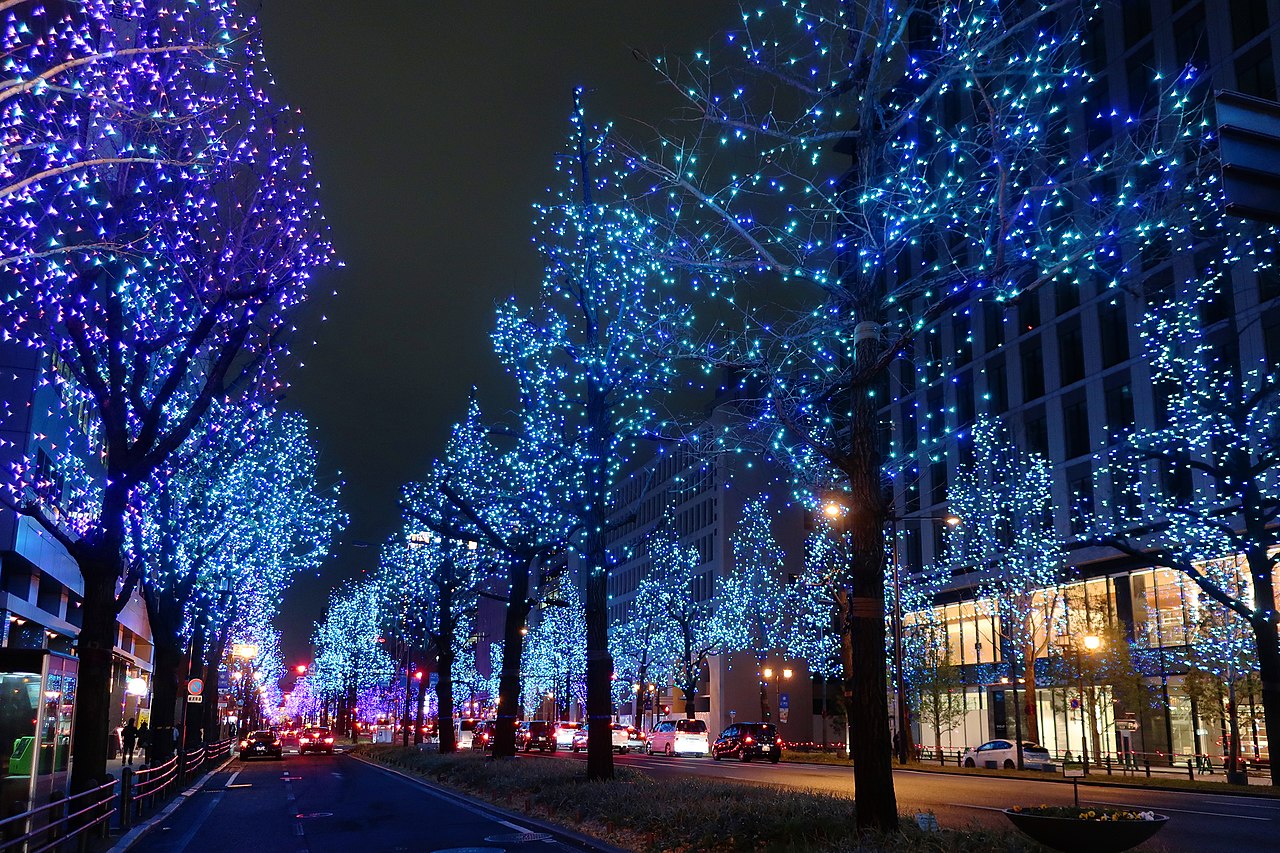
Each winter, Orizuru Tower and Peace Boulevard light up with millions of LED installations drawing on Hiroshima's iconic imagery — folded paper cranes, atomic dome silhouettes, and cherry blossoms — creating a dreamlike nocturnal walk that celebrates life, hope, and the city's vibrant future.

Illumination Winter Light Festival Family
🎌

Expériences

2 lieux
Hiroshima Okonomiyaki Cooking Class
📍 Naka-ku, Hiroshima

Hiroshima Okonomiyaki Cooking Class

Learning to make Hiroshima-style okonomiyaki — the layered crepe-noodle-cabbage pancake that differs fundamentally from Osaka's mixed style — requires mastering the iron griddle, the precise layering sequence, and the perfectly timed flip that keeps all layers intact. Cooking classes in Okonomimura run by veteran okonomiyaki cooks teach the exact technique, ending with eating your creation topped with sauce and bonito.

Okonomiyaki Cooking Local Food Workshop
Hiroshima Paper Crane Origami Workshop
📍 Naka-ku, Hiroshima

Hiroshima Paper Crane Origami Workshop

The paper crane (orizuru) is Hiroshima's symbol of peace and healing, inspired by Sadako Sasaki who folded 1,000 cranes during her atomic bomb illness. Workshops near the Peace Memorial Park teach traditional origami from simple cranes to complex modular designs, explaining the senbazuru (1,000 cranes) tradition and the cultural significance of each fold in the context of Hiroshima's story.

Origami Paper Crane Peace Workshop

💡 Conseils pratiques de voyage

Tout ce que vous devez savoir avant et pendant votre visite.

🌸
Meilleure période pour visiter
  • Printemps (fin mars–avril) — Les cerisiers en fleurs dans le Parc Mémorial de la Paix et les douves du Château d'Hiroshima sont splendides. Les cerisiers de Miyajima fleurissent aux côtés du torii pour des photos saisissantes.
  • Automne (oct.–nov.) — La saison des momiji (érables) sur Miyajima est célèbre — le parc Momiji-dani (Vallée des Érables) se pare de rouge et d'orange vifs, et les foules automnales sont moins denses qu'au printemps.
  • Hiver (déc.–fév.) — Les hivers à Hiroshima sont doux. La saison des huîtres bat son plein (oct.–mars) — c'est la meilleure période pour déguster des huîtres fraîches grillées à Miyajima et dans les restaurants de la ville.
  • Été (juil.–août) — La Cérémonie Commémorative de la Paix du 6 août est profondément émouvante et attire des visiteurs du monde entier. Chaud et humide — prévoyez des vêtements légers.
💴
Guide budgétaire
  • Budget (¥5,000–¥9,000/jour) — Auberge de jeunesse près de la Gare d'Hiroshima, okonomiyaki à l'Okonomimura (¥1,000–¥1,200), entrée au Parc de la Paix (gratuite), forfait tramway journée (¥700).
  • Milieu de gamme (¥15,000–¥25,000/jour) — Hôtel d'affaires près du Parc de la Paix, déjeuner aux huîtres fraîches à Miyajima, Sanctuaire Itsukushima (¥300), dîner à l'anago meshi.
  • Luxe (¥40,000+/jour) — Ryokan sur l'île de Miyajima avec dîner kaiseki, circuit cycliste privé sur le Shimanami Kaido, contemplation du torii à marée haute au coucher du soleil.
  • Miyajima : Sanctuaire Itsukushima ¥300. Musée Mémorial de la Paix d'Hiroshima ¥200. Tous deux offrent un rapport qualité-prix exceptionnel.
🚇
Se déplacer
  • Le tramway est le moyen le plus simple de se déplacer à Hiroshima — tarif fixe de ¥200, fréquence élevée, facile à utiliser. La ligne 2 mène directement à l'arrêt du Parc Mémorial de la Paix (Genbaku Dome-mae).
  • Pour Miyajima, prenez le tramway jusqu'à Hiroden Miyajima-guchi, puis le JR Ferry (10 min, ¥200). L'île se visite entièrement à pied.
  • Le Shimanami Kaido part d'Onomichi (40 min d'Hiroshima en JR). Des vélos peuvent être loués au port d'Onomichi pour un trajet en sens unique jusqu'à Imabari (70 km, 1–2 jours).
  • Une voiture de location est idéale pour explorer les zones rurales de la préfecture d'Hiroshima — les gorges de Taishakukyo et les gorges de Sandankyo sont plus accessibles en voiture.
📱
Rester connecté
  • Achetez une carte SIM data ou un pocket WiFi à l'aéroport d'Hiroshima ou à la Gare d'Hiroshima. IIJmio, Docomo et au ont des comptoirs à l'aéroport.
  • Le Musée Mémorial de la Paix, Miyajima et la plupart des sites touristiques disposent du WiFi public gratuit.
  • Google Maps fonctionne bien pour naviguer sur les lignes de tramway d'Hiroshima — recherchez le numéro de ligne et l'arrêt de destination.
🍽️
Conseils restauration
  • Okonomimura (Village de l'Okonomiyaki) — un bâtiment sur 3 étages avec 25 stands d'okonomiyaki individuels, chacun avec sa propre recette. Asseyez-vous au comptoir teppan et regardez le chef assembler les couches. Entre ¥900 et ¥1,300 par crêpe.
  • Les huîtres d'Hiroshima sont généralement disponibles d'oct. à avr. Commandez kakifurai (frits), kaki-gohan (riz aux huîtres) ou grillées dans leur coquille dans les cabanes à huîtres de Miyajima.
  • L'anago meshi (boîte de riz à l'anguille congre) est le grand bento de gare d'Hiroshima — le plus célèbre est celui de la boutique Ueno à la gare de Miyajimaguchi. Achetez-le à l'avance pour la traversée en ferry.
  • La galerie marchande Hondori d'Hiroshima dispose d'excellentes cours de restauration et de bars debout pour un déjeuner rapide entre les visites.
🎌
Étiquette et culture
  • Au Parc Mémorial de la Paix, adoptez un comportement calme et respectueux. Le cénotaphe et le Monument à la Paix des Enfants sont des lieux de deuil sincère — parlez à voix basse.
  • À Miyajima, les daims sont sauvages et voleront de la nourriture — y compris des cartes, des sacs et tout ce qui est en papier. Gardez la nourriture dans votre sac et ne les nourrissez pas.
  • Le Sanctuaire Itsukushima est un sanctuaire en activité — inclinez-vous à l'entrée du torii et respectez l'étiquette standard des sanctuaires (pas de musique forte, pas de nourriture à l'intérieur des couloirs du sanctuaire).
  • Hiroshima possède une culture locale conviviale et ouverte, comparable à celle d'Osaka — les habitants sont en général très accueillants envers les visiteurs étrangers.

🏨 Trouver des hôtels à Hiroshima

Comparez les prix de centaines d'hôtels — des capsules économiques aux ryokan de luxe.

Chercher sur Booking.com →

🎌 Circuits &amp; Expériences

Réservez des visites guidées, excursions, cours de cuisine et expériences culturelles.

Voir les circuits sur Viator →

🗺️ Activités &amp; Attractions

Évitez les files d'attente — réservez à l'avance entrées, excursions et expériences locales.

Découvrir sur GetYourGuide →

🎟️ À faire à Hiroshima

Découvrez billets, pass transport et expériences locales à Hiroshima avec Klook.

Réserver sur Klook →

🚄 JR Pass &amp; Billets de Train

Achetez votre Japan Rail Pass en ligne avant d'arriver — le moyen le plus simple de voyager en Shinkansen à travers le Japon.

Acheter le JR Pass →
🗺️ Plan