Kanto · Guide de la Préfecture

Guide de Voyage à Kanagawa

Ancienne capitale des samouraïs, ville portuaire cosmopolite et paradis thermal volcanique — à moins d'une heure de Tokyo

🗿 Le Grand Bouddha de Kamakura🌸 Cerisiers en Fleurs : Fin Mars🌋 Hakone & Vues sur le Mt. Fuji🚢 Yokohama — Le Plus Grand Chinatown du Japon♨️ Sources Chaudes de Hakone

🗾 À propos de Kanagawa

Kanagawa est le discret surdoué installé juste au sud de Tokyo. En une seule préfecture, vous pouvez vous incliner devant un Grand Bouddha vieux de 800 ans à Kamakura, déguster une bière artisanale avec vue sur le front de mer illuminé de Yokohama, vous prélasser dans un onsen brumeux avec vue directe sur le Mt. Fuji depuis Hakone, et terminer la journée avec des shirasu fraîches pêchées le matin même au large des côtes de Shonan. Facilement accessible depuis Tokyo en 30 à 90 minutes de train, Kanagawa récompense les visiteurs qui s'aventurent au-delà de la capitale — avec bien moins de foule que Kyoto et tout autant d'histoire, de beauté et de saveurs.

🌏
Emplacement
Île de Honshu, au sud de Tokyo
🗣️
Langue
Japonais (anglais disponible dans les principaux sites touristiques)
💴
Monnaie
Yen japonais (JPY) — cartes IC acceptées largement
🕐
Fuseau Horaire
JST (UTC+9) — pas d'heure d'été
🌡️
Meilleure Période
Printemps (mars–mai) & Automne (oct–nov)
✈️
Aéroports les Plus Proches
Haneda (HND) 30 min · Narita (NRT) 90 min
🚇
Se Déplacer
Lignes JR, Odakyu, Keikyu, Enoden — carte IC Suica indispensable
Prise Électrique
Type A, 100V / 50–60Hz

✈️ Comment s'y rendre

Kanagawa est l'une des préfectures les plus accessibles du Japon. Yokohama est à 25 minutes de Tokyo en express, Kamakura à 55 minutes, et Hakone à environ 85 minutes via le Romancecar Odakyu — ce qui rend les excursions à la journée depuis Tokyo très pratiques, même si une nuit sur place vous permet de profiter de la région à son meilleur.

✈️ Depuis l'Aéroport de Haneda (HND)
  • Ligne Keikyu directe vers Yokohama — 25 min jusqu'à la gare de Yokohama. ¥370. Option la plus rapide et la moins chère.
  • Ligne Keikyu vers la région de Kamakura — Changement à Yokohama pour la Ligne JR Yokosuka. Total ~55 min.
  • Bus Limousine vers Yokohama — Porte-à-porte vers les grands hôtels de Yokohama. ~40 min. ¥860.
✈️ Depuis l'Aéroport de Narita (NRT)
  • Narita Express (N'EX) vers Yokohama — 90 min direct. ¥4 370. Option la plus confortable.
  • Keisei + Keikyu (via Shinagawa) — Alternative économique. ~100 min. ¥1 600.
🚄 Depuis d'Autres Villes Japonaises
  • Tokyo → Yokohama — Ligne JR Tokaido / Shonan-Shinjuku : ~25–30 min. ¥480.
  • Osaka/Kyoto → Odawara — Shinkansen Tokaido Kodama : ~50 min depuis Shin-Osaka. ¥12 770.
  • Tokyo → Kamakura — Ligne JR Yokosuka depuis Shinjuku : ~55 min. ¥940.
  • Tokyo → Hakone (Odawara) — Romancecar Odakyu depuis Shinjuku : ~85 min. ¥2 470 (siège réservé).
🚇 Se Déplacer à Kanagawa
  • Carte IC Suica / Pasmo — Fonctionne sur toutes les lignes JR, Keikyu, Odakyu et Enoden de la préfecture.
  • Enoden (Enoshima Electric Railway) — Tramway panoramique de 10 km reliant Kamakura, Hase et Enoshima. ¥260–¥360 par tronçon.
  • Hakone Freepass — Pass 2 jours (¥6 100 depuis Shinjuku) couvrant le Romancecar Odakyu + tous les transports de Hakone (bus, téléphérique, croisière sur le lac, train rétro).
  • Taxi & Bus — Utiles à Hakone et dans la péninsule de Miura. Prenez un taxi pour visiter les temples de Kamakura si vous êtes pressé.
💡 Conseil voyagePour Hakone, achetez le Hakone Freepass à la gare de Shinjuku avant de partir — il inclut la réservation du Romancecar Odakyu et couvre les transports illimités sur les 8 systèmes de transport de Hakone pendant 2 jours, représentant une économie significative par rapport aux tarifs à l'unité.

📖 Guides de Voyage Recommandés

Des guides complets pour planifier chaque aspect de votre séjour — des incontournables aux meilleurs restaurants et événements saisonniers.

⛩️

Sites touristiques

6 lieux
Kamakura Great Buddha (Kotoku-in)
📍 Kamakura, Kanagawa Year-round

Kamakura Great Buddha (Kotoku-in)

Japan's most famous outdoor bronze Buddha stands 13.35 m tall at Kotoku-in temple. Cast in 1252, it has survived typhoons, tsunamis, and earthquakes. The statue is hollow — you can enter for ¥20. Surrounded by wooded hills, it is one of Japan's most serene and iconic sights.

Giant Statue UNESCO Candidate Temple History
Hakone Open-Air Museum
📍 Hakone, Ashigarako Year-round

Hakone Open-Air Museum

Japan's first open-air art museum spreads 70,000 m² of mountain meadow with over 120 large-scale sculptures by Rodin, Miro, Calder, and Picasso. Walk through works of art with Mt. Hakone in the background. The indoor Picasso Pavilion holds the world's largest Picasso collection outside Europe.

Art Museum Sculpture Mountain Views Picasso
Enoshima Sea Candle & Sunset
📍 Fujisawa, Kanagawa

Enoshima Sea Candle & Sunset

Enoshima Island's Sea Candle observation lighthouse offers 360° views across Sagami Bay to Mt. Fuji — best at sunset when the volcano turns deep crimson against a pink sky. The island's approach via a 600-m causeway, sea cave shrines, and fresh shirasu (whitebait) cuisine make it a perfect half-day trip from Tokyo.

Island Lighthouse Sunset Sea View
Yokohama Minato Mirai 21
📍 Minato Mirai, Yokohama Year-round

Yokohama Minato Mirai 21

Yokohama's landmark waterfront district combines the towering Landmark Tower observatory, the historic Red Brick Warehouse, and the Cosmo Clock Ferris wheel along a beautiful harbour promenade. The night skyline reflected in Yokohama Bay is one of Japan's most spectacular urban views.

City Views Waterfront Modern Night Views
Enoshima Island & Shrine
📍 Enoshima, Fujisawa Year-round

Enoshima Island & Shrine

A small island connected to the mainland by a 600 m bridge, Enoshima is packed with atmosphere: a hillside shrine complex, sea caves (Iwaya), a sea candle lighthouse with Mt. Fuji views, quirky street food, and the famous Bentenjima tidal flat at sunset.

Island Shrine Sea Cave Shonan Coast
Yokohama Chinatown
📍 Naka Ward, Yokohama Year-round

Yokohama Chinatown

Asia's largest Chinatown fills 500+ shops and restaurants into a labyrinth of vermillion gates and neon-lit alleyways. Founded after the 1859 opening of Yokohama port, it's a living piece of history. The Kanteibyo temple (1871) and the spectacular Zenpukumon Gate are standouts.

Chinatown History Colorful Gates Architecture
🍜

Gastronomie

6 lieux
Shin-Yokohama Ramen Museum
📍 Kohoku-ku, Yokohama

Shin-Yokohama Ramen Museum

Housed in a recreation of a 1958 Tokyo back street, the Shin-Yokohama Ramen Museum showcases nine regional ramen styles from Sapporo to Kyushu under one roof. Visitors receive ¥500 mini-ramen tokens to sample multiple styles — the best way to understand Japan's extraordinary noodle diversity in a single visit.

Ramen Museum Showa Theme Regional Varieties
Misaki Maguro (Tuna Town)
📍 Misaki, Miura Year-round

Misaki Maguro (Tuna Town)

Miura's Misaki port is one of Japan's top tuna landing sites, offloading catches from the Pacific and Indian Oceans. The town around it is packed with tuna-everything restaurants: tuna sashimi, tuna ramen, tuna curry, tuna ice cream. Fresh and cheap — a 90-minute train from Tokyo.

Tuna Fresh Sashimi Local Fishing Port Day Trip
Yokohama Chinatown Dining
📍 Naka Ward, Yokohama Year-round

Yokohama Chinatown Dining

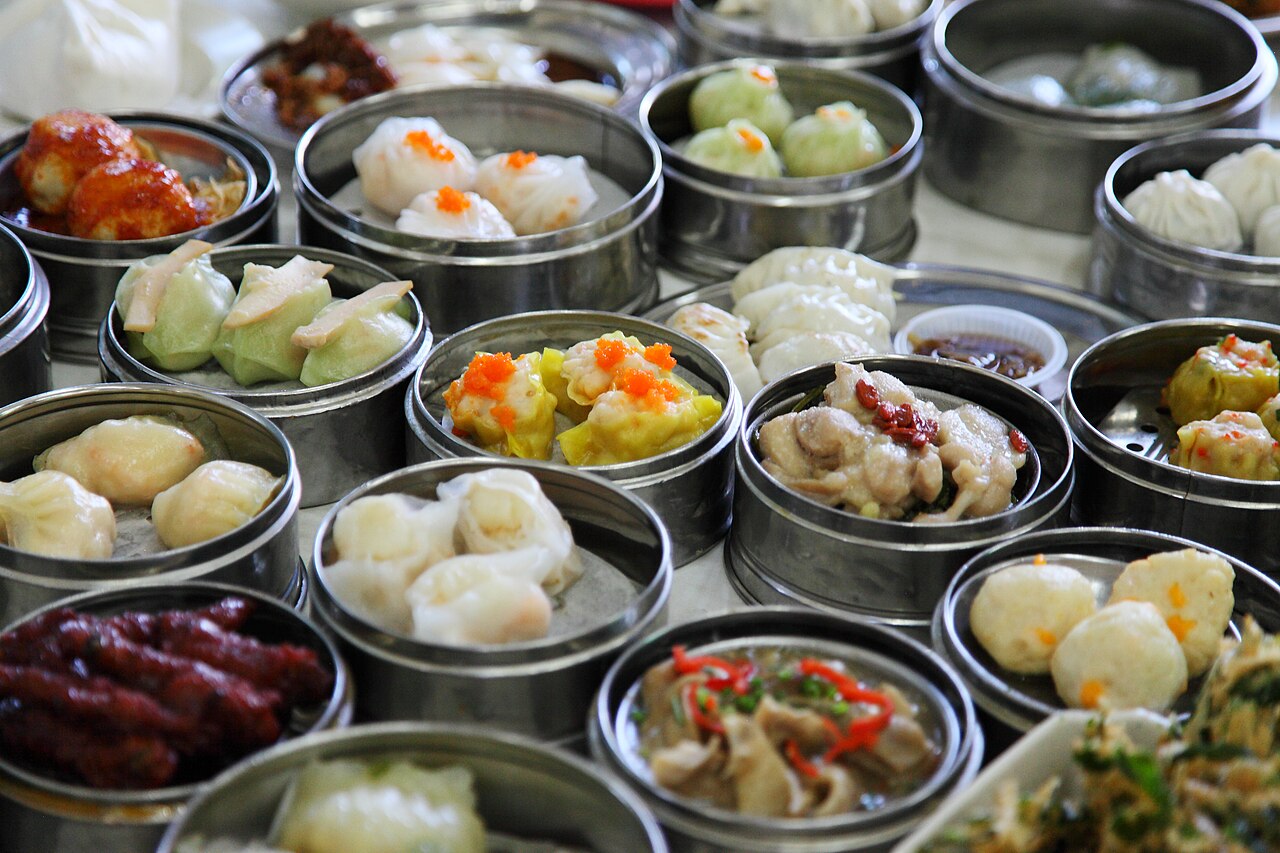
Yokohama Chinatown is a feast for all senses. Join the queue for giant nikuman (steamed pork buns), graze on baked custard tarts, and settle into a banquet hall for proper dim sum and Cantonese roast duck. The food here is more authentic and more varied than anywhere else in Japan.

Chinese Cuisine Dim Sum Pork Buns Street Food
Shonan Shirasu (Whitebait)
📍 Enoshima, Fujisawa Spring – Autumn

Shonan Shirasu (Whitebait)

The Shonan coast is Japan's capital of shirasu (whitebait). Dozens of restaurants along the Kamakura–Enoshima coast serve raw or boiled shirasu over hot rice in a bowl, often eaten overlooking the sea. The season runs March to December — in winter, the area switches to dried shirasu.

Local Specialty Seafood Whitebait Don (Rice Bowl)
Odawara Kamaboko & Fresh Fish
📍 Odawara, Kanagawa Year-round

Odawara Kamaboko & Fresh Fish

Odawara has been Japan's kamaboko (fish paste) capital for centuries, thanks to its fishermen and the Hakone mountains providing fresh spring water. Visit a kamaboko factory and watch artisans shape it by hand, then graze through the seafood market at Odawara Port for grilled fish and negitoro rolls.

Kamaboko Fish Paste Seafood Market Local Craft
Yokohama Ie-kei Ramen
📍 Yokohama, Kanagawa Year-round

Yokohama Ie-kei Ramen

Ie-kei (家系) ramen was born in Yokohama in 1974. Its hallmark is a rich, creamy tonkotsu-shoyu broth with thick straight noodles, three slices of chashu pork, spinach, and nori seaweed draped over the bowl. Yoshimuraya in Shin-Yokohama is the legendary birthplace.

Ramen Ie-kei Style Born in Yokohama Rich Broth
🏔️

Nature

6 lieux
Kamakura Daibutsu Hiking Trail
📍 Kamakura, Kanagawa

Kamakura Daibutsu Hiking Trail

The Daibutsu Hiking Course connects Kita-Kamakura to the Great Buddha through 2.5 km of forested ridge trail passing ancient tumuli, a Buddhist pond garden, and viewpoints over Sagami Bay. The contrast between quiet cedar forest and the famous 11-m bronze Amida Buddha waiting at trail's end makes this the most rewarding approach to one of Japan's most famous monuments.

Hiking Buddha Forest Trail History
Hakone & Mt. Fuji Views
📍 Hakone, Ashigarako Year-round

Hakone & Mt. Fuji Views

Hakone sits inside the caldera of an ancient volcano, with Lake Ashi reflecting Mt. Fuji on clear mornings. Cruise across the lake on a replica pirate ship, ride the Hakone Ropeway over steaming Owakudani volcanic vents, and stroll through beech forests on the Hakone Old Highway — all in one day.

Mt. Fuji Views Volcanic Lake Forest Scenic
Tanzawa Mountains
📍 Tanzawa, Isehara Spring / Autumn

Tanzawa Mountains

The Tanzawa range is the nearest serious mountain hiking to Tokyo, with peaks topping 1,500 m. The Omote-Tanzawa plateau is carpeted with ancient beech forest, and autumn colours here rival Nikko's. The iconic Mt. Oyama offers a steep but rewarding 2-hour ascent with sweeping Sagami Bay views.

Hiking Beech Forest Day Trip Ridge Trails
Mount Oyama (Afuri Shrine)
📍 Isehara, Kanagawa Autumn

Mount Oyama (Afuri Shrine)

Oyama (1,252 m) has been a sacred mountain since antiquity — the Afuri Shrine at its peak has been a pilgrimage destination for 2,000 years. The forested trail passes waterfalls and stone lanterns before revealing panoramic views of Sagami Bay and Mt. Fuji. The footpath is lined with restaurants serving mountain tofu.

Shrine Hiking Waterfall Tofu Cuisine Autumn Leaves
Shonan Coastline
📍 Shonan, Fujisawa Summer / Winter

Shonan Coastline

The 15 km Shonan coast stretches from Kamakura to Chigasaki with Japan's most famous surf beaches and stunning sunset views of Mt. Fuji silhouetted across the water. In summer it's packed; in winter, when skies are clearest, you'll often have the sand to yourself with Fuji dominating the horizon.

Beach Surf Mt. Fuji Views Sunset
Miura Peninsula Coast
📍 Miura Peninsula, Kanagawa Summer

Miura Peninsula Coast

The rugged southern tip of Kanagawa offers dramatic sea cliffs, small fishing harbours, and clear water ideal for snorkelling. Jogashima island at the very tip has a 3 km coastal walk with lighthouse views, tidal pools full of sea creatures, and wild flowers carpeting the clifftops in spring.

Cliffs Coastal Walk Sea Caves Snorkeling
🎿

Loisirs

6 lieux
Hakone Onsen Ryokan
📍 Hakone, Ashigarako Year-round

Hakone Onsen Ryokan

Hakone has been Japan's most popular hot spring resort for centuries, drawing the Tokyo elite seeking mountain air and volcanic mineral waters. Dozens of ryokan offer private outdoor baths (rotenburo) with Mt. Fuji views, multi-course kaiseki dinner, and yukata robes. A classic Japanese experience just 80 minutes from Shinjuku.

Hot Springs Ryokan Mt. Fuji View Relaxation
Enoshima Sea Candle & Sunset
📍 Fujisawa, Kanagawa

Enoshima Sea Candle & Sunset

Enoshima Island's Sea Candle observation lighthouse offers 360° views across Sagami Bay to Mt. Fuji — best at sunset when the volcano turns deep crimson against a pink sky. The island's approach via a 600-m causeway, sea cave shrines, and fresh shirasu (whitebait) cuisine make it a perfect half-day trip from Tokyo.

Island Lighthouse Sunset Sea View
Enoshima Aquarium (Enosui)
📍 Enoshima, Fujisawa Year-round

Enoshima Aquarium (Enosui)

Built right on the Sagami Bay coastline, Enosui is one of Japan's most beautiful aquariums. The deep-sea tank recreates the canyon off the coast of Sagami Bay, while the jellyfish fantasy hall glows with dozens of ethereal species. The dolphin and seal shows play out against open ocean views.

Aquarium Dolphin Show Jellyfish Family
Yokohama Cosmo World
📍 Minato Mirai, Yokohama Year-round

Yokohama Cosmo World

A free-entry amusement park in the heart of Minato Mirai, anchored by the 112 m Cosmo Clock 21 Ferris wheel (free to look at, paid to ride). Roller coasters, water rides, and game arcades line the waterfront. The giant wheel lights up spectacularly at night against the harbour skyline.

Amusement Park Ferris Wheel Waterfront Family
Hakkeijima Sea Paradise
📍 Kanazawa Ward, Yokohama Year-round

Hakkeijima Sea Paradise

A combined aquarium and amusement park on a small island in Yokohama, connected to the mainland by a scenic pedestrian bridge. The aquarium holds walruses, beluga whales, and dozens of other species, while the park outside has roller coasters including one that dives into the sea. Entry to the island is free.

Theme Park Aquarium Roller Coaster Family
Shonan Surfing & Beach Life
📍 Shonan, Fujisawa Summer

Shonan Surfing & Beach Life

The Shonan coast is the birthplace of Japanese surf culture. Chigasaki and Kamakura's Yuigahama Beach host surf schools, board rentals, and beach bars from June to September. The coastal cycling route from Kamakura to Enoshima and beyond is flat, scenic, and ideal for a half-day ride.

Surfing Beach Clubs Cycling Outdoor
🎆

Événements

6 lieux
Yokohama Minato Festival Fireworks
📍 Yokohama, Kanagawa

Yokohama Minato Festival Fireworks

Launched over Yokohama's spectacular international harbour every August, this is one of Japan's largest fireworks displays — 12,000 shells fired over 70 minutes above the illuminated Minato Mirai skyline and Red Brick Warehouse. The waterfront becomes a sea of spectators, and viewing from the port ferry or a restaurant on the 58th floor adds an unforgettable dimension.

Fireworks Yokohama Harbour Summer
Kanagawa Shimbun Fireworks
📍 Minato Mirai, Yokohama Late July / Early August

Kanagawa Shimbun Fireworks

One of the most spectacular fireworks shows in the Kanto region launches from Yokohama Bay each summer, with 10,000+ shells reflected in the harbour waters as Minato Mirai's skyscrapers form the backdrop. Reserve a restaurant terrace seat or stake out a spot on the Marine Tower observation deck months in advance.

Fireworks Summer Waterfront Spectacular
Kamakura Festival (Kamakura Matsuri)
📍 Kamakura, Kanagawa April (2–3 weeks)

Kamakura Festival (Kamakura Matsuri)

The Kamakura Festival fills the city with samurai-era pageantry for two weeks in April. The highlight is yabusame — mounted archery at full gallop through the avenue of Tsurugaoka Hachimangu shrine. Processions in Heian court costume, traditional dance performances, and the scent of spring blossoms fill the ancient streets.

Yabusame Archery Traditional Spring Festival History
Hakone Ekiden Relay Race
📍 Hakone, Ashigarako January 2–3

Hakone Ekiden Relay Race

The Hakone Ekiden is Japan's most watched New Year sports event — a two-day relay marathon between Tokyo and Hakone involving 20 university teams. Over 3 million spectators line the 217 km route; 30 million more watch on TV. The mountain section through Hakone on Day 2 is among the most dramatic in athletics.

Running Race New Year Tradition University Sport
Yokohama Oktoberfest
📍 Minato Mirai, Yokohama October

Yokohama Oktoberfest

Held in the Red Brick Warehouse plaza on Yokohama's waterfront, this official partner event of the Munich Oktoberfest is Japan's largest, drawing 300,000 visitors over three weeks. Authentic German beer, pretzels, sausages, and live oompah bands in front of the illuminated Minato Mirai skyline — a uniquely Yokohama spectacle.

German Festival Beer International Autumn
Odawara Hojo Godai Festival
📍 Odawara, Kanagawa Early May

Odawara Hojo Godai Festival

Odawara Castle transforms into the headquarters of the Hojo clan during this three-day festival commemorating the castle's five great lords. Over 1,000 participants march in full 16th-century samurai armour and court costume past the castle walls, with naginata and sword demonstrations, firing drills, and taiko drumming.

Samurai Parade Odawara Castle History May
🎌

Expériences

2 lieux
Kamakura Zazen Meditation
📍 Kamakura, Kanagawa

Kamakura Zazen Meditation

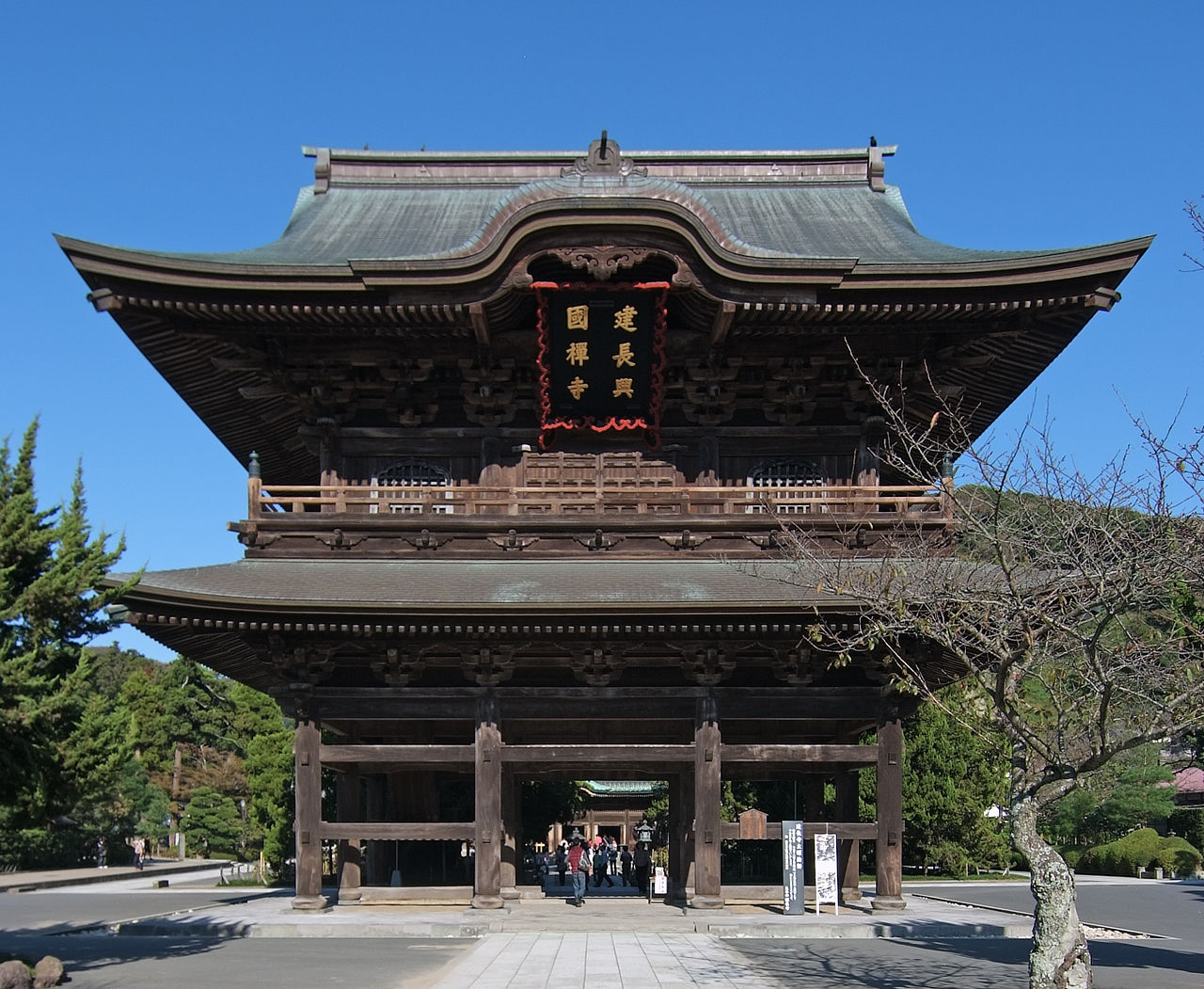
Engakuji and Kencho-ji temples in Kamakura offer early-morning zazen (seated Zen meditation) sessions open to foreign visitors without reservation. Sitting in the main hall of a 700-year-old Zen temple, guided by a monk through 45 minutes of silent seated meditation, is a profoundly different experience from any tourist activity — the most direct contact with living Japanese Zen practice.

Zazen Zen Meditation Temple
Yokohama Chinatown Dim Sum Cooking
📍 Yokohama, Kanagawa

Yokohama Chinatown Dim Sum Cooking

Yokohama Chinatown — Japan's largest and Asia's most visited — hosts cooking schools teaching Chinese dim sum and dumpling making. Small-group classes fold har gow, shape xiao long bao soup dumplings, and steam char siu bao alongside Chinese chefs. The hands-on technique of sealing the pleated wrappers is harder than it looks and immediately rewarding when they emerge from the steamer.

Dim Sum Cooking Class Chinatown Chinese Food

💡 Conseils pratiques de voyage

Tout ce que vous devez savoir avant et pendant votre visite.

🌸
Meilleure Période pour Visiter
  • Printemps (mars–mai) — Les cerisiers bordent la promenade Dankazura de Kamakura et le Parc Yamashita de Yokohama. Fin mars marque le pic de floraison — réservez bien à l'avance.
  • Automne (oct–nov) — Le feuillage automnal à Hakone et dans les temples de Kamakura est à couper le souffle, avec moins de foule qu'au printemps.
  • Été (juin–août) — Chaud et humide, mais les plages de Shonan et Enoshima attirent les foules. Idéal pour les festivals de feux d'artifice.
  • Hiver (déc–fév) — Hakone offre les vues les plus nettes sur le Mt. Fuji. Les onsen sont délicieusement chauds contre le froid.
💴
Guide Budget
  • Budget (¥6 000–¥10 000/jour) — Auberge ou hôtel capsule, ramen, bol de riz shirasu-don, visite des temples de Kamakura (la plupart des sanctuaires sont gratuits).
  • Milieu de gamme (¥15 000–¥30 000/jour) — Hôtel d'affaires, dîner au Chinatown de Yokohama, excursion à la journée à Hakone avec le Freepass.
  • Luxe (¥50 000+/jour) — Ryokan à Hakone avec onsen privé et dîner kaiseki, omakase à Yokohama, voiture de tourisme privée.
  • Les temples de Kamakura facturent généralement ¥200–¥600 d'entrée. Le Grand Bouddha est à ¥300. Prévoyez ¥2 000–¥3 000 pour une journée complète de visites.
🚇
Se Déplacer
  • Une carte IC Suica chargée de ¥3 000–¥5 000 couvre la plupart du réseau ferroviaire et de bus de Kanagawa.
  • Le tramway Enoden est incontournable — parcourez la côte entre Kamakura et Enoshima. Très fréquenté ; évitez 11h–15h les week-ends.
  • Pour Hakone, le Hakone Freepass (2 jours, ¥6 100 depuis Shinjuku) offre le meilleur rapport qualité-prix — inclut le Romancecar Odakyu + toutes les boucles de Hakone.
  • Yokohama est accessible à pied entre Sakuragicho, Minatomirai, Chinatown et le Parc Yamashita — environ 30 minutes d'un bout à l'autre à pied.
🦐
Conseils Gastronomiques
  • Shirasu (blanchaille) — La spécialité de Shonan et Enoshima ; essayez un shirasu-don (bol de riz) dans un restaurant en bord de mer. Saison : mi-avril à décembre.
  • Ramen Ie-kei — Le style ramen propre à Yokohama : bouillon épais tonkotsu-soja avec des nouilles plates. Yoshimuraya à Yokohama est l'établissement fondateur.
  • Chinatown de Yokohama — Le plus grand Chinatown du Japon (500+ restaurants). Allez-y pour un déjeuner dim sum ; évitez les longues files du dimanche après-midi.
  • Kamaboko (pâté de poisson) — Les artisans kamaboko d'Odawara bordent l'ancienne route ; excellent souvenir local.
  • Thon de Misaki — Le port de Misaki dans la péninsule de Miura débarque certains des meilleurs thons rouges du Japon. Plusieurs restaurants spécialisés à distance à pied du port.
♨️
Conseils Onsen à Hakone
  • Réservez votre ryokan à Hakone au moins 1 à 2 mois à l'avance pour les week-ends d'automne et de printemps — les établissements populaires se remplissent rapidement.
  • Onsen à la journée — Si vous ne restez pas la nuit, Hakone Yunessun (¥1 600) est le plus grand complexe de bains ; Tenzan Tohji-kyo offre une expérience plus traditionnelle (¥1 300).
  • La plupart des ryokan demandent une réservation préalable pour le dîner (kaiseki). Communiquez vos restrictions alimentaires au moment de la réservation.
  • Politique tatouage — De nombreux onsen traditionnels interdisent les tatouages. Recherchez les établissements « tattoo-friendly » (タトゥー可) si nécessaire.
🙏
Étiquette & Culture
  • Dans les temples de Kamakura, inclinez-vous légèrement en passant sous les torii et avant/après avoir prié aux sanctuaires.
  • Retirez vos chaussures en entrant dans les pièces tatami — la plupart des ryokan, certains restaurants traditionnels et certaines salles intérieures de temples.
  • Aux onsen, lavez-vous soigneusement à la station de douche avant d'entrer dans tout bain commun. Les serviettes ne doivent pas toucher l'eau du bain.
  • Enoshima et Kamakura sont très fréquentées les jours fériés — visitez tôt le matin (avant 9h) pour une expérience paisible.

🏨 Trouver des hôtels à Kanagawa

Comparez les prix de centaines d'hôtels — des capsules économiques aux ryokan de luxe.

Chercher sur Booking.com →

🎌 Circuits & Expériences

Réservez des visites guidées, excursions, cours de cuisine et expériences culturelles.

Voir les circuits sur Viator →

🗺️ Activités & Attractions

Évitez les files d'attente — réservez à l'avance entrées, excursions et expériences locales.

Découvrir sur GetYourGuide →

🎟️ À faire à Kanagawa

Découvrez billets, pass transport et expériences locales à Kanagawa avec Klook.

Réserver sur Klook →

🚄 JR Pass & Billets de Train

Achetez votre Japan Rail Pass en ligne avant d'arriver — le moyen le plus simple de voyager en Shinkansen à travers le Japon.

Acheter le JR Pass →
🗺️ Plan