Shikoku · Guide de la Préfecture

Guide de voyage à Kochi

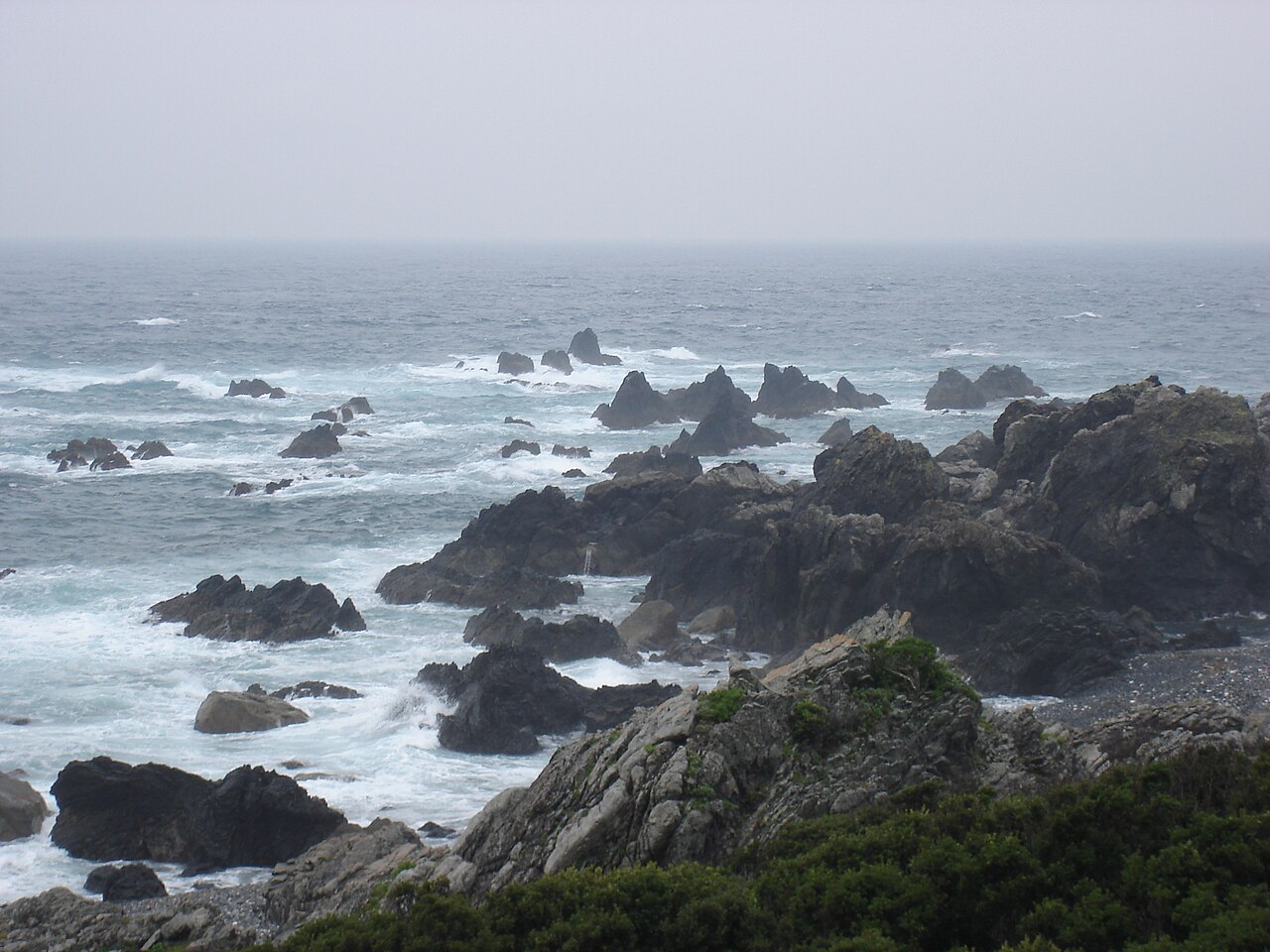
Les côtes les plus sauvages du Japon, le dernier fleuve aux eaux claires, le tataki de bonite flambé à table, le lieu de naissance de Ryoma Sakamoto, et un festival estival qui fait trembler toute l'île

🐟 Katsuo Tataki — La capitale japonaise de la bonite🏯 Château de Kochi (donjon d'origine)🌊 Rivière Shimanto — Le dernier fleuve pur du Japon💃 Festival Yosakoi (août)⛰️ Cap Ashizuri — Wilderness du Pacifique

🗾 À propos de Kochi

Kochi est la préfecture la plus sauvage de Shikoku — une vaste terre tournée vers le Pacifique, faite de gorges fluviales profondes, de caps spectaculaires et d'habitants qui célèbrent bruyamment et mangent avec conviction. La rivière Shimanto serpente à travers les montagnes jusqu'à la mer dans un état de pureté rare, sa surface seulement brisée par les chinkabashi (ponts submersibles) qui disparaissent sous l'eau lors des crues. Le château de Kochi est l'un des donjons d'origine du Japon, et le marché dominical couvert qui s'étend en contrebas existe depuis le début des années 1700. Le fils le plus célèbre de la province, Sakamoto Ryoma, est commémoré partout — son esprit audacieux semble insuffler le caractère de toute la préfecture. En août, Yosakoi transforme la ville en une masse cinétique de couleurs, de battements de tambours et de centaines d'équipes de danse en compétition.

🌏
Localisation
Centre-sud de Shikoku, face à l'océan Pacifique / baie de Tosa
🗣️
Langue
Japonais (anglais au château de Kochi et sur les principaux sites touristiques ; limité ailleurs)
💴
Monnaie
Yen japonais (JPY) — le liquide est indispensable en zone rurale ; cartes IC acceptées à Kochi City
🕐
Fuseau horaire
JST (UTC+9) — pas d'heure d'été
🌡️
Meilleure saison
Printemps (avr.–mai) et automne (sep.–nov.) ; août pour le festival Yosakoi
✈️
Aéroports les plus proches
Aéroport Kochi Ryoma (KCZ) · Takamatsu (TAK) 1h30 · Matsuyama (MYJ) 2h
🚌
Se déplacer
Chemin de fer Tosa Kuroshio · tramway de Kochi · voiture de location indispensable pour Shimanto et les côtes
Prise électrique
Type A, 100V / 50Hz

✈️ Comment s'y rendre

L'aéroport Kochi Ryoma est la principale porte d'entrée, avec des vols directs depuis Tokyo Haneda et Osaka. À l'intérieur de Kochi, une voiture de location est indispensable pour la rivière Shimanto, le cap Muroto, le cap Ashizuri et la plupart des attractions naturelles. Le chemin de fer Tosa Kuroshio (express limité Ashizuri) relie la gare de Kochi à Nakamura, près de la rivière Shimanto.

✈️ Depuis Tokyo (Haneda)
  • Vol vers l'aéroport Kochi Ryoma (KCZ) — Vol direct ANA/JAL : 1h20. À partir de ¥12,000 (tarif promotionnel). Bus de l'aéroport vers la gare de Kochi : 35 min, ¥740.
  • Shinkansen + express limité — Tokyo jusqu'à Okayama, puis express limité Nanpu jusqu'à Kochi : environ 5h30 au total. ¥20,000+. JR Pass accepté.
🚄 Depuis Osaka / Takamatsu
  • Bus longue distance depuis Osaka (Namba) — Direct jusqu'à Kochi : 2h45. ¥3,700–¥5,500. Plusieurs options de bus de nuit.
  • JR depuis Takamatsu via la ligne Dosan — Express limité Nanpu : 1h45. ¥4,190. Itinéraire montagneux panoramique.
🚌 Se déplacer dans Kochi
  • Tramway de Kochi (Tosa Dentetsu) — Deux lignes à travers Kochi City, dont une en direction de la plage de Katsurahama. ¥190–¥230.
  • Voiture de location (indispensable) — Pour la rivière Shimanto, le cap Ashizuri (2h depuis Kochi) et le cap Muroto. À louer à la gare de Kochi ou à l'aéroport.
  • Chemin de fer Tosa Kuroshio — L'express limité Ashizuri atteint Nakamura (2h, ¥3,150) — la base pour explorer la rivière Shimanto.
  • MY遊バス (My-Yu Bus) — Bus touristique desservant Katsurahama, le château de Kochi et la grotte Ryugado. Pass journée ¥1,000.
💡 Conseil voyageL'itinéraire <strong>Shimanto Rivercycling</strong> (vélos de location disponibles à la gare de Nakamura) est l'une des plus belles expériences cyclistes du Japon — des chemins plats le long des deux rives, traversant des villages agricoles et franchissant les célèbres ponts submersibles chinkabashi. Prévoir une journée entière.

📖 Guides de Voyage Recommandés

Des guides complets pour planifier chaque aspect de votre séjour — des incontournables aux meilleurs restaurants et événements saisonniers.

⛩️

Sites touristiques

7 lieux
Shikoku 88 Temple Pilgrimage (Kochi)
📍 Kochi Prefecture

Shikoku 88 Temple Pilgrimage (Kochi)

Kochi contains 16 of the 88 sacred temples on the Shikoku Pilgrimage (Ohenro), including the remote Cape Ashizuri temples. Temple 24, Hotsumisakiji, and Temple 26, Kongochoji, are among the most dramatic — set on clifftops with sweeping Pacific views. Walking the Kochi section takes 5–7 days.

Buddhist Pilgrimage
Kochi Castle & Sunday Market
📍 Kochi City, Kochi

Kochi Castle & Sunday Market

One of Japan's 12 original-keep castles — uniquely, the entire castle complex including the main keep, connecting corridors, and main gate all survived intact from the Edo period. The Sunday morning market (Nichiyo Ichi) stretches along the boulevard below the castle, running since 1690.

Original Keep Castle
Cape Ashizuri & Kongofukuji Temple
📍 Ashizuri, Shimanto Town

Cape Ashizuri & Kongofukuji Temple

The southernmost point of Shikoku — a dramatic cape where granite cliffs plunge into the Pacific Ocean. Kongofukuji (Temple 38 of the 88-temple Shikoku Pilgrimage) sits at the cape tip among ancient camellia forests. The cliffside glass-bottom boat tour passes towering sea stacks.

Pacific Wilderness
Cape Ashizuri Pilgrimage & Pacific Views
📍 Tosa-Shimizu, Kochi

Cape Ashizuri Pilgrimage & Pacific Views

Cape Ashizuri, the southernmost point of Shikoku, is a dramatic rocky headland where 80-m cliffs drop directly into the deep blue Pacific. It is the sacred endpoint (Temple 38, Kongofukuji) on the 88-temple Shikoku Pilgrimage, and the resident sea turtles nesting on nearby beaches make it a wildlife destination. The lighthouse offers Japan's broadest ocean horizon viewpoint.

Cape Pacific Ocean Pilgrimage Lighthouse
Katsurahama Beach & Ryoma Statue
📍 Katsurahama, Kochi City

Katsurahama Beach & Ryoma Statue

Kochi's most famous beach — a dramatic crescent of dark sand beneath pine-covered headlands. Swimming is prohibited due to strong Pacific currents, but the scenery is striking. The bronze statue of Sakamoto Ryoma gazes out to sea, and the Tosa Fighting Dogs (tosa-inu) facility is nearby.

Iconic Kochi Landmark
Ryugado Cave
📍 Inotani, Kochi

Ryugado Cave

A spectacular 4-kilometre limestone cave system with elaborate stalactite and stalagmite formations, discovered in 1931. The cave contains Yayoi-period artefacts suggesting ancient human use. A challenging 'exploration course' allows visitors to crawl through unmaintained passages with headlamps.

Stalactite Cave
🍜

Gastronomie

8 lieux
Hirome Market & Katsuo Tataki
📍 Kochi City, Kochi

Hirome Market & Katsuo Tataki

Hirome Market is Kochi's communal canteen — a cavernous, jovial indoor market where dozens of stalls serve local specialties to tables shared with strangers. The centrepiece is katsuo tataki: fresh skipjack tuna quickly seared over burning rice straw, sliced thick, and served with ponzu, grated ginger, and garlic — the pure expression of Kochi's Pacific fishing culture.

Katsuo Bonito Tataki Casual Dining
Kochi Sunday Market (Nichiyo-ichi)
📍 Kochi City, Kochi

Kochi Sunday Market (Nichiyo-ichi)

Operating continuously for 300 years every Sunday along a 1-km stretch of Otemachi street, Kochi's Sunday Market sells vegetables, flowers, local crafts, antiques, and cooked food from 300+ stalls from 5 a.m. to 6 p.m. The enormous yuzu (citrus), dried katsuo (bonito), and local fruits unavailable elsewhere make this a genuine agricultural market rather than a tourist event.

Market 300 Years Vegetables Street Food
Katsuo Tataki (Bonito Sashimi)
📍 Kochi City, Kochi

Katsuo Tataki (Bonito Sashimi)

Kochi's most iconic dish — thick slices of bonito seared over flaming rice straw (wara-yaki), then served with pungent condiments including garlic, ginger, myoga, green onion, and citrusy ponzu. The tataki in Kochi is bolder, thicker-cut, and oilier than versions elsewhere in Japan.

Kochi Signature Dish
Tosa Cuisine & Sawachi Platter
📍 Kochi City, Kochi

Tosa Cuisine & Sawachi Platter

Sawachi ryori is Kochi's traditional party cuisine — a massive ceramic platter (sawachi) piled high with colourful arrangements of sashimi, grilled fish, sweet potatoes, and local delicacies. Originally served at village celebrations, it is now available at traditional Tosa restaurants in Kochi City.

Traditional Banquet Dish
Hirome Market (Hirome Ichiba)
📍 Kochi City, Kochi

Hirome Market (Hirome Ichiba)

Kochi's beloved covered food market near the castle — a chaotic, lively collection of 60+ food and drink stalls surrounding communal tables. The atmosphere is uniquely festive from noon onwards. Must-try items: katsuo tataki, whale sashimi, Tosa gyoza, sea cucumber, and local sake on tap.

Food Hall
Tosa Sake (Suigei & Local Breweries)
📍 Kochi City, Kochi

Tosa Sake (Suigei & Local Breweries)

Kochi has Japan's highest per-capita sake consumption and a distinctive dry (karakuchi) sake culture. The Suigei (Drunken Whale) brewery is nationally famous, and local labels like Tsuki no Katsura and Tosa Jizake are sought by connoisseurs. Sake is traditionally drunk from wooden masu cups.

Dry Sake Culture
🏔️

Nature

6 lieux
Shimanto River Canoeing
📍 Shimanto, Kochi

Shimanto River Canoeing

The Shimanto River — often called Japan's last pristine river — flows 196 km through Kochi to the Pacific without a single large dam. The lower reaches are navigable by canoe and kayak, passing through ancient suibashi (submersible bridges built low to flow under, not stop, floodwater) and teagarden villages. Summer canoeing through this wilderness feels genuinely remote despite being just hours from Kochi city.

River Canoeing Pristine Japan's Last Clear Stream
Shimanto River & Chinkabashi Bridges
📍 Shimanto Town, Kochi

Shimanto River & Chinkabashi Bridges

Japan's last major undammed river flows 196 kilometres to the Pacific through pristine mountain valleys. The Shimanto is famous for its extraordinary water clarity and for the low-lying chinkabashi (submerged bridges) — structures intentionally built without handrails so they are submerged rather than damaged during floods.

Japan's Last Clear River
Niyodogawa River (Emerald Waters)
📍 Nakatosa, Ino Town, Kochi

Niyodogawa River (Emerald Waters)

The Niyodo River is famous for its astonishing blue-green colour — one of the clearest rivers in Japan, its waters take on a vivid turquoise hue in certain lighting conditions. The river is perfect for swimming in summer, and scenic gorge sections near Nakatosa are accessible by canoe.

Emerald River
Cape Ashizuri Pilgrimage & Pacific Views
📍 Tosa-Shimizu, Kochi

Cape Ashizuri Pilgrimage & Pacific Views

Cape Ashizuri, the southernmost point of Shikoku, is a dramatic rocky headland where 80-m cliffs drop directly into the deep blue Pacific. It is the sacred endpoint (Temple 38, Kongofukuji) on the 88-temple Shikoku Pilgrimage, and the resident sea turtles nesting on nearby beaches make it a wildlife destination. The lighthouse offers Japan's broadest ocean horizon viewpoint.

Cape Pacific Ocean Pilgrimage Lighthouse
Cape Muroto UNESCO Global Geopark
📍 Muroto, Kochi

Cape Muroto UNESCO Global Geopark

A UNESCO-designated geopark on Kochi's eastern cape where ancient ocean floor (pillow lava and chert) has been uplifted to sea level over millions of years. The dramatically eroded coastline, fossil-rich rock pools, and wild Pacific scenery are extraordinary. Monk Kukai (Kobo Daishi) is said to have attained enlightenment in a cave here.

UNESCO Geopark
Kashiwajima Island Coral Reef
📍 Kashiwajima Island, Shimanto Town

Kashiwajima Island Coral Reef

A small island at Kochi's southwestern tip surrounded by Japan's northernmost living coral reef — an anomaly created by the warm Kuroshio Current. The crystal-clear water and abundant reef fish make it one of Shikoku's best diving and snorkelling locations. Glass-bottom boat tours operate from the harbour.

Coral Diving
🎿

Loisirs

6 lieux
Shimanto River Canoeing
📍 Shimanto, Kochi

Shimanto River Canoeing

The Shimanto River — often called Japan's last pristine river — flows 196 km through Kochi to the Pacific without a single large dam. The lower reaches are navigable by canoe and kayak, passing through ancient suibashi (submersible bridges built low to flow under, not stop, floodwater) and teagarden villages. Summer canoeing through this wilderness feels genuinely remote despite being just hours from Kochi city.

River Canoeing Pristine Japan's Last Clear Stream
Shimanto River Canoeing
📍 Shimanto Town, Kochi

Shimanto River Canoeing

Guided canoe tours on the Shimanto River are one of Kochi's most popular outdoor activities. Routes of 8–15 kilometres pass beneath the famous chinkabashi bridges, through reed beds, and past traditional fishing villages. The peaceful river scenery and extraordinary water clarity make this a uniquely Japanese outdoor experience.

River Paddling
Kochi Sunday Market (Nichiyo-ichi)
📍 Kochi City, Kochi

Kochi Sunday Market (Nichiyo-ichi)

Operating continuously for 300 years every Sunday along a 1-km stretch of Otemachi street, Kochi's Sunday Market sells vegetables, flowers, local crafts, antiques, and cooked food from 300+ stalls from 5 a.m. to 6 p.m. The enormous yuzu (citrus), dried katsuo (bonito), and local fruits unavailable elsewhere make this a genuine agricultural market rather than a tourist event.

Market 300 Years Vegetables Street Food
Cape Muroto Diving & Surfing
📍 Muroto, Kochi

Cape Muroto Diving & Surfing

Cape Muroto's exposed Pacific position delivers consistent swells for surfing and access to deep, clear water for diving. The submarine canyon off Muroto drops steeply, bringing pelagic species including hammerhead sharks, manta rays, and whales close to shore. Several dive operators are based in Muroto town.

Pacific Water Sports
Niyodogawa River Swimming
📍 Nakatosa, Ino Town, Kochi

Niyodogawa River Swimming

The Niyodo River's exceptional clarity and turquoise colour make it one of Japan's most beloved river swimming destinations. Natural pools at Nakatosa and Ino are accessible by car, with rope swings, diving rocks, and campsites along the riverbanks. Snorkelling reveals freshwater fish swimming through the crystal water.

River Swimming
Ryugado Cave Exploration Course
📍 Inotani, Kochi

Ryugado Cave Exploration Course

Beyond the standard tourist route through Ryugado Cave, an adventure exploration course takes small groups through undeveloped passages with headlamps, crawling through narrow gaps and beneath impressive stalactite formations. The 90-minute course requires advance booking and a degree of physical agility.

Cave Adventure
🎆

Événements

4 lieux
Yosakoi Festival
📍 Kochi City, Kochi

Yosakoi Festival

The Kochi Yosakoi Festival (August 9–12) was invented here in 1954 and has since spread across Japan and the world. Teams of up to 150 dancers in flamboyant costumes perform highly choreographed high-energy routines carrying naruko (wooden clappers) through the city's 17 stages. The modern, competitive, joyful energy is entirely different from traditional odori — and utterly electrifying to watch.

Dance Yosakoi August Energetic
Yosakoi Festival (August 9–12)
📍 Kochi City, Kochi

Yosakoi Festival (August 9–12)

One of Japan's most spectacular festivals — over 20,000 dancers in 200 teams perform energetic Yosakoi dance routines through Kochi's streets over four days. Each team interprets the traditional Yosakoi song with their own costumes, choreography, and backing music. The combination of traditional and modern elements is electrifying.

Japan's Biggest Dance Festival
Cape Muroto Dolphin & Whale Watching
📍 Muroto, Kochi

Cape Muroto Dolphin & Whale Watching

The Kuroshio Current flowing past Cape Muroto brings exceptional marine life close to shore — bottlenose dolphins, spinner dolphins, Bryde's whales, and sperm whales are regularly sighted. Dedicated whale-watching boats depart from Muroto Port, and dolphins are frequently visible from the cape cliffs.

Wildlife Watching
Ryoma Festival (November)
📍 Katsurahama, Kochi City

Ryoma Festival (November)

Held each November around the anniversary of Sakamoto Ryoma's birth (November 15, 1836), the Ryoma Festival fills Kochi City with historical parades, samurai costume processions, and events celebrating the revolutionary figure. The Katsurahama area hosts the main ceremonies with dramatic outdoor performances.

Historical Festival
🎌

Expériences

1 lieux
Kochi Katsuo Tataki Cooking Class
📍 Kochi City, Kochi

Kochi Katsuo Tataki Cooking Class

The authentic preparation of katsuo tataki — searing skipjack tuna over burning rice straw (wara) — is an art form perfected in Kochi over centuries. Hirome Market cooking workshops teach participants to trim and pin the tuna fillet, manage the wara fire to achieve the correct char-on-outside-raw-inside result, and slice it thickly across the grain for serving with ponzu, grated ginger, and garlic.

Katsuo Bonito Rice Straw Cooking Class

💡 Conseils pratiques de voyage

Tout ce que vous devez savoir avant et pendant votre visite.

🐟
Katsuo Tataki et marché Hirome
  • Le katsuo tataki (bonite flambée) est le plat emblématique de Kochi — la bonite est saisie sur de la paille de riz enflammée, tranchée épaisse et servie avec du gingembre râpé, de l'ail et du ponzu. Le tataki de Kochi est nettement différent des versions de Tokyo : plus corsé, plus gras et bien meilleur.
  • Le marché Hirome (Hirome Ichiba), près du château de Kochi, est la grande halle alimentaire couverte de la ville — des dizaines d'étals, des tables communes et de la bière Kirin froide à la pression. Goûtez le tataki, la baleine, le concombre de mer et les gyoza locaux sucrés. À visiter à l'heure du déjeuner ou en début de soirée.
  • Le marché dominical de Kochi (Nichiyo Ichi) est en activité depuis 1690 le long de la route menant au temple Kencho-ji. Plus de 400 étals vendant légumes, plantes, outils et artisanat — l'un des marchés hebdomadaires les plus animés du Japon.
  • Le saké de Kochi vaut la peine d'être découvert — cherchez les étiquettes Tsuki no Katsura et Suigei (la baleine ivre), souvent servi avec le katsuo tataki.
🌊
L'essentiel sur la rivière Shimanto
  • Le Shimanto est le dernier grand fleuve du Japon sans barrage et est réputé pour sa clarté exceptionnelle. Les chinkabashi (ponts submersibles sans garde-corps) en sont l'élément le plus photographié — ils s'enfoncent sous l'eau lors des crues plutôt que d'être emportés.
  • La meilleure base pour explorer le Shimanto est Nakamura City, accessible depuis Kochi par l'express limité Ashizuri (2h). Des vélos de location sont disponibles à la gare de Nakamura.
  • Les excursions en canoë au départ du bord du fleuve de Nakamura couvrent environ 10 km et coûtent ¥5,000–¥8,000 guide inclus. Réservation conseillée d'avril à novembre.
  • L'auberge de ferme Shimanto Gakusha est un hébergement populaire qui comprend des activités sur la rivière, des repas locaux et une authentique expérience rurale à Kochi.
🏯
Le château de Kochi et l'histoire de la ville
  • Le château de Kochi est l'un des 12 donjons d'origine encore debout au Japon et, fait unique, l'ensemble du complexe — donjon, couloirs de liaison et porte principale — a survécu depuis l'époque Edo. Entrée ¥420.
  • Le marché du dimanche matin (Nichiyo Ichi) se tient le long du boulevard Otesuji près du château, de 5h à environ 14h. À visiter avant 10h pour profiter de l'atmosphère.
  • Le musée commémoratif Sakamoto Ryoma (Ryoma Kinenkan) à Katsurahama retrace l'histoire de ce personnage révolutionnaire qui a contribué à mettre fin à l'ère des samouraïs. ¥700, excellentes présentations en anglais.
  • La plage de Katsurahama est la plage la plus célèbre de Kochi — paysage spectaculaire mais baignade interdite en raison des forts courants. Célèbre pour la grande statue de Ryoma et l'établissement dédié à la race canine traditionnelle tosa-inu.
💴
Guide des budgets
  • Petit budget (¥5,000–¥9,000/jour) — Auberge de jeunesse à Kochi City, repas au marché Hirome, journée au château de Kochi et au marché dominical.
  • Budget moyen (¥15,000–¥25,000/jour) — Hôtel d'affaires, voiture de location pour le Shimanto, dîner de tataki, excursion à la grotte Ryugado.
  • Budget luxe (¥30,000+/jour) — Ryokan avec vue sur le Pacifique près du cap Ashizuri, excursion privée en canoë, cuisine kaiseki Tosa.
  • Kochi est en général très abordable — les repas de tataki au marché Hirome coûtent ¥1,200–¥2,000, et le marché dominical est gratuit à la visite.

🏨 Trouver des hôtels à Kochi

Comparez les prix de centaines d'hôtels — des capsules économiques aux ryokan de luxe.

Chercher sur Booking.com →

🎌 Circuits &amp; Expériences

Réservez des visites guidées, excursions, cours de cuisine et expériences culturelles.

Voir les circuits sur Viator →

🗺️ Activités &amp; Attractions

Évitez les files d'attente — réservez à l'avance entrées, excursions et expériences locales.

Découvrir sur GetYourGuide →

🎟️ À faire à Kochi

Découvrez billets, pass transport et expériences locales à Kochi avec Klook.

Réserver sur Klook →

🚄 JR Pass &amp; Billets de Train

Achetez votre Japan Rail Pass en ligne avant d'arriver — le moyen le plus simple de voyager en Shinkansen à travers le Japon.

Acheter le JR Pass →
🗺️ Plan