L'ancienne capitale impériale du Japon — 17 sites du patrimoine mondial de l'UNESCO, une culture geisha vivante et la tradition culinaire la plus raffinée du monde
⛩️ 17 sites du patrimoine mondial de l'UNESCO🎎 Gion — la capitale des geishas du Japon🍁 Le plus beau feuillage automnal du Japon🍵 Uji — le meilleur matcha du Japon🎆 Gion Matsuri — l'un des 3 grands festivals du Japon
🗾 À propos de Kyoto
Kyoto a été la capitale impériale du Japon pendant plus d'un millénaire, et cela se voit. Aucune autre ville au Japon — peut-être dans le monde entier — ne concentre autant de culture raffinée, de traditions vivantes et de beauté à couper le souffle dans un espace aussi compact. Ici, vous trouverez des temples et sanctuaires classés à l'UNESCO à chaque détour, des geiko et des maiko glissant dans des ruelles éclairées au gaz au crépuscule, la cuisine multi-services la plus élaborée du monde née de siècles de cuisine des temples bouddhistes, et des randonnées en montagne qui mènent des rues de la ville aux forêts de cèdres ancestraux en quelques minutes. Kyoto récompense les visiteurs qui prennent le temps de s'attarder — un quartier exploré avec soin révèle davantage que dix parcourus à la hâte.
🌏
Situation géographique
Île de Honshu, région du Kansai — entre Osaka et Nara
🗣️
Langue
Japonais (anglais largement disponible sur les principaux sites touristiques)
💴
Monnaie
Yen japonais (JPY) — cartes IC acceptées dans de nombreux endroits ; espèces utiles dans les temples
🕐
Fuseau horaire
JST (UTC+9) — pas d'heure d'été
🌡️
Meilleure saison
Printemps (mars–avr.) et automne (nov.) — éviter la chaleur d'août
✈️
Aéroports les plus proches
Kansai (KIX) 75 min · Itami (ITM) 60 min · Chubu (NGO) 100 min
🚇
Se déplacer
Bus municipal, métro de Kyoto, lignes JR — carte IC indispensable ; taxi conseillé le soir
⚡
Prise électrique
Type A, 100 V / 60 Hz
✈️ Comment s'y rendre
Kyoto est desservie par la ligne Shinkansen Tokaido et est l'une des villes les mieux connectées du Japon. La plupart des visiteurs étrangers arrivent par Tokyo ou Osaka, toutes deux à moins de 15 minutes en Shinkansen depuis Shin-Osaka. L'aéroport international du Kansai est à 75 minutes. Dans la ville, les bus et le métro couvrent la plupart des destinations, mais la topographie plate de Kyoto en fait également un endroit idéal pour se déplacer à vélo.
🚄Depuis Tokyo
Shinkansen Tokaido Nozomi (Tokyo → Kyoto) — 2 h 15 min. 13 910 ¥ (siège réservé). L'option la plus rapide et la plus confortable — départ toutes les 10 min.
Hikari (Tokyo → Kyoto) — 2 h 40 min. 13 340 ¥. Plus lent, mais les détenteurs du Japan Rail Pass doivent utiliser ce train (le Nozomi n'est pas couvert par le JR Pass).
Bus de nuit (Shinjuku → Kyoto) — 7 à 8 h de nuit. 3 500 ¥ à 5 000 ¥. Option économique ; départ en fin de soirée, arrivée tôt le matin.
✈️Depuis l'aéroport international du Kansai (KIX)
Haruka Limited Express (KIX → Kyoto) — 75 min direct. 3 640 ¥ (1 800 ¥ avec le pass ICOCA&HARUKA). L'option la plus pratique.
Bus (MK / Yasaka / Airport Limousine) — 90 min. 2 600 ¥. Porte-à-porte vers les grands hôtels ; sans correspondance.
✈️Depuis l'aéroport d'Itami (ITM)
Bus Limousine Aéroport (ITM → Gare de Kyoto) — 55 min. 1 340 ¥. L'option la plus pratique depuis l'aéroport domestique.
🚇Se déplacer à Kyoto
Bus municipal — Couvre presque tous les sites touristiques. Le forfait journalier (700 ¥) est un excellent rapport qualité-prix pour une journée de visite de temples. Téléchargez l'application « Kyoto City Bus & Subway » pour des informations en temps réel.
Métro de Kyoto — Deux lignes (Karasuma et Tozai) utiles pour les trajets est-ouest et nord-sud. La ligne Karasuma relie la gare de Kyoto à Shijo et Oike.
Location de vélo — Kyoto est en grande partie plate et idéale pour le vélo. Louez un vélo près de la gare de Kyoto ; le chemin longeant la rivière Kamogawa traverse toute la ville.
Taxi — Indispensable le soir pour visiter Gion quand les bus sont bondés, et pour les temples éloignés non desservis par les bus. Les taxis de Kyoto sont fiables et les chauffeurs connaissent tous les grands sites.
💡 Conseil voyageLes bus de Kyoto sont extrêmement bondés aux heures de pointe (10 h–16 h les week-ends et jours fériés). Évitez la foule en commençant tôt — la plupart des temples ouvrent à 8 h ou 8 h 30 — et privilégiez le métro ou le taxi en milieu de journée lorsque les bus sont surchargés.
📖 Guides de Voyage Recommandés
Des guides complets pour planifier chaque aspect de votre séjour — des incontournables aux meilleurs restaurants et événements saisonniers.
Des milliers de portails torii vermillon serpentent à flanc de montagne boisée au sud de Kyoto — l'image emblématique du Japon et l'un des sanctuaires les plus visités du pays. Venez avant 8h pour éviter la foule.
Un pavillon de temple zen entièrement recouvert de feuille d'or, qui se reflète dans un étang miroir — un site classé au patrimoine mondial de l'UNESCO et l'un des bâtiments les plus photographiés au monde.
Un temple du VIIIe siècle perché sur une colline boisée à l'est de Kyoto, célèbre pour sa scène en bois en surplomb au-dessus de la vallée et ses vues panoramiques sur la ville — un site classé au patrimoine mondial de l'UNESCO.
Une imposante forêt de bambous à la lisière ouest de Kyoto — le bruissement de la canopée au-dessus de votre tête est classé parmi les Paysages sonores du Japon. Visitez à l'aube pour vivre l'expérience la plus envoûtante.
Le quartier de divertissement le plus célèbre de Kyoto — maisons de ville machiya préservées, maisons de thé ochaya, et la chance d'apercevoir une geiko ou une maiko se glissant dans la rue Hanamikoji à la tombée du jour.
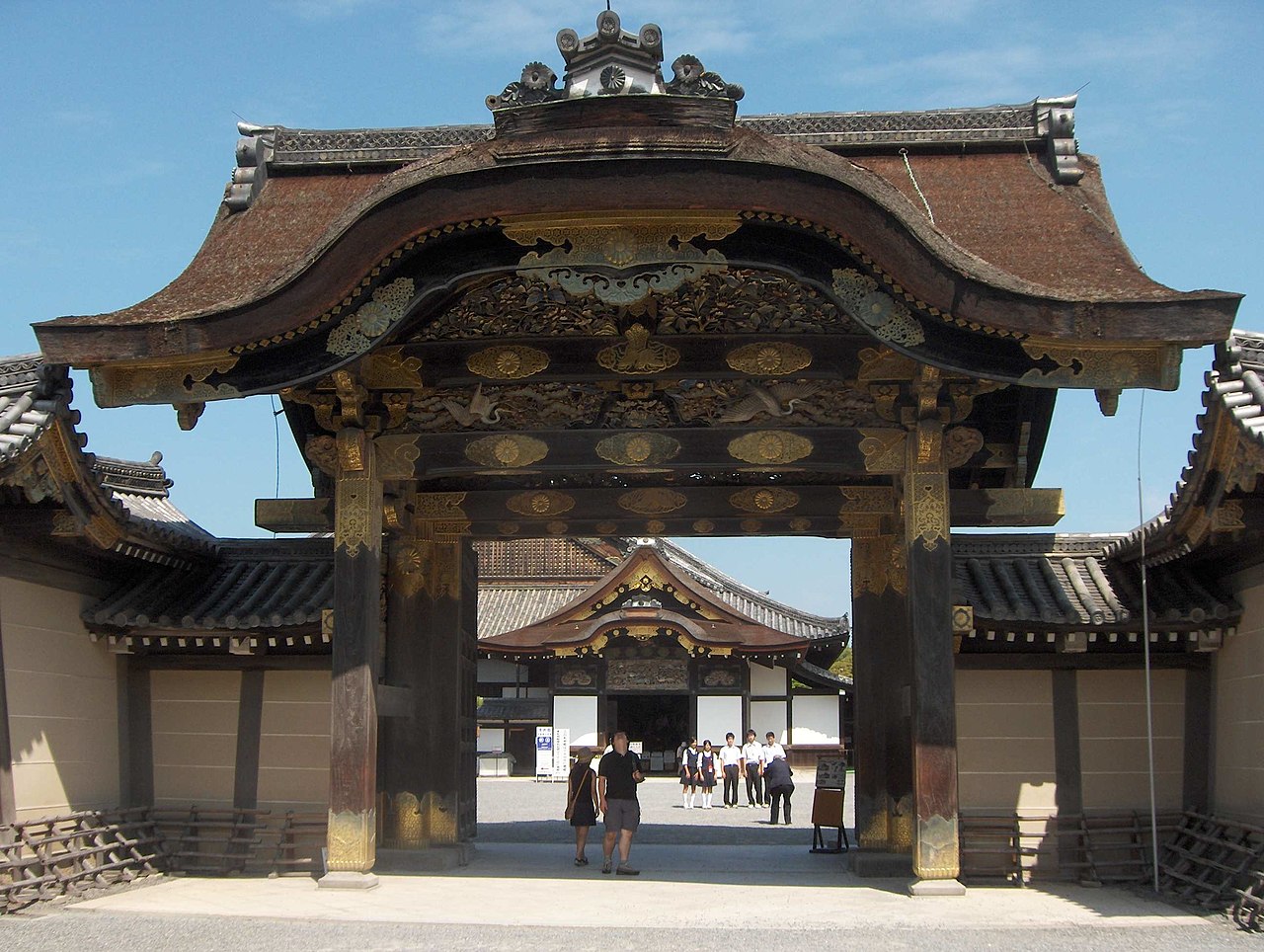
Un palais de shogun classé à l'UNESCO doté des célèbres « planchers rossignols » qui gazouillent quand on marche dessus — un dispositif de sécurité contre les assassins. Les intérieurs du palais Ninomaru sont exceptionnellement bien conservés.
Un élégant temple zen réputé pour son raffiné jardin de sable, ses mousses et un sentier à flanc de colline avec vue sur la ville — le pendant serein du Pavillon d'or.
Un hall de bois de 120 m abritant 1 001 statues dorées de Kannon, déesse de la miséricorde — une armée scintillante et impressionnante de figures bouddhiques unique au monde.
Le principal temple zen d'Arashiyama, dont l'exquis jardin de l'étang Sogenchi du XIVe siècle emprunte les montagnes environnantes — superbe en automne, à deux pas de la bambouseraie.
Le vibrant sanctuaire tutélaire vermillon de Gion, illuminé de centaines de lanternes la nuit et lié au grand Gion Matsuri — une porte animée entre Gion et Higashiyama.
Le plus célèbre jardin de pierres zen du Japon — quinze pierres posées dans du gravier blanc ratissé, chef-d'œuvre énigmatique du minimalisme, propice à la contemplation.
Abritant la plus haute pagode en bois du Japon (55 m), ce temple UNESCO près de la gare de Kyoto est réputé pour ses trésors bouddhiques et son marché aux puces mensuel animé.
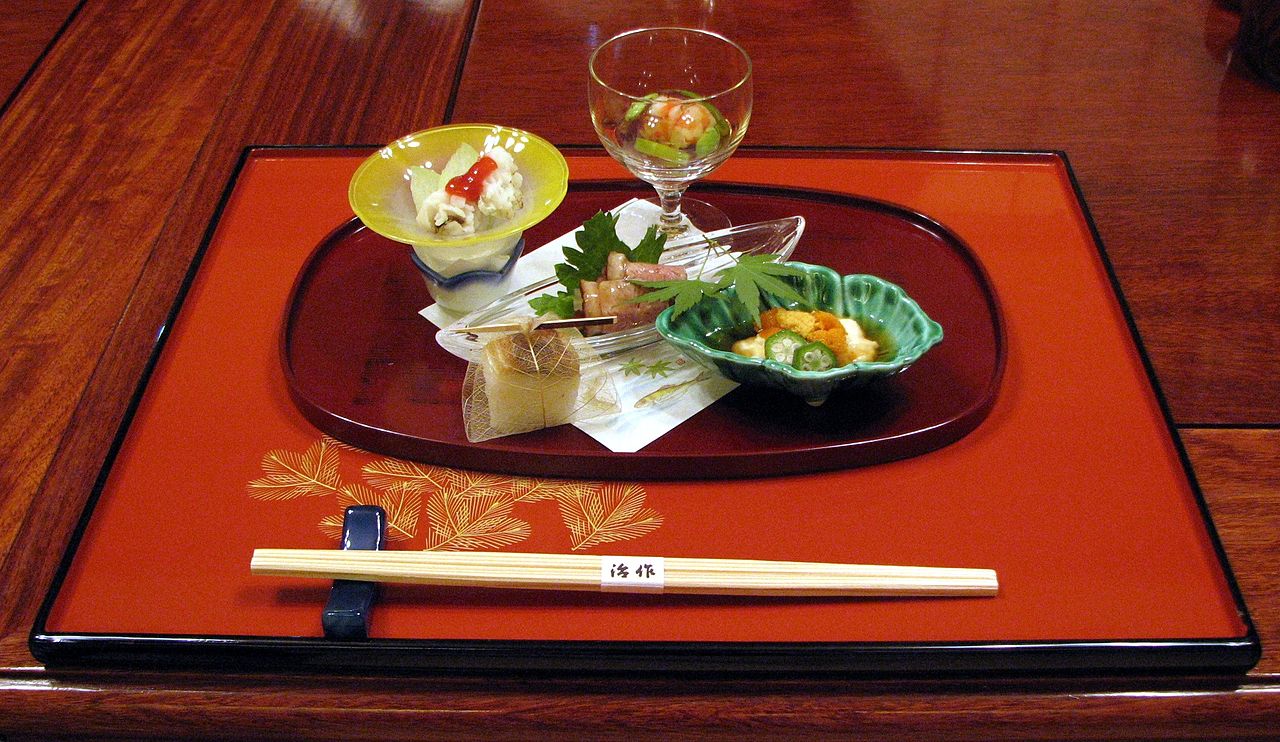
Kyoto est le berceau et le sommet du kaiseki — la haute cuisine japonaise en plusieurs services. Chaque plat reflète la saison par ses ingrédients, sa présentation et sa vaisselle en céramique, le tout servi dans une salle aux tatamis.
Uji, juste au sud de Kyoto, est la première région productrice de matcha du Japon. Goûtez un matcha de qualité cérémonielle dans un salon de thé traditionnel, ou laissez-vous tenter par des parfaits au matcha, des glaces à l'italienne et des douceurs wagashi.
Étroite galerie couverte de 400 m traversant le centre de Kyoto, le marché Nishiki approvisionne les cuisiniers de la ville depuis l'époque d'Edo. Plus de 100 boutiques vendent des spécialités de Kyoto — d'odorants légumes marinés kyo-tsukemono, du tofu au sésame, du yuba frais (peau de tofu), des mochi parfumés, du bouillon dashi et de la cuisine de rue en brochettes, dont du poulet karaage et du tamagoyaki. À explorer lentement et le ventre vide.
La « cuisine » de Kyoto — une galerie couverte de 400 m comptant plus de 130 étals qui vendent des tsukemono (légumes marinés), du yudofu (tofu), des douceurs fraîches au matcha, des brochettes grillées et des légumes de saison de Kyoto (kyo-yasai).
Du tofu soyeux mijoté dans un bouillon de kombu — une spécialité de Kyoto née de la cuisine des temples bouddhistes. Les restaurants autour du temple Nanzen-ji servent parmi les meilleurs yudofu du Japon.
Une étroite ruelle éclairée de lanternes le long de la rivière Kamo, bondée de restaurants et maisons de thé pleins d'atmosphère — la rue gourmande la plus romantique de Kyoto, avec terrasses estivales.
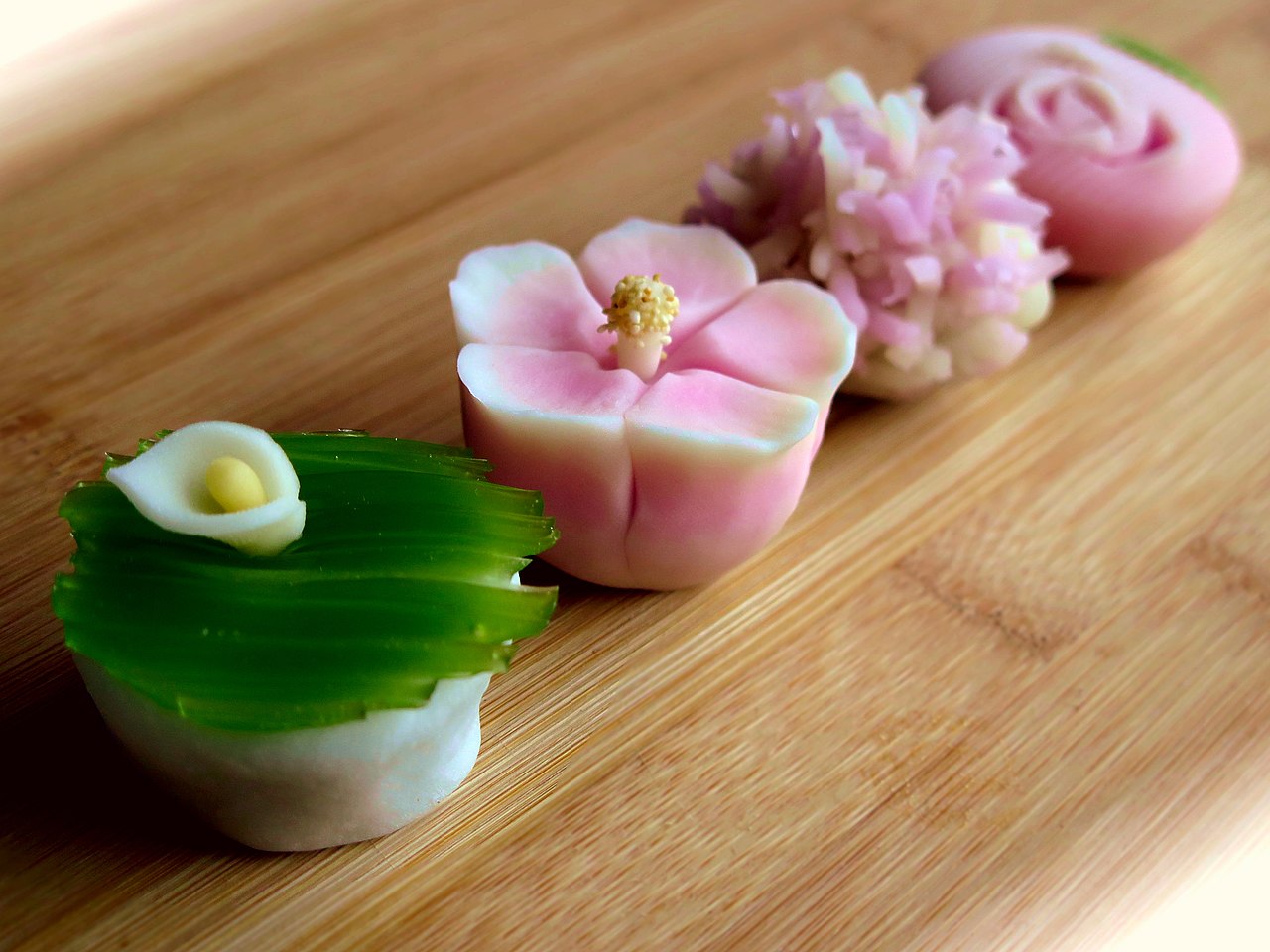
Kyoto est le cœur du wagashi — d'exquises douceurs japonaises de saison comme nerikiri, yatsuhashi et mochi, à savourer avec un matcha chez un confiseur historique ou une maison de thé.
La cuisine traditionnelle du quotidien à Kyoto — de petits plats de légumes mijotés, de tofu et de légumes marinés préparés avec des kyo-yasai (légumes anciens de Kyoto). On les trouve dans des restaurants de quartier intimes partout en ville.
L'une des grandes régions de saké du Japon, où l'eau de source douce alimente des brasseries historiques le long des canaux — visitez un musée du saké et goûtez les crus locaux tout en rondeur.
Un classique réconfortant de Kyoto — des nouilles soba chaudes garnies de hareng séché mijoté au sucré, une spécialité nourrissante à savourer dans une vieille échoppe près de Gion.
Forêt de bambous d'Arashiyama et promenade de Sagano
L'imposante forêt de bambous longeant le chemin de promenade de Sagano à Arashiyama est l'un des paysages les plus singuliers du Japon — la lumière filtrant à travers des colonnes denses de bambou vert vif crée un effet de cathédrale, à vivre de préférence tôt le matin avant l'arrivée des foules. Poursuivez vers le jardin de mousse du temple Jojakko-ji et la villa Okochi Sanso pour une promenade complète en montagne.
Forêt de bambousArashiyamaPromenade pittoresquePetit matin
Le train romantique de Sagano, à parois ouvertes, parcourt les gorges de la rivière Hozu entre Saga-Torokko et Kameoka — 25 minutes de paysages spectaculaires de forêt et de rivière à bord d'un train touristique à l'ancienne.
Les gorges de la rivière Hozu traversant les montagnes d'Arashiyama offrent des descentes en barque traditionnelle en bois (hozugawa kudari) au cœur de paysages d'automne spectaculaires, et des reflets de cerisiers en fleurs au printemps.
Une imposante forêt de bambous à la lisière ouest de Kyoto — le bruissement de la canopée au-dessus de votre tête est classé parmi les Paysages sonores du Japon. Visitez à l'aube pour vivre l'expérience la plus envoûtante.
Un sentier de 2 km longeant un canal et bordé de cerisiers dans les contreforts de Higashiyama — il est à son plus beau pendant la saison des sakura, lorsque les pétales dérivent sur l'eau comme une neige rose.
Cerisiers en fleursPromenade le long du canalPrintemps
Deux villages de montagne envoûtants au nord de Kyoto, reliés par un sentier de randonnée forestier franchissant le mont Kurama — le Kurama Onsen au départ du sentier et, à l'autre bout, les repas estivaux sur plateformes au-dessus de la rivière (kawadoko) de Kibune.
Le principal temple zen d'Arashiyama, dont l'exquis jardin de l'étang Sogenchi du XIVe siècle emprunte les montagnes environnantes — superbe en automne, à deux pas de la bambouseraie.
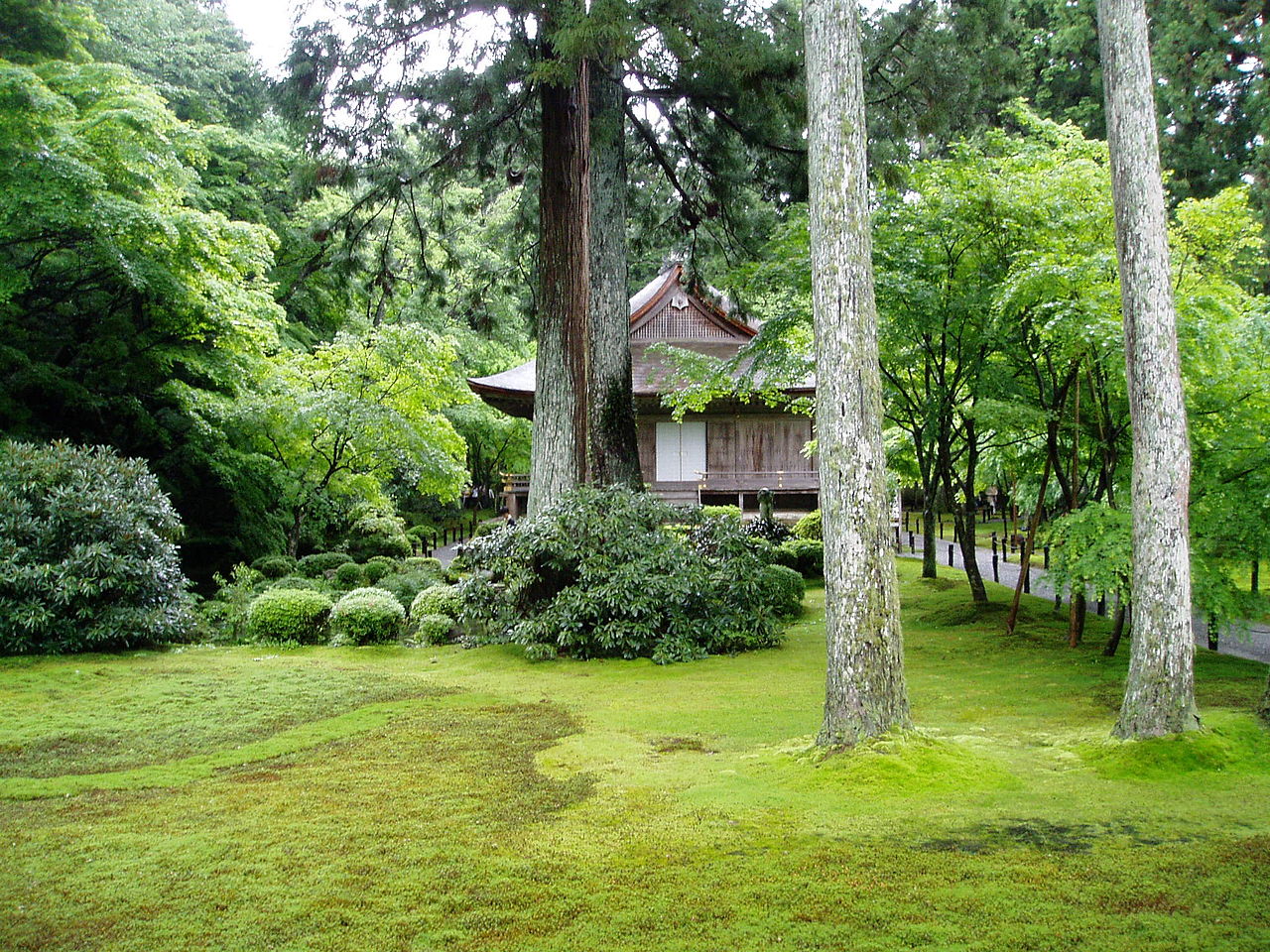
Un paisible village-temple rural dans les collines du nord, où les jardins moussus de Sanzen-in et ses petites statues de Jizo s'illuminent des couleurs d'automne — une échappée sereine.
La promenade fluviale adorée de Kyoto, où les habitants flânent, pique-niquent et se détendent au bord de l'eau — bordée l'été de terrasses kawadoko au-dessus de la rivière Kamo.
RivièreBaladeEntrée gratuiteRestaurants au bord de l'eau
Un sentier forestier méconnu de 10 km reliant Arashiyama, Matsuo Taisha et Nishiki à travers les collines de l'ouest — riche en bosquets de bambous, temples couverts de mousse et forêts de cèdres, à l'écart des foules de touristes.
Le parc de hanami le plus prisé de Kyoto, derrière le sanctuaire Yasaka, célèbre pour son immense cerisier pleureur illuminé et ses pique-niques printaniers sous les fleurs.
Une ancienne rampe ferroviaire de canal près de Nanzenji, recouverte au printemps d'un tunnel de cerisiers au-dessus des vieux rails — l'une des plus belles promenades hanami de Kyoto.
Une courte montée à Arashiyama récompense par des macaques japonais en liberté et un vaste panorama sur Kyoto — on peut nourrir les singes à la main depuis une cabane.
Urasenke, l'une des trois grandes familles du thé du Japon, propose des démonstrations de cérémonie du thé guidées en anglais dans le cadre d'une maison de ville machiya préservée. Apprenez à observer et à participer au chado (la Voie du thé) — la chorégraphie précise de la préparation et de la réception du matcha dans un salon de thé aux tatamis, un art pratiqué et perfectionné en ce même lieu de Kyoto depuis le XVIe siècle.
Cérémonie du théUrasenkeExpérience culturelleMatcha
Participez à une authentique cérémonie du thé japonaise (chado) dans une machiya traditionnelle ou un jardin de temple — en apprenant les gestes précis et la philosophie zen qui se cache derrière chaque mouvement.
Apprenez à préparer des plats classiques de Kyoto — bouillon dashi, légumes mijotés, plats de tofu — lors d'un cours intime animé par des chefs locaux, comprenant généralement une visite préalable du marché Nishiki.
Un superbe musée ferroviaire interactif près de la gare de Kyoto avec 53 trains, de la locomotive à vapeur au shinkansen — dont une rotonde en activité et des balades en train à vapeur.
Un palais de shogun classé à l'UNESCO doté des célèbres « planchers rossignols » qui gazouillent quand on marche dessus — un dispositif de sécurité contre les assassins. Les intérieurs du palais Ninomaru sont exceptionnellement bien conservés.
Le train romantique de Sagano, à parois ouvertes, parcourt les gorges de la rivière Hozu entre Saga-Torokko et Kameoka — 25 minutes de paysages spectaculaires de forêt et de rivière à bord d'un train touristique à l'ancienne.
Louez un kimono magnifiquement assorti dans les boutiques près de Gion ou de Higashiyama et passez la journée à flâner dans les ruelles pavées de Kyoto — l'expérience transforme vos photos et approfondit votre lien avec la ville.
Le centre-ville plat de Kyoto et ses larges pistes le long de la rivière en font un lieu idéal pour le vélo — louez une bicyclette près de la gare de Kyoto et parcourez les temples, les chemins de canaux et le marché Nishiki en une seule matinée.
Studio de cinéma en activité et parc à thème où sont régulièrement produits des drames de samouraïs, des films d'époque et des films de ninjas, Uzumasa Eigamura permet aux visiteurs de déambuler dans les décors de rues de l'époque d'Edo en activité, d'assister au tournage de scènes en direct et de participer à des entraînements de ninja et à des séances photo en costume de samouraï. Des expériences de cosplay ninja et geisha sont proposées toute l'année.
Un aquarium moderne à l'intérieur des terres, au parc Umekoji, avec pingouins espiègles, immense bassin marin, salamandres géantes et spectacle de dauphins — une sortie familiale par tous les temps.
Une courte montée à Arashiyama récompense par des macaques japonais en liberté et un vaste panorama sur Kyoto — on peut nourrir les singes à la main depuis une cabane.
La plus haute structure de Kyoto, juste à côté de la gare, dont l'observatoire à 100 m offre une vue à 360° sur la ville parsemée de temples — magique au crépuscule quand l'ancienne capitale s'illumine.
La Yamaboko Junko (procession des chars) des 17 et 24 juillet est le point culminant du Gion Matsuri — l'un des trois plus grands festivals du Japon. Trente-trois chars gigantesques (certains de 30 m de haut et pesant 12 tonnes), construits sans clous selon des techniques d'assemblage traditionnelles, sont tirés à travers les rues de Kyoto par des centaines d'hommes vêtus de blanc, accompagnés de la musique de festival envoûtante.
Le festival le plus célèbre du Japon — tout le mois de juillet à Kyoto, culminant avec la parade Yamaboko Junko le 17 juillet, lorsque 32 chars gigantesques drapés de tapisseries grondent à travers le centre-ville.
Novembre est le mois le plus spectaculaire de Kyoto — le feuillage des érables encadre chaque temple, sanctuaire et jardin de teintes cramoisies et dorées. Eikando, Tofuku-ji et Arashiyama sont les meilleurs lieux d'observation.
Chaque printemps, temples, canaux et parcs de Kyoto s'embrasent de rose — du cerisier pleureur de Maruyama au chemin des Philosophes — pour l'une des plus belles saisons de hanami du Japon.
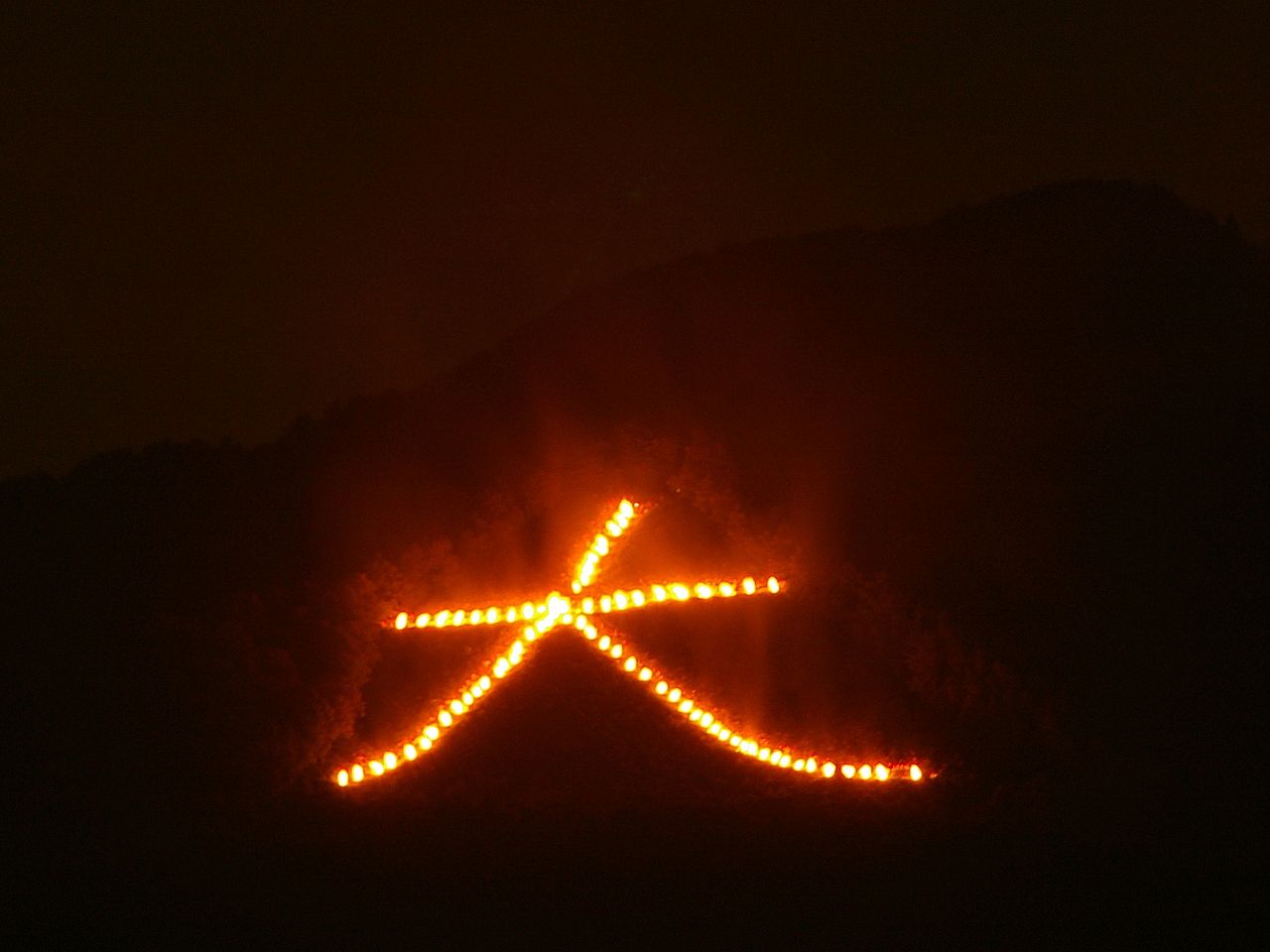
Le soir du 16 août, d'immenses kanji et motifs s'embrasent sur cinq flancs de montagne de Kyoto pour raccompagner les âmes des ancêtres — un adieu d'Obon émouvant et spectaculaire, visible dans toute la ville.
Le « Festival des Âges », le 22 octobre — une procession de 2 km rassemblant 2 000 personnes en costumes d'époque couvrant chaque ère de l'histoire japonaise, de l'époque Meiji jusqu'à la cour de Heian.
L'éblouissante danse printanière de Gion, où geiko et maiko exécutent d'élégants tableaux de saison sur une scène éclairée de lanternes — un rare et magnifique aperçu des arts des geishas de Kyoto.
Les ruelles pavées historiques de Higashiyama sont bordées de centaines de lanternes en bambou pendant deux semaines chaque mois de mars — une promenade nocturne magique au fil de temples illuminés et de boutiques traditionnelles.
L'un des trois grands festivals de Kyoto — une élégante procession de 500 personnes en costumes de cour de l'époque Heian, du Palais impérial jusqu'aux sanctuaires Kamigamo et Shimogamo, le 15 mai.
Le 22 octobre, le village de montagne de Kurama s'embrase : des hommes portent d'immenses torches enflammées dans les rues jusqu'à un sanctuaire — l'un des festivals les plus primaux et spectaculaires de Kyoto.
Début février, sanctuaires et temples de Kyoto tiennent d'animés rituels de lancer de haricots pour chasser les démons et accueillir le printemps — avec apparitions et danses de maiko à Yasaka et Yoshida.
Plusieurs studios de Gion proposent une métamorphose complète en maiko (apprentie geisha) : base de poudre blanche oshiroi, couleur de lèvres éclatante, sourcils redessinés, perruque élaborée de la coiffure ofuku, et un kimono hikizuri à plusieurs couches avec une longue traîne. Des photographes professionnels réalisent une séance de portrait officielle dans les ruelles de Gion ou des décors de jardin privés — l'une des expériences de transformation personnelle les plus spectaculaires offertes au Japon.
Le kodo (la Voie de l'encens) est l'un des trois arts classiques du Japon, aux côtés de l'art floral et de la cérémonie du thé. Les sessions, dans les quartiers de Nishiki et de Gion à Kyoto, guident les participants pour « écouter » (et non sentir — le vocabulaire est délibéré) plusieurs variétés de bois d'agar et autres précieux bois d'encens, en identifier les qualités et consigner leurs impressions dans le style poétique classique.
Nishijin — le quartier historique du tissage de Kyoto — produit le plus beau brocart de soie du Japon depuis 500 ans, fournissant la cour impériale et les fabricants de kimonos de la plus haute qualité. Le Centre textile de Nishijin propose des séances de tissage pratiques sur des métiers jacquard traditionnels, tandis que les ateliers d'artisans du quartier environnant accueillent les visiteurs pour observer des maîtres tisserands créer une étoffe dont un seul mètre demande des semaines de travail.
NishijinTissage de soieKimonoArtisanat traditionnel
Façonnez vos propres douceurs japonaises de saison sous l'œil d'un maître confiseur, puis dégustez-les avec un matcha — une plongée gourmande et pratique dans la culture sucrée de Kyoto.
Participez à une séance guidée de méditation assise zazen dans un temple zen de Kyoto, en apprenant la posture et la respiration du zen dans un hall feutré — une expérience apaisante et méditative.
Apprenez l'art méditatif du shodo, en broyant l'encre et en traçant des kanji sous la conduite d'un maître dans un atelier ou temple de Kyoto — repartez avec votre œuvre en souvenir.
Tout ce que vous devez savoir avant et pendant votre visite.
🌸
Meilleure période pour visiter
Automne (novembre) — La plus belle saison de Kyoto. Les érables cramoisis et dorés encadrent chaque temple et sanctuaire. Le pic se situe généralement lors de la deuxième et troisième semaine de novembre. Réservez votre hébergement 3 à 6 mois à l'avance.
Printemps (fin mars–avril) — La saison des cerisiers attire d'immenses foules, mais le spectacle est véritablement époustouflant le long du Chemin des Philosophes, au parc Maruyama et à Kiyomizudera. Réservez aussi tôt.
Évitez le mois d'août — Le bassin de Kyoto emprisonne la chaleur et l'humidité ; les températures dépassent fréquemment 38 °C. Même les touristes japonais ont tendance à éviter Kyoto à la mi-août.
Hiver (déc.–fév.) — Moins de monde, possibilité de neige sur les toits des temples (magnifique pour la photographie) et meilleur accès aux sites populaires. La plupart des temples restent ouverts.
💴
Guide des budgets
Petit budget (8 000 ¥–14 000 ¥/jour) — Auberge de jeunesse ou hôtel capsule, petit-déjeuner en convenience store, déjeuner ramen ou udon, 2 à 3 entrées de temples (500 ¥–1 000 ¥ chacune), dîner obanzai.
Milieu de gamme (20 000 ¥–40 000 ¥/jour) — Hôtel business près de la gare, déjeuner kaiseki dans un restaurant de temple (3 000 ¥–6 000 ¥), location de kimono (3 000 ¥–6 000 ¥), expérience de cérémonie du thé (2 000 ¥–5 000 ¥).
Luxe (80 000 ¥+/jour) — Machiya ou ryokan avec dîner kaiseki, banquet privé ozashiki avec geisha, visite guidée privée de temple avec accès exclusif.
Beaucoup des plus beaux espaces de Kyoto sont gratuits : Fushimi Inari, l'approche du jardin de Kinkakuji, les rues de Gion, le Chemin des Philosophes et le marché Nishiki.
🚇
Se déplacer
Achetez un forfait journalier de bus (700 ¥) au bureau d'information touristique de la gare de Kyoto — il couvre la grande majorité des lignes de bus vers les temples et est rentabilisé dès 3 trajets.
Pour les collines orientales (Kiyomizudera, Gion, sanctuaire Heian), prenez la ligne de métro Tozai jusqu'aux stations Higashiyama ou Keage pour éviter les bus bondés.
Arashiyama est mieux accessible par le tramway Randen (Keifuku) depuis Shijo-Omiya — un charmant vieux tramway qui traverse les faubourgs ouest de la ville.
Louez un vélo pour une journée d'exploration le long des rives de la Kamogawa, du Chemin des Philosophes et des quartiers nord plats autour de Daitokuji — c'est l'une des meilleures façons de découvrir la ville.
⛩️
Conseils pour les temples et sanctuaires
Arrivez tôt — Fushimi Inari, la bambouseraie d'Arashiyama et Kinkakuji sont accessibles avant 9 h et envahis par 11 h. La plupart ouvrent à 8 h–8 h 30.
L'application Kyoto City Bus affiche les départs en temps réel — indispensable pour planifier les correspondances entre les différents sites.
De nombreux temples facturent séparément le hall principal, le jardin et le sanctuaire intérieur. Prévoyez 500 ¥–1 000 ¥ par grand site ; le total pour les zones combinées peut atteindre 2 000 ¥.
Le château Nijo et Kinkakuji nécessitent des billets à entrée programmée réservés en ligne pendant la haute saison (floraison des cerisiers et feuillage automnal) — consultez les sites officiels avant votre visite.
🍵
Conseils gastronomiques et culturels
Pour le kaiseki, un menu déjeuner (3 000 ¥–8 000 ¥) dans le même restaurant qui facture 30 000 ¥+ pour le dîner propose la même cuisine et des plats similaires à une fraction du prix.
Le marché Nishiki est idéalement visité à 10 h en semaine — il devient bondé l'après-midi. La plupart des étals sont ouverts de 9 h à 18 h ; certains ferment le lundi.
Les expériences de cérémonie du thé vont du spectacle touristique de 10 minutes à la véritable séance d'étude de 60 minutes. Pour l'authenticité, recherchez des séances animées par des maîtres de thé certifiés — En tea experience et Ippodo Tea sont des options fiables.
Les kissaten de Kyoto (cafés à l'ancienne) proposent un excellent petit-déjeuner (toast, œuf dur, café) pour 450 ¥–600 ¥ — un rituel local bien-aimé et un début de journée économique.
🙏
Étiquette et culture
À Gion, ne courez pas après les geiko/maiko et ne les photographiez pas sans permission — cela est largement considéré comme du harcèlement et Kyoto a instauré des zones anti-photographie dans le quartier. Observez-les respectueusement à distance.
De nombreux temples de Kyoto ont des zones photographiques strictement délimitées — vérifiez attentivement les panneaux, notamment à l'intérieur des halls principaux où la photographie est souvent interdite.
Les machiya traditionnelles visibles dans les ruelles de Kyoto sont des résidences privées — n'y entrez pas et ne photographiez pas à travers les fenêtres.
À Fushimi Inari, les portes torii sont des offrandes sacrées de particuliers et d'entreprises. Traitez-les avec respect — ce ne sont pas des accessoires touristiques mais des monuments religieux actifs.
🏨 Trouver des hôtels à Kyoto
Comparez les prix de centaines d'hôtels — des capsules économiques aux ryokan de luxe.