Tohoku · Guide de la Préfecture

Guide de Voyage Miyagi

La ville-porte du Tohoku — l'une des trois grandes vues du Japon, la langue de bœuf la plus célèbre du pays, le plus grand festival Tanabata, et un littoral défini par la résilience

🌊 Matsushima — L'une des 3 Grandes Vues du Japon🥩 Sendai Gyutan — La Langue de Bœuf la Plus Célèbre du Japon🎋 Sendai Tanabata — Le Plus Grand Festival Tanabata du Japon🏯 Date Masamune — La Ville-Château du Dragon à un Œil🪆 Naruko — La Capitale des Poupées Kokeshi du Japon

🗾 À propos de Miyagi

Miyagi est la préfecture la plus grande et la plus visitée du Tohoku, ancrée par Sendai — une capitale régionale sophistiquée d'un million d'habitants qui porte l'héritage de Date Masamune, le brillant et impitoyable seigneur de guerre borgne qui y bâtit sa ville-château en 1601, transformant la région en un centre de culture et de commerce. La baie de Matsushima, à seulement 40 minutes de Sendai en train, est célébrée comme l'une des trois grandes vues canoniques du Japon depuis la période Edo — 260 îles couvertes de pins dispersées dans une calme crique du Pacifique, mieux appréciée depuis un bateau lent à l'aube ou au crépuscule quand la brume transforme le paysage en peinture à l'encre de Chine. La côte Sanriku qui descend vers le sud depuis Matsushima raconte une histoire plus complexe : Onagawa, Minami-Sanriku et les villages entre eux ont été dévastés par le séisme et le tsunami de 2011, et leur remarquable reconstruction — communautés rebâties, marchés aux poissons florissants et mémoriaux émouvants — a fait de leur visite l'une des expériences de voyage les plus significatives du Tohoku. À l'intérieur des terres, les villes thermales d'Akiu et de Naruko offrent toute la profondeur de la culture onsen du Tohoku : Akiu à seulement 30 minutes du centre de Sendai, Naruko dans un autre monde, dans une vallée de montagne brumeuse où 11 types de sources différentes et la meilleure tradition artisanale kokeshi du pays vous attendent.

🌏
Situation
Centre du Tohoku, côte de l'océan Pacifique — Sendai est la plus grande ville du Tohoku, bordée par Iwate, Akita, Yamagata, Fukushima
🗣️
Langue
Japonais (dialecte Tohoku ; anglais largement disponible à Sendai, Matsushima et les principaux sites touristiques)
💴
Monnaie
Yen japonais (JPY) — les cartes IC (Suica/Pasmo) fonctionnent à Sendai ; espèces indispensables dans les zones rurales
🕐
Fuseau Horaire
JST (UTC+9) — pas d'heure d'été
🌡️
Meilleure Saison
Début avril (cerisiers à Sendai et Matsushima) ; 6-8 août (Tanabata) ; septembre (contemplation de la lune à Matsushima) ; oct-nov (feuillage automnal aux gorges de Naruko) ; janvier-février (monstres de neige du Zao)
✈️
Aéroports les Plus Proches
Aéroport de Sendai (SDJ) · 17 min en train Sendai Airport Access Line jusqu'à la gare de Sendai. Vols internationaux depuis Séoul, Shanghai, Taipei
🚇
Se Déplacer
Shinkansen Tohoku jusqu'à Sendai (1h30 depuis Tokyo) ; ligne Senseki pour Matsushima ; voiture de location pour Naruko Onsen et Zao
Prise Électrique
Type A, 100V / 50Hz

✈️ Comment s'y rendre

Sendai est le principal hub de transport du Tohoku — le Shinkansen Hayabusa depuis Tokyo atteint Sendai en seulement 1 heure 30 minutes, ce qui en fait la porte d'entrée la plus rapide et la plus pratique vers tout le nord du Tohoku. L'aéroport de Sendai ajoute une dimension internationale directe avec des connexions depuis Seoul Gimpo, Shanghai Pudong et Taipei Taoyuan, mettant Miyagi à portée des visiteurs d'Asie de l'Est sans transit par Tokyo.

🚄 Depuis Tokyo (Shinkansen)
  • Shinkansen Tohoku Hayabusa (Tokyo → Sendai) — 1h30–1h45. ¥11 410 (réservé). Le service le plus rapide ; départ toutes les 20-40 min depuis la gare de Tokyo. JR Pass valide.
  • Shinkansen Tohoku Yamabiko (Tokyo → Sendai) — 2h. ¥11 410. S'arrête à plus de gares ; utile en correspondance depuis Utsunomiya ou Fukushima.
  • Bus longue distance (Shinjuku/Tokyo → Sendai) — 5-6h. ¥3 500–¥5 500. Plusieurs services de nuit ; option économique avec arrêt direct en centre-ville.
✈️ International via l'Aéroport de Sendai
  • Aéroport de Sendai (SDJ) — Desservi par Asiana Airlines depuis Seoul Gimpo, China Eastern depuis Shanghai Pudong, et Eva Air/Mandarin depuis Taipei Taoyuan. Des charters saisonniers opèrent également depuis Hong Kong et Bangkok.
  • Airport Access Line (SDJ → Gare de Sendai) — 17 min. ¥660. Toutes les 30 min ; connexion directe aux quais Shinkansen.
✈️ Depuis Osaka / Nagoya
  • JAL / ANA (ITM → SDJ) — 1h15. À partir de ¥10 000. Option la plus rapide depuis Osaka ; 4-5 vols quotidiens.
  • ANA (NGO → SDJ) — 1h10. À partir de ¥9 000. Deux à trois vols quotidiens depuis l'aéroport de Nagoya Chubu.
  • Shinkansen depuis Osaka via Tokyo — 4h (Nozomi jusqu'à Tokyo, Hayabusa jusqu'à Sendai). Pour les détenteurs de Shinkansen Pass.
🚗 Se Déplacer dans Miyagi
  • Sendai — Métro (lignes Namboku et Tozai), bus touristique Loople Sendai (¥630/pass journée) et réseau de bus urbain couvrent toutes les attractions. Le centre de Sendai est compact et praticable à pied.
  • Matsushima — JR Senseki-Tohoku Line depuis Sendai jusqu'à Matsushima-kaigan (40 min, ¥420). Des ferries relient Matsushima à Shiogama (25 min, ¥1 500) pour un circuit pittoresque.
  • Naruko Onsen et Zao — Voiture de location fortement recommandée. Naruko est à 1h30 de Sendai ; la station de ski de Zao est à 1h10. La ligne JR Rikuu-Est dessert Naruko mais prend plus de 2 heures.
  • Côte Sanriku — Voiture de location ou bus longue distance pour Minami-Sanriku et Onagawa. Onagawa est à 1h10 de Sendai par la ligne JR Senseki.
💡 Conseil voyageMatsushima n'est qu'à 40 minutes de la gare de Sendai par la ligne JR Senseki-Tohoku (jusqu'à Matsushima-kaigan) ou l'ancienne ligne Senseki — ce qui en fait l'une des excursions à la journée les plus faciles du Japon depuis une grande ville. Rentrez par le ferry Shiogama de 25 minutes pour le circuit le plus pittoresque, en arrivant au port de Shiogama avec le temps pour un déjeuner sushis avant de reprendre le train vers Sendai.

📖 Guides de Voyage Recommandés

Des guides complets pour planifier chaque aspect de votre séjour — des incontournables aux meilleurs restaurants et événements saisonniers.

⛩️

Sites touristiques

10 lieux
Matsushima Bay — One of Japan's Three Views
📍 Matsushima, Miyagi

Matsushima Bay — One of Japan's Three Views

Matsushima is one of Japan's three canonically great views — a calm bay scattered with over 260 pine-covered islands, each shaped by centuries of wave erosion into arches, caves, and pinnacles draped in wind-twisted black pines. Viewed from Saigyo Modoshi no Matsu hilltop at dusk, the islands recede in layers of blue-grey haze that seem more painting than reality. Boat cruises departing every 30 minutes wind between the islands at water level, revealing hidden grottoes and cormorant colonies.

Three Views of Japan Pine Islands UNESCO Candidate Scenic Bay
Shichi-Go-San at Osaki Hachimangu Shrine
📍 Sendai, Miyagi

Shichi-Go-San at Osaki Hachimangu Shrine

Sendai's Osaki Hachimangu, a stunning Momoyama-era shrine designated as a National Treasure, becomes the focal point of Miyagi's Shichi-Go-San celebrations each November, when families dress children aged 3, 5, and 7 in elaborate kimono and hakama for blessing ceremonies. The gold-lacquered shrine facade and crimson torii set against autumn foliage create a vivid backdrop for this cherished Japanese rite of passage. The shrine's black-lacquered hall and intricate carvings make it a must-visit regardless of the festival.

Shrine Children Festival Autumn
Narugo Gorge (Autumn Colours)
📍 Osaki, Miyagi

Narugo Gorge (Autumn Colours)

Narugo Gorge erupts in some of Tohoku's finest autumn colour each October and November — a 2 km ravine where the Narugo River has cut through volcanic rock to create vertical walls of deep red maple, yellow ginkgo, and ochre oak reflected in the dark river below. The Ofukazawa Bridge viewpoint is the classic vantage point, but walking the gorge trail at water level reveals cascades and mossy boulders almost hidden beneath the blazing canopy. The nearby kokeshi doll workshops add a warm cultural dimension to what would already be a compelling autumn destination.

Autumn Foliage Gorge Tohoku Scenic Ravine
Zuiganji Temple (Major Zen Temple)
📍 Matsushima, Miyagi

Zuiganji Temple (Major Zen Temple)

Zuiganji is Tohoku's most important Zen temple, founded in 828 and rebuilt in its current magnificent form by Date Masamune in 1609 — the gilded sliding-door paintings inside the main hall are among the finest surviving examples of Momoyama-period art. The approach from the main gate is one of Japan's most atmospheric temple walks: a corridor of ancient cedar trees several hundred years old, their canopy blotting out the sky. Cliff-carved meditation caves line the path, used by Heian-period monks who carved their own tombstones into the rock face.

Zen Temple Date Masamune Cedar Approach Momoyama Art
Kinkazan Island (Sacred Island — Deer & Monkeys)
📍 Ishinomaki, Miyagi

Kinkazan Island (Sacred Island — Deer & Monkeys)

Kinkazan — 'Gold Flower Mountain' — is one of Japan's three great power spots, a sacred island off the Oshika Peninsula where hundreds of sika deer and wild macaque monkeys roam freely among the ancient shrine buildings. Koganeyama Shrine at the island's centre has been a pilgrimage destination since the 8th century, and traditional belief holds that three consecutive January visits guarantee lifelong financial fortune. The 30-minute ferry from Oshika Peninsula deposits visitors into a wild, half-tame landscape unlike anywhere else in Tohoku.

Sacred Island Deer Wild Monkeys Remote Shrine
Shiogama Shrine & Tuna Port
📍 Shiogama, Miyagi

Shiogama Shrine & Tuna Port

Shiogama is one of Japan's top tuna-landing ports, supplying much of Tokyo's premium maguro market — the Sunday morning market at Uontana lets visitors buy directly from wholesalers at extraordinary prices, followed by sushi at restaurants that open at 7am. Above the port, Shiogama Shrine rises on a wooded hill with 202 stone steps framed by ancient cedar trees, its main halls designated National Treasures. The shrine's September Minato Festival — when sacred portable shrines are carried across the bay by boat — is one of Tohoku's most spectacular waterborne festivals.

Shiogama Shrine Tuna Port Sushi Coastal Town
🍜

Gastronomie

7 lieux
Sendai Gyutan (Beef Tongue)
📍 Sendai, Miyagi

Sendai Gyutan (Beef Tongue)

Sendai gyutan is Japan's most famous regional beef dish — thick-sliced beef tongue (three to four times the thickness of ordinary gyutan) grilled over charcoal until lightly charred outside and juicy within, served with mugi-meshi (barley rice), pickled cabbage, and a rich oxtail soup. The dish was invented in 1948 by restaurateur Keishiro Sano who sought a use for the tongue and tail cuts ignored by the postwar American occupation forces stationed in Sendai. Today over 30 specialist gyutan restaurants cluster in Sendai's Kokubuncho district, each with its own proprietary cure, thickness, and grill technique.

Gyutan Beef Tongue Sendai Specialty Charcoal Grilled
Seafood Don at Shiogama Market
📍 Shiogama, Miyagi

Seafood Don at Shiogama Market

Shiogama's Sunday market (Uontana) is one of Japan's great seafood bargains — a cavernous wholesale hall where tuna, salmon, scallops, sea urchin, and Matsushima oysters are sold at prices a fraction of Tokyo retail. Several restaurants adjacent to the market open at 7am serving kaisendon (seafood rice bowls) piled high with the morning's freshest catch — a maguro and uni combination for under ¥2,000 is a Miyagi staple. The 10-minute ferry from Matsushima makes combining the two into a morning circuit easy.

Seafood Bowl Tuna Fresh Market Shiogama
Shiogama Shrine & Tuna Port
📍 Shiogama, Miyagi

Shiogama Shrine & Tuna Port

Shiogama is one of Japan's top tuna-landing ports, supplying much of Tokyo's premium maguro market — the Sunday morning market at Uontana lets visitors buy directly from wholesalers at extraordinary prices, followed by sushi at restaurants that open at 7am. Above the port, Shiogama Shrine rises on a wooded hill with 202 stone steps framed by ancient cedar trees, its main halls designated National Treasures. The shrine's September Minato Festival — when sacred portable shrines are carried across the bay by boat — is one of Tohoku's most spectacular waterborne festivals.

Shiogama Shrine Tuna Port Sushi Coastal Town
Zunda Mochi (Green Edamame Mochi)
📍 Sendai, Miyagi

Zunda Mochi (Green Edamame Mochi)

Zunda mochi is Miyagi's most beloved sweet and most distinctive souvenir — soft rice cakes coated in a vivid green paste made from lightly sweetened, pounded edamame (young soybean). The colour is a striking natural green unlike any processed food dye, and the flavour is grassy, slightly sweet, and entirely unlike anything else in Japanese confectionery. Zunda Saryo in Sendai Station has perfected the art with a menu that extends from classic mochi to zunda parfaits, zunda smoothies, and zunda shakes.

Zunda Mochi Sendai Souvenir Edamame Sweet
Onagawa Seafood Market (Post-2011 Recovery)
📍 Onagawa, Miyagi

Onagawa Seafood Market (Post-2011 Recovery)

Onagawa was among the most heavily damaged towns in the 2011 disaster — the tsunami wave here reached 18 metres, destroying over 70% of the town. The rebuilt Onagawa is now one of Japan's most admired recovery projects: a compact, architecturally ambitious new town centre on elevated ground, anchored by a striking station building and a seafood market (Onagawa Jikkamachi) drawing visitors from across Tohoku. The sea bream, oysters, saury, and sea urchin from this Sanriku inlet are genuinely exceptional; eating here carries a warmth of meaning beyond the meal itself.

Recovery Town Seafood Sanriku Coast 2011 Tsunami
Sasa Kamaboko (Bamboo-Leaf Fish Cake)
📍 Sendai, Miyagi

Sasa Kamaboko (Bamboo-Leaf Fish Cake)

Sasa kamaboko is Sendai's most photographed street food — fresh white fish paste shaped by hand into a semicircle and grilled directly on a bamboo-leaf skewer until golden-brown on the outside and yielding within. The bamboo imparts a subtle woody fragrance that distinguishes it completely from the boiled kamaboko found elsewhere in Japan. Dozens of producers in Sendai each guard their own fish blend and grilling style; Abe Kamaboko, founded in 1935, is the city's most respected maker.

Kamaboko Fish Cake Sendai Local Craft Food
🏔️

Nature

7 lieux
Matsushima Bay — One of Japan's Three Views
📍 Matsushima, Miyagi

Matsushima Bay — One of Japan's Three Views

Matsushima is one of Japan's three canonically great views — a calm bay scattered with over 260 pine-covered islands, each shaped by centuries of wave erosion into arches, caves, and pinnacles draped in wind-twisted black pines. Viewed from Saigyo Modoshi no Matsu hilltop at dusk, the islands recede in layers of blue-grey haze that seem more painting than reality. Boat cruises departing every 30 minutes wind between the islands at water level, revealing hidden grottoes and cormorant colonies.

Three Views of Japan Pine Islands UNESCO Candidate Scenic Bay
Zao Snow Monsters (Juhyo)
📍 Zao, Miyagi

Zao Snow Monsters (Juhyo)

Zao's 'snow monsters' (juhyo) are one of Japan's most surreal natural phenomena — fir trees on the Zao plateau above 1,400 m are encased in successive layers of freezing fog and blizzard snow from January through February, creating enormous white figures that fill the ski slopes like a silent army of frost giants. The best viewing is from the Zao Ropeway gondola at dawn when the low sun casts long blue shadows across the transformed landscape. The Zao resort straddles the Miyagi-Yamagata border; the Miyagi side is less crowded and offers equally spectacular juhyo fields.

Snow Monsters Juhyo Winter Ski Resort
Narugo Gorge (Autumn Colours)
📍 Osaki, Miyagi

Narugo Gorge (Autumn Colours)

Narugo Gorge erupts in some of Tohoku's finest autumn colour each October and November — a 2 km ravine where the Narugo River has cut through volcanic rock to create vertical walls of deep red maple, yellow ginkgo, and ochre oak reflected in the dark river below. The Ofukazawa Bridge viewpoint is the classic vantage point, but walking the gorge trail at water level reveals cascades and mossy boulders almost hidden beneath the blazing canopy. The nearby kokeshi doll workshops add a warm cultural dimension to what would already be a compelling autumn destination.

Autumn Foliage Gorge Tohoku Scenic Ravine
Matsushima Bay Boat Cruise
📍 Matsushima, Miyagi

Matsushima Bay Boat Cruise

The 50-minute loop cruise from Matsushima pier is the classic way to experience Japan's three great views — the boat weaves between pine-draped islands at water level, revealing sea arches, hidden coves, and cormorant roosts invisible from the shore. The larger 'Red Dragon' and 'Blue Dragon' cruisers depart every 30 minutes in peak season; smaller express ferries connecting Shiogama to Matsushima (25 min) are the more scenic option, passing through the densest section of the island labyrinth. Autumn and spring light on the water creates photographic conditions of extraordinary quality.

Boat Cruise Pine Islands Scenic Bay Wildlife
Kinkazan Island (Sacred Island — Deer & Monkeys)
📍 Ishinomaki, Miyagi

Kinkazan Island (Sacred Island — Deer & Monkeys)

Kinkazan — 'Gold Flower Mountain' — is one of Japan's three great power spots, a sacred island off the Oshika Peninsula where hundreds of sika deer and wild macaque monkeys roam freely among the ancient shrine buildings. Koganeyama Shrine at the island's centre has been a pilgrimage destination since the 8th century, and traditional belief holds that three consecutive January visits guarantee lifelong financial fortune. The 30-minute ferry from Oshika Peninsula deposits visitors into a wild, half-tame landscape unlike anywhere else in Tohoku.

Sacred Island Deer Wild Monkeys Remote Shrine
Shizugawa Bay & Minami-Sanriku Recovery Coast
📍 Minami-Sanriku, Miyagi

Shizugawa Bay & Minami-Sanriku Recovery Coast

Shizugawa Bay is Miyagi's most productive marine farming zone — the cold Oyashio current and warm Kuroshio meet here, creating nutrient-rich water that produces some of Japan's finest oysters, scallops, and wakame seaweed. The coastal town of Minami-Sanriku was almost entirely destroyed by the 2011 tsunami; its remarkable recovery — rebuilt on elevated ground with a striking new market and memorial park — has made it one of Japan's most visited recovery sites. The preserved steel frame of the Disaster Prevention Centre, rising above the rebuilt town, stands as a powerful memorial to the 43 staff who remained at their posts.

Oyster Farming Recovery Sanriku Coast Seaweed
🎿

Loisirs

7 lieux
Matsushima Bay Boat Cruise
📍 Matsushima, Miyagi

Matsushima Bay Boat Cruise

The 50-minute loop cruise from Matsushima pier is the classic way to experience Japan's three great views — the boat weaves between pine-draped islands at water level, revealing sea arches, hidden coves, and cormorant roosts invisible from the shore. The larger 'Red Dragon' and 'Blue Dragon' cruisers depart every 30 minutes in peak season; smaller express ferries connecting Shiogama to Matsushima (25 min) are the more scenic option, passing through the densest section of the island labyrinth. Autumn and spring light on the water creates photographic conditions of extraordinary quality.

Boat Cruise Pine Islands Scenic Bay Wildlife
Matsushima Bay Sea Kayaking
📍 Matsushima, Miyagi

Matsushima Bay Sea Kayaking

Paddling through Matsushima's island maze by sea kayak reveals a completely different world from the tourist boat cruises — narrow channels between pine-topped rocks, hidden sea caves only accessible at low tide, and the eerie silence of isolated island beaches where the only sound is water lapping against ancient stone. Half-day guided tours depart from Matsushima pier between April and October; no prior kayaking experience is necessary for the standard routes. Sunrise paddling tours, when mist still hangs over the bay and the light turns the water to pale gold, are available for early risers.

Kayaking Islands Sea Adventure Matsushima
Onagawa Seafood Market (Post-2011 Recovery)
📍 Onagawa, Miyagi

Onagawa Seafood Market (Post-2011 Recovery)

Onagawa was among the most heavily damaged towns in the 2011 disaster — the tsunami wave here reached 18 metres, destroying over 70% of the town. The rebuilt Onagawa is now one of Japan's most admired recovery projects: a compact, architecturally ambitious new town centre on elevated ground, anchored by a striking station building and a seafood market (Onagawa Jikkamachi) drawing visitors from across Tohoku. The sea bream, oysters, saury, and sea urchin from this Sanriku inlet are genuinely exceptional; eating here carries a warmth of meaning beyond the meal itself.

Recovery Town Seafood Sanriku Coast 2011 Tsunami
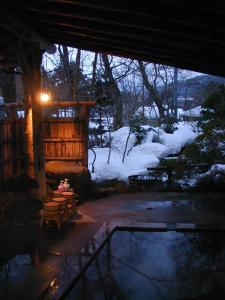
Akiu Onsen (Nearest Onsen to Sendai)
📍 Aoba-ku, Sendai

Akiu Onsen (Nearest Onsen to Sendai)

Akiu is Sendai's closest hot spring resort — a cluster of elegant ryokan in a forested river valley just 30 minutes from the city centre, making it the city's natural evening escape. The sodium-sulphate alkaline waters are considered good for the skin, and the setting above the Hirose River gorge with waterfalls audible from open-air baths adds a wildness that distinguishes Akiu from more manicured onsen towns. The nearby Akiu Great Falls (55 m high) and Rairaikyo Gorge make it a full-day destination combining onsen with walking and autumn foliage.

Onsen Sendai Day Trip River Valley Ryokan
Naruko Onsen & Kokeshi Dolls
📍 Osaki, Miyagi

Naruko Onsen & Kokeshi Dolls

Naruko is Japan's kokeshi doll capital — the tradition of turning painted wooden dolls on a lathe began here in the early 19th century, and today dozens of craft workshops line the town's main street where visitors can watch masters at work or try their own hand at the lathe. What makes Naruko extraordinary among onsen towns, however, is the remarkable variety of its springs: 11 different water types emerge within the compact town, ranging from milky-white sulphur baths that smell of hard-boiled eggs to clear alkaline springs of needle-sharp tingling warmth. The surrounding mountains provide world-class autumn foliage from mid-October.

Onsen Kokeshi Dolls 11 Spring Types Craft
Sendai City — Tohoku's Largest City
📍 Sendai, Miyagi

Sendai City — Tohoku's Largest City

Sendai is Tohoku's most sophisticated city — nicknamed the 'City of Trees' for its zelkova-lined boulevards, it blends the heritage of Date Masamune's 17th-century castle town with a modern, cosmopolitan energy that sets it apart from other Tohoku cities. The city centre is compact and walkable, anchored by Aoba Castle ruins on the wooded hill above and the famous Kokubuncho nightlife district below. Sendai is also the essential transport hub for all of northern Tohoku, with Shinkansen connections to every major town.

Tohoku Capital Date Masamune City of Trees Regional Hub
🎆

Événements

8 lieux
Sendai Tanabata Festival
📍 Sendai, Miyagi

Sendai Tanabata Festival

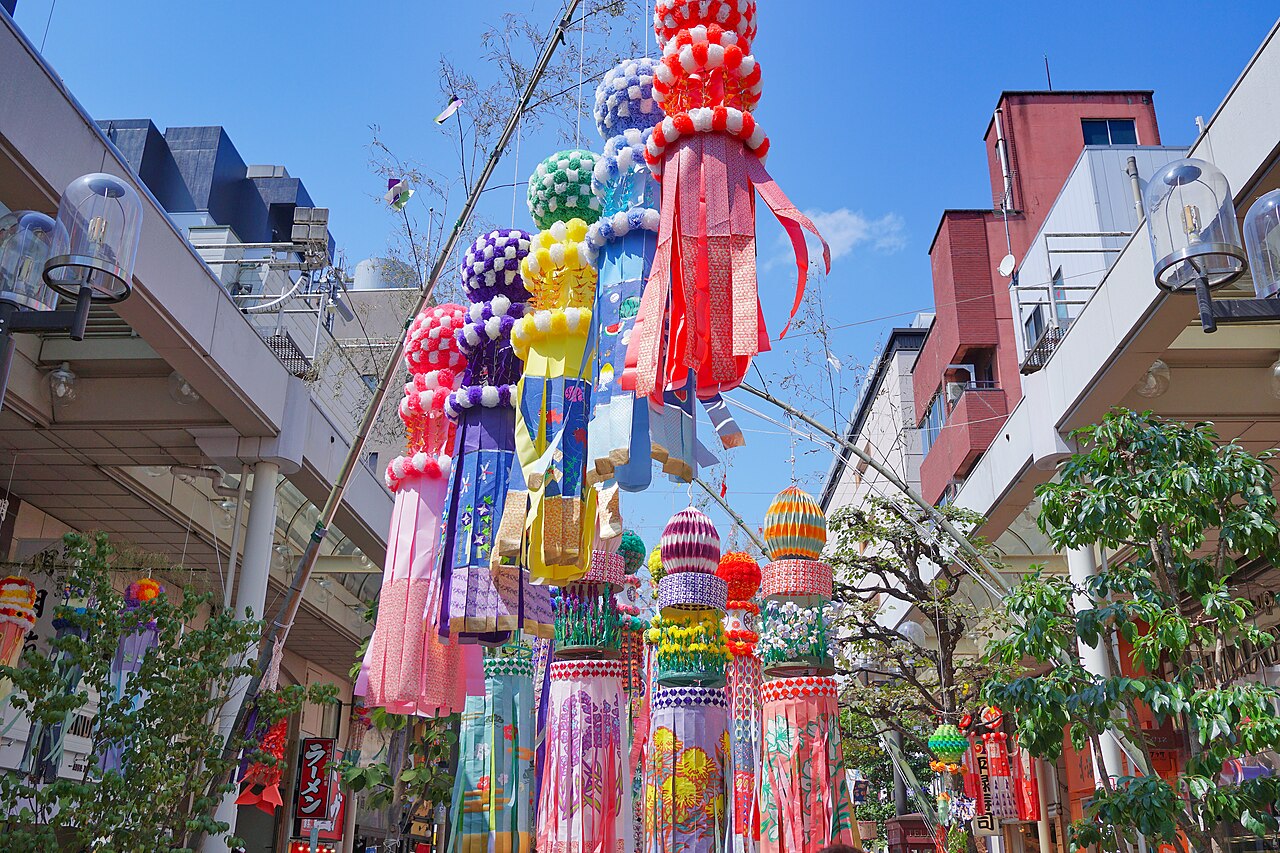
Held from August 6 to 8, the Sendai Tanabata Festival is Japan's largest and most spectacular celebration of the star festival, filling the city's covered shopping arcades with thousands of enormous, hand-crafted bamboo streamers decorated with paper ornaments in seven traditional styles. The tradition dates to the Edo period and the patronage of feudal lord Date Masamune. A fireworks display on the eve of the festival launches three days of color, music, and street food.

Tanabata Summer Largest in Japan
Matsushima Hanabi (Fireworks over the Bay)
📍 Matsushima, Miyagi

Matsushima Hanabi (Fireworks over the Bay)

Each August, the pine-clad islands of Matsushima Bay serve as a spectacular natural stage for one of Tohoku's most dramatic fireworks displays. Shells burst directly over the hundreds of rocky islets, their reflections shimmering across the water in a scene that has no rival in Japan. Viewing spots along the Matsushima waterfront promenade and aboard chartered sightseeing boats fill quickly, making early arrival essential.

Fireworks Bay Summer
Sendai Pageant of Starlight (December Illumination)
📍 Sendai, Miyagi

Sendai Pageant of Starlight (December Illumination)

From early to late December, Sendai's iconic Jozenji-dori and Aoba-dori boulevards are transformed into glittering corridors of light as over 600,000 LED bulbs drape the giant zelkova trees in warm white and gold. The Pageant of Starlight is one of Japan's most beloved winter illumination events, drawing over two million visitors to the 'City of Trees' for the festive season. Evening food stalls, jazz performances, and horse-drawn carriage rides complete the seasonal atmosphere.

Illumination Winter Keyaki Avenue
Sendai Tanabata Matsuri (Aug 6-8)
📍 Sendai, Miyagi

Sendai Tanabata Matsuri (Aug 6-8)

Sendai Tanabata is Japan's largest and most spectacular Tanabata festival — every August 6 to 8, the city's covered shopping arcades are transformed by over 3,000 enormous paper streamers (kazari) up to 10 metres long, in every colour imaginable, each hand-crafted by local organisations and businesses using traditional washi paper techniques. The festival draws over two million visitors over three days and extends throughout the city centre, with street food stalls, performances, and the famous fireworks display on the evening of August 5th that opens the celebrations. The scale and craftsmanship of the decorations has no equal in Japan.

Tanabata Summer Festival Streamers August
Shichi-Go-San at Osaki Hachimangu Shrine
📍 Sendai, Miyagi

Shichi-Go-San at Osaki Hachimangu Shrine

Sendai's Osaki Hachimangu, a stunning Momoyama-era shrine designated as a National Treasure, becomes the focal point of Miyagi's Shichi-Go-San celebrations each November, when families dress children aged 3, 5, and 7 in elaborate kimono and hakama for blessing ceremonies. The gold-lacquered shrine facade and crimson torii set against autumn foliage create a vivid backdrop for this cherished Japanese rite of passage. The shrine's black-lacquered hall and intricate carvings make it a must-visit regardless of the festival.

Shrine Children Festival Autumn
Jozenji Street Jazz Festival
📍 Sendai, Miyagi

Jozenji Street Jazz Festival

Every September, the tree-lined Jozenji-dori avenue in central Sendai becomes Japan's finest open-air jazz festival, with over 700 bands and 1,500 performances across multiple outdoor stages over two days. From New Orleans swing to contemporary fusion, the festival draws world-class musicians alongside local amateur groups, all performing free of charge beneath the zelkova canopy. The festival reflects Sendai's reputation as one of Japan's most culturally vibrant cities.

Jazz Street Music Autumn
🎌

Expériences

2 lieux
Matsushima Oyster Harvesting Experience
📍 Matsushima, Miyagi

Matsushima Oyster Harvesting Experience

Matsushima Bay's island-sheltered waters produce Miyagi oysters prized across Japan. Guided harvesting tours take visitors onto aquaculture rafts to pull up oyster cages, prise shells open with a shucking knife, and eat them raw on the spot with a squeeze of lemon — a briny, exhilarating experience best in the cold months of November to March.

Oyster Harvesting Matsushima Seafood
Sendai Tansu Woodworking Workshop
📍 Sendai, Miyagi

Sendai Tansu Woodworking Workshop

Sendai tansu — ornate lacquered chest-of-drawers with intricate ironwork fittings — is one of Japan's finest furniture traditions. Workshops led by certified craftsmen teach hand-planing, joinery, and lacquer polishing techniques, with participants completing a small wooden tray or box using the same methods applied to these museum-quality pieces.

Woodworking Traditional Craft Tansu Workshop

💡 Conseils pratiques de voyage

Tout ce que vous devez savoir avant et pendant votre visite.

🌸
Meilleure Période pour Visiter
  • Début avril — Les cerisiers au parc Nishi de Sendai et le long de la rivière Hirose s'épanouissent légèrement plus tard qu'à Tokyo (vers le 7-12 avril), faisant de Miyagi une excellente deuxième étape d'un itinéraire printanier au Japon. Les îles de Matsushima encerclées de cerisiers en fleurs comptent parmi les plus belles vues printanières du Tohoku.
  • 6–8 août (Sendai Tanabata) — Le plus grand festival Tanabata du Japon transforme les arcades commerçantes de Sendai avec plus de 3 000 immenses guirlandes en papier faites à la main. Réservez l'hébergement 3-4 mois à l'avance ; la veille (5 août), le feu d'artifice sur la rivière Hirose est le meilleur spectacle gratuit du Tohoku.
  • Septembre — La lune des moissons sur la baie de Matsushima est l'une des vues saisonnières les plus célébrées du Japon, avec le concert en bateau Kangetsu-kai parmi les billets les plus convoités de la région. Les températures baissent agréablement ; les foules estivales se dissipent.
  • Octobre–novembre — Les couleurs d'automne des gorges de Naruko atteignent leur apogée fin octobre et rivalisent avec n'importe lesquelles du Tohoku. Les flancs de montagne du Zao virent au cramoisi profond ; les îles de Matsushima dans la brume d'automne sont peut-être la saison la plus picturale de la baie.
  • Janvier–février — Les monstres de neige (juhyo) du Zao atteignent leur taille maximale fin janvier et début février. C'est une expérience hivernale de niche mais spectaculaire ; combinez avec Naruko Onsen pour un circuit hivernal complet à Miyagi.
🌊
Conseils pour Matsushima
  • Le point de vue classique sur Matsushima est le parc collinaire Saigyo Modoshi no Matsu, à 10 minutes à pied de la jetée — la vue à l'aube ou dans la brume matinale, avec les îles superposées dans une brume bleu-gris, est plus belle et moins fréquentée que la zone de la jetée. Visitez avant 9h pour l'avoir presque pour vous seul.
  • Le ferry Shiogama (25 min, ¥1 500) est une alternative supérieure à la croisière en boucle depuis Matsushima — il part de Shiogama toutes les heures et passe par la plus forte concentration d'îles avant d'arriver à la jetée de Matsushima. Combinez avec un petit-déjeuner sushis au marché de Shiogama pour un circuit matinal complet depuis Sendai.
  • L'allée de cèdres de Zuiganji est mieux appréciée tôt le matin avant l'arrivée des groupes de touristes — marchez lentement et regardez dans la paroi rocheuse sur le côté droit du chemin pour les grottes funéraires de moines de la période Heian taillées directement dans la roche. Les trésors de la salle principale (peintures dorées Momoyama) nécessitent un ticket séparé mais valent chaque yen.
  • Les quatre pavillons sur les flancs des collines au-dessus de Matsushima (Godaido, Entsuiin, Kanrantei, Zuihoden) sont tous accessibles à pied en moins de 20 minutes depuis la jetée du ferry. Le jardin Entsuiin, avec ses sculptures de roses secrètes cachées dans les lanternes en pierre, est une délicieuse découverte que la plupart des visiteurs manquent entièrement.
🥩
Conseils pour le Gyutan
  • Le couloir gyutan dans la « Ruelle Zundoko » souterraine de la gare de Sendai et au sous-sol du grand magasin S-PAL contient 8 à 10 restaurants spécialisés en gyutan — idéal pour un repas rapide entre les connexions Shinkansen. Prévoyez des files d'attente de 20 à 40 minutes aux heures de pointe (midi-13h30, 18h-20h).
  • Restaurants recommandés : Kisuke (fondé dans les années 1950, les tranches les plus épaisses de Sendai), Rikyu (la chaîne la plus populaire, qualité fiable) et Tasuke (service et décor inspirés du clan Date). Les trois se trouvent à moins de 5 minutes de la gare de Sendai.
  • La commande standard (set teishoku) comprend du gyutan grillé au sel (shio) ou mariné au miso (miso), du mugi-meshi (riz à l'orge avec un œuf cru), du chou chinois mariné et de la soupe de queue de bœuf (soupe tsuya). Commandez la portion de 150g ou 200g pour une expérience complète — la portion de 100g est trop petite pour apprécier la saveur.
  • Le gyutan n'est pas un repas économique — prévoyez ¥2 500 à ¥4 000 pour un set. Cela reflète la qualité du bœuf, la préparation intensive (chaque langue est salée et séchée pendant 2 à 3 jours avant d'être grillée) et la technique premium au charbon de bois. Chaque yen en vaut la peine.
🎋
Conseils pour le Festival Tanabata de Sendai
  • L'exposition principale de décorations court le long des arcades commerciales de Chuo-dori et Ichibancho — commencez du côté du grand magasin Fujisaki et marchez vers le nord à travers les trois sections couvertes. Accordez 1h30 à 2h pour apprécier correctement les guirlandes faites à la main ; chacune prend des dizaines d'heures bénévoles à réaliser et représente une déclaration artistique unique.
  • Le feu d'artifice (5 août, veille du Tanabata) le long de la rivière Hirose est techniquement un événement séparé mais attire 200 000 spectateurs et est l'un des plus beaux spectacles pyrotechniques du Tohoku. Sécurisez une place au bord de la rivière avant 18h ; le spectacle commence à 19h30 et dure environ une heure.
  • L'hébergement est complet pour les 6-8 août — réservez 3-4 mois à l'avance, ou envisagez de séjourner à Yamagata (40 min en Shinkansen) et de faire la navette. Les hôtels de Sendai pratiquent des tarifs 2 à 3 fois supérieurs à la normale pendant la période du festival.
  • Le matin du 6 août (avant 10h) offre le meilleur accès aux expositions des arcades sans foule — les guirlandes sont les plus fraîches, la lumière à travers les toits des arcades est à son état le plus atmosphérique, et les foules ne sont pas encore arrivées. Revenez en soirée pour les expositions illuminées et l'ambiance des stands de nourriture de rue.
🪆
Conseils pour Naruko Onsen
  • Naruko est à 1h30 de Sendai en voiture de location (via l'autoroute Tohoku et la Route 47) — bien plus pratique que le trajet de plus de 2h sur la ligne JR Rikuu-Est. La route de montagne à travers les gorges de Naruko est belle en elle-même et peut être intégrée dans l'approche.
  • Les 11 types de sources de Naruko sont répartis dans les bains publics et ryokan de la ville — un sentier de bain-hopping (yu-meguri) dédié passe par sept bains publics, chacun avec une chimie d'eau différente. Achetez la carte-badge en bois au bureau d'information touristique et collectez des tampons à chaque bain. Coût total pour les sept bains : moins de ¥2 500.
  • Les ateliers de peinture de poupées kokeshi sont disponibles dans plusieurs ateliers le long de la rue principale (Togatta-ya, Ishibashi Kokeshi-ten) pour environ ¥1 500 à ¥2 500 par poupée. Pas de réservation requise dans la plupart des ateliers. Le style kokeshi traditionnel de Naruko a une tête ronde qui grince quand on la fait tourner — un son que le nom de la ville est censé imiter.
  • Le meilleur point de vue pour le feuillage automnal des gorges de Naruko est depuis le pont Ofukazawa, accessible en voiture (Route 108, 10 min du centre-ville) ou à pied (45 min de marche depuis la gare de Naruko-Onsen). La couleur maximale est généralement du 20 octobre au 5 novembre. Les gorges sont également accessibles par un court sentier de randonnée depuis la route qui descend au lit de la rivière pour des vues rapprochées des falaises d'érables rouges.

🏨 Trouver des hôtels à Miyagi

Comparez les prix de centaines d'hôtels — des capsules économiques aux ryokan de luxe.

Chercher sur Booking.com →

🎌 Circuits & Expériences

Réservez des visites guidées, excursions, cours de cuisine et expériences culturelles.

Voir les circuits sur Viator →

🗺️ Activités & Attractions

Évitez les files d'attente — réservez à l'avance entrées, excursions et expériences locales.

Découvrir sur GetYourGuide →

🎟️ À faire à Miyagi

Découvrez billets, pass transport et expériences locales à Miyagi avec Klook.

Réserver sur Klook →

🚄 JR Pass & Billets de Train

Achetez votre Japan Rail Pass en ligne avant d'arriver — le moyen le plus simple de voyager en Shinkansen à travers le Japon.

Acheter le JR Pass →
🗺️ Plan