Dotonbori Canal District
Osaka's neon-drenched entertainment heart — a canal lined with giant illuminated signs, takoyaki stalls, crab restaurants, and the iconic Glico Running Man billboard. Unmissable at night.
Kansai · Guide de la Préfecture
La capitale gastronomique du Japon — rues de canaux illuminées au néon, un château entouré de cerisiers, et une obsession citywide de bien manger
Osaka a une personnalité unique au Japon. Là où Tokyo est cool et réservée, Osaka est bruyante, chaleureuse et glorieusement obsédée par la nourriture — la devise non officielle de la ville, *kuidaore* (« manger jusqu'à tomber »), vous dit tout ce que vous devez savoir. Le canal Dotonbori baigné de néon, la grandeur impériale du château d'Osaka surplombant des parcs de cerisiers, l'animation théâtrale du marché Kuromon, et Universal Studios Japan partagent une ville qui se targue d'être sans prétention, directe et infiniment accueillante. Osaka est la base parfaite pour explorer le Kansai — à 15 minutes de Kyoto par Shinkansen, à 30 minutes de Nara, et une grande ville à part entière.
Osaka est l'une des villes les mieux connectées du Japon. L'aéroport international du Kansai est à 50 minutes en train express jusqu'à Namba. Le Shinkansen Tokaido arrive à la gare de Shin-Osaka en 15 minutes depuis Kyoto, 2h30 depuis Tokyo. Dans la ville, le réseau de métro d'Osaka Metro couvre l'ensemble de la zone métropolitaine avec des services propres, fréquents et faciles à naviguer.
Des guides complets pour planifier chaque aspect de votre séjour — des incontournables aux meilleurs restaurants et événements saisonniers.
Osaka's neon-drenched entertainment heart — a canal lined with giant illuminated signs, takoyaki stalls, crab restaurants, and the iconic Glico Running Man billboard. Unmissable at night.
Osaka's defining landmark — a magnificent reconstructed castle keep ringed by stone walls and moats, surrounded by a vast park that becomes one of Japan's top cherry blossom spots each spring.
One of Japan's oldest and most architecturally significant Shinto shrines, predating Chinese influence — the unique sumiyoshi-zukuri style buildings and famous arched stone bridge are over 1,800 years old.
A wonderfully atmospheric old neighbourhood built in the 1910s to resemble Paris and New York — now home to kushikatsu restaurants, old-school pachinko parlours, and the Tsutenkaku Tower.
Two towers connected by a dramatic floating garden observatory 170 m above the city — one of Japan's most distinctive pieces of modern architecture with sweeping 360° views of the Osaka skyline.
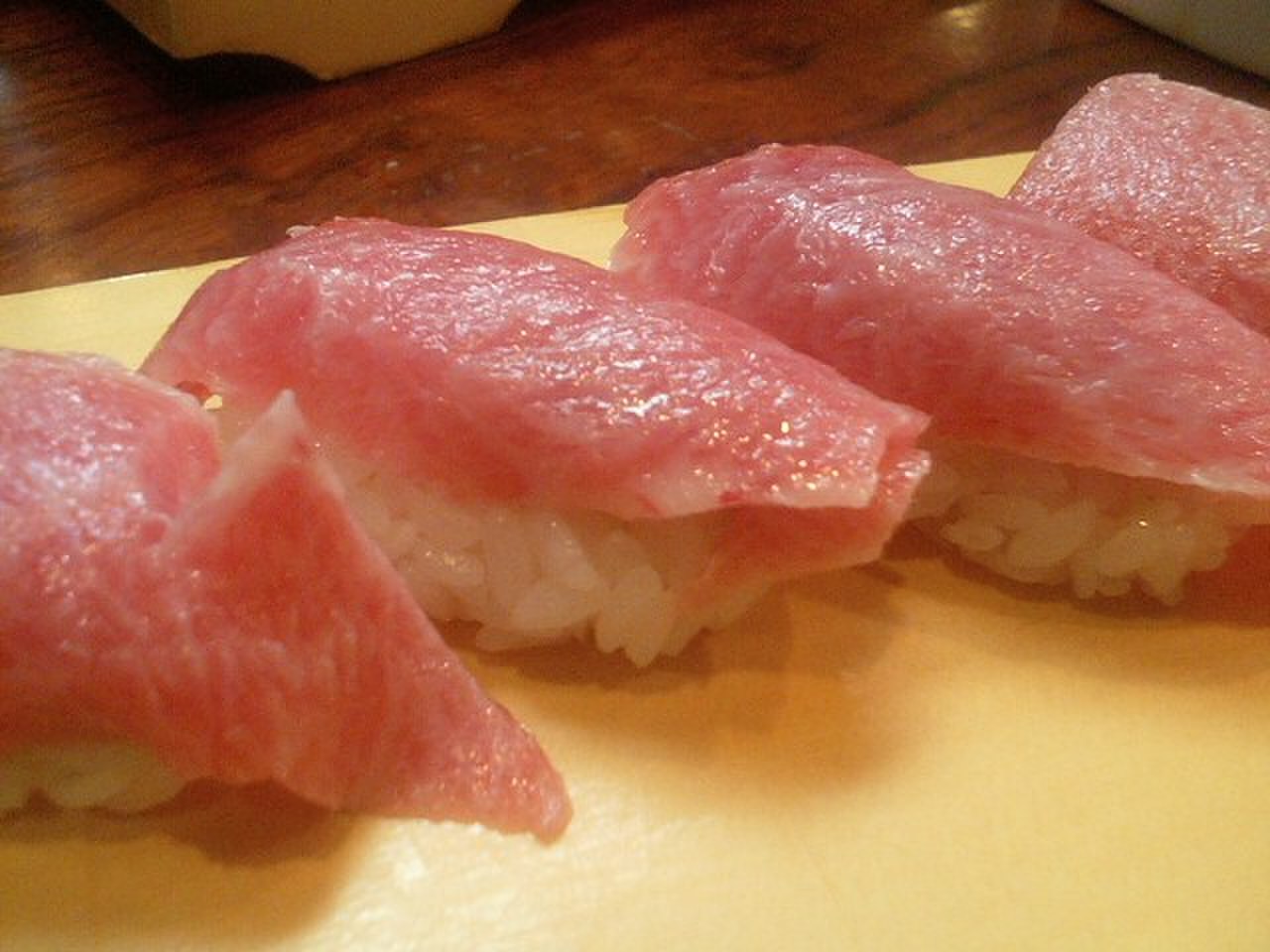
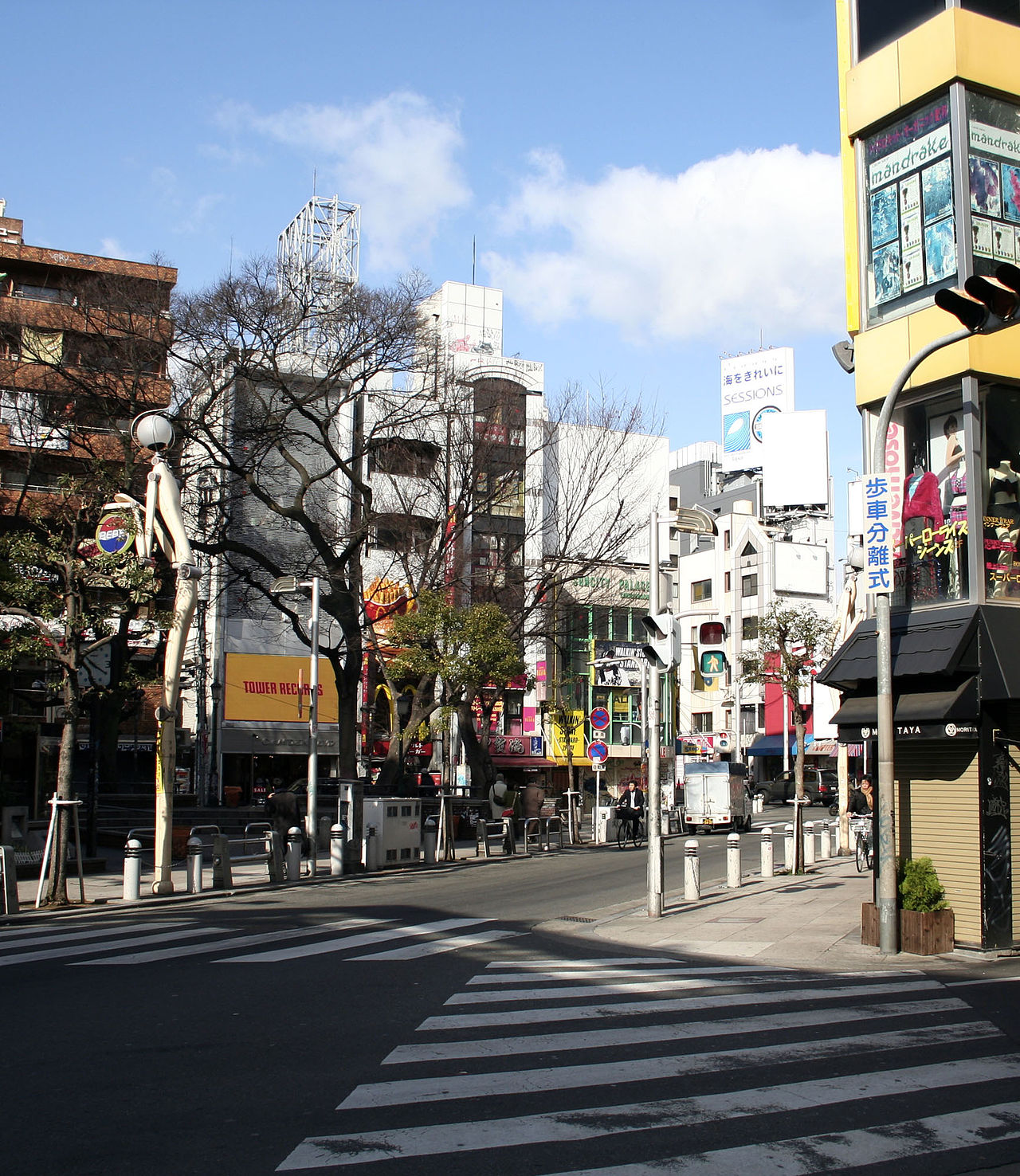
Dotonbori's neon-lit canal-side street is the epicentre of Osaka's eating culture and nightlife. Walk the 500-m Dotonbori-suji eating street sampling Osaka's defining street foods: takoyaki (octopus balls), kushikatsu (deep-fried skewers), okonomiyaki, and fresh negitoro sushi — the giant mechanical crab and Glico Running Man sign providing the iconic backdrop.
Osaka's version of the 'as-you-like-it' savoury pancake — a thick batter of cabbage, pork belly, and seafood cooked tableside on an iron griddle, topped with sweet sauce and a blizzard of bonito flakes.
Kuromon Ichiba — 'Black Gate Market' — is a 580-m covered arcade of 170 specialist food shops supplying Osaka's restaurant industry and now welcoming tourists hungry for freshly prepared seafood, grilled skewers, and Osaka's famous street food (kuidaore culture). The blue-fin tuna maguro stalls, live sea urchin, and takoyaki stands draw the longest queues.
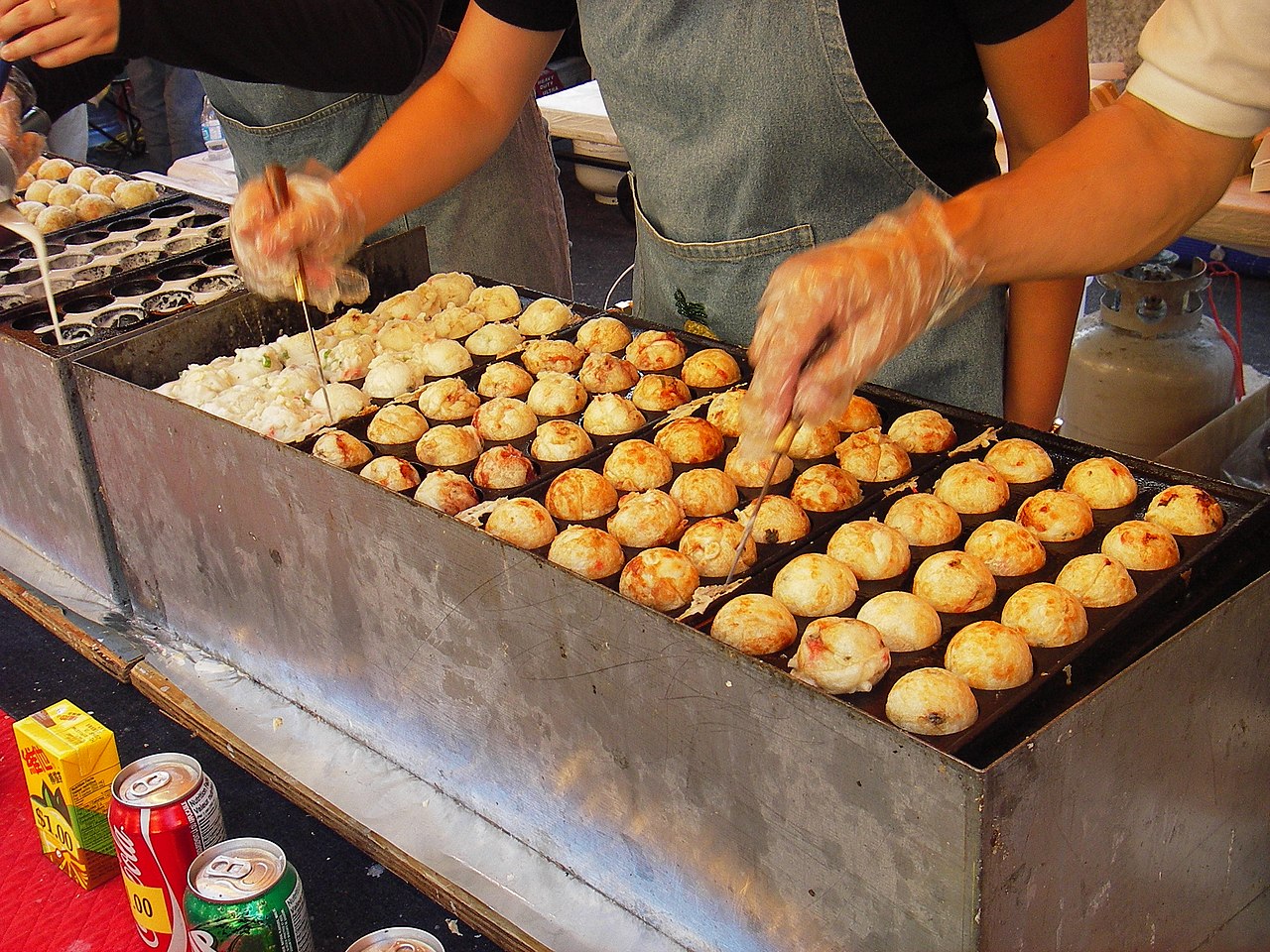
Crispy-outside, molten-inside octopus dumplings topped with bonito flakes, mayo, and sweet sauce — Osaka's definitive street food. Try at Wanaka in Namba or Aizuya (Osaka's oldest, est. 1933).
Bite-sized morsels of meat, vegetable, and seafood, crumbed and deep-fried on skewers — eaten standing at counters in Shinsekai. The cardinal rule: no double-dipping in the communal sauce.
Osaka's 'Kitchen' — a 600 m covered market with 180+ stalls of fresh seafood, wagyu beef, fugu pufferfish, and street food. The vendors' lively shouts and the fresh-grilled stall food are the main attraction.
The vast park surrounding Osaka Castle contains one of Kansai's finest cherry blossom sites (over 4,000 trees), a plum garden, and wide cycling paths along the old moats.
A 33 m waterfall at the end of a forested gorge trail just 30 min from central Osaka — famous for brilliant maple foliage in November and momiji tempura (deep-fried maple leaves) sold by trailside stalls.
Osaka Prefecture's highest peak at 1,125 m — a sacred mountain with a grand summit shrine, snow in winter, and excellent ridge hiking trails through old-growth forest on the Osaka-Nara border.
Osaka Bay's wide waterfront promenade stretches from Sakurajima to Tempozan, offering dramatic sunset views over the Akashi Straits, open sea breezes, and a relaxed escape from the city.
A long island between two rivers in central Osaka, home to the city's finest rose garden, Gothic revival city hall, and leafy promenades that feel surprisingly removed from the urban bustle.
One of Asia's top theme parks featuring The Wizarding World of Harry Potter, Nintendo World, and seasonal Halloween and Christmas events. Book Express Passes and tickets well in advance.
Learn to make takoyaki, okonomiyaki, and dashi stock in a local home kitchen, or join a guided evening food tour through Dotonbori and Kuromon — the best way to understand Osaka's food obsession.
Dotonbori's neon-lit canal-side street is the epicentre of Osaka's eating culture and nightlife. Walk the 500-m Dotonbori-suji eating street sampling Osaka's defining street foods: takoyaki (octopus balls), kushikatsu (deep-fried skewers), okonomiyaki, and fresh negitoro sushi — the giant mechanical crab and Glico Running Man sign providing the iconic backdrop.
One of the world's largest aquariums featuring a 9 m deep Pacific Ocean tank home to whale sharks and manta rays — a landmark building on Osaka Bay well worth a half-day visit.
The Shinsaibashi-suji covered arcade (600 m) and Namba Parks form Japan's busiest shopping district — luxury brands, fast fashion, electronics, and Osaka's best department store food halls.
Shinsekai's Tsutenkaku Tower district preserves a Showa-era atmosphere of pachinkos, fortune-tellers, senbero (cheap drinking) bars, and wall-to-wall kushikatsu (deep-fried skewer) restaurants. The golden rule — 'double-dipping in sauce is forbidden' — governs the shared sauce bowls where 60+ varieties of battered and fried skewers are dunked. An essential, boisterous Osaka experience.
Osaka's Tenjin Matsuri (July 24–25) is one of Japan's three great festivals. The second day sees a river procession of 100 decorated boats, mikoshi carried by thousands of white-robed participants, ancient court music (gagaku) on the water, and a spectacular 4,000-shell fireworks display over the Okawa River — all observed by over 1.3 million spectators along the banks.
One of Japan's three great festivals — on July 24–25, a procession of 3,000 people in Heian costume converges on the Okawa River for a spectacular boat parade and fireworks display.
Osaka Castle Park, Kemasakuranomiya Park, and Namba Parks all stage spectacular sakura seasons in late March to early April — the city's moat-side blossom parties are legendary.
Dotonbori transforms into one of Asia's wildest Halloween celebrations on the October 31 weekend — hundreds of thousands of costumed revellers fill the canal-side streets in an extraordinary spectacle.
Japan's largest Ebisu Festival (god of commerce) at Imamiya Ebisu Shrine on January 9–11 — one million visitors buy bamboo lucky charms from kimono-clad shrine maidens to bring business prosperity.
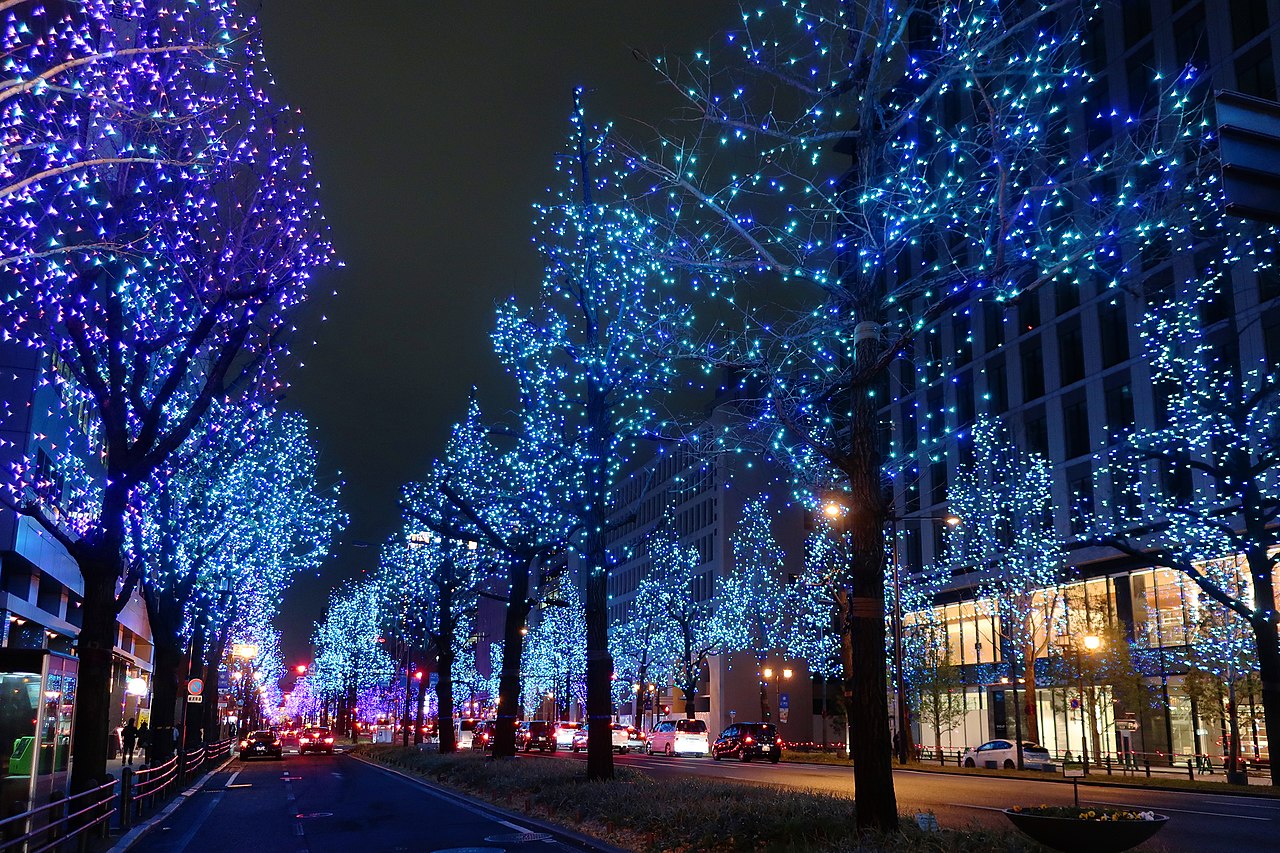
The castle grounds are transformed with hundreds of colourful light installations each winter — the stone walls and tower reflected in the illuminated moat make for magical night photography.
Takoyaki — molten-centred octopus balls flipped in hemispherical iron moulds with a single skewer flick — is Osaka's signature street food and its own performance art. Cooking classes in Namba and Dotonbori teach the pour, fill, flip, and sauce technique, with participants competing to produce the most perfectly round balls. The class ends with eating everything made, topped with bonito flakes that dance in the steam.
English-speaking kendo dojos in Osaka offer taster sessions for beginners covering the basics of Japanese swordsmanship: correct posture, footwork, the five basic cuts, and partner practice in full armour (bogu). The physical and meditative combination of kendo — the explosive kiai shout, the crack of bamboo shinai on armour — is immediately engaging and unlike any other martial arts introduction.
Tout ce que vous devez savoir avant et pendant votre visite.
Comparez les prix de centaines d'hôtels — des capsules économiques aux ryokan de luxe.
Chercher sur Booking.com →Réservez des visites guidées, excursions, cours de cuisine et expériences culturelles.
Voir les circuits sur Viator →Évitez les files d'attente — réservez à l'avance entrées, excursions et expériences locales.
Découvrir sur GetYourGuide →Découvrez billets, pass transport et expériences locales à Osaka avec Klook.
Réserver sur Klook →Achetez votre Japan Rail Pass en ligne avant d'arriver — le moyen le plus simple de voyager en Shinkansen à travers le Japon.
Acheter le JR Pass →