

Gorges de la rivière Nagatoro
Spectaculaires gorges de roche rouge creusées par la rivière Arakawa, réputées pour les balades en barques à perche traditionnelles à travers les rapides et le flamboyant feuillage d'automne.
📖 Lire le guide →Kanto · Guide de la Préfecture
Rues du Petit Edo, gorges de montagne, whisky de renommée mondiale et jardins de bonsaïs — à moins d'une heure de Tokyo
Saitama se trouve juste à côté de Tokyo, pourtant la plupart des voyageurs internationaux filent droit à travers en Shinkansen sans réaliser ce qu'ils ratent. C'est une erreur. Les rues de l'époque Edo aux murs en argile de Kawagoe ressemblent à une capsule temporelle des années 1800, et elles ne se trouvent qu'à 30 minutes d'Ikebukuro. Les montagnes de Chichibu offrent une randonnée sauvage authentique, une vallée célébrée pour son whisky artisanal, et au printemps, le flanc de colline d'Hitsujiyama se transforme en un tapis de phlox mousseux rose et blanc qui compte parmi les spectacles naturels les plus photographiés du Japon. Saitama est l'excursion à la journée incontournable depuis Tokyo pour les initiés — une histoire réelle, des paysages authentiques, et une fraction des foules.
Saitama est la préfecture la plus accessible pour les excursions à la journée depuis Tokyo. Kawagoe est à 30 minutes d'Ikebukuro sur la ligne Tobu Tojo, Omiya est à 25 minutes de la gare de Tokyo, et Chichibu prend environ 80 minutes depuis Ikebukuro sur la ligne Seibu Chichibu. La plupart des destinations ne nécessitent aucune voiture.
Des guides complets pour planifier chaque aspect de votre séjour — des incontournables aux meilleurs restaurants et événements saisonniers.
Spectaculaires gorges de roche rouge creusées par la rivière Arakawa, réputées pour les balades en barques à perche traditionnelles à travers les rapides et le flamboyant feuillage d'automne.
📖 Lire le guide →
Ville marchande historique aux entrepôts à murs d'argile de l'époque Edo, avec un célèbre beffroi et une ruelle de friandises à la patate douce — l'une des villes-châteaux les mieux préservées du Japon.
📖 Lire le guide →
Un sanctuaire vibrant et bimillénaire au cœur de la région de Chichibu, entouré de paysages montagneux et de rues commerçantes shotengai traditionnelles.
📖 Lire le guide →
L'un des sanctuaires les plus anciens et importants du Japon, vénéré depuis plus de 2 400 ans au cœur d'Omiya, avec une grande allée bordée de zelkovas.
📖 Lire le guide →
Le centre mondial de la culture du bonsaï — six grandes pépinières de bonsaïs et le musée d'art du bonsaï d'Omiya, abritant des arbres plusieurs fois centenaires.
📖 Lire le guide →
La distillerie de Chichibu est le producteur de whisky artisanal le plus célèbre du Japon. Associez une dégustation au saké local de Chichibu (jizake) pour une expérience complète des spiritueux de montagne.
📖 Lire le guide →
Kawagoe est la capitale japonaise de la patate douce depuis l'époque Edo. Goûtez l'imo-yokan (gelée de patate douce), l'imo-manju et les chips croustillantes le long de la ruelle gourmande de Kashiya Yokocho.
📖 Lire le guide →
D'épaisses nouilles fermes coupées à la main, servies dans un riche bouillon de porc et légumes — le plat réconfortant emblématique de Saitama, adoré dans les restaurants de style fermier à travers le plateau de Musashino.
📖 Lire le guide →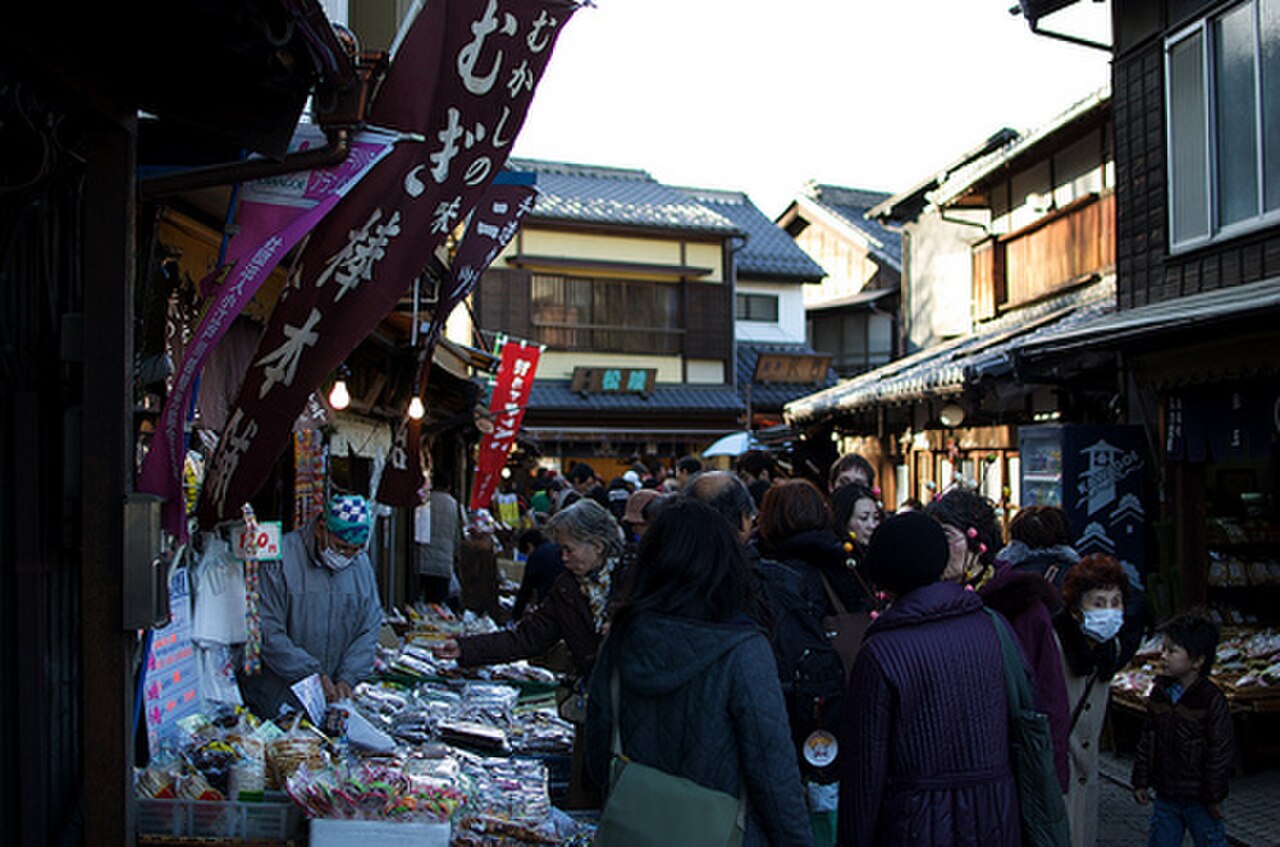
Une ruelle étroite de la vieille ville de Kawagoe, de l'époque Edo, bordée de minuscules confiseries vendant des friandises traditionnelles — dagashi — selon des recettes inchangées depuis l'ère Meiji. Goûtez bonbons à la patate douce, kokuto (sucre noir) et douceurs au ramune en explorant le quartier voisin des entrepôts Kurazukuri, dont les bâtiments marchands aux murs épais datent du XVIIe siècle.
📖 Lire le guide →
Les rivières qui traversent Saitama fournissent depuis longtemps la plus fine anguille d'eau douce pour la tradition japonaise de l'unaju. Plusieurs restaurants d'anguille centenaires subsistent dans les vieux quartiers.
📖 Lire le guide →
Le shotengai de la vieille ville d'Urawa est parsemé de kissaten (cafés) rétro de l'ère Showa servant un omurice moelleux enveloppé d'œuf — un plat réconfortant nostalgique apprécié des habitants japonais.
📖 Lire le guide →
Spectaculaires gorges de roche rouge creusées par la rivière Arakawa, réputées pour les balades en barques à perche traditionnelles à travers les rapides et le flamboyant feuillage d'automne.
📖 Lire le guide →
Chaque avril-mai, cette colline près de Chichibu se couvre d'un tapis de phlox mousse (shibazakura) rose, blanc et violet — l'un des paysages floraux les plus saisissants du Japon.
📖 Lire le guide →
Un vaste bassin montagneux cerné de sommets de plus de 1 000 m, offrant de pittoresques marches de crête, des vues panoramiques et des fleurs de saison — l'escapade nature par excellence de Saitama.
📖 Lire le guide →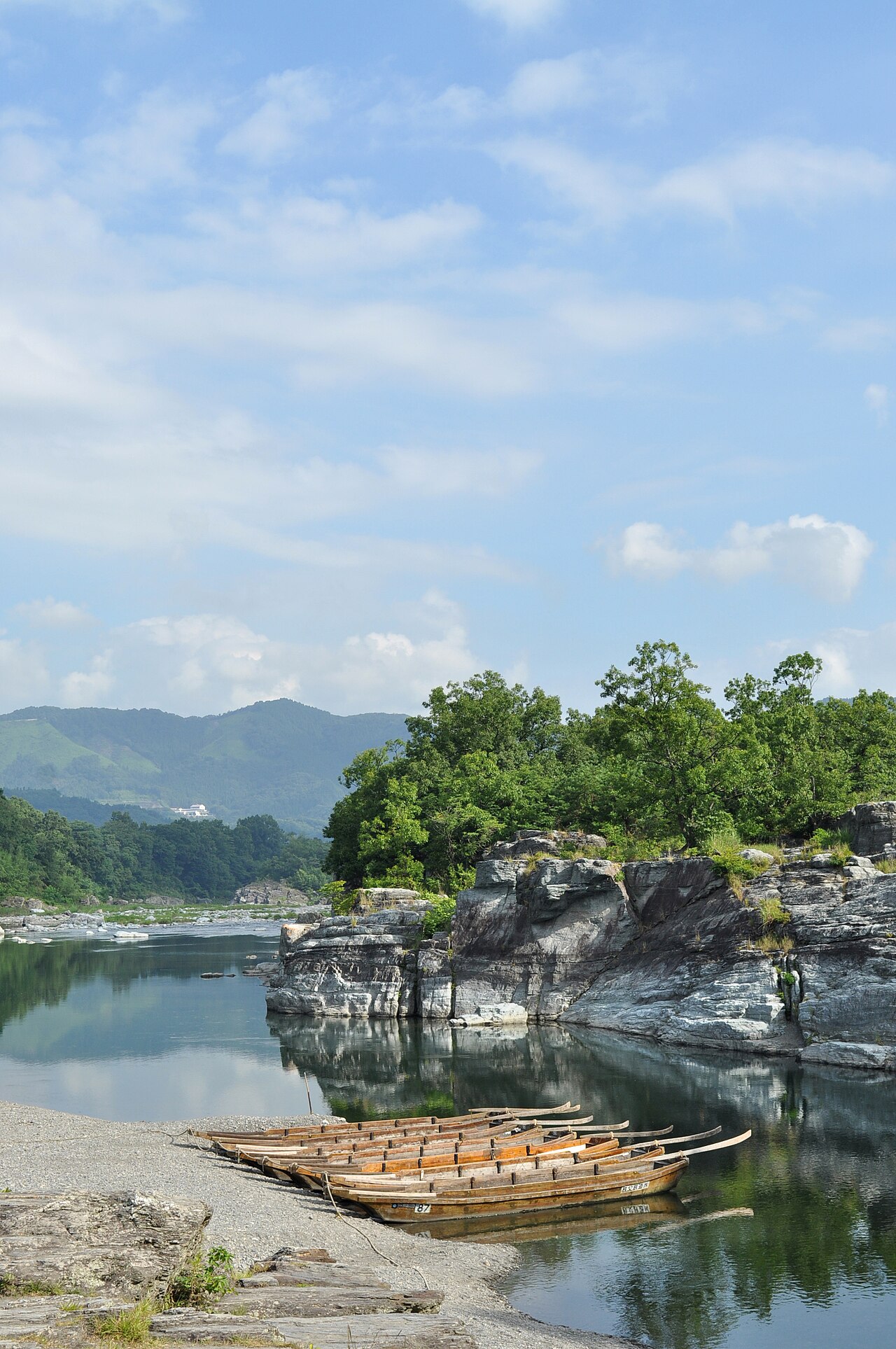
De saisissantes falaises de roche rouge et violette sculptées par l'érosion, s'élevant de la rivière. Éclatantes en automne ; en été, la rivière est cristalline pour patauger et pique-niquer.
📖 Lire le guide →
Plus de 35 000 pruniers fleurissent de fin janvier à mars dans ce vaste bosquet au pied des monts du Kanto — idéal pour une excursion hivernale d'une journée depuis Tokyo.
📖 Lire le guide →
Un vaste parc national boisé dans les collines à l'ouest de la ville de Saitama — location de vélos, promenades en forêt et fleurs sauvages de saison sur 304 hectares.
📖 Lire le guide →
Un trésor caché du centre de Saitama — une paisible gorge fluviale aux eaux émeraude et aux parois moussues, parfaite pour une tranquille demi-journée de marche loin des foules.
📖 Lire le guide →
Spectaculaires gorges de roche rouge creusées par la rivière Arakawa, réputées pour les balades en barques à perche traditionnelles à travers les rapides et le flamboyant feuillage d'automne.
📖 Lire le guide →
Le plus grand musée ferroviaire du Japon, présentant 36 locomotives historiques, des simulateurs interactifs et un vaste réseau de dioramas — incontournable pour les passionnés de train de tout âge.
📖 Lire le guide →
La vallée de Nagatoro propose kayak en eaux vives, escalade sur les parois de la gorge et cyclisme le long de la piste de la rivière Arakawa — le pôle d'aventure en plein air de Saitama.
📖 Lire le guide →
Le complexe culturel phare de Kadokawa, abritant une immense bibliothèque de mangas/animes (EJ Anime Museum), des expositions d'art, des restaurants et un emblématique bâtiment de pierre illuminé.
📖 Lire le guide →
Un vaste parc national boisé dans les collines à l'ouest de la ville de Saitama — location de vélos, promenades en forêt et fleurs sauvages de saison sur 304 hectares.
📖 Lire le guide →
Une ruelle étroite de la vieille ville de Kawagoe, de l'époque Edo, bordée de minuscules confiseries vendant des friandises traditionnelles — dagashi — selon des recettes inchangées depuis l'ère Meiji. Goûtez bonbons à la patate douce, kokuto (sucre noir) et douceurs au ramune en explorant le quartier voisin des entrepôts Kurazukuri, dont les bâtiments marchands aux murs épais datent du XVIIe siècle.
📖 Lire le guide →
L'une des plus grandes arènes polyvalentes du Japon, accueillant concerts et événements sportifs, entourée de l'architecture futuriste du Saitama New Urban Centre et de rues propices à la marche.
📖 Lire le guide →
Inscrit au patrimoine culturel immatériel de l'UNESCO, le festival nocturne de Chichibu, les 2 et 3 décembre, met en scène quatre énormes chars de bois (yatai) tractés par des centaines d'hommes à travers des rues éclairées de lanternes jusqu'au sanctuaire de Chichibu. Les chars — certains pesant 20 tonnes — sont éclairés de l'intérieur, et un spectaculaire feu d'artifice de 6 000 fusées s'élève au-dessus des montagnes hivernales à minuit.
📖 Lire le guide →
L'un des trois grands festivals de chars du Japon — d'énormes chars illuminés de lanternes tractés dans les rues hivernales de Chichibu au son des tambours taiko, les 2 et 3 décembre.
📖 Lire le guide →
Chaque avril-mai, cette colline près de Chichibu se couvre d'un tapis de phlox mousse (shibazakura) rose, blanc et violet — l'un des paysages floraux les plus saisissants du Japon.
📖 Lire le guide →
Chaque octobre, d'ornés chars de festival de l'époque Edo défilent dans les rues du Petit Edo tandis que des troupes musicales rivalisent en jouant de la musique hayashi — un festival classé au patrimoine immatériel de l'UNESCO.
📖 Lire le guide →
Une célébration d'un mois de la célèbre floraison de phlox mousse au parc Hitsujiyama, avec des stands de nourriture, des spectacles folkloriques et un accès facile en train depuis Chichibu.
📖 Lire le guide →
Un festival d'un mois dans le bosquet de pruniers d'Ogose, mêlant spectacles traditionnels, démonstrations de cérémonie du thé et concours de photographie sur fond de 35 000 arbres en fleurs.
📖 Lire le guide →
L'un des sanctuaires les plus importants du Japon, le sanctuaire Hikawa d'Omiya tient son Grand Festival (Reitaisai) chaque 1er-3 août. La pièce maîtresse est une ancienne procession de mikoshi mobilisant 100 sanctuaires portatifs portés à travers la ville — accompagnée de musique traditionnelle, de spectacles de danse et d'offrandes cérémonielles dans le complexe vieux de 2 400 ans.
📖 Lire le guide →
Un ancien festival du feu au sanctuaire Hikawa de la ville de Saitama marquant la période du Nouvel An — l'une des célébrations de sanctuaire les plus traditionnelles de la région du Kanto.
📖 Lire le guide →
Plus de 35 000 pruniers fleurissent de fin janvier à mars dans ce vaste bosquet au pied des monts du Kanto — idéal pour une excursion hivernale d'une journée depuis Tokyo.
📖 Lire le guide →
Le quartier d'entrepôts kurazukuri de Kawagoe, préservé depuis l'époque Edo, est le décor idéal pour le kimono. Les boutiques de location près de la rue commerçante principale habillent les visiteurs de kimonos de saison avec obi et accessoires, coiffent les cheveux de kanzashi traditionnels et les envoient parcourir la vieille ville une journée entière. L'alliance de l'architecture de l'ère Meiji, des douves peuplées de carpes et des promeneurs en kimono est véritablement photogénique.
📖 Lire le guide →Tout ce que vous devez savoir avant et pendant votre visite.
Comparez les prix de centaines d'hôtels — des capsules économiques aux ryokan de luxe.
Chercher sur Booking.com → ou comparer les prix sur Agoda →Réservez des visites guidées, excursions, cours de cuisine et expériences culturelles.
Voir les circuits sur Viator →Évitez les files d'attente — réservez à l'avance entrées, excursions et expériences locales.
Découvrir sur GetYourGuide →Découvrez billets, pass transport et expériences locales à Saitama avec Klook.
Réserver sur Klook →Achetez votre Japan Rail Pass en ligne avant d'arriver — le moyen le plus simple de voyager en Shinkansen à travers le Japon.
Acheter le JR Pass →