Chubu · Guide de la Préfecture

Guide de Voyage à Toyama

Le mur de neige à traverser à pied — des couloirs alpins de 20 mètres, la baie la plus riche en fruits de mer du Japon, des calmars lucioles brillant de bleu dans la nuit, et un petit train dans les gorges les plus profondes du Japon

🏔️ Route Alpine Tateyama — Couloir de neige de 20 m en avril🦐 Shiro-ebi — Crevettes blanches uniques à la baie de Toyama✨ Hotaru-ika — Calmars lucioles lumineux au printemps🏘️ Gokayama — Village au toit de chaume classé à l'UNESCO🚂 Chemin de fer des gorges de Kurobe — Le plus beau petit train du Japon

🗾 À propos de Toyama

Toyama est prise en étau entre deux extrêmes qui n'existent nulle part ailleurs au Japon à si courte distance l'un de l'autre : les Alpes du Nord s'élevant à plus de 3 000 mètres à seulement 20 kilomètres à l'intérieur des terres, et la baie de Toyama plongeant à plus de 1 000 mètres de profondeur au large des côtes — une géographie qui emplit la préfecture à la fois d'un paysage alpin spectaculaire et de la plus grande concentration de fruits de mer du pays. La Route Alpine Tateyama Kurobe est la traversée de montagne la plus dramatique du Japon, parcourant les Alpes du Nord par téléphériques, télécabines et trolleybus, et en avril et mai, le couloir de neige Yuki no Otani présente des murs de neige compressée pouvant atteindre 20 mètres de hauteur entre lesquels les visiteurs se promènent, incrédules. Chaque printemps, de mars à mai, des millions de hotaru-ika remontent à la surface de la baie de Toyama la nuit près de la côte de Namerikawa et brillent d'un bleu électrique tandis que les pêcheurs les recueillent à la mer — l'un des spectacles naturels les plus extraordinaires du Japon. Les eaux froides et riches en nutriments des profondeurs de la baie nourrissent également les shiro-ebi — des crevettes blanches que l'on ne trouve en quantités commerciales nulle part ailleurs sur terre — ainsi que le yellowtail buri, le crabe des neiges, et une diversité de fruits de mer de premier choix qui font de Toyama l'une des destinations de sushi les plus sérieuses du Japon.

🌏
Localisation
Région Chubu, côte de la mer du Japon — bordée par Niigata, Nagano, Gifu et Ishikawa
🗣️
Langue
Japonais ; signalisation en anglais dans les principaux sites touristiques, dont la Route Alpine et le barrage de Kurobe
💴
Monnaie
Yen japonais (JPY) ; les cartes IC fonctionnent dans la ville de Toyama ; espèces indispensables dans les zones rurales et les marchés
🕐
Fuseau horaire
JST (UTC+9) — pas d'heure d'été
🌡️
Meilleure saison
Mi-avr.–juin (couloir de neige de Tateyama) ; mars–mai (saison des hotaru-ika) ; oct.–nov. (feuillage d'automne dans les gorges de Kurobe) ; déc.–mars (neiges profondes à Gokayama, saison du crabe des neiges)
✈️
Aéroports les plus proches
Aéroport de Toyama (TOY) — vols depuis Tokyo Haneda (1h). Shinkansen Hokuriku jusqu'à la gare de Toyama (2h depuis Tokyo)
🚇
Se déplacer
Shinkansen Hokuriku jusqu'à Toyama (2h depuis Tokyo) ; la Route Alpine possède son propre système de téléphérique/bus/trolleybus ; voiture de location pour Gokayama et les gorges de Kurobe
Prise électrique
Type A, 100V / 50Hz

✈️ Comment s'y rendre

Le Shinkansen Hokuriku Kagayaki atteint Toyama en 2 heures depuis Tokyo — l'un des trajets en train à grande vitesse offrant le meilleur rapport qualité-prix pour les seuls paysages. La Route Alpine Tateyama Kurobe s'étend d'est en ouest et peut être parcourue dans un seul sens depuis Toyama jusqu'à Nagano, permettant d'entrer par Toyama et de rejoindre directement Matsumoto sans rebrousser chemin.

🚄 Depuis Tokyo (Shinkansen)
  • Shinkansen Hokuriku Kagayaki (Tokyo → Toyama) — environ 2h08. Option la plus rapide et la plus pratique. Entièrement couvert par le JR Pass.
🚄 Depuis Osaka / Kyoto
  • Limited Express Thunderbird (Osaka → Kanazawa) — environ 2h30, puis Shinkansen jusqu'à Toyama (18 min). Alternativement, Shinkansen direct depuis Shin-Osaka en environ 2h30.
✈️ En avion
  • Aéroport de Toyama (TOY) — vols directs depuis Tokyo Haneda (1h) avec ANA et JAL. Bus aéroport jusqu'à la gare de Toyama : 15 min.
🚃 Porte d'entrée de la Route Alpine
  • Gare de Tateyama (entrée côté Toyama) — Toyama Chihō Railway depuis la gare de Toyama jusqu'à la gare de Tateyama : environ 50 min. L'entrée côté Nagano est la gare de Shinano-Omachi (ligne Oito depuis Matsumoto).
  • La Route Alpine est idéale pour un trajet en sens unique — entrez par Toyama et sortez à Shinano-Omachi (Nagano) sans rebrousser chemin.
🚗 Se déplacer dans Toyama
  • Gokayama — Voiture de location ou le bus Kanto-Etchu depuis Takaoka (World Heritage Bus, environ 4 départs/jour — vérifiez les horaires). La voiture de location depuis la gare de Toyama offre le plus de flexibilité.
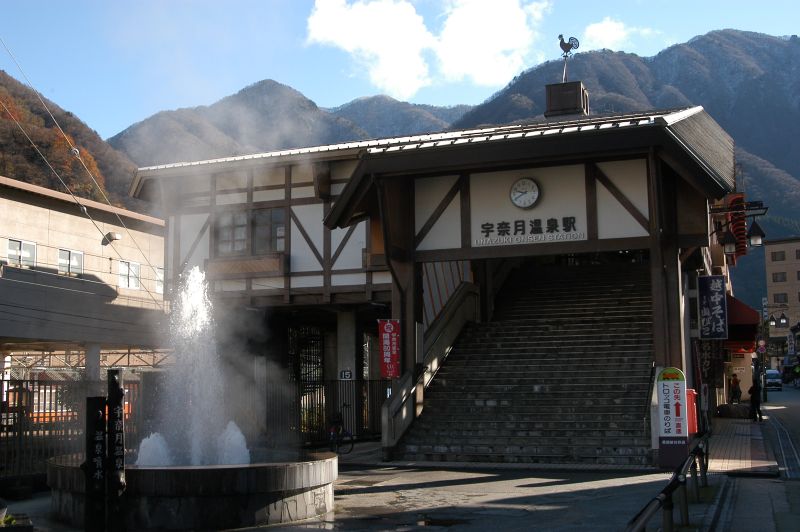
  • Chemin de fer des gorges de Kurobe — Toyama Chihō Railway depuis Toyama jusqu'à la gare d'Unazuki-Onsen (environ 80 min).
  • Ville de Toyama — Compacte et agréable à pied ; le tramway léger de Toyama et le tramway de ville desservent le Glass Art Museum, le parc du château et le quartier de la gare.
💡 Conseil voyageLa Route Alpine Tateyama Kurobe est idéale pour un trajet en sens unique — prenez-la depuis le côté Toyama jusqu'à Shinano-Omachi (Nagano) et continuez vers Matsumoto ou Tokyo sans rebrousser chemin. Toyama constitue ainsi une étape idéale sur un circuit Tokyo–Alpes–Kyoto.

📖 Guides de Voyage Recommandés

Des guides complets pour planifier chaque aspect de votre séjour — des incontournables aux meilleurs restaurants et événements saisonniers.

⛩️

Sites touristiques

8 lieux
Tateyama Kurobe Alpine Route
📍 Tateyama, Toyama

Tateyama Kurobe Alpine Route

One of Japan's great mountain crossings, the Tateyama Kurobe Alpine Route threads through the Northern Alps via cable cars, trolley buses, and ropeways. From mid-April to late June, the famous Yuki no Otani snow corridor rises up to 20 metres on either side of the walking path. The full crossing from Toyama to Nagano is a single unforgettable day.

alps snow corridor mountain crossing cable car
Shirakawa-go (via Toyama Gateway)
📍 Shirakawa-go, Gifu (via Toyama)

Shirakawa-go (via Toyama Gateway)

While Shirakawa-go sits technically in Gifu Prefecture, Toyama is its most convenient gateway via the Tateyama Kurobe Alpine Route or direct buses from Toyama City and Takaoka. The UNESCO village is the most famous collection of gassho-zukuri farmhouses in Japan, best visited in the early morning before tour buses arrive or in winter when the rooftops are buried under snow. Pairing Shirakawa-go with Gokayama on the Toyama side makes for a full day in Japan's most extraordinary rural landscape.

UNESCO gassho-zukuri thatched village day trip
Zuiryuji Temple
📍 Takaoka, Toyama

Zuiryuji Temple

Built in 1663 for the Kaga domain lord Maeda Toshitsune, Zuiryuji is widely regarded as one of the finest Zen temple complexes in Japan, its perfectly proportioned main gate, Buddha hall, and garden aligned on a single sacred axis. The complex is a designated national treasure, its austere Soto Zen structures framed by ancient cedars and a raked gravel garden that stills the mind. Takaoka's quieter pace makes a visit here feel like genuine pilgrimage.

zen temple national treasure Takaoka architecture
Toyama Glass Art Museum
📍 Toyama City, Toyama

Toyama Glass Art Museum

Designed by Pritzker Prize-winning architects SANAA and opened in 2015, Toyama Glass Art Museum is itself a work of art — six levels of interlocking glass floors inside a glittering facade that refracts the city outside. The permanent collection features major installations by international glass artists including Dale Chihuly, whose immense chandelier cascades through the central atrium. The museum is integrated with the city library, making it one of Japan's most visited civic cultural spaces.

contemporary art SANAA glass art architecture
Kurobe Dam
📍 Kurobe, Toyama

Kurobe Dam

Japan's largest arch dam stands 186 metres tall and holds back the brilliant turquoise waters of Lake Kurobe, ringed by the jagged peaks of the Northern Alps. The dam's discharge fountains put on a dramatic show from late June through October, and the surrounding ridgelines explode in crimson and gold foliage every autumn. Getting here is half the adventure, reached via the Alpine Route's trolley bus tunnel bored straight through the mountain.

dam alps autumn foliage engineering
Gokayama UNESCO Gassho Village
📍 Gokayama, Toyama

Gokayama UNESCO Gassho Village

Tucked deep in the Shogawa River valley on Toyama's Gifu border, Gokayama preserves clusters of gassho-zukuri farmhouses whose steep thatched roofs were engineered to shed the heaviest snowfall in Japan. Far quieter than the more famous Shirakawa-go next door, Gokayama lets you wander its lanes with almost no crowds and stay overnight in working farmhouses. In winter, the snow-capped rooftops glow orange in the lantern light of the Doburoku Festival.

UNESCO gassho-zukuri thatched roof historic village
🍜

Gastronomie

9 lieux
Hotaruika (Firefly Squid) Night Fishing
📍 Namerikawa, Toyama

Hotaruika (Firefly Squid) Night Fishing

From March to May, millions of bioluminescent firefly squid (hotaruika) come to shore in Toyama Bay to spawn, creating a ghostly blue glow visible in dark waters offshore. Viewing boats depart at 3 a.m. from Namerikawa fishing port, and observers watch the glowing blue creatures emerge in waves — one of Japan's most extraordinary natural phenomena.

Firefly Squid Bioluminescence Spring Unique Experience
Toyama Bay Sushi
📍 Toyama City, Toyama

Toyama Bay Sushi

Toyama Bay's extraordinary depth and cold mountain-fed currents produce a concentration of premium seafood found nowhere else in Japan. White shrimp, firefly squid, yellowtail buri, and horsehair crab are all caught here at their seasonal peaks, making Toyama one of the most serious sushi destinations in the country. The city's sushi restaurants serve these treasures simply, letting the Bay's extraordinary produce speak for itself.

sushi seafood white shrimp firefly squid
Hotaru-ika (Firefly Squid)
📍 Namerikawa, Toyama

Hotaru-ika (Firefly Squid)

Every spring from March to May, millions of firefly squid migrate into the shallows of Toyama Bay at night and glow an otherworldly blue as fishermen scoop them up in huge nets off the Namerikawa coast. Eaten fresh the same morning, hotaru-ika have a rich, intensely oceanic flavour quite different from the pickled version sold as a condiment nationwide. The Namerikawa coast hosts boat tours so visitors can witness the bioluminescent spectacle from the water.

firefly squid bioluminescence spring Namerikawa
Hotaru-ika Squid Festival
📍 Namerikawa, Toyama

Hotaru-ika Squid Festival

Each April, the port town of Namerikawa celebrates the firefly squid season with an outdoor festival centred on the fishing boats that have worked these waters for generations. Night observation tours depart before dawn so visitors can watch the haul of glowing squid come in over the boat's side, and the morning market sells fresh hotaru-ika for eating on the spot. The Hotaruika Museum runs exhibits on the squid's bioluminescence biology alongside the seasonal events.

firefly squid Namerikawa April festival night fishing
Toyama Bay Seafood Market (Shinminato)
📍 Shinminato, Toyama

Toyama Bay Seafood Market (Shinminato)

The Shinminato Kitokito Market on the Toyama Bay waterfront is the most direct way to taste the Bay's famous diversity — vendors sell fresh white shrimp, yellowtail, snow crab, and seasonal fish pulled from the water the same morning. The market's kitchen stalls let you eat grilled or raw fish on the waterfront with the Northern Alps visible across the water on clear days. Arriving by 9am ensures the best selection before the day's catch sells out.

fish market Shinminato fresh seafood morning market
Shiro-ebi (White Shrimp)
📍 Toyama City, Toyama

Shiro-ebi (White Shrimp)

Translucent and barely an inch long, the shiro-ebi or white shrimp is found in commercial quantities only in Toyama Bay, hauled from depths of 200–300 metres and brought to market within hours. Their flavour is delicate and sweet, best showcased as kakiage tempura — a golden fritter in which dozens of tiny shrimp cluster together — or draped over a finger of pressed rice as nigiri. Every sushi counter in Toyama lists them as the signature item.

white shrimp Toyama Bay exclusive tempura sushi
🏔️

Nature

11 lieux
Tateyama Kurobe Snow Wall (Yukino Otani)
📍 Tateyama, Toyama

Tateyama Kurobe Snow Wall (Yukino Otani)

Every April to June, the ploughed road through the Tateyama Kurobe Alpine Route creates a canyon through 20-m walls of compacted snow — the Yukino Otani Snow Corridor. Walking this trench of white between towering snow cliffs with blue sky above is one of Japan's most uniquely spectacular spring experiences, entirely inaccessible without the dedicated bus and trolleybus route.

Snow Wall Alpine Route Spring Spectacular
Firefly Squid Season — Namerikawa Coast
📍 Namerikawa, Toyama

Firefly Squid Season — Namerikawa Coast

The Namerikawa coastline becomes one of Japan's most magical natural spectacles from March to May, when firefly squid rise to the surface at night in their millions and turn the sea electric blue. Fishing boats use traditional net-scooping methods unchanged for generations, and the Hotaruika Museum in Namerikawa runs boat tours that put you in the middle of the action before dawn. On a calm spring night the glow can be seen from the shore even without boarding a boat.

bioluminescence Namerikawa night tour spring
Tateyama Snow Corridor (Yuki no Otani)
📍 Murodo Plateau, Tateyama

Tateyama Snow Corridor (Yuki no Otani)

Every April the snowploughs carve an open-air corridor through up to 20 metres of compacted snow on the Murodo plateau, creating walls that dwarf every visitor who walks between them. The corridor is open from mid-April through late June, with the walls at their most dramatic in the first weeks after opening. It is one of Japan's most surreal and photogenic seasonal spectacles.

snow walls yuki no otani spring tateyama
Hotaruika (Firefly Squid) Night Fishing
📍 Namerikawa, Toyama

Hotaruika (Firefly Squid) Night Fishing

From March to May, millions of bioluminescent firefly squid (hotaruika) come to shore in Toyama Bay to spawn, creating a ghostly blue glow visible in dark waters offshore. Viewing boats depart at 3 a.m. from Namerikawa fishing port, and observers watch the glowing blue creatures emerge in waves — one of Japan's most extraordinary natural phenomena.

Firefly Squid Bioluminescence Spring Unique Experience
Kurobe Gorge Railway
📍 Kurobe, Toyama

Kurobe Gorge Railway

Japan's most dramatic narrow-gauge railway squeezes through the sheer walls of Kurobe Gorge in open-air carriages, hugging cliffsides and crossing delicate bridges above turquoise water. The 20-kilometre route from Unazuki to Keyakidaira takes about 80 minutes each way through tunnel after tunnel and soaring viaduct after viaduct. October transforms the gorge walls into a cathedral of crimson maples and gold larches, making autumn the single most spectacular time to ride.

gorge railway autumn foliage miniature train open-air
Hotaru-ika (Firefly Squid)
📍 Namerikawa, Toyama

Hotaru-ika (Firefly Squid)

Every spring from March to May, millions of firefly squid migrate into the shallows of Toyama Bay at night and glow an otherworldly blue as fishermen scoop them up in huge nets off the Namerikawa coast. Eaten fresh the same morning, hotaru-ika have a rich, intensely oceanic flavour quite different from the pickled version sold as a condiment nationwide. The Namerikawa coast hosts boat tours so visitors can witness the bioluminescent spectacle from the water.

firefly squid bioluminescence spring Namerikawa
🎿

Loisirs

5 lieux
Kurobe Gorge Railway
📍 Kurobe, Toyama

Kurobe Gorge Railway

Japan's most dramatic narrow-gauge railway squeezes through the sheer walls of Kurobe Gorge in open-air carriages, hugging cliffsides and crossing delicate bridges above turquoise water. The 20-kilometre route from Unazuki to Keyakidaira takes about 80 minutes each way through tunnel after tunnel and soaring viaduct after viaduct. October transforms the gorge walls into a cathedral of crimson maples and gold larches, making autumn the single most spectacular time to ride.

gorge railway autumn foliage miniature train open-air
Toyama Glass Art Museum
📍 Toyama City, Toyama

Toyama Glass Art Museum

Designed by Pritzker Prize-winning architects SANAA and opened in 2015, Toyama Glass Art Museum is itself a work of art — six levels of interlocking glass floors inside a glittering facade that refracts the city outside. The permanent collection features major installations by international glass artists including Dale Chihuly, whose immense chandelier cascades through the central atrium. The museum is integrated with the city library, making it one of Japan's most visited civic cultural spaces.

contemporary art SANAA glass art architecture
Toyama Bay Seafood Market (Shinminato)
📍 Shinminato, Toyama

Toyama Bay Seafood Market (Shinminato)

The Shinminato Kitokito Market on the Toyama Bay waterfront is the most direct way to taste the Bay's famous diversity — vendors sell fresh white shrimp, yellowtail, snow crab, and seasonal fish pulled from the water the same morning. The market's kitchen stalls let you eat grilled or raw fish on the waterfront with the Northern Alps visible across the water on clear days. Arriving by 9am ensures the best selection before the day's catch sells out.

fish market Shinminato fresh seafood morning market
Tateyama Alpine Resort Skiing
📍 Tateyama, Toyama

Tateyama Alpine Resort Skiing

With skiing available above 2,000 metres until late April and sometimes into May, Tateyama offers some of the latest-season alpine runs accessible in Japan. The combination of deep mountain snowpack and relatively easy access via the Alpine Route makes it a favourite for skiers and snowboarders seeking spring powder long after other resorts have closed. The panoramic views of the entire Northern Alps range from the upper slopes add a scenery dimension that lower-altitude resorts cannot match.

skiing above 2000m late season tateyama
Takaoka Copperware Workshop
📍 Takaoka, Toyama

Takaoka Copperware Workshop

Takaoka has produced 90 percent of Japan's bronze Buddhist altar fittings for over 400 years, and a handful of workshops in the old casting district still welcome visitors to see molten metal poured into sand moulds and finished by hand. The craft tradition that cast the Takaoka Great Buddha is alive in the small workshops around Sotokanaya-cho, where artisans make everything from temple bells to tea ceremony kettles. Finished pieces — vases, cups, incense burners — make among the most distinctive souvenirs in Toyama.

copperware traditional craft workshop Takaoka
🎆

Événements

7 lieux
Owara Kaze no Bon Festival
📍 Toyama City, Toyama

Owara Kaze no Bon Festival

Each September 1–3, the village of Yatsuo performs the hauntingly graceful Owara dance through the lantern-lit stone streets in a festival marking the end of summer typhoon season. Dancers in conical straw hats perform slow, flowing movements to mournful shamisen and kokyuu fiddle — considered Japan's most aesthetically beautiful folk dance festival.

Dance Autumn Festival Graceful October
Firefly Squid Season — Namerikawa Coast
📍 Namerikawa, Toyama

Firefly Squid Season — Namerikawa Coast

The Namerikawa coastline becomes one of Japan's most magical natural spectacles from March to May, when firefly squid rise to the surface at night in their millions and turn the sea electric blue. Fishing boats use traditional net-scooping methods unchanged for generations, and the Hotaruika Museum in Namerikawa runs boat tours that put you in the middle of the action before dawn. On a calm spring night the glow can be seen from the shore even without boarding a boat.

bioluminescence Namerikawa night tour spring
Tateyama Snow Corridor Opening (Yuki no Otani)
📍 Murodo Plateau, Tateyama

Tateyama Snow Corridor Opening (Yuki no Otani)

Every year in mid-April, the Tateyama Murodo plateau reopens after winter with walls of snow reaching up to 20 metres on either side of the walking route — an annual spectacle that draws visitors from across Japan and around the world. The corridor opening is staggered over several days as the road is cleared, and the first weeks of the season see the tallest walls before gradual melting sets in. Arriving on opening week guarantees the most dramatic scale and the best photographs.

snow walls seasonal opening mid-April tateyama
Tateyama Snow Corridor (Yuki no Otani)
📍 Murodo Plateau, Tateyama

Tateyama Snow Corridor (Yuki no Otani)

Every April the snowploughs carve an open-air corridor through up to 20 metres of compacted snow on the Murodo plateau, creating walls that dwarf every visitor who walks between them. The corridor is open from mid-April through late June, with the walls at their most dramatic in the first weeks after opening. It is one of Japan's most surreal and photogenic seasonal spectacles.

snow walls yuki no otani spring tateyama
Gokayama Doburoku Festival
📍 Gokayama, Toyama

Gokayama Doburoku Festival

Every October the UNESCO-listed gassho villages of Gokayama celebrate the autumn harvest with the Doburoku Festival, at which a thick unfiltered sake called doburoku — brewed using a rare shrine licence granted nowhere else in Japan — is offered to the gods and shared with visitors. The festival unfolds inside thatched farmhouses and the village shrine to the sound of lion dances and ancient chants, the autumn foliage blazing on the hillside above. Staying overnight in a gassho farmhouse for the festival is one of Toyama's most immersive cultural experiences.

doburoku sake UNESCO village October harvest festival
Hotaru-ika Squid Festival
📍 Namerikawa, Toyama

Hotaru-ika Squid Festival

Each April, the port town of Namerikawa celebrates the firefly squid season with an outdoor festival centred on the fishing boats that have worked these waters for generations. Night observation tours depart before dawn so visitors can watch the haul of glowing squid come in over the boat's side, and the morning market sells fresh hotaru-ika for eating on the spot. The Hotaruika Museum runs exhibits on the squid's bioluminescence biology alongside the seasonal events.

firefly squid Namerikawa April festival night fishing
🎌

Expériences

1 lieux
Toyama Glass Art Workshop
📍 Toyama City, Toyama

Toyama Glass Art Workshop

Toyama City is Japan's glass art capital — home to the Toyama City Institute of Glass Art and over 20 glass studios producing internationally exhibited works. Beginner glass-blowing workshops run at several studios where instructors guide participants in gathering molten glass on a blowpipe, shaping it with jacks and paddles, and creating a small vase or bowl to take home once cooled.

Glass Art Blowing Workshop Contemporary Craft

💡 Conseils pratiques de voyage

Tout ce que vous devez savoir avant et pendant votre visite.

📅
Meilleure période pour visiter Toyama
  • Mi-avril–fin juin — Le couloir de neige (Yuki no Otani) est le plus haut et le plus impressionnant dans les deux premières semaines suivant l'ouverture d'avril — jusqu'à 20 mètres de hauteur. Mars–mai coïncide également avec la saison des hotaru-ika.
  • Octobre–novembre — Les gorges de Kurobe se parent de feuillages d'automne cramoisis et dorés. Le Festival Doburoku de Gokayama coïncide avec le pic des couleurs.
  • Décembre–mars — Les neiges les plus profondes transforment Gokayama, et la saison du crabe des neiges bat son plein. Le village a l'air d'avoir traversé 500 ans d'histoire sous ses lourds toits enneigés.
🏔️
Conseils pour la Route Alpine de Tateyama
  • Réservez à l'avance pour la mi-avril à début mai — les billets combinés de Toyama à Shinano-Omachi se vendent avec des semaines d'avance. Prévoyez une journée complète pour la traversée intégrale.
  • Partez tôt depuis la gare de Tateyama (premier ou deuxième téléphérique après 7h) pour atteindre le couloir de neige avant les foules de midi.
  • Habillez-vous pour les conditions à 2 450 m d'altitude — même en mai, les températures peuvent descendre à zéro avec le vent. Le plateau de Murodo n'est pas le fond de la vallée.
  • Le tunnel du trolleybus creusé à travers une montagne entière est l'une des bizarreries d'ingénierie les plus remarquables du parcours — le couloir lui-même est accessible gratuitement une fois arrivé à Murodo.
🦐
Conseils pour les fruits de mer de la baie de Toyama
  • Rendez-vous dans le quartier dédié au sushi près de la gare de Toyama ou au marché Kitokito à Shinminato pour les prises les plus fraîches du matin. Demandez le menu Toyama Bay Course (富山湾鮨セット) — shiro-ebi, hotaru-ika (de saison) et buri à un prix fixe d'environ ¥3 500–¥5 000.
  • Le masuzushi (sushi de truite pressé) s'achète de préférence auprès des producteurs de la gare de Toyama — la boutique du Masu no Sushi Museum ou les originaux en gare. La fraîcheur est nettement supérieure aux versions vendues en aéroport.
  • Le ramen noir de Toyama — à déguster de préférence au déjeuner à l'original Nishi Tomoya ou au Taiki près de la gare, où le bouillon noir comme du charbon est encore préparé selon la recette d'après-guerre d'origine.
🏘️
Conseils pour Gokayama
  • Gokayama comporte deux principaux regroupements de hameaux : Ainokura (le plus grand, le plus pittoresque — 20 maisons gassho à flanc de colline avec un point de vue panoramique) et Suganuma (plus petit, plus intime, beau musée d'arts populaires).
  • Contrairement à Shirakawa-go, Gokayama accueille bien moins de visiteurs et nombre de maisons gassho sont encore habitées — parlez à voix basse et restez sur les sentiers balisés.
  • Passer la nuit dans un minshuku de ferme gassho est l'hébergement le plus authentique de Toyama — réservez des mois à l'avance pour le week-end du Festival Doburoku d'octobre.

🏨 Trouver des hôtels à Toyama

Comparez les prix de centaines d'hôtels — des capsules économiques aux ryokan de luxe.

Chercher sur Booking.com →

🎌 Circuits & Expériences

Réservez des visites guidées, excursions, cours de cuisine et expériences culturelles.

Voir les circuits sur Viator →

🗺️ Activités & Attractions

Évitez les files d'attente — réservez à l'avance entrées, excursions et expériences locales.

Découvrir sur GetYourGuide →

🎟️ À faire à Toyama

Découvrez billets, pass transport et expériences locales à Toyama avec Klook.

Réserver sur Klook →

🚄 JR Pass & Billets de Train

Achetez votre Japan Rail Pass en ligne avant d'arriver — le moyen le plus simple de voyager en Shinkansen à travers le Japon.

Acheter le JR Pass →
🗺️ Plan