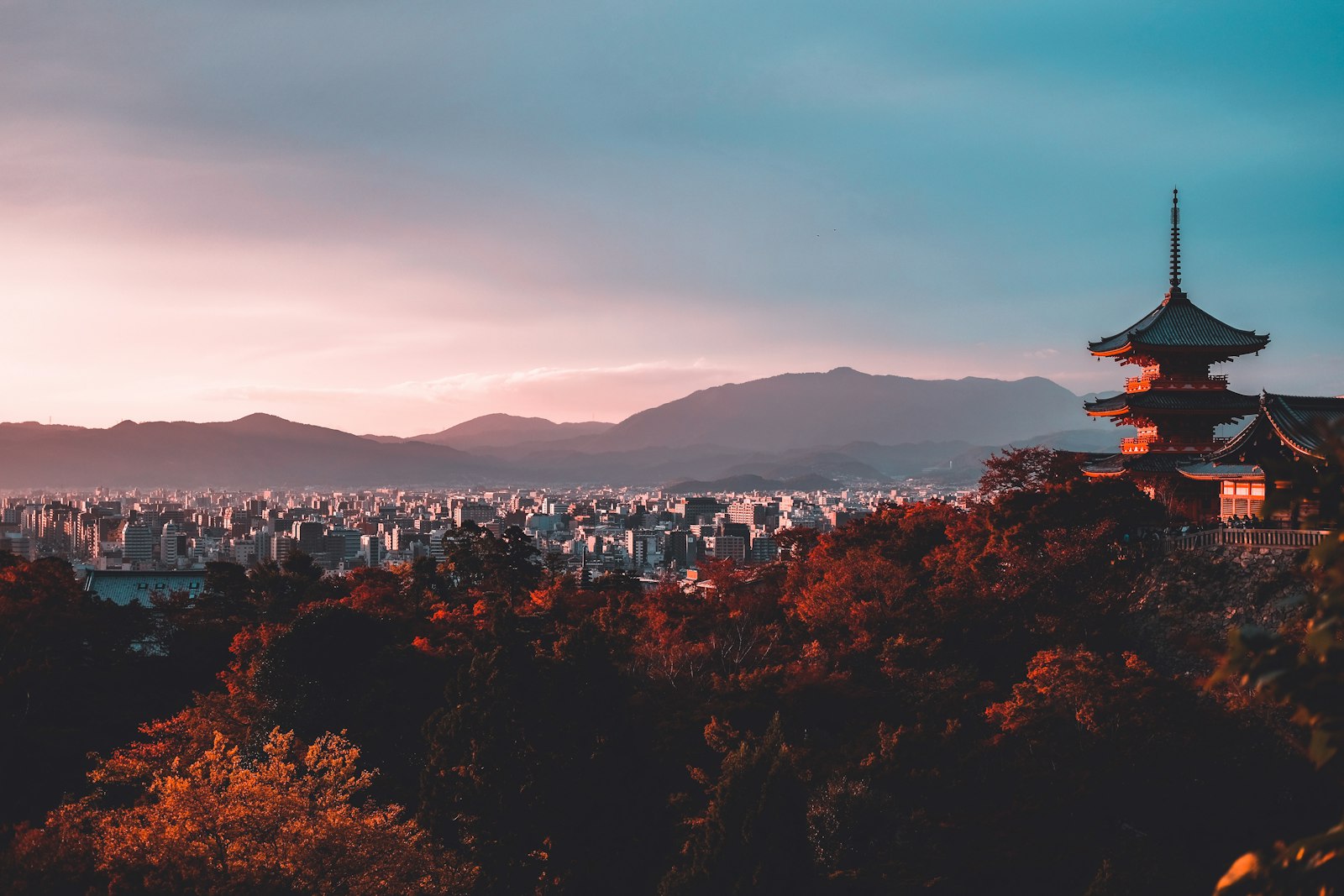
Akita Prefecture is one of Japan’s most rewarding destinations for travellers who want authentic, uncrowded ryokan experiences. Nyuto Onsenkyo — a cluster of seven isolated hot spring inns deep in the Towada-Hachimantai National Park mountains — is often cited by Japanese travellers as the most atmospheric onsen destination in the entire country.
Best Areas to Stay
Nyuto Onsenkyo — Japan’s Most Atmospheric Onsen
Seven separate hot spring inns tucked in a forested mountain valley near Lake Tazawa. No convenience stores, no pachinko parlours — just milky sulfuric spring water, wooden baths, and silence. Best for: onsen pilgrims, nature lovers, those wanting to disconnect completely.
Kakunodate — Samurai Town
A perfectly preserved Edo-period samurai district with black-walled samurai residences, weeping cherry trees, and traditional craft shops. Several small inns in the historic district. Best for: history travellers, cherry blossom season (late April).
Akita City — Hub for the Region
The prefectural capital with the best transport links, a castle park, and the famous Akita Kanto Festival (August). Modern hotels and business inns. Best for: Kanto Festival attendees, base for regional day trips.
Nyuto Onsenkyo — The Seven Inns
Nyuto Onsenkyo is rare in Japan: each inn has its own natural spring, and the waters are not mixed, reheated, or shared between establishments. A single-use pass (Tsurunoyu Pass) grants access to multiple baths.
Tsurunoyu Onsen (鶴の湯) ⭐⭐⭐⭐⭐
The most famous and visually stunning of the seven — a collection of 17th-century thatched-roof honjin (former travellers' inn for lords) deep in the forest. The outdoor milky white sulfuric bath is Japan’s most photographed onsen scene. 35 rooms only. Must book 3–6 months ahead. ¥18,000–¥28,000/pp including meals. No mobile signal. No Wi-Fi.
Kuroyu Onsen
A traditional single-building inn dating to 1884. Outdoor riverside bath using iron-rich, strongly-smelling spring water. Quiet and understated. ¥16,000–¥22,000/pp.
Ganiba Onsen
The most modern facility in Nyuto — multiple bath types including indoor and outdoor. Slightly easier to book than Tsurunoyu. Excellent kaiseki using local mountain vegetables and iwana (char) fish. ¥18,000–¥26,000/pp.
Maigazawa Onsen
Deep in the forest, accessible only by the resort shuttle bus. Rotenburo facing a mountain stream. Simple rooms, minimal facilities. The most private option. ¥15,000–¥22,000/pp.
Kakunodate Accommodation
Tamachi Bukeyashiki Hotel
A boutique hotel built within the historic samurai quarter — modern rooms but deeply immersed in the preserved district atmosphere. Rooms face the black-walled samurai residences. Japanese breakfast available. ¥14,000–¥22,000/night.
Ryokan Inaho
A small family-run ryokan in a converted machiya near the samurai district. 8 rooms. Tatami rooms, shared hinoki bath, and an owner who speaks some English and takes great care of foreign guests. ¥12,000–¥18,000/pp.
Akita City Hotels
Akita View Hotel ⭐⭐⭐⭐
The premium city hotel in Akita — close to Kanto Festival venues and the Senshu Park castle grounds. Upper floor rooms have views over the park’s cherry blossom-lined moat. ¥15,000–¥25,000/night.
Dormy Inn Akita Natural Hot Spring
The reliable Dormy Inn formula — natural hot spring bath on the top floor, late-night ramen service, competitive pricing. A 10-minute walk from Akita Station. ¥8,000–¥14,000/night.
Practical Tips
- Nyuto access: From Tazawako Station (Akita Shinkansen line), take a bus or taxi 40 minutes into the mountains. The resort operates a shared shuttle between the seven inns; verify schedules with your inn.
- Nyuto booking: Tsurunoyu accepts reservations only by phone (in Japanese). Use the Japan Tourism Agency’s travel concierge service or have your hotel in Akita/Tokyo call on your behalf.
- Kakunodate cherry blossoms: Late April to early May is Kakunodate’s most spectacular season — the weeping cherry trees along the samurai district streets are over 150 years old. Book accommodation 6 months ahead.
- Akita Kanto Festival: August 3–6 in Akita City — giant bamboo poles hung with paper lanterns are balanced on the performers' foreheads, hands, and shoulders. This is one of Tohoku’s most impressive summer festivals. Reserve city hotels months in advance.
- Winter access: Nyuto Onsenkyo is accessible year-round but the forest roads may close in heavy snow. The ryokan provide shuttle buses from Tazawako Station throughout winter.