A Romantic Journey Through Aomori: Japan’s Hidden Gem for Couples
Tucked away in Japan’s northern Tohoku region, Aomori Prefecture offers couples an enchanting escape far from the well-trodden tourist paths. With its mystical forests, historic hot springs, and pristine lakes, this prefecture creates an intimate backdrop for honeymoons and romantic getaways where nature, tradition, and artistry intertwine.
1. Tsuta Onsen: A Secret Sanctuary in the Forest
Deep within the beech forests of Towada-Hachimantai National Park lies Tsuta Onsen, one of Japan’s most atmospheric and exclusive hot spring retreats. This tiny inn, with only a handful of rooms, offers couples something impossibly rare in modern Japan: true seclusion and intimacy.
The approach itself sets the romantic tone—winding forest roads give way to a wooden ryokan that seems to emerge from the ancient trees themselves. The hot spring baths, fed by natural mineral waters with a milky-blue hue, are set among moss-covered rocks and towering trees. In autumn, the surrounding forest erupts in crimson and gold; in winter, snow transforms the setting into a hushed wonderland.
What makes Tsuta special is its scale. Unlike sprawling resort complexes, this intimate inn allows you to truly disconnect. Expect traditional tatami rooms, kaiseki dinners served privately in your room, and the kind of attentive service that feels less like hospitality and more like being welcomed into someone’s woodland home.
Booking note: Reservations open exactly six months in advance and fill within hours. Mark your calendar, and be prepared to book the moment reservations open. Request a room with a private outdoor bath (rotenburo) for ultimate romance.
2. Hirosaki Castle: Romance Among the Petals
When spring arrives in late April, Hirosaki Castle transforms into Japan’s most romantic cherry blossom destination. Over 2,600 cherry trees create a pink canopy across the castle grounds, but the true magic happens along the moat.
The famous “hanaikada” (flower raft) phenomenon occurs when fallen petals blanket the moat’s surface in a continuous carpet of pink—a sight that seems almost too beautiful to be real. Walk hand-in-hand along the moat in early morning when mist rises from the petal-covered water, or visit during the evening illumination when lanterns reflect off both water and blossoms.
For couples' photography, the Shidare-zakura (weeping cherry) near the Botanical Garden offers a natural floral curtain, while the castle’s red bridge framed by cherry branches creates a classic composition. The western moat’s reflection shots are spectacular in still morning air.
Accommodation strategy: Book six months ahead for this brief season (typically April 23-May 5). The historic district of Hirosaki offers charming boutique inns within walking distance. Consider Ishiba Ryokan or Hotel Ōnoe for traditional atmosphere with modern comfort.
3. Lake Towada: Golden Hour Magic
Lake Towada, a volcanic caldera lake straddling Aomori and Akita prefectures, reveals its most romantic character during golden hour. The mountains surrounding the lake create dramatic silhouettes as the sun sets, turning the water into molten copper.
Time your boat tour to catch the latter part of the afternoon, returning just as the light turns golden. The cruise takes you past forested cliffs and into peaceful coves, with the deck to yourselves in shoulder seasons. At Yasumiya, disembark to visit the Bronze Maidens (Otome no Zo)—twin statues standing hand-in-hand at the lake’s edge, symbolizing eternal connection. Visit at dusk when most tourists have departed.
For accommodation, Towada Prince Hotel offers lake-view rooms where you can watch the water change colors from your private balcony. Alternatively, the intimate Towadako Lakeside Hotel provides a more traditional ryokan experience. Request private dining featuring Aomori wagyu, lake fish, and mountain vegetables—the changing seasons bring wild mushrooms in autumn, tender spring shoots in May, and mountain herbs throughout summer.
4. Sukayu Onsen: Winter’s Dramatic Embrace
For couples who find romance in dramatic landscapes, Sukayu Onsen in winter offers an unforgettable experience. This historic 300-year-old hot spring inn sits in a region that receives some of Japan’s heaviest snowfall—sometimes over five meters accumulates around the buildings.
The famous Sen-nin-buro (thousand-person bath) is a vast communal bathing area with a distinctive wooden beamed ceiling and steaming acidic waters. While the bath is mixed-gender (with modest coverage required), the dramatic atmosphere—especially when snow is visible through windows—creates a sense of shared adventure rather than awkwardness.
The overnight experience in traditional wood-paneled rooms feels like stepping into old Japan. Request a room in the original building rather than the newer annex. Wake early to experience the bath with only a handful of other guests, steam rising into the cold morning air.
Note: Access roads can be challenging in heavy snow; the journey becomes part of the adventure.
5. Art and Culture: A Contemporary Interlude
Balance rustic onsen experiences with Aomori’s surprisingly sophisticated art scene. The Towada Art Center offers an outdoor sculpture park where contemporary works create playful photo opportunities—perfect for couples who enjoy modern art. Yoko Ono’s “Wish Tree” invites you to tie your shared wishes to its branches.
At Aomori Museum of Art, the highlight is Yoshitomo Nara’s enormous “Aomori Dog”—a gentle white canine peering into the exhibition space. The museum’s stark white architecture contrasts beautifully with colorful works inside.
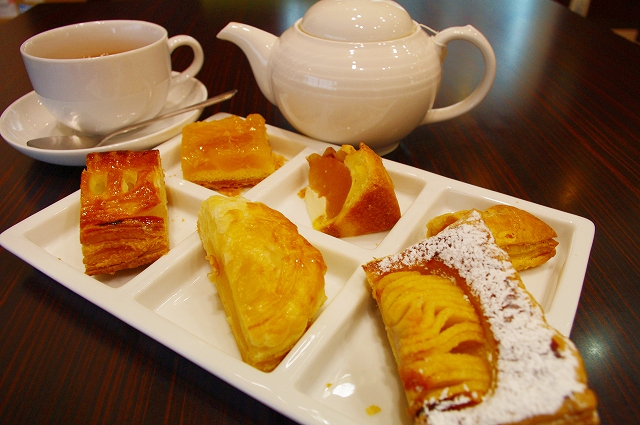
Cap your cultural day in Hirosaki’s café district. The compact downtown offers European-style cafés in renovated machiya townhouses, perfect for quiet conversation over local apple desserts and coffee.
6. Kaiseki: A Love Letter in Food
Aomori’s seasonal kaiseki dining transforms local ingredients into edible poetry. Late autumn through winter brings ōma maguro (bluefin tuna) at its fattiest and most prized. Spring offers sweet Mutsu Bay scallops. Summer brings crisp mountain vegetables. And autumn features matsutake mushrooms and wild game.
Recommended: Kappou Yamazaki in Aomori City for refined kaiseki, or request in-room dining at your ryokan for ultimate intimacy. The presentation—each course arriving on handmade pottery, arranged to suggest the season—becomes a shared meditation on craftsmanship and nature.
7. Planning Your Romantic Escape
Best seasons: Late April-early May (cherry blossoms), September-October (autumn colors, comfortable temperatures), or January-February (snow landscape, fewer tourists).
Lead times: Book premiere accommodations 3-6 months ahead, especially for cherry blossom season and autumn weekends.
Ryokan requests: Ask for rooms with private baths, in-room dining, and lake or garden views. Communicate any dietary restrictions clearly.
Aomori rewards couples who seek beauty in quieter places—where romance blooms not in grand gestures but in shared silence among ancient trees, in steam rising from forest baths, in petals floating on still water.