Leisure Activities Guide for Aomori Prefecture
Aomori Prefecture, at Japan’s northern tip, offers international visitors an extraordinary blend of natural adventures, cultural workshops, and seasonal experiences far from the well-trodden tourist circuits. From volcanic crater lakes to Japan’s heaviest snowfall zones, this guide covers the prefecture’s most rewarding leisure activities.
1. Apple Orchard Picking Tours
Aomori produces an astounding 60% of Japan’s apples, making orchard tours an essential regional experience. The vast Tsugaru Plain, stretching between Hirosaki and Aomori City, transforms into a fragrant pink-and-white sea of blossoms each spring before yielding Japan’s finest apples from August through November.
What to Expect: Most orchards offer tabehodai (all-you-can-eat) picking experiences where you’ll sample varieties rarely exported outside Japan. Beyond the ubiquitous Fuji apple, taste the honey-sweet Orin, crisp Jonagold, and the premium Sekai-Ichi (“world’s number one”), which can grow as large as softballs. Farm staff typically provide baskets, step ladders, and brief instructions in simple Japanese or English signage.
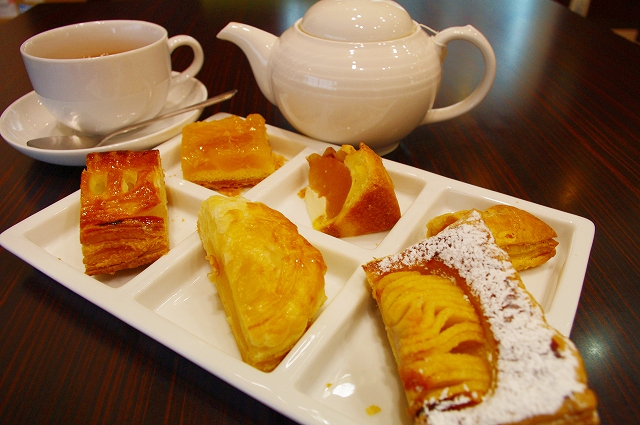
Beyond Picking: Many orchards feature farm stalls selling fresh-pressed apple juice, sparkling apple cider, apple pies, and dried apple chips. Several larger operations around Hirosaki offer cider tastings showcasing Aomori’s emerging craft cider scene—a relatively new phenomenon in Japan that mirrors Western traditions.
Practical Information: Peak season runs September through early November. Individual orchard entry costs ¥500-800 ($3.50-5.50 USD) for 30-60 minutes of picking and eating. Most orchards operate independently; the Hirosaki Tourist Information Center near Hirosaki Station provides English maps and can call ahead for you. Many orchards close mid-November once frost arrives.
2. Lake Towada Canoeing and Kayaking
This stunning volcanic crater lake, straddling the Aomori-Akita border, offers some of Tohoku’s most serene paddling. The lake’s cobalt waters, surrounded by forested caldera walls, remain remarkably calm and crystal-clear.
Tours and Operators: Several outfitters operate from Nenokuchi and Yasumiya on the lake’s southern shore. Towada Guide House offers half-day guided kayak tours (¥7,000-9,000/$48-62 USD) that explore quiet coves and beaches inaccessible by land. Tours include basic instruction, making them suitable for beginners. Canadian canoes accommodate families or less confident paddlers.
Best Seasons: Late May through October offers ideal conditions. Autumn (late September to mid-October) is spectacular when the caldera rim blazes with maple reds and golds. July-August brings warm water but more tourists. Spring paddlers might encounter lingering shore ice creating otherworldly scenery.
Booking: Reserve 2-7 days ahead during peak seasons through operators' websites (some English available) or through your accommodation. Early morning departures offer the glassiest water and best wildlife spotting—watch for Japanese serow on forested slopes and various duck species.
3. Nebuta Float-Making Workshops
Aomori’s explosive Nebuta Matsuri (early August) features enormous illuminated paper floats depicting warriors and mythological figures, but you needn’t visit during the festival to experience this art form.
Workshop Experience: The Nebuta Museum Wa Rasse in Aomori City offers year-round workshops where participants create miniature nebuta using traditional techniques. You’ll stretch delicate washi paper over wire frames, then paint bold kabuki-style faces using the distinctive Nebuta color palette. The 90-minute workshops accommodate all skill levels, with artisans providing hands-on guidance.
Details: Workshops cost approximately ¥1,500-2,000 ($10-14 USD) and run several times weekly (check the museum website for English schedules). You’ll create a small lantern (20-30cm) to take home. The museum itself (separate ¥620 admission) houses full-scale nebuta floats and explains the festival’s 300-year history through multilingual displays.
Booking: Reserve online through the Wa Rasse website or visit the information desk. Walk-ins are sometimes accommodated during quieter periods. The museum sits along Aomori Bay, a 10-minute walk from JR Aomori Station.
4. Hakkoda-san Skiing
The Hakkoda Mountains receive some of Earth’s heaviest snowfalls—up to 20 meters annually—creating legendary powder conditions and the eerie “snow monsters” (juhyo): trees encased in wind-sculpted ice.
The Experience: Hakkoda Ropeway ascends to 1,324 meters, accessing a variety of terrain. The official ski area offers groomed runs, but Hakkoda’s reputation rests on backcountry tree skiing through perfectly spaced fir forests blanketed in bottomless powder. The terrain suits intermediate to advanced skiers; beginners should stick to lower slopes.
Season and Conditions: December through April, with peak snow depth February-March. January brings the most dramatic juhyo formations. Strong winds occasionally close the ropeway—check conditions before traveling.
Practical Information: Daily ropeway tickets cost ¥2,000 ($14 USD). No ski rental facilities exist at the ropeway; rent equipment in Aomori City (30km away) or bring your own. Backcountry access requires proper avalanche safety equipment and knowledge—consider hiring a guide (¥30,000-40,000 per group). Several onsen resorts at the mountain base provide accommodation and post-ski soaking.
5. Cycling Hirosaki
Hirosaki, Aomori’s former castle town, rewards bicycle exploration of its compact historic center and surrounding apple country.
Routes: The moated Hirosaki Castle Park makes a lovely 3km loop, especially during cherry blossom season (late April) when 2,600 trees bloom simultaneously. Venture beyond into the Tsugaru Plain on quiet farm roads threading through apple orchards—routes extend for miles with minimal traffic. The 15km riverside path to Iwakisan Shrine offers mountain views.
Rentals: City-run rental bicycles (¥500/day) are available at Hirosaki Station and several tourist facilities. Private shops like Hirosaki Rent-a-Cycle offer better-quality bikes, including e-bikes (¥2,000/day) helpful for the region’s gentle hills.
6. Hotokegaura Sea Kayaking
The Shimokita Peninsula’s western coast features Hotokegaura, a 2km stretch of dramatic white-green tuff cliffs, sea stacks, and caves carved by wind and waves.
Paddling Experience: Local outfitters in Sai village offer guided 2-3 hour kayak tours (¥8,000-10,000/$55-70 USD) weaving through rock formations with evocative names like “Five Hundred Arhats.” Calm summer mornings provide ideal conditions for photographing these geological wonders from sea level.
Season: Tours operate June through September. Book through Shimokita tourism associations or through your accommodation in Mutsu City or Sai village.
7. Towada Art Center
This contemporary art museum in Towada City center presents indoor galleries and outdoor installations across a connected urban park. Notable permanent works include Yayoi Kusama’s polka-dotted “Love Forever House” and Ron Mueck’s haunting hyperrealistic sculptures.
Visiting: Entry costs ¥510 ($3.50 USD). Open 9am-5pm, closed Mondays. Allow 1-2 hours. The museum anchors Aomori’s surprisingly vibrant contemporary art scene—supplemented by Hirosaki Museum of Contemporary Art and Aomori Museum of Art.
Getting Around: Aomori Prefecture is best explored by rental car, though trains connect major towns. Book activities 3-7 days ahead during peak seasons. Most operators appreciate even basic Japanese phrases, though younger staff often manage simple English.