Aomori Prefecture Food & Restaurant Guide for International Visitors
1. Oma Tuna (大間のマグロ)
The bluefin tuna from Oma, at Honshu’s northern tip, represents the pinnacle of Japanese seafood. The frigid waters of the Tsugaru Strait force tuna to develop exceptional fat content, creating the prized toro (fatty belly) that commands astronomical prices at Tokyo’s Tsukuba market—sometimes exceeding $3 million per fish.
Best Restaurants in Aomori City:
Aji no Sapporo Ōnishi (味の札幌 大西) offers outstanding tuna sets from ¥2,500-8,000. Order the maguro donburi (マグロ丼) for generous portions of prime tuna over rice, or splurge on the tokujo toro nigiri (特上とろ握り) for melt-in-your-mouth fatty tuna.
Ichiba-shokudo (市場食堂), inside Furukawa Fish Market, serves fresh tuna breakfast sets from ¥1,500. Arrive before 9am for the nokkedon (のっけ丼)—a DIY rice bowl where you purchase meal tickets and select toppings from various stalls. Say “maguro no akami onegaishimasu” (マグロの赤身をお願いします) for lean tuna or “chutoro” (中とろ) for medium-fatty cuts.
Furukawa Asa-ichi Morning Market (古川朝市) operates daily 5am-noon. The bustling atmosphere peaks around 7-8am. Beyond the nokkedon system, explore 15+ stalls selling fresh seafood, local produce, and prepared foods. Vendors are accustomed to tourists—point and smile works well, though “kore kudasai” (これください, “this please”) helps.
Seasonal Note: Oma tuna season runs October-January when fish are fattiest. Summer tuna is leaner and less expensive.
2. Senbei-jiru (南部煎餅汁)
This warming hot pot epitomizes Aomori’s resourcefulness. During harsh winters, locals created hearty stews using nanbu senbei—thick wheat-and-salt crackers traditionally used as portable food. The crackers, broken and simmered, absorb broth while maintaining pleasantly chewy texture, unlike soggy noodles.
Where to Eat:
Osanai Shokudo (おさない食堂) in Hachinohe specializes in authentic senbei-jiru (¥850). The house version features chicken, burdock root, mushrooms, and green onions in soy-based broth. Request “karani shite kudasai” (辛くしてください) for extra spice, or “yasai ōme” (野菜多め) for extra vegetables.
Minatoyoshi (みなとよし) near Aomori Station offers refined versions (¥1,200) alongside other local specialties in comfortable surroundings suitable for international visitors.
Ordering Tip: Authentic senbei-jiru uses special crackers (nanbu senbei) designed for soup—thicker and less salty than snack versions. Some restaurants offer kitsune senbei-jiru with fried tofu, or torisuke senbei-jiru with extra chicken.
3. Tsugaru Cuisine (津軽料理)
Tsugaru regional cooking emphasizes preservation techniques developed for severe winters. Miso features prominently, as do pickled and fermented vegetables.
Key Dishes:
- Jappa-jiru (じゃっぱ汁): Fish head/bone soup, intensely flavored
- Igamenchi (いがめんち): Fried squid/vegetable patties, crispy and savory
- Tsugaru-zuke (津軽漬): Pickled vegetables in soy-koji marinade
Recommended Restaurant:
Kaikyo-tei (海峡亭) showcases traditional teishoku sets (¥1,800-3,500) featuring multiple small dishes—pickles, grilled fish, miso soup, rice. This ichiju-sansai (一汁三菜, one soup, three sides) format provides excellent introduction to Tsugaru home cooking.
4. Aomori Apples (青森りんご)
Aomori produces 60% of Japan’s apples—over 500,000 tons annually. The prefecture’s dramatic temperature variations create exceptionally sweet, crisp fruit.
Where to Buy:
Roadside stalls along Route 7 (September-November) sell fresh apples ¥300-800 per bag. Popular varieties: Fuji (ふじ, sweet, firm), Orin (王林, yellow, mild), Jonagold (ジョナゴールド, tart).
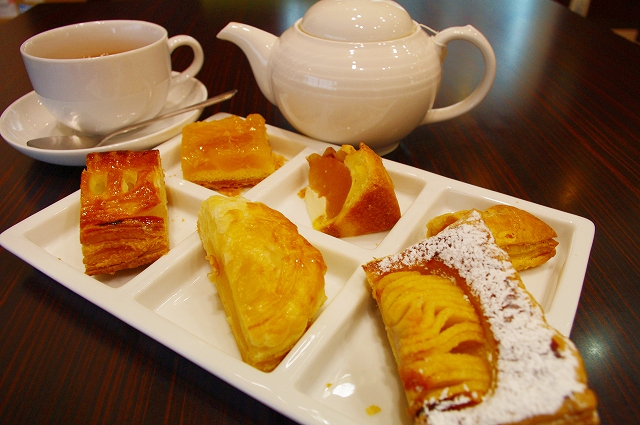
Hirosaki City Farmers Market (弘前市場) offers year-round apple products: fresh-pressed juice (¥300-600), apple chips (¥500), apple curry (¥800), and exceptional apple pie (¥350-500 per slice).
Kimori apple orchard café near Hirosaki serves extraordinary apple pie à la mode (¥980) using apples picked that morning. Reservations recommended: “yoyaku onegaishimasu” (予約をお願いします).
A-FACTORY (see section 6) stocks premium apple ciders (¥800-1,500), apple-vinegar dressings (¥600), and dried apple snacks ideal for souvenirs.
5. Seafood Beyond Tuna
Mutsu Bay’s protected waters and cold currents create ideal conditions for diverse seafood.
Must-Try Items:
-
Hotate (帆立/scallops): Sweet, massive specimens at Aomori Fish Market (¥300-500 each). Order hotate-yaki (帆立焼き, grilled) or hotate-sashimi (帆立刺身, raw).
-
Uni (雲丹/sea urchin): June-August peak season. Mutsu Bay uni features creamy texture without metallic aftertaste (¥1,500-3,000 per 100g).
-
Zuwai-gani (ズワイ蟹/snow crab): November-March. Whole crabs ¥3,000-8,000 depending on size.
Recommended:
Nokke-don Ichiba lets you customize seafood bowls. Buy base rice bowl (¥500), then select 10-12 toppings across market stalls (¥150-500 per topping). Budget ¥2,000-3,000 total.
Ajisai (紫陽花) specializes in shellfish (¥2,500-6,000 courses). The kaisen-yaki (海鮮焼き, grilled seafood platter) showcases scallops, oysters, and seasonal catches.
6. A-FACTORY
This modern complex beside Aomori Station functions as food souvenir headquarters. The building houses:
- Craft cider brewery with tasting bar (flights ¥800-1,200)
- Fresh apple juice bar (¥400-600)
- Specialty food market selling regional products
- Restaurant featuring local ingredients
Best Buys: Apple cider varieties (dry to sweet, ¥1,200-1,800), scallop confit (¥900), Aomori garlic products (¥500-1,000), regional miso selections (¥600-1,200). English signage throughout; tax-free shopping available.
Ordering Phrase: “Kore wa nan desu ka?” (これは何ですか, “What is this?") encourages staff to explain products.
7. Hirosaki Food Culture
Former castle town Hirosaki, 40 minutes from Aomori City, developed refined food culture rivaling larger cities.
Tsugaru Ramen: Unlike other regional ramens, Tsugaru-style features niboshi (dried sardine) broth with distinctive ocean intensity. Takasago-Shokudo (高砂食堂) serves classic bowls (¥750) topped with thin-sliced chashu and menma.
Apple-Fed Pork: Pigs raised on apple pomace produce sweeter, tender meat. Try ringo-buta tonkatsu (りんご豚とんかつ, ¥1,400-1,800) at Tonkatsu Kaneko.
Traditional Ryotei: Yamausagi (山兎) offers kaiseki-style courses (¥8,000-15,000) in tatami rooms overlooking gardens. Reservations essential; some English assistance available. This represents Tsugaru cuisine’s highest expression.
General Tips: Many restaurants close Mondays; confirm hours before visiting. Cash remains king outside major hotels. Learn “gochisosama deshita” (ごちそうさまでした, “thank you for the meal”) to show appreciation when leaving.