Solo Travel Guide to Aomori Prefecture
Why Aomori is Perfect for Solo Travellers
Aomori Prefecture, crowning Japan’s main island of Honshu, offers solo travellers an ideal blend of rural authenticity and manageable infrastructure. This northernmost prefecture boasts exceptionally low crime rates—even by Japan’s standards—and a welcoming culture where locals genuinely appreciate visitors venturing beyond Tokyo-Osaka circuits. Unlike overwhelming metropolises, Aomori’s compact cities provide comfortable bases without urban anxiety, while rural areas remain accessible and navigable. English signage is limited but improving, and the slower pace allows solo travellers to find their rhythm. The prefecture’s manageable size means you can easily design itineraries around two main bases without constant packing and unpacking—crucial for the logistics of travelling alone.
Aomori City: Your Waterfront Solo Base
Aomori City functions brilliantly as a solo base. The compact harbour district clusters accommodations, transport, and attractions within walking distance. Mornings begin at Furukawa Fish Market with their nokkedon breakfast experience—a wonderfully solo-friendly ritual where you purchase a bowl of rice and meal tickets, then wander between stalls pointing at tuna, scallops, salmon roe, and sea urchin to build your custom seafood bowl. No Japanese needed; pointing and smiling suffice, and vendors enjoy guiding confused foreigners through the process.
The NEBUTA WA RASSE museum sits right on the waterfront, perfect for understanding the festival’s context before experiencing it. The admission (¥620) includes massive illuminated floats and video explanations—entirely enjoyable alone without missing conversation. Evenings, stroll the bay area toward the distinctive Aomori Bay Bridge, watching ferries depart for Hokkaido. The waterfront A-FACTORY complex offers apple-wine tasting and local products in a relaxed setting where solo browsing feels natural, not awkward.
Hirosaki: The Quieter Alternative
Forty minutes by train from Aomori, Hirosaki offers a gentler solo experience. This castle town moves slower, with tree-lined streets and exceptional independent coffee culture. Hirosaki Park, crowned by one of Japan’s twelve original castles, provides hours of solitary wandering through different garden sections—particularly magical during cherry blossom season when 2,600 trees create pink tunnels perfect for contemplative solo strolls.
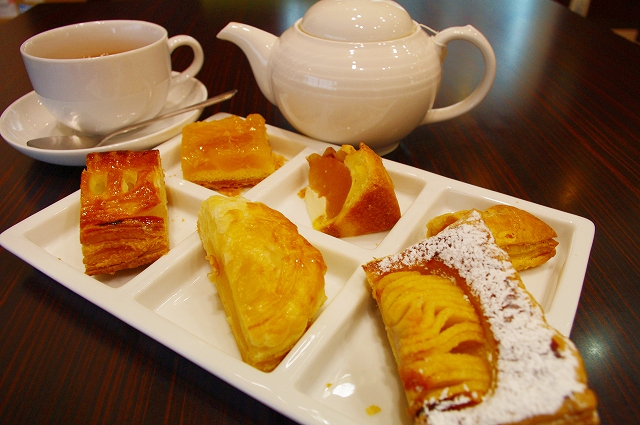
The city’s café scene welcomes solo customers with counter seating and reading-friendly atmospheres. Browse Taisho-era streets near Nakamachi, ducking into French patisseries and renovated machiya cafes where sitting alone with a book feels completely natural. Hirosaki Apple Park (free admission) offers another peaceful solo destination—orchards, tasting experiences, and seasonal activities without pressure to entertain companions. The smaller scale means you’ll navigate confidently within a day, building familiarity that makes solo travel comfortable.
Becoming a Nebuta Haneto: Solo Participation Magic
The Nebuta Festival (August 2-7) transforms solo travel into communal experience. Anyone can join as a haneto dancer—the exhilarating street dance following illuminated floats—by renting the traditional costume (around ¥4,000 from shops near the station, including deposit). As a solo traveller, this participation opens doors closed to mere spectators.
You’ll learn the simple “Rassera! Rassera!” chant within minutes, then merge into crowds of thousands dancing alongside locals. The genius of haneto participation is its instant community—you’re immediately part of something, welcomed by families who’ll teach you moves, share snacks during breaks, and pose for photos. Solo travellers often find these spontaneous connections more authentic than organized tours. The physical exuberance of jumping and chanting for hours creates natural endorphin highs—solo travel euphoria without loneliness.
The Meditative Oirase Stream Walk
The 14km Oirase Gorge trail from Yakeyama to Lake Towada epitomizes therapeutic solo travel. This flat, well-maintained path follows crystal streams through moss-covered forest—genuinely safe for solo walkers with frequent visitors and clear signage. Most walk the upper section (around 3-4 hours), accessible via bus from either end (JR Bus, ¥1,100-2,400 depending on distance).
The logistics work beautifully solo: catch the morning bus from Aomori or Hachinohe to the trailhead, walk one direction, catch the return bus from wherever you stop. Buses run regularly April-November. The solitude here feels restorative rather than isolating—gentle rapids, waterfalls, and dappled light create moving meditation. Weekdays outside autumn foliage season offer near-private forest experiences. Pack water and snacks from convenience stores; limited facilities dot the route.
Budget Solo Travel in Aomori
Solo travellers can thrive on modest budgets. Aomori City’s Blue Capsule (from ¥2,500) and Aomori Backpackers Hostel (from ¥2,800/dorm) provide clean, central accommodation with communal spaces for meeting other travellers. Hirosaki’s Hirosaki Hostel offers similar pricing with local personality.
Teishoku set meals at family restaurants (Yayoiken, Matsuya) run ¥600-900 for satisfying rice, miso soup, main dish, and pickles—no ordering confusion, just point at pictures. Convenience stores provide another solo-friendly option: quality onigiri, salads, and hot items for under ¥500. The fish market nokkedon breakfast costs under ¥1,000 for a seafood feast. Budgeting ¥4,000-6,000 daily covers accommodation, food, and local transport comfortably.
Navigation Essentials
The JR Pass covers excellent train routes including the Ou Main Line to Hirosaki and connections to Lake Towada areas. However, Lake Towada and Oirase genuinely benefit from rental cars—giving flexibility to explore peninsula viewpoints and smaller onsen towns. Solo car rental (around ¥5,000-7,000 daily) includes ETC highway discount and GPS navigation (switch to English). Google Maps works excellently in cities but has gaps in rural areas—download offline maps or use Japan Travel app.
Solo Onsen Experience
Most onsen accommodate solo bathers perfectly. Request kashikiri (private family baths) at ryokan—usually ¥1,000-2,000 extra for 40-minute slots—eliminating communal bathing anxiety. The famous Sukayu Onsen’s mixed-gender bath (konyoku) remains culturally significant but intimidating. Women can wear towel wraps; going early morning (6-7 AM) means fewer bathers. Alternatively, Sukayu’s separate baths offer the milky sulfur waters without mixed-bathing pressure—no compromise on experience.
Safety and Social Connections
Aomori feels remarkably safe for solo travellers—locals routinely help lost foreigners, and hostels naturally facilitate traveller connections. Small izakaya welcome solo diners with counter seating; the mama-san often becomes your evening companion, practicing English while pouring local sake. Solo travel here means independence with safety nets—comforting for first-time solo adventurers while offering experienced travellers authentic immersion beyond tourist circuits.