Chiba suits solo travel well. Its public transport is good for the main routes, its food culture is built around single-person dining (fish market counters, unagi lunch sets, fishing port izakaya), and its most interesting experiences — temple walking, coastal cycling, a dawn fish market — are better done alone than in groups. For travellers arriving through Narita, it is also the most immediately accessible prefecture in Japan.
Making the Most of a Narita Layover
Narita Airport is in Chiba Prefecture, and the area around it offers one of the most accessible cultural experiences in Japan for travellers with time between flights. Naritasan Shinshoji Temple is 15 minutes from the airport by shuttle bus to Narita Station, then a 15-minute walk. The temple grounds alone are worth 90 minutes — the main hall, the incense cauldron, the pagodas, and the forested park behind the complex.
For eating: the 800-metre Omotesando approach road to the temple is lined with unagi restaurants, most serving lunch from 11:00 AM. A solo unaju (grilled eel rice box) set costs ¥2,500–¥4,000 and can be ordered without reservation at most establishments on weekdays. The meal takes 30–45 minutes. Add the temple walk and the return journey and the whole experience runs about 3–4 hours door-to-door from the terminal.
Minimum layover: 4 hours (feasible but tight). 5–6 hours is comfortable. 8+ hours allows the temple and lunch plus browsing the souvenir shops.
Solo Dining in Chiba
Chiba’s food culture aligns naturally with solo dining. Fish markets, harbourside counters, and set-lunch restaurants all accommodate single diners without the awkwardness that some Japanese restaurants associate with a party of one.
Katsuura Fish Market (6:00–8:00 AM): Buy sashimi-grade fish from the stalls, have it sliced at the preparation counter, and eat at standing tables with rice and soy sauce. No Japanese required — point and gesture works well here. This is one of the most economical and genuine food experiences in the Kanto region: a full sashimi plate with rice runs about ¥1,000–¥1,500.
Choshi izakaya: Fishing port izakaya in Choshi are as welcoming to solo diners as any bar in Japan. Sit at the counter, order whatever is written on the board above the bar (a translation app helps), and work through a few dishes with sake or beer. The standard solo izakaya evening in Choshi — fresh fish, soy sauce from the local brewery, cold local sake — runs ¥2,000–¥3,500.
Unagi lunch sets at Naritasan: Straightforward solo dining. Order from the set menu (most have picture menus or plastic food displays), sit at a table or counter, and eat without rush.
Boso Peninsula Solo Cycling
The Boso Peninsula Cycling Route (Bosoran) is an excellent solo cycling experience. The route is well-marked, the terrain is largely flat to gently rolling, and the peninsula’s fishing towns and coastal sections are best appreciated at the unhurried pace that solo cycling provides. Accommodation along the route ranges from inexpensive minshuku (family-run guesthouses) to more comfortable ryokan — all are familiar with solo travelling cyclists.
A solo cyclist can typically cover 40–60 kilometres per day at a comfortable touring pace while stopping to eat, photograph, and explore. The full 130-kilometre circuit takes three to four days. Good starting points include Kimitsu or Tateyama, both accessible by JR from Tokyo.
Bike rental is available at several Boso stations including Kisarazu. Bringing your own folding bike on the JR Sotobo or Uchibō Line is also possible.
Solo Surfing and Beach Culture at Kujukuri
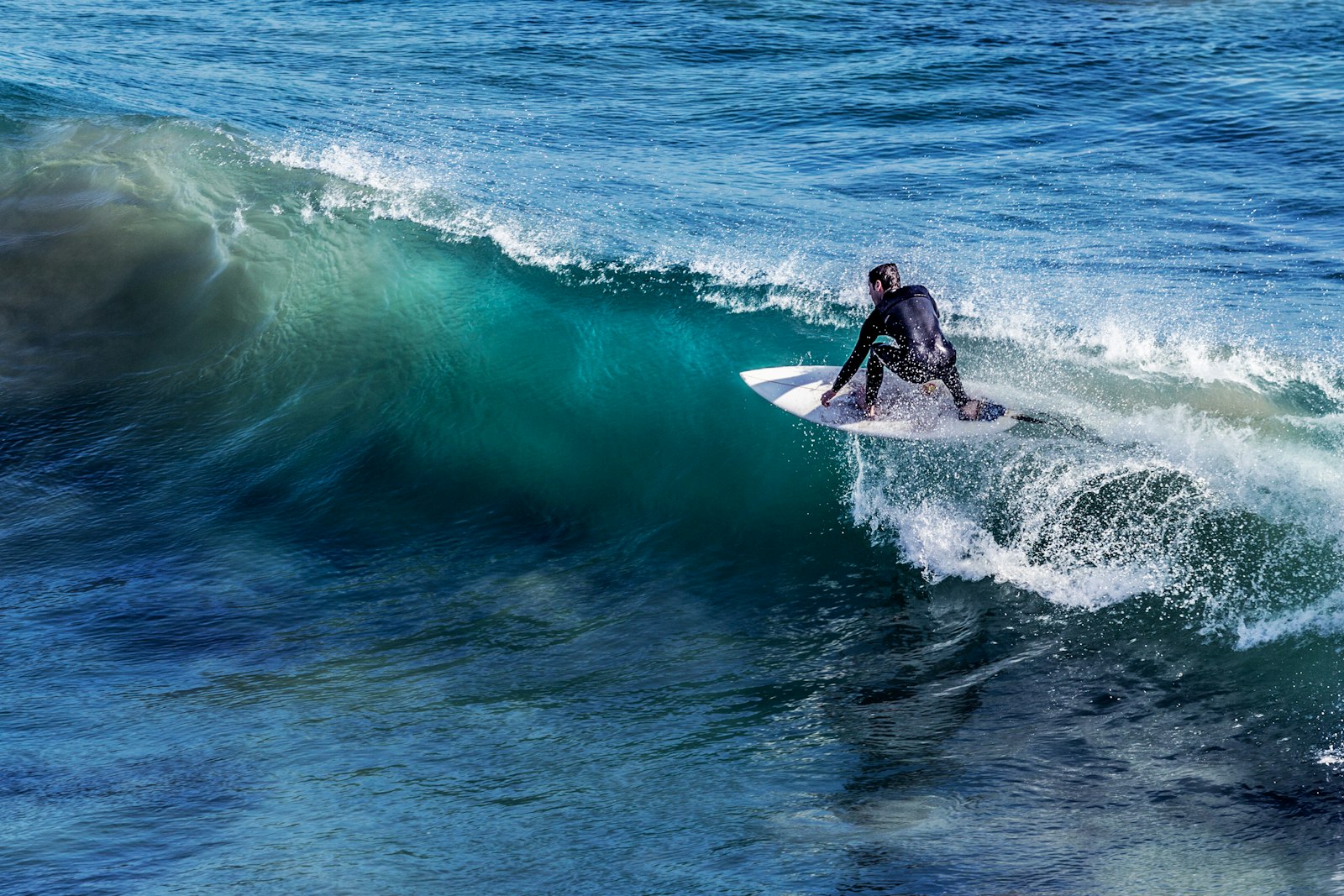
Kujukuri’s surf culture is friendly to solo visitors. Several surf schools along the coast accept walk-in bookings for beginner lessons on quieter days, and the beach community around the main surf spots (Ichinomiya, Onjuku) has a laid-back, social character. The surf school environment in Japan tends to be welcoming and organized — instructors are patient and lessons are structured to produce a standing wave ride within two to three hours.
For independent surfers, the beach’s flat sandy bottom and consistent Pacific swells provide a reliable solo session. The lack of rocks reduces the penalty for wipeouts. Board and wetsuit rental from shops along the coast costs ¥2,000–¥3,000 for a half-day.
The Isumi Railway as Solo Travel Experience
The Isumi Railway — slow, rural, infrequent — is perfect for solo travel. The 55-minute ride through farmland and small stations provides the kind of unfocused, contemplative time that solo travel is best at producing. There is no itinerary pressure, nothing to coordinate, and nothing to miss. In spring, the view from the window is extraordinary; in autumn, the farmland and small settlements have a quiet quality that is difficult to find on faster transport.
Boarding at Ohara in the morning and riding to Kazusa-Nakano (the terminus), then returning by the same line, takes about two hours total and allows time at the rural terminus station before the return. Alternatively, take the JR back on a different route and make the return a loop.
Budget Solo Travel
Budget benchmarks (per day):
- ¥6,000–¥9,000: Guesthouse in Chiba City or Narita area, Katsuura fish market sashimi breakfast, temple walking (free), convenience store lunches, JR rail travel.
- ¥12,000–¥18,000: Business hotel, unagi lunch on Omotesando, Isumi Railway trip, izakaya dinner in Choshi.
- ¥20,000+: Boso Peninsula ryokan (meals included), rental car access, premium seafood.
Accommodation for solo travellers: Capsule hotels are available in Chiba City. Business hotels near Chiba and Kaihin Makuhari run ¥6,000–¥9,000 per night for solo rooms. Guesthouses and minshuku along the Boso coast are generally ¥4,000–¥7,000 per person.
Practical Tips
Language: Solo travel in the rural Boso Peninsula requires more language independence than travel in tourist-concentrated areas. Download Google Translate with the Japanese offline pack, and use the camera translation function for menus and signs. Most food establishments can manage a point-and-gesture transaction.
Transport IC card: A Suica or Pasmo card on your phone (via Wallet app on iPhone) covers all JR, Keisei, Chiba Monorail, and most buses. Load ¥3,000 at the start of the day to cover most situations.
Solo safety: Chiba is safe for solo travel, including for solo female travellers. The rural Boso Peninsula has almost no crime. Exercise standard outdoor common sense in remote coastal areas — tell someone your plan, have offline maps, and watch the tide on cliff walks.