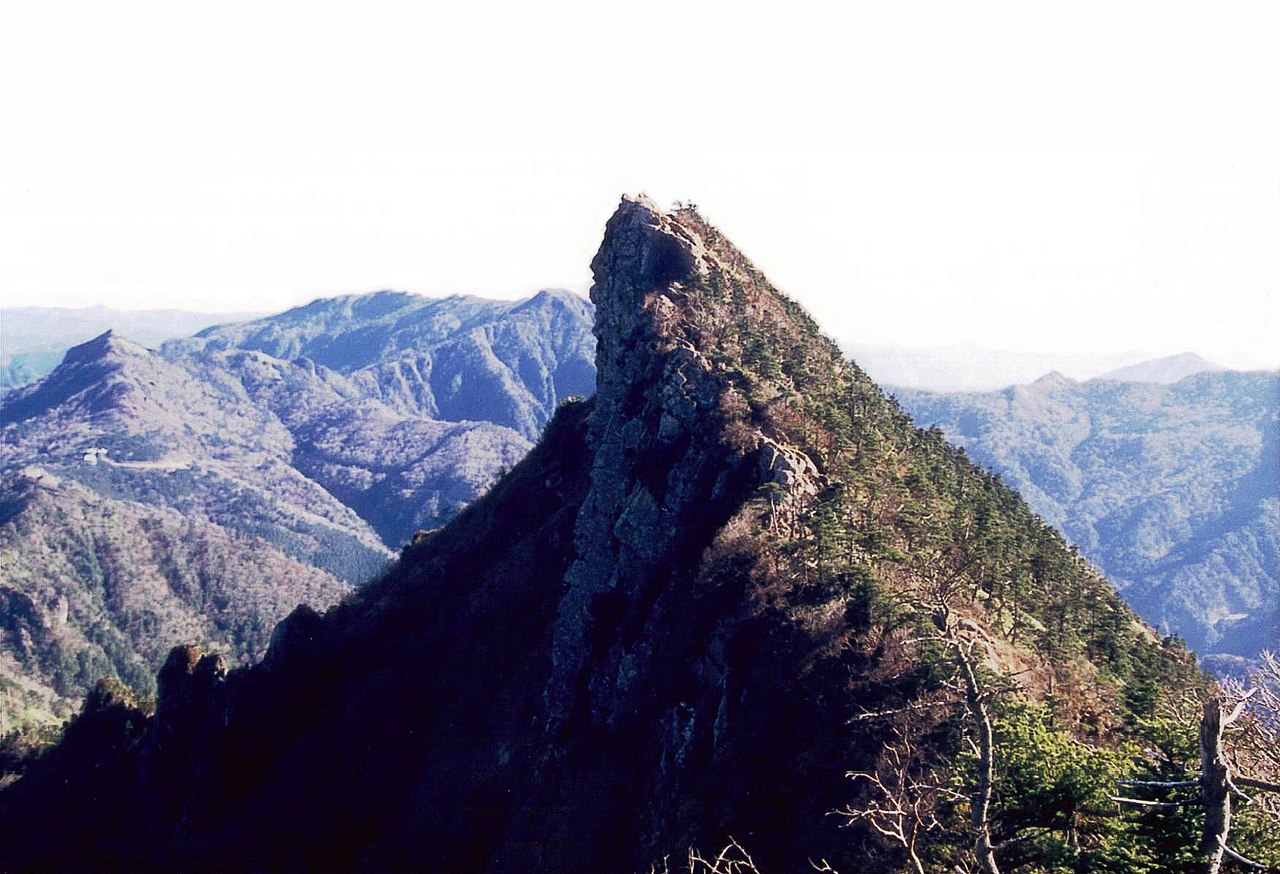
Ehime sits on the northwestern coast of Shikoku, a prefecture whose identity is woven from three distinct threads: Japan’s oldest hot spring, a castle that actually survived intact through the centuries, and enough citrus groves to make mandarin oranges its unofficial symbol. For a group of friends looking to combine genuine cultural texture with indulgence, Matsuyama and its surroundings offer a range of experiences that are hard to find concentrated in one place anywhere else in Japan.
Budget around ¥15,000–25,000 per person per day, covering accommodation mid-range, meals, activities, and local transport. Two to three days is ideal; add a fourth if you want the Shimanami Kaido cycling day.
Dogo Onsen: Yukata, Architecture & The Original Hot Spring
Dogo Onsen Honkan is the oldest continuously operating hot spring in Japan — and the building that is believed to have inspired Hayao Miyazaki’s bathhouse in “Spirited Away.” Even if the Honkan annex is still undergoing renovations, the main building and the newer Asuka-no-Yu facility nearby remain open and worth the visit.
Yukata Rental
Arriving at Dogo in yukata is the correct way to do it. Several rental shops operate in the Dogo shopping arcade leading to the bathhouse, offering full sets — yukata, obi, and wooden geta sandals — for approximately ¥2,500–4,000 including a kimono dressing service. Book in advance for weekends; many shops offer online reservations. Late afternoon is the natural time to arrive: the light on the Meiji-era wooden bathhouse facade as evening falls is genuinely photogenic, and the arcade’s sweet shops are still open.
The Bath
Dogo Onsen Honkan offers tiered bath entry ranging from ¥700 for the basic Kami-no-Yu bath to ¥2,100 for the premium Tama-no-Yu inner chamber with tatami resting room service and tea. Groups often opt for a middle tier (¥1,250) that includes the Yushinden, the imperial bathing chamber — now preserved rather than used — which is viewable as part of the entry.
Dogo Shopping Arcade
The 300-metre covered arcade that leads to the bathhouse contains some of the best mikan-themed souvenir shopping in the prefecture. Look for Tart Tart mikan tart boxes (¥1,200–1,800), Dogo Beer brewed with local citrus, yuzu-flavoured mochi, and posca — the historical citrus vinegar drink of ancient Ehime. The arcade is also home to Botchan Dango shops, a three-colour steamed dumpling based on the Natsume Soseki novel set in Matsuyama.
Matsuyama City: Trams, Castle & Cafes
The Botchan Tram
Matsuyama operates one of Japan’s most charming urban tram networks, and within it runs the Botchan Ressha — a small steam-style retro train on the Jonan line that covers the route between JR Matsuyama Station, the city centre, and Dogo. The tram runs on a schedule rather than continuously; check departure times at the station. A one-ride fare is ¥1,700, making it a memorable splurge rather than daily transport, but the antique design and conductor-style service make it worth it for the photographs alone. The standard tram network covers the rest of the city efficiently at ¥180 per ride.
Matsuyama Castle
Matsuyama Castle is one of Japan’s twelve original castles — meaning the keep is genuine, not a postwar concrete reconstruction. It sits on Shiroyama Hill in the middle of the city, reached by ropeway or chairlift (¥270 one way, ¥520 return) or a 20-minute uphill walk. Entry to the keep costs ¥520. The interior is steep and traditional; the views from the top across Matsuyama and out toward the Seto Sea on clear days are exceptional. Allow 90 minutes total.
The grounds below the castle contain extensive cherry trees and, in summer, hydrangeas along the castle road. Cafes near the ropeway base offer local citrus soft serve and Botchan pudding.
Mikan Sweets & Citrus Shopping
Ehime produces more mandarin oranges than any other prefecture in Japan, and the citrus culture permeates its food and souvenir landscape. Dedicated citrus shopping is a genuine activity here rather than an afterthought.
Michi-no-Eki Dondon (near central Matsuyama) stocks a wide range of regional citrus products: mikan juice, ponzu, citrus jam, blood orange vinegar, and a shelf of dekopon (the premium sweet mandarin) products that cannot be found in Tokyo department stores. Budget ¥3,000–6,000 for a serious souvenir haul.
Tarami and other local confectioners offer mikan jelly packs, individually priced at around ¥150 each. They travel well and are a practical gift. Ehime honey — often blended with yuzu or natsu-mikan — is another regional specialty worth exploring at local farm stands.
Ozu Castle Town: A Half-Day Excursion
An hour south of Matsuyama by JR limited express (¥1,590), Ozu is one of the most atmospheric small castle towns on Shikoku. The castle was reconstructed from historical drawings in 2004 and stands as a surprisingly convincing addition to the riverside landscape. More compelling for a girls' itinerary is the Garyu Sanso villa — a Meiji-era garden retreat built for a merchant, with polished floors, tatami rooms cantilevered over the river, and a level of craft in its construction that rewards slow exploration (¥1,000 entry).
The town’s old merchant district contains several small cafes and craft shops, including a rope-making workshop (Ozu was once Japan’s primary hemp rope production centre). The riverside walk between the castle and Garyu Sanso, particularly in late afternoon, is among the quieter pleasures of Shikoku travel.
Shimanami Kaido Cycling Day Trip
The Shimanami Kaido bridge highway connects Onomichi in Hiroshima Prefecture to Imabari in Ehime, crossing six islands across 60 kilometres of Seto Inland Sea. Dedicated cycling lanes run the entire length. This is considered one of the finest cycling routes in Asia, and even a partial ride — crossing two or three bridges from the Imabari end — gives a strong sense of what makes it exceptional.
Bicycles rent from the Imabari terminal for approximately ¥3,000 per day for a standard hybrid. E-bikes are available for ¥4,000–5,000 and make the uphills to each bridge approach manageable without breaking a sweat. The rental system allows you to drop the bicycle at any of several stations along the route, meaning you can cycle one direction and return by bus or ferry without retracing your path.
Cycling from Imabari to Oshima Island and back — crossing the Kurushima Kaikyo bridges, whose three spans over a notoriously fast-current channel are genuinely dramatic — takes about three to four hours at a relaxed pace with stops. Cycle jerseys and helmets are available at the rental terminal.
Imabari is 35 minutes from Matsuyama by JR or 40 minutes by highway bus (¥760).
Practical Notes
Matsuyama Airport receives direct flights from Tokyo Haneda (JAL/ANA, approximately 75 minutes, from ¥8,000 one-way booked in advance) and several other major cities. JR Matsuyama Station is the rail hub; the tram network makes central Matsuyama navigable without taxis. IC cards work on the tram network.
Dogo Onsen accommodation books quickly on autumn and spring weekends. If Dogo-area ryokan are full, Matsuyama city hotels are a 20-minute tram ride away and substantially cheaper. A two-night base in Matsuyama with a half-day in Ozu and a full cycling day on Shimanami Kaido is the most efficient structure for a long weekend.