Fukushima Prefecture Girls' Group Travel Guide
Fukushima Prefecture offers a particular kind of women’s group travel experience—one built around shared discoveries rather than bucket-list ticking. The prefecture’s pleasures are tactile and social: painting lacquerware together, comparing sake preferences over a tasting, standing in a snow-covered Edo village before the crowds arrive, soaking in a mountain onsen after dark. These experiences become richer when shared, and Fukushima provides them with a directness and authenticity rarely found in more heavily touristed regions.
1. Ouchi-juku Winter Morning: The Perfect Group Snow Experience
The preserved Edo-period post town of Ouchi-juku is Japan’s most photographed snow scene—thirty thatched-roof farmhouses lining an unpaved street under deep winter snow, mountains behind, smoke rising from breakfast fires within. It is also, between 9:30am and 3pm on winter weekends, genuinely crowded.
The solution: arrive at 8am.
The early morning strategy: Stay overnight at Yunokami Onsen (15 minutes by car from Ouchi-juku), set a group alarm for 6:30am, and drive to the lower parking lot while the village is still waking. Walk the 10-minute forest approach path in silence—arriving to find the entire Edo street to yourselves, fresh snow, no footprints. This is the photograph everyone wants, and it’s genuinely achievable.
The village shops open around 9am. Try negi-soba (buckwheat noodles eaten with a leek as a chopstick) at Misawaya or Yamashoya—the leek-chopstick challenge is simultaneously ridiculous and traditional, and watching each other attempt it provides more entertainment than any organized activity. The hilltop viewpoint (20-minute climb) offers the classic panoramic shot of all the thatched roofs in a single row.
Group booking tip: Yunokami Onsen’s small ryokan accommodate groups of 4–8 well. Request connecting rooms or a large tatami room. Several properties offer private group baths (kashikiri-buro) bookable for evening sessions—the Ohori River footbridge nearby provides atmospheric after-dinner strolls.
2. Aizu Lacquerware Workshop: Creating Together
The Nuri-to-kagami-no-Sato craft centre near Higashiyama Onsen offers the most natural group activity in Fukushima. Aizu lacquerware (Aizu-nuri) is one of Japan’s three great lacquerware traditions—400 years old, characterized by bold red-and-black designs with gold accents—and the workshop allows groups to paint their own pieces to take home.
Each person chooses their item (small plate, bowl, chopstick rest, or chopsticks), selects design elements from traditional Aizu patterns, and spends 1.5–2 hours painting under guidance from instructors who communicate effectively through demonstration. The process involves applying traditional design motifs in carefully layered pigments; the finished pieces are coated in protective lacquer and shipped to your address (international shipping available).
The group experience: The joy of this activity is the comparison—watching how differently each person interprets the same traditional patterns, discovering who is meticulous and who makes confident strokes, seeing whose piece looks most like the examples and whose looks entirely like themselves. The workshop environment encourages exactly this kind of playful self-revelation.
Cost: ¥1,500–3,000 per person depending on item. The centre accepts groups up to 20; book ahead by email (English assistance available through the Aizuwakamatsu tourist office).
3. Suehiro Sake Brewery Group Tasting
The Suehiro Sake Brewery on Nanokamachi-dori in Aizuwakamatsu has been producing award-winning sake since 1850. For women’s groups interested in sake culture, Suehiro offers group tasting sessions in the traditional tatami room with English materials and a sake sommelier who explains the differences between varieties through aroma, flavor, and texture comparisons.
The group dynamic is perfect for sake exploration: with four to eight people tasting eight varieties simultaneously, the conversation flows naturally—“mine tastes like melon,” “this one has an almost sour edge,” “which one would you buy?” Small discoveries become shared ones. The light and dry Aizu style (junmai-ginjo and daiginjo) tends to surprise people who expect sake to be heavy; these wines are elegant and food-compatible in ways that change how people think about Japanese drinking culture.
After the tasting, browse the brewery shop for bottles to take home. Group purchases often attract informal discounts; the staff are accustomed to international visitors asking for recommendations for travel-friendly packaging.
Booking: Group tastings (4+ people) can be booked by email or phone with English assistance from the tourist information centre. Morning sessions (9–11am) provide the most intimate atmosphere before the main tour group schedule begins.
4. Higashiyama Onsen Geisha Quarter Evening
Higashiyama Onsen, 3km from Aizuwakamatsu, maintains one of Japan’s more accessible geisha traditions. For groups wanting cultural atmosphere without the formality and expense of a full geisha banquet, the simple act of arriving at dusk and exploring the quarter together provides a genuinely atmospheric evening.
The illuminated wooden ryokan facades, lantern-lit stone pathways, and occasional sound of shamisen practice from the ochaya teahouses create an atmosphere that photographs beautifully and feels genuinely historical. The free public footbath (ashiyu) in the small park provides a social gathering point—soak your feet together while watching the evening valley settle.
Group dinner options: Several of Higashiyama’s mid-range ryokan offer dinner-only reservation for non-guests in private dining rooms (¥5,000–8,000 per person; reserve 2 weeks ahead). The Aizu kaiseki course typically includes kozuyu ceremonial soup, local mountain vegetables, and sake-paired fish dishes—a shared meal format that facilitates conversation rather than performance.
5. Fukushima Fruit Line: Orchard Picking Together
Between July and September, the orchard country north of Fukushima City offers pick-your-own experiences that are, frankly, one of Japan’s most purely enjoyable group activities. A group of women with unlimited cherry or peach eating access, weighing and selecting together, comparing sweetness and texture—this requires no cultural context and no language skills. It is simply pleasure.
Cherry picking (mid-June): Many farms offer 30-minute unlimited-eating sessions (¥1,500–2,000) in the orchard rows. The Sato Nishiki variety peaks around June 20–25.
Peach picking (August): The Akatsuki peach is Fukushima’s most celebrated variety—white-fleshed, intensely aromatic, startlingly sweet. Farms along Route 72 between Fukushima City and Date City offer pick-your-own sessions and roadside tastings. Buy flat boxes of six peaches (¥1,500–2,500) for gifts; they pack well for Shinkansen travel.
Peach soft-serve: Roadside stalls along Route 4 serve peach ice cream (¥400) made from real local fruit. The queue, if there is one, is worth it.
Access: Rental car required; available from Fukushima Station. Drive north on Route 4, then east on Route 72. Signs for 桑摘み体験 (cherry picking) and 桃狩り (peach picking) mark the participating farms.
3-Day Girls' Trip Itinerary
Day 1: Ouchi-juku & Yunokami Onsen
- Early morning: Ouchi-juku snow (or autumn foliage) exploration
- Late morning: Negi-soba lunch and viewpoint hike
- Afternoon: Drive or taxi to Aizuwakamatsu (45 minutes)
- Evening: Higashiyama Onsen arrival, group ryokan dinner
Day 2: Aizu Culture Day
- Morning: Suehiro Sake Brewery group tasting
- Afternoon: Aizu Lacquerware Workshop at Nuri-to-kagami-no-Sato
- Evening: Higashiyama geisha quarter walk, ashiyu footbath
Day 3: Bandai Highland or Fruit Line
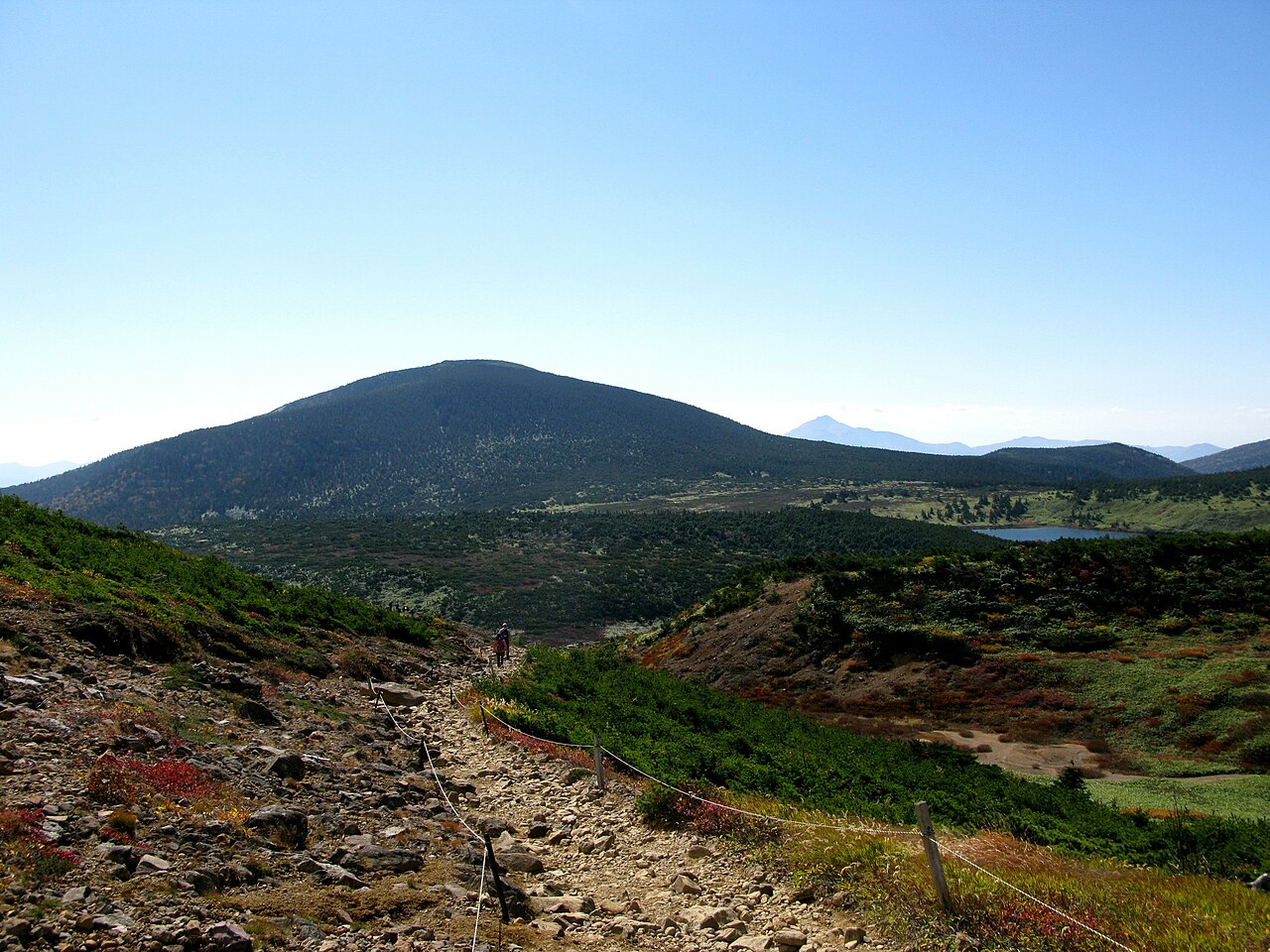
- Option A (summer/autumn): Goshiki-numa lake trail, Lake Hibara cycling
- Option B (summer): Fruit Line orchard picking, roadside peach stands
- Evening: Return journey
Group booking lead times: Ryokan: 2–3 months for winter (snow season) and autumn weekends. Lacquerware workshop: 1 week minimum, 2 weeks preferred. Sake tasting: 1 week minimum. All accommodations mentioned can accommodate groups of 4–8.
Fukushima provides the conditions for the best kind of group travel: authentic craft, genuine food culture, atmospheric landscapes, and enough novelty to generate conversation all the way home.