A Romantic Escape to Fukushima: An Intimate Travel Guide for Couples
Fukushima Prefecture remains one of Japan’s most underrated romantic destinations—a landscape of snow-buried villages, volcanic lakes, sake breweries, and hot spring valleys where you can still find genuine solitude together. This guide focuses on five experiences that reward early mornings, advance planning, and a willingness to venture beyond the standard tourist circuit.
1. Ouchi-juku Winter Morning: A Snow Village for Two
The iconic thatched-roof post town of Ouchi-juku attracts thousands of visitors during daytime hours, their footsteps churning the snow into grey slush by noon. But arrive at 8am on a January morning, and you’ll have the entire Edo-period street to yourselves—one of the most photographed scenes in Japan, temporarily yours alone.
In deep winter, 50–80cm of snow buries the thatched rooftops in thick white caps. Smoke rises from breakfast fires inside the farmhouses. The morning light catches the snow crystals, and the entire valley glows. You’ll walk the main street in complete silence, footprints marking fresh powder, taking photographs without a single other person in frame.
The Secret: Stay overnight at Yunokami Onsen, just 15 minutes by car from Ouchi-juku. Wake at 6:30am, drive to the lower parking lot (the upper lot won’t be cleared yet), and walk the ten-minute approach path through the forest. You’ll reach the town as the first smoke appears from the chimneys. By 9:30am, the tour buses begin arriving—you’ll be finishing breakfast back at your ryokan.
Recommended ryokan: Senjukaku Takayu at Yunokami Onsen has rooms with private open-air baths and will prepare an early breakfast box if you explain your Ouchi-juku morning plan. Book at least two months ahead for January–February weekends.
2. Yunokami Onsen: The Thatched Station Village
Yunokami Onsen itself deserves more than a functional overnight. This small hot spring village clusters around Japan’s only thatched-roof train station—a fairy-tale structure on the Aizu Railway line where the occasional two-car train rumbles through the valley, whistle echoing off the mountains.
The best ryokan have kazoku-buro (family baths) bookable by the hour—private hot spring baths where couples can bathe together in complete privacy. After dark, walk across the illuminated Ohori River footbridge to see the village lights reflected in the water. The sound design here is perfect: distant train whistles, rushing river water, the wooden clatter of geta sandals on the ryokan’s corridors.
For dinner, request Aizu regional specialties—noppei, a layered vegetable stew, or a kaiseki course that incorporates Kitakata ramen (Fukushima’s famous local style). The combination of sophisticated kaiseki and humble ramen feels quintessentially Fukushima: proud of rustic traditions, uninterested in pretension.
Book: Ashinomaki Grand Hotel has the best river-facing rooms with private terraces. Reserve at least six weeks ahead for cherry blossom season (late April) or autumn colors (mid-October).
3. Private Sake Tasting at Suehiro Kura
The Suehiro Sake Brewery in Aizu-Wakamatsu has operated since 1850, its Edo-period kura (storehouses) still producing award-winning sake. Most visitors join the midday group tours, but couples can book private morning tastings at 9am, before the brewery fully opens to the public.
You’ll sit together in a traditional tatami room, a sake sommelier presenting six to eight varieties, explaining the brewing process, the rice polishing ratios, the water source from Mount Iide. What makes this romantic isn’t just the privacy—it’s the revelation of how your palates differ. One of you prefers the dry, mineral junmai; the other gravitates toward fruity daiginjo. These small discoveries feel surprisingly intimate.
Afterward, purchase a special bottle—perhaps a vintage from your wedding year—as a memento. The brewery’s garden café serves matcha and seasonal wagashi (Japanese sweets) beneath heritage cherry trees. Spring mornings here are extraordinary.
Book: Email the brewery (English available) at least two weeks ahead. Private tastings cost ¥5,000–8,000 per couple. The nearby Tsuruga Castle makes an elegant afternoon walk.
4. Higashiyama Onsen Geisha Quarter at Dusk
Higashiyama Onsen, in the hills east of Aizu-Wakamatsu, maintains a tradition of geisha entertainment at its ryokan. While full geisha evenings require advance booking and significant expense, the simple act of walking through this valley at dusk offers atmospheric magic.
The wooden ryokan buildings glow from within, lanterns lighting stone pathways. Through occasional open windows, you might hear the plucked notes of a shamisen from training sessions. A free footbath (ashiyu) in the small public park provides a place to rest, soaking your feet side by side while watching the darkening valley.
Book dinner at one of the traditional ryokan—even if you’re staying elsewhere—for kaiseki served in private dining rooms overlooking the forested slopes. The combination of cultural refinement (the geisha tradition) and physical intimacy (the hot springs) creates Higashiyama’s particular romantic character.
Recommended: Mukaitaki Ryokan for its cliff-side cave bath and historical architecture. Reserve two months ahead for autumn; three months for cherry blossom season.
5. Goshiki-numa Dawn Walk: Volcanic Lakes in Morning Light
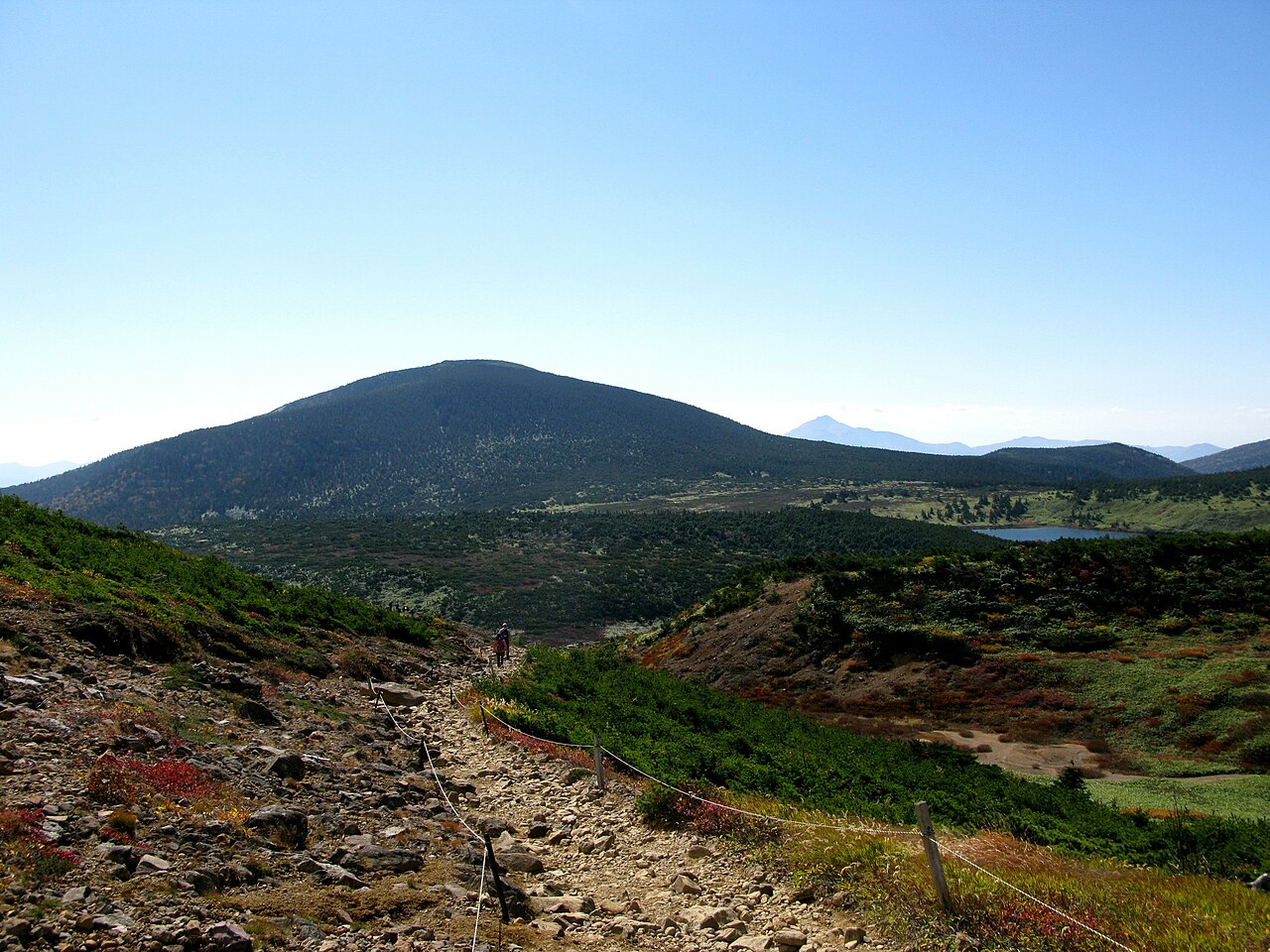
The Goshiki-numa (“Five Colored Lakes”) trail in the Urabandai highlands offers a 4km boardwalk loop past crater lakes stained turquoise, emerald, and cobalt by volcanic minerals. In popular seasons, it’s crowded. But arrive at sunrise—particularly in October—and you’ll walk the entire circuit alone.
Park at the Urabandai resort area (free parking, facilities open 24 hours) and walk five minutes to the trailhead. At dawn, mist hangs over the still water. Mount Bandai reflects perfectly in the calm surfaces. The forest is silent except for birdsong. The entire walk takes 90 minutes at a leisurely pace.
Return to the resort area for breakfast at Café Kaeru (opens 7:30am), serving local bread and coffee on a terrace overlooking Lake Hibara. The morning will feel like a secret you’ve stolen from the landscape.
Timing: Sunrise varies from 4:30am (June) to 6:30am (October). Autumn color peaks around October 15–25. No reservation needed, but bring layers—mornings are cold.
General booking lead times: Two months minimum for weekend travel in peak seasons (cherry blossoms late April, autumn colors mid-October, winter snow January–February). Weekday visits require less advance planning. All ryokan mentioned have English booking support. Rent a car—public transport severely limits early morning adventures.