Leisure Activities Guide: Fukushima Prefecture for International Visitors
Fukushima Prefecture, stretching from the mountains of Aizu to the Pacific coast, offers international visitors an exceptional range of cultural, culinary, and natural leisure experiences. Often overlooked by tourists rushing between Tokyo and northern Honshu, this prefecture rewards those who pause to explore its sake breweries, traditional crafts, historic post-towns, highland landscapes, and unique hot spring resorts. This guide details five distinctive leisure activities that showcase Fukushima’s depth and diversity.
1. Aizu Sake Brewery Tour
The Aizu region produces some of Japan’s most celebrated sake, and the cold mountain winters combined with pure snowmelt water create ideal brewing conditions. More awards per capita have been won by Aizu breweries than almost anywhere else in Japan, making this an essential destination for sake enthusiasts.
Suehiro Sake Brewery (末廣酒造) in Aizuwakamatsu provides the region’s most accessible English-language tour. The brewery’s atmospheric Edo-period kura (storehouse) buildings transport visitors back centuries as guides explain the traditional brewing process—from rice polishing to fermentation to bottling. The comprehensive tasting session includes eight or more varieties spanning junmai (pure rice sake), ginjo (premium sake), and daiginjo (super-premium sake), allowing visitors to understand the dramatic differences in aroma, texture, and flavour. Bottles can be purchased directly from the brewery at kura prices, typically 20-30% below retail. The adjacent Aizu Sake Hall museum provides historical context about the region’s 400-year brewing tradition. Tours run daily except certain holidays; tastings cost approximately ¥500–¥1,000 depending on the selection.
Daishichi Sake Brewery in Nihonmatsu offers a more intimate experience for serious sake lovers. This brewery specializes in kimoto-method sake, a labour-intensive traditional technique that produces complex, structured flavours. Pre-booking is required (contact through their website or a Japanese-speaking assistant), and small-group tours provide detailed technical explanations. The tasting here focuses on understanding how different rice varieties, polishing ratios, and aging periods affect the final product.
Booking tip: Contact Suehiro directly through their website or visit their Aizuwakamatsu shop without reservation for walk-in tastings. For Daishichi, book at least one week ahead during peak seasons.
2. Aizu Lacquerware Workshop (会津塗り体験)
Aizu lacquerware (Aizu-nuri) ranks among Japan’s three great lacquerware traditions, alongside those of Wajima and Kiso. The characteristic aesthetic features bold red-and-black designs with gold accents, developed over 400 years since Toyotomi Hideyoshi ordered Aizu craftsmen to produce lacquerware for the ruling Gamo clan.
The Nuri-to-kagami-no-Sato craft centre in the Higashiyama Onsen area offers hands-on workshops where international visitors can paint their own lacquerware piece—typically a small plate, bowl, or chopsticks—to take home. English instruction sheets are available, and the friendly instructors use demonstrations to guide participants through applying traditional designs. The experience lasts 1.5–2 hours and costs ¥1,500–¥3,000 depending on the item selected.
The workshop provides insight into why authentic Aizu lacquerware commands premium prices: traditional pieces require up to twenty separate applications of lacquer, each requiring drying time, with decorative elements applied between layers. Your workshop piece, while simplified, follows the same basic techniques that master craftsmen have perfected over centuries.
Booking tip: Walk-ins are usually accepted, but reserving ahead by phone (English assistance available through tourist information centres) guarantees your preferred time slot and item selection.
3. Ouchi-juku All-Season Exploration
Ouchi-juku, a magnificently preserved Edo-period post-town, looks entirely different depending on when you visit, making it worth returning across seasons. The thatched-roof buildings lining the main street once served travelers on the Aizu-Nikkō highway connecting Aizu with the temples of Nikkō.
Summer brings fresh thatching repairs and vibrant green hills providing a lush backdrop. Autumn (October-November) transforms the surrounding mountains into maple-coloured frames around the historic street, creating Japan’s most photogenic post-town scene. Winter (January-February) delivers the most dramatic appearance when snow blankets the thatched roofs and the village holds its Snow Festival with illuminated buildings. Spring offers plum and cherry blossoms softening the architectural lines.
The morning arrival strategy is crucial: arrive before 9am and you’ll have the street nearly to yourself, perfect for photography without crowds. By mid-morning, tour buses arrive and the atmosphere shifts.
Don’t miss the viewpoint walk up the hill behind the town (20 minutes, moderate incline). The elevated perspective reveals the full layout of the post-town and surrounding valley—the classic postcard view.
For lunch, try leek soba (negi-soba), the local specialty eaten with a leek stalk instead of chopsticks in one of the farmhouse restaurants. It’s gimmicky but traditional, and the buckwheat noodles are excellent.
Access: 15-minute taxi from Yunokami-Onsen Station (¥2,500–¥3,000), or seasonal shuttle buses. Admission to the town is free, though most restaurants require purchases.
4. Bandai Highland Cycling
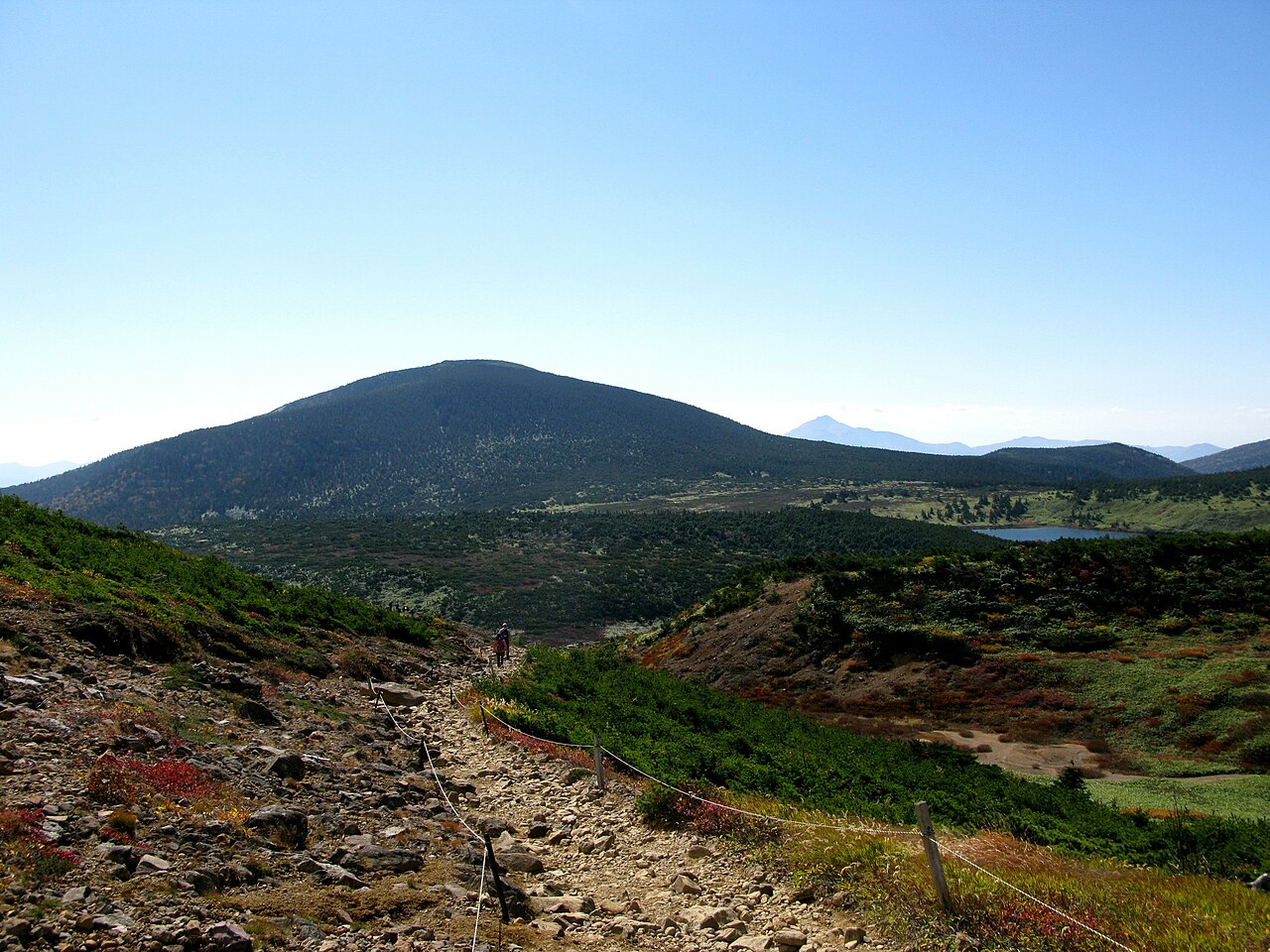
The Bandai Plateau offers Japan’s most scenic flat cycling terrain, perfect for leisurely exploration without challenging climbs. The 20–30km circuit around Lake Hibara and the Goshiki-numa (Five Colored Ponds) area winds through volcanic lakeland scenery created by the 1888 Mount Bandai eruption.
Rental bikes are available at Inawashiro Station (¥1,500/day) or at several locations around Lake Hibara. The dedicated cycling paths separate riders from traffic, making this suitable for casual cyclists. The complete circuit takes half a day at a relaxed pace with photo stops and a lakeside café lunch.
Best season: Mid-October for autumn colour, when the beech and maple forests ignite in reds and golds reflected in the ponds. The Goshiki-numa trail portion (about 4km) features boardwalk sections where you can walk bikes while viewing the distinctively coloured ponds—cobalt, emerald, and turquoise depending on mineral content and viewing angle.
Booking tip: Reserve bikes ahead during October weekends. Some accommodations around Lake Hibara offer guest bikes free of charge.
5. Spa Resort Hawaiians (スパリゾートハワイアンズ)
This unique attraction on Fukushima’s Pacific coast represents one of Japan’s most successful examples of economic reinvention. When the Joban coal mines closed in the 1960s, engineers drilled deeper and discovered abundant hot spring water. The concept emerged: create an indoor tropical paradise powered by natural geothermal heat, providing employment for former miners and their families as resort staff.
Spa Resort Hawaiians opened in 1966 and became one of Japan’s most popular domestic resort destinations. The centerpiece Polynesian Dance Show features professionally trained dancers—the story of young miners' daughters learning hula dancing was dramatized in the popular 2006 film “Hula Girls.” The performances run multiple times daily and genuinely captivate audiences with their energy and skill.
Beyond the shows, the resort includes a giant indoor wave pool (Japan’s first), multiple hot spring bath areas with different mineral compositions, waterslides, a Balinese-themed spa zone, and a traditional Japanese onsen section. It’s simultaneously kitschy and impressive—an entirely earnest attempt to create Hawaii indoors that somehow works.
Full-day admission costs ¥3,500 (adults), with various packages including meals and shows. Access is via shuttle bus from Iwaki Station (40 minutes, ¥500–¥600).
Booking tip: Purchase tickets online in advance for a slight discount. Weekends get crowded; weekdays offer a more relaxed experience.
Combining Activities: A 2-Day Fukushima Itinerary
Day 1 – Aizu Culture:
- Morning: Early arrival at Ouchi-juku (before 9am), explore the town and hike to the viewpoint (2–3 hours)
- Late morning: Drive or taxi to Aizuwakamatsu (45 minutes)
- Afternoon: Suehiro Sake Brewery tour and tasting (2 hours)
- Late afternoon: Aizu Lacquerware workshop at Nuri-to-kagami-no-Sato (2 hours)
- Evening: Stay in Higashiyama Onsen (near the lacquerware centre) at a traditional ryokan
Day 2 – Highland Nature:
- Morning: Check out and transfer to Inawashiro Station (30 minutes)
- Mid-morning to afternoon: Bandai Highland cycling around Lake Hibara and Goshiki-numa (4–5 hours including lunch)
- Late afternoon: Return bikes and travel onward
Alternative Day 2 – Coastal Experience:
- Morning: Travel from Aizuwakamatsu to Iwaki (2 hours by limited express train)
- Afternoon/evening: Spa Resort Hawaiians (4–6 hours)
- Evening: Return to Tokyo or stay overnight in Iwaki
Transportation notes: Renting a car provides maximum flexibility for accessing Ouchi-juku and the highland areas. However, the sake tour becomes more enjoyable when you’re not driving—consider hiring a driver for Day 1, or using taxis between sites in Aizuwakamatsu, then renting a car for Day 2. JR East Pass holders can use trains efficiently for the alternative coastal itinerary.
Fukushima Prefecture rewards curiosity with authenticity—these aren’t heavily touristed international hotspots but genuine local experiences that reveal the depth of Japanese regional culture.