The Complete Onsen Guide to Fukushima Prefecture
Fukushima Prefecture offers some of northern Japan’s most authentic and historically rich onsen experiences. Far from the crowded tourist circuits, these hot spring towns provide international visitors with genuine encounters with Japanese bathing culture, often combined with stunning natural scenery, traditional crafts, and samurai history. This guide covers Fukushima’s most accessible and rewarding onsen destinations.
1. Higashiyama Onsen (東山温泉): The Samurai Lords' Retreat
Located just 3 kilometers from Tsurugajo Castle in Aizuwakamatsu, Higashiyama Onsen has served as the bathing retreat for Aizu domain lords for over 1,300 years. The onsen town nestles in a picturesque valley where traditional multi-story wooden ryokan line both sides of the Yukawa Stream, their distinctive architecture creating an atmospheric corridor of bathing culture.
The Geisha Quarter Experience
What distinguishes Higashiyama from other onsen towns is its preserved geisha culture—smaller, more traditional, and less touristy than Kyoto’s famous districts. The town maintains several ochaya (teahouses) where geisha entertain guests at traditional banquets. While these private performances require advance arrangements through your ryokan, evening strolls through the quarter offer glimpses of this refined world: the wooden facades of ochaya, the sound of shamisen practice drifting through latticed windows, and occasionally the sight of geisha moving between appointments in full kimono.
The Bathing Experience
For budget-conscious travelers or those seeking an authentic local experience, Higashiyama Yu public bath offers genuine communal bathing for just ¥300. This no-frills neighborhood bathhouse attracts local residents alongside curious visitors, providing cultural immersion that luxury ryokan cannot replicate.
The mineral-rich waters (sodium-calcium-sulfate-chloride springs) are renowned for their skin-softening properties and therapeutic effects on neuralgia and fatigue—particularly welcome after exploring Aizuwakamatsu’s historical sites.
Combining History and Relaxation
The ideal Higashiyama itinerary combines a full day exploring Tsurugajo Castle and the tragic Byakkotai samurai site with an evening arrival at your ryokan. After dinner, take a yukata-clad stroll along the lantern-lit stream before retiring to the indoor and outdoor baths.
Access: Frequent buses from JR Aizuwakamatsu Station (15 minutes, ¥300). Most ryokan offer pickup service with advance notice.
2. Yunokami Onsen (湯野上温泉): The Thatched-Roof Station
This small riverside onsen village serves as the gateway to Ouchi-juku, the preserved Edo-period post town, but Yunokami deserves attention as a destination itself. The star attraction is Yunokami Onsen Station on the Aizu Railway line—Japan’s only thatched-roof train station, a striking architectural statement that immediately transports visitors to another era.
The Station Experience
Before even checking into your accommodation, enjoy the complimentary footbath (ashiyu) located right on the station platform. This free amenity, open to all passengers and visitors, overlooks the Ohori River and allows weary travelers to soak their feet while waiting for trains—a uniquely Japanese combination of practicality and indulgence.
The Riverside Setting
A small collection of traditional ryokan clusters along the Ohori River, offering intimate accommodations far from mass tourism. Several ryokan welcome day-visitors for bathing (typically ¥500-800), allowing Ouchi-juku visitors to add an authentic onsen experience to their historical exploration without an overnight stay.
The waters here are simple thermal springs, gentle on sensitive skin and perfect for extended soaking while gazing at the river scenery.
Access: Aizu Railway from Aizuwakamatsu (approximately 35 minutes, ¥950). The scenic rural line journey itself is part of the experience.
3. Tsuchiyu Onsen (土湯温泉): Kokeshi Dolls and Sulfur Springs
Situated on a mountain pass between Fukushima City and the Urabandai highland, Tsuchiyu Onsen combines therapeutic bathing with traditional craft experiences. This onsen town has been famous for two things since the Edo period: strong sulfuric mineral waters and kokeshi doll production.
The Craft Connection
Tsuchiyu kokeshi dolls feature a distinctive style—smaller heads and slender bodies compared to other regional variations. Several workshops in town welcome visitors for demonstrations and hands-on painting experiences (typically ¥1,000-2,000 for a painting workshop). This combination of craft heritage and bathing culture makes Tsuchiyu particularly appealing for travelers interested in traditional Japanese arts beyond just hot springs.
The Waters
The sulfuric mineral content gives Tsuchiyu’s waters a distinctive milky appearance and therapeutic reputation, particularly for skin conditions, digestive issues, and chronic fatigue. Several ryokan offer day-bathing (¥500-1,000), making brief visits possible.
Access: Regular buses from Fukushima Station (45 minutes, approximately ¥1,000). The mountain road journey offers scenic views, especially during autumn foliage season.
4. Numajiri Onsen & Urabandai Highland Spas (沼尻温泉)
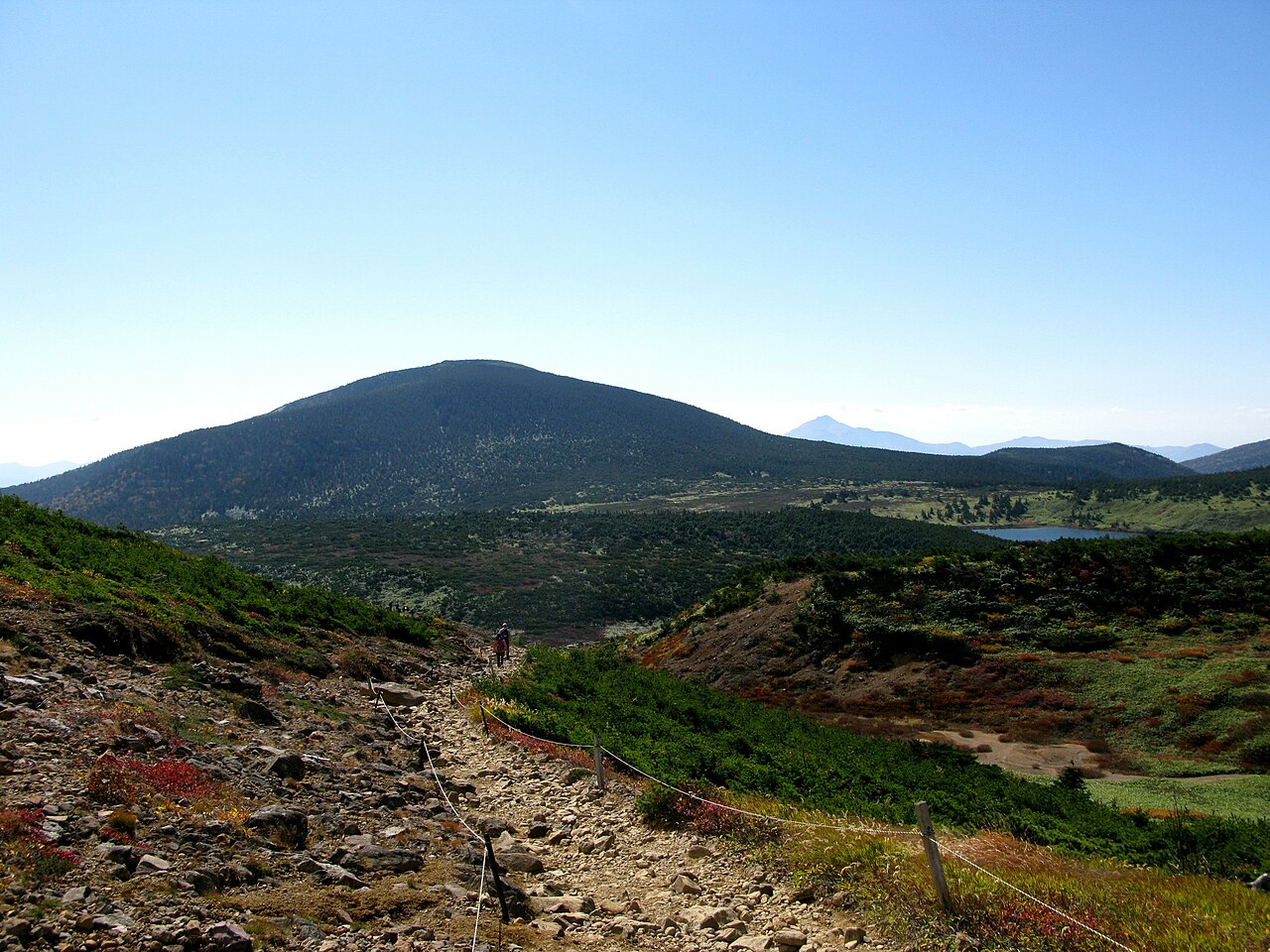
At the foot of Mount Bandai, Numajiri Onsen and the broader Urabandai resort area offer dramatic volcanic landscapes alongside powerful sulfur springs. The Numajiri plateau presents a stark, otherworldly beauty—barren volcanic terrain dotted with steaming vents and mineral deposits.
Highland Bathing
The semi-outdoor baths here provide the thrilling combination of hot sulfurous water and cool mountain air while overlooking volcanic highland scenery. Several hotels in the Urabandai resort area around Lake Hibara offer day-bathing options, allowing visitors exploring the famous Goshiki-numa (Five-Colored Lakes) to add therapeutic soaking to their nature itinerary.
Seasonal Appeal
Autumn is particularly spectacular when the volcanic lakes reflect brilliant foliage colors, creating postcard-perfect views from outdoor baths. Summer offers cool highland respite from lowland heat, while winter transforms the area into a snow-covered wonderland (though access becomes more challenging).
Access: Bus services from Inawashiro Station, though rental car provides much more flexibility for exploring the scattered highland attractions.
Practical Information for International Visitors
Booking: English-language booking through Jalan.net or Rakuten Travel works well for most Fukushima onsen. Larger ryokan increasingly offer English communication, though smaller establishments may require basic Japanese or translation apps.
Tattoo Policies: Fukushima’s onsen are generally more relaxed about tattoos than urban facilities, but policies vary. Many ryokan offer private baths (kashikiri-buro) bookable by the hour (typically ¥2,000-5,000 extra), providing worry-free bathing for tattooed guests or those uncomfortable with communal nudity.
The Essential Itinerary: For first-time visitors, the Aizu-Higashiyama combination offers the most complete experience—stay overnight in Higashiyama Onsen, explore Aizuwakamatsu’s samurai heritage by day, and experience the geisha quarter atmosphere by evening.
Seasonal Recommendations:
- Summer: Urabandai highland resorts for cool mountain air
- Autumn: Any location—Fukushima’s momiji (autumn foliage) is spectacular
- Winter: Higashiyama’s sheltered valley with snow-viewing rotenburo
- Spring: Tsuchiyu as cherry blossoms reach the mountain elevations
Fukushima’s onsen offer international visitors authentic Japanese bathing culture without pretension or overwhelming tourist crowds—a rare combination in modern Japan.