Fukushima Prefecture Solo Travel Guide
Fukushima rewards solo travellers in ways that group itineraries rarely achieve. The prefecture’s best experiences—asa-ramen at 7am in a Kitakata shop alongside local workers, a dawn circuit of volcanic lakes in total silence, a private sake tasting where you can take as long as you want with each pour—are either enhanced by solitude or designed for it. This guide is for travellers who want depth over coverage.
Why Fukushima Works for Solo Travel
Infrastructure supports independence. The Tohoku Shinkansen puts Fukushima City 90 minutes from Tokyo without complicated transfers. Within the prefecture, the Aizu-Wakamatsu loop buses cover the city’s major sights on a single ¥600 day pass, and the JR Ban’etsu West Line connects Koriyama to Aizuwakamatsu with scenic mountain scenery. Car rental is genuinely affordable and transforms the Bandai highland and Ouchi-juku into accessible solo destinations.
Solo dining is culturally normal. Fukushima’s ramen culture is built around counter seating and solitary consumption—the Kitakata asa-ramen ritual involves local workers eating alone before their shifts, and nobody thinks anything of a foreign solo traveller joining this tradition. Izakaya throughout Aizuwakamatsu have single-seat counter arrangements that make eating alone comfortable, not conspicuous.
The sights reward individual pacing. The Goshiki-numa lake trail at dawn, the Byakkotai memorial in late afternoon, a sake brewery at 9am before the groups arrive—all of these experiences are better without coordination. Solo travel in Fukushima means arriving when you want and leaving when you’re done.
Kitakata Asa-Ramen: Solo Travel at Its Best
Kitakata’s morning ramen tradition is one of Japan’s great solo experiences. Arrive at Kitakata Station at 7am, walk 10 minutes to Shina-soba Torakichi or Bannai Shokudo (which opens slightly later), and sit at the counter alongside construction workers, farmers, and shopkeepers starting their day with a bowl of flat, curly-noodle ramen in clear pork-sardine broth.
The counter arrangement is perfect: individual seats, newspapers available, nobody expecting conversation. The standard bowl costs ¥750–850. Order by pointing at the menu or simply saying “ramen hitotsu” (one ramen). The meal takes 15–20 minutes. You’ll leave before 8am with a local experience that no group tour delivers.
Practical tip: Most Kitakata ramen shops accept cash only. Carry ¥3,000 for the ramen district. The tourist information office at the station has English maps marking the 10 best shops with their opening hours.
Aizu-Wakamatsu: A Day of Independent Exploration
Aizuwakamatsu is ideal for solo sightseeing. The Haikara-san and Akabe loop buses cover every major sight on a ¥600 day pass, so you can hop on and off at your own pace.
The ideal solo day:
Start at Tsurugajo Castle (9am, before tour groups arrive). The castle interior museum is detailed and Japanese-language-heavy, but the English audio guide available at the entrance covers the key narratives of the Aizu domain’s resistance in the 1868 Boshin War. The moat walk and the view of the distinctive red-tiled keep from the south are the highlights; allow 90 minutes.
Take the loop bus to Iimori Hill and the Byakkotai memorial (late morning). The story of the nineteen teenage samurai boys who died here is more powerful experienced alone—without a tour group’s schedule, you can sit at the hilltop, look toward the castle, and take the time the story deserves.
Walk or loop-bus to the Suehiro Sake Brewery (Nanokamachi-dori) for the afternoon. Self-guided tours are free; the tasting room is accessible without reservation. As a solo visitor, you’ll likely end up in conversation with the tasting room staff—Suehiro has English materials and the staff are accustomed to international visitors. Buy a bottle to carry home; the brewery’s junmai-ginjo is nationally recognized.
End the day at Higashiyama Onsen (loop bus from the station area). The public bath Higashiyama Yu costs ¥300 and provides the same therapeutic sodium-calcium mineral waters as the expensive ryokan—arrive before 6pm for the quietest session. Dinner afterward at one of the small restaurants along the stream serves local Aizu cuisine.
Lacquerware Workshop: Solo Craft Discovery
The Nuri-to-kagami-no-Sato craft centre in Higashiyama Onsen area offers hands-on Aizu lacquerware painting that is particularly suited to solo visitors. Groups need coordination; solo visitors can book their preferred 2-hour session without compromise.
The workshop involves painting a small piece—typically a plate, chopstick rest, or small bowl—using traditional Aizu design motifs. English instruction sheets guide the process. The piece is finished with protective lacquer and shipped to your address 2–3 weeks later (domestic and international shipping available). The experience costs ¥1,500–3,000 depending on the item.
Booking tip: Walk-ins are generally accepted on weekdays; reserve ahead for weekend sessions. The tourist information centre at Aizuwakamatsu Station can assist with reservations for non-Japanese speakers.
Bandai Highland: Solo Hiking Days
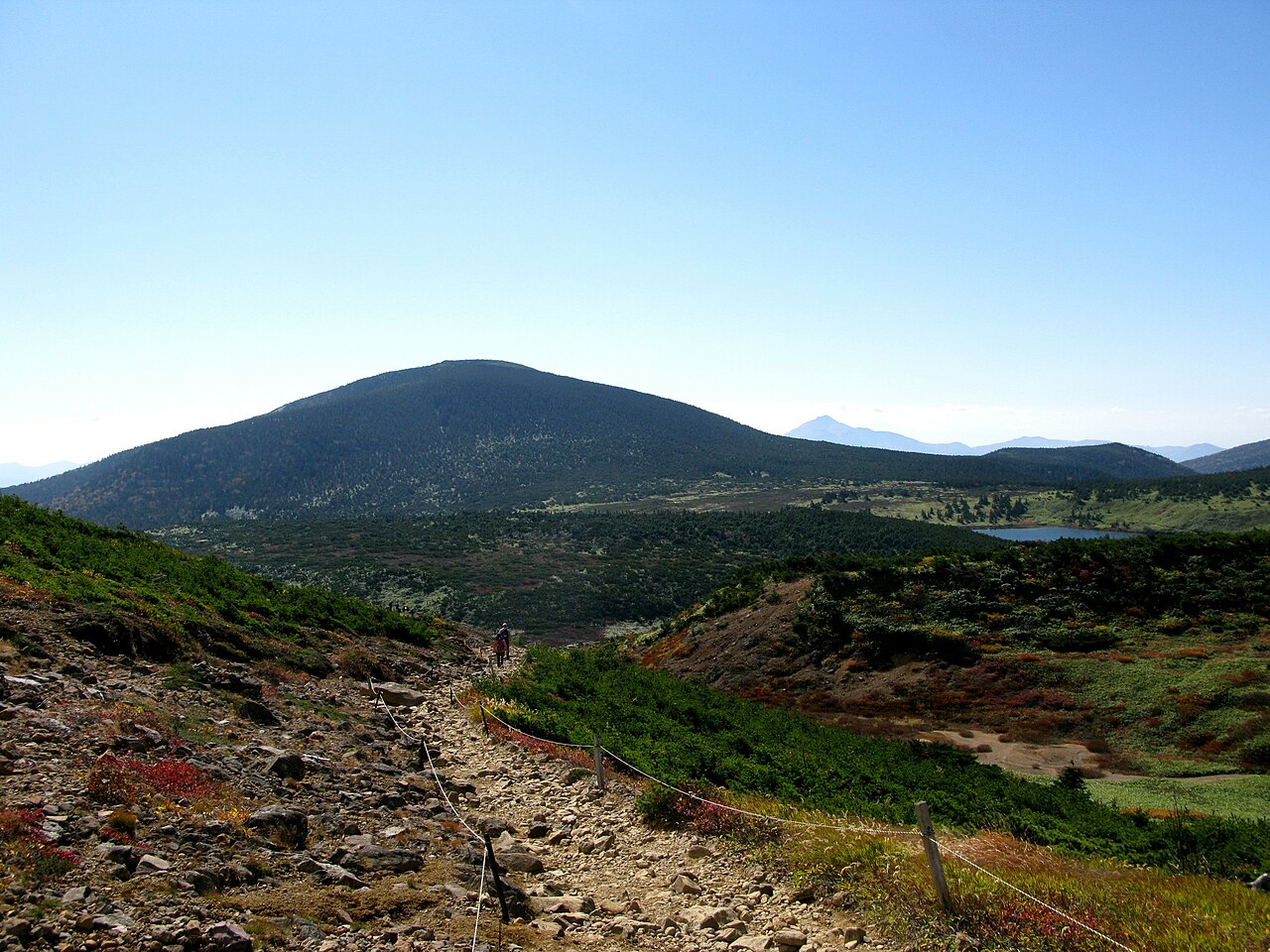
The Goshiki-numa trail (4km, 90 minutes) is perfect for solo hiking. The path is well-marked, relatively flat, and well-frequented enough that you’re never genuinely isolated. The five volcanic ponds display different mineral colors depending on weather and time of day—emerald, cobalt, turquoise—and are particularly stunning in early morning light.
For more serious solo hiking, Mount Bandai (1,816m) offers a 3–4 hour round trip from the Chusha-mae trailhead. The mountain is well-maintained with marked trails; check weather conditions before departing (the Bandai visitor center has English forecasts). Summit views extend over the Aizu basin and the lake-dotted highland.
Season note: Trails are open May through October. Snow arrives in November; the Goshiki-numa trail can be icy in early spring. Carry water and layers regardless of season—mountain weather changes quickly.
Budget Solo Tips
Accommodation: Aizuwakamatsu has several affordable business hotels (¥5,500–8,000/night) near the station. The Goshikinuma Youth Hostel (¥4,000/night) provides direct trailhead access for hikers. Mominoki Inn in Aizuwakamatsu offers guesthouse accommodation with a historically knowledgeable English-speaking owner (¥8,000–12,000/night including breakfast).
Transport: The JR East Tohoku Area Pass covers all Shinkansen travel within the region and provides excellent value for multi-day exploration. The Aizuwakamatsu loop bus day pass (¥600) covers all city sights. Car rental from ¥4,500/day at the stations provides maximum flexibility.
Free and low-cost experiences: The outer moat walk at Tsurugajo (free), the Higashiyama Onsen public bath (¥300), Suehiro Brewery self-guided tour (free with small tasting fee), and the Kitakata kura walking course (free) together provide a full day of cultural experience for under ¥2,000.
Eating solo: Counter-service restaurants throughout the prefecture provide the most natural setting for solo dining. Kitakata ramen (¥750–1,000), convenience store bento for mountain lunches, and izakaya counter seating in the evenings cover all daily meals for ¥2,000–3,000/day.
Fukushima’s solo culture isn’t an accommodation to independent travel—it’s the natural mode for experiencing a prefecture whose best offerings reveal themselves at individual pace, individual timing, and individual depth.