Discovering Fukushima Prefecture: A Complete Sightseeing Guide
Often overlooked by international travelers racing between Tokyo and northern Tohoku, Fukushima Prefecture offers some of Japan’s most authentic historical experiences, dramatic natural landscapes, and poignant cultural stories. From samurai castles to volcanic lakes, from preserved Edo-period villages to massive limestone caverns, Fukushima rewards those who venture beyond the typical tourist trail.
Getting to Fukushima
Fukushima Prefecture is highly accessible from major cities. The JR Tohoku Shinkansen connects Tokyo Station to Koriyama Station in just 80 minutes, making it an easy addition to any Japan itinerary. From Sendai, Koriyama is only 40 minutes south by shinkansen. Koriyama serves as the central hub for exploring the prefecture, with conventional rail lines radiating to most attractions. The Japan Rail Pass covers all JR services in the region, making multi-day exploration economical.
1. Tsurugajo Castle & Aizuwakamatsu: Samurai Heartland
The magnificent Tsurugajo Castle stands as Fukushima’s premier historical attraction and tells one of Japan’s most dramatic stories. Rebuilt in 1965 to its original 1593 design, this castle holds a unique distinction—it’s the only Japanese castle topped with distinctive red roof tiles, which gleam brilliantly against blue skies and create stunning photographic opportunities, especially during cherry blossom season when 1,000 sakura trees encircle its white walls.
But Tsurugajo’s true significance lies in its extraordinary role during the 1868 Boshin War. As Japan rapidly modernized under the new Meiji government, the conservative Aizu domain remained loyal to the shogunate. For one brutal month, Aizu forces held Tsurugajo Castle against the imperial army’s relentless bombardment. The castle museum inside meticulously documents this desperate siege through weapons, armor, personal letters, and battlefield relics. Walking through these exhibits, the human cost of Japan’s modernization becomes powerfully real.
The surrounding Aizuwakamatsu city preserves samurai culture better than almost anywhere in Japan. The former samurai district features traditional architecture, while numerous sake breweries offer tastings of locally-produced nihonshu. Aizu is equally famous for its lacquerware (Aizu-nuri), with shops demonstrating centuries-old techniques. Don’t miss the Higashiyama Onsen district on the city’s eastern edge, where traditional geisha culture continues in atmospheric hot spring inns.
Access is straightforward: take the JR Banetsu West Line from Koriyama Station for approximately one hour to Aizuwakamatsu Station, then a 15-minute bus or taxi to the castle.
2. Byakkotai Memorial: Youth, Loyalty, and Tragedy
Perhaps no story from Japan’s tumultuous Meiji transition resonates more powerfully than that of the Byakkotai (White Tiger Brigade). On Iimori Hill, just outside Aizuwakamatsu, stands a memorial to nineteen 16- and 17-year-old samurai boys who became symbols of unwavering loyalty and heartbreaking miscommunication.
During the 1868 battle, these young soldiers retreated to Iimori Hill. Looking down toward their beloved castle through the smoke and chaos, they saw what appeared to be Tsurugajo engulfed in flames. Unable to bear witnessing their lord’s castle fall and refusing to surrender, eighteen boys committed ritual suicide on the hillside. In reality, only the castle town was burning—the castle itself stood firm. One boy survived to tell their story, which has since become one of Japan’s most poignant tales of samurai devotion.
The graves sit partway up Iimoriyama, accessible either by a moving walkway escalator or stone steps. The location offers a dramatic view directly toward Tsurugajo Castle, allowing visitors to understand exactly what the boys would have seen that fateful day. Bronze monuments mark the suicide site, often adorned with flowers and offerings from visitors moved by the story. A small museum nearby provides historical context.
The memorial is a short bus ride from Aizuwakamatsu Station and can easily be combined with a castle visit in a single day.
3. Ouchi-juku: An Edo-Period Time Capsule
Nestled in the mountains south of Aizu, Ouchi-juku ranks among Japan’s best-preserved post towns from the Edo period (1603-1868). During the shogunate era, this village served as a vital rest stop on the Aizu-Nishi Kaido trade route connecting Aizu with Nikko. When modern highways bypassed the remote valley, Ouchi-juku was essentially frozen in time.
Today, over thirty traditional thatched-roof farmhouses (kayabuki) line the wide main street, all impeccably maintained and now functioning as restaurants, souvenir shops, and minshuku guesthouses. No modern vehicles are permitted on the main thoroughfare, preserving the authentic atmosphere. In winter, when heavy snow blankets the thatched roofs, Ouchi-juku becomes one of Japan’s most photographed scenes—a perfect white landscape of traditional architecture against forested mountains.
Don’t miss trying the local specialty: Takato soba served in a bowl and eaten using a single green onion stalk instead of chopsticks—awkward but memorable! For the best views, climb the stone steps to the small shrine overlooking the village, where the panoramic scene of parallel thatched roofs creates an unforgettable vista.
Access requires taking the Aizu-Tetsudo Line to Yunokami Onsen Station (from Aizuwakamatsu), then a 15-minute bus ride. Due to limited bus schedules, check timetables carefully or consider a rental car for flexibility.
4. Goshiki-numa Lakes & Bandai-Asahi National Park: Nature’s Palette
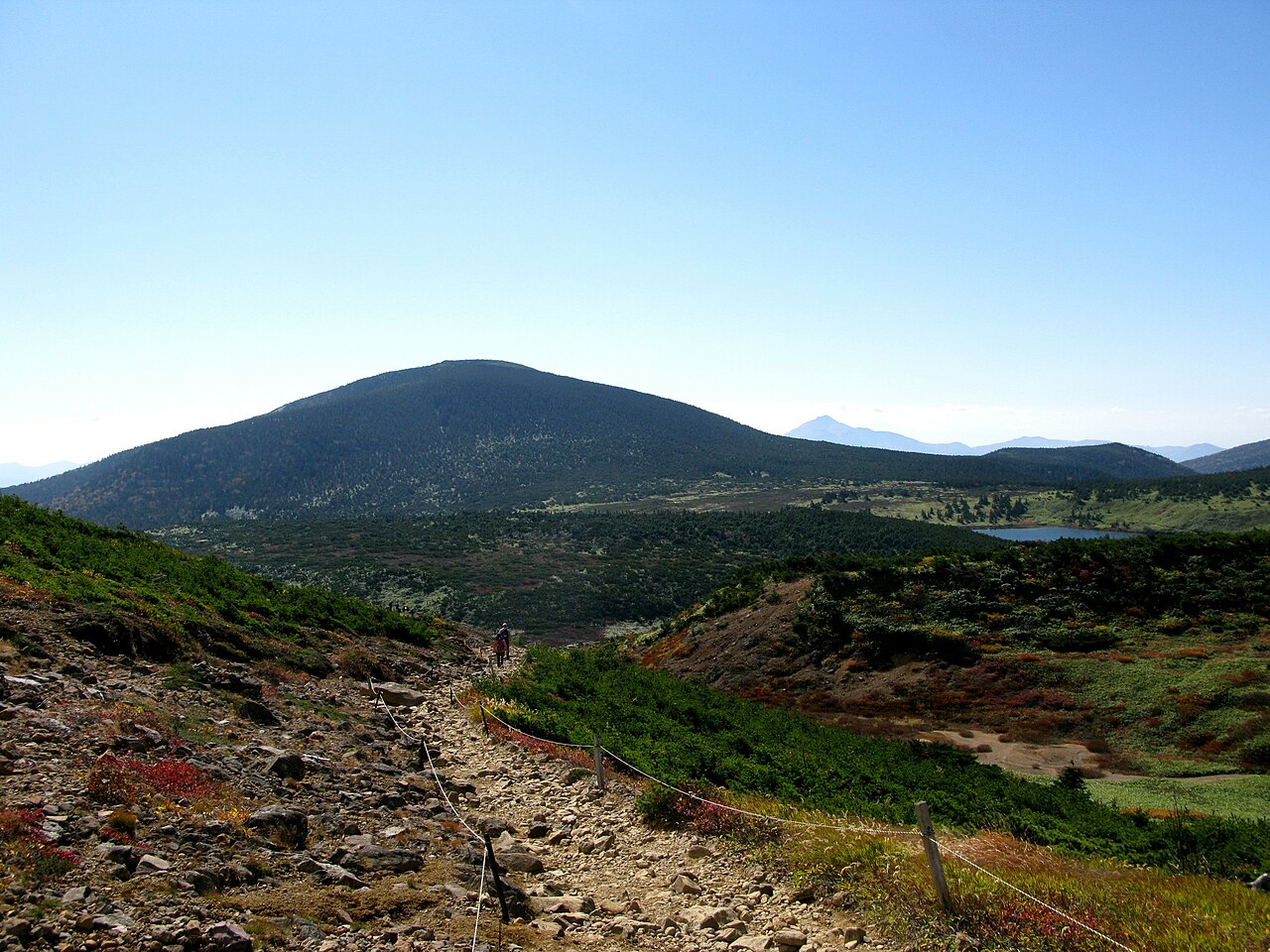
The 1888 eruption of Mount Bandai was catastrophic—but it created something extraordinary. The volcanic debris dammed rivers and streams, forming hundreds of small lakes and ponds. The most spectacular are the Goshiki-numa (Five Colored Lakes), each displaying remarkably different hues due to varying mineral compositions in the water.
The well-maintained 4-kilometer Shizen-kansakuro (Nature Study Path) connects the main ponds, taking about 90 minutes at a leisurely pace. You’ll encounter emerald greens, cobalt blues, milky turquoises, russet browns, and crystalline whites—sometimes all visible from a single viewpoint. The colors shift subtly with weather conditions, season, and time of day, meaning no two visits are identical. Mount Bandai’s distinctive profile looms in the background, a reminder of the volcanic forces that created this landscape.
The trail is relatively flat and suitable for most fitness levels. Autumn foliage (late October to early November) adds additional color layers, while summer greenery provides cool forest shade. Take the bus from Inawashiro Station to Goshiki-numa Iriguchi or Goshikinuma-guchi stops; buses also run from Bandai-Kogen Station.
5. Abukuma Cave: Underground Cathedral
For a complete change of pace, venture underground at Abukuma Cave, one of Japan’s most impressive accessible limestone caverns. Discovered in 1969 and developed for tourism, approximately 600 meters of illuminated passages showcase 80 million years of geological artistry.
The cave maintains a constant 14°C year-round, providing comfortable escape from summer heat or winter cold. The standard route winds through chambers adorned with massive stalactites, delicate stalagmites, flowstone curtains, and translucent rock formations. The undisputed highlight is the “Cathedral Hall”—a 30-meter-high natural cavern whose dramatic scale and formations rival anything in Europe’s famous caves.
Adventurous visitors can tackle the separate “adventure course,” which involves squeezing through narrow passages and scrambling over rocks—wear appropriate clothing and be prepared to get dusty!
Abukuma Cave is located 55 minutes by bus from Koriyama Station, making it an easy half-day excursion.
Suggested Itineraries
Two-Day Cultural Focus: Day 1 - Aizuwakamatsu (Tsurugajo Castle, Byakkotai Memorial, Higashiyama Onsen overnight). Day 2 - Ouchi-juku, return via Koriyama.
Two-Day Nature Focus: Day 1 - Goshiki-numa Lakes, Bandai area overnight. Day 2 - Abukuma Cave, return to Tokyo/Sendai.
Fukushima Prefecture offers profound historical insights, natural beauty, and authentic cultural experiences—all easily accessible yet blissfully uncrowded.