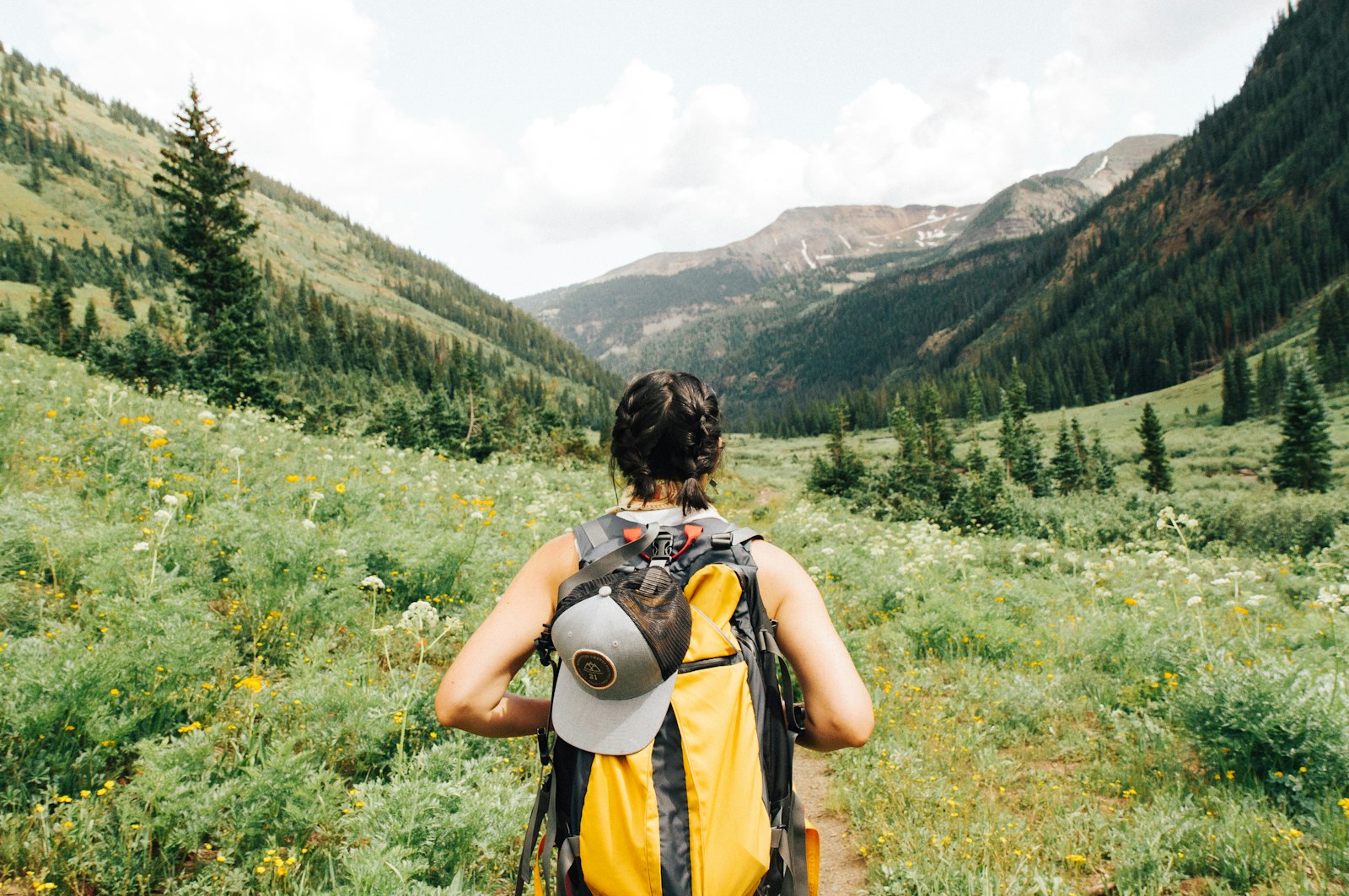
Ibaraki sits just north of Tokyo, yet it draws only a fraction of the tourists who flood Nikko or Kamakura. That gap is exactly what makes it ideal for solo travel. You can step off a Joban Line train at Mito, walk to a centuries-old garden, eat a local specialty at a counter restaurant, and return to Tokyo the same evening without booking a single group tour. The prefecture rewards independent travellers who like to set their own pace, and virtually every major attraction is navigable without a guide.
Getting There and Around Solo
The Joban Line is your backbone. Limited express trains (Hitachi and Tokiwa services) run from Ueno Station to Mito in around 1 hour 20 minutes, with unreserved carriages available for spontaneous travel. A reserved seat costs around ¥3,200 one-way; the unreserved option is slightly cheaper. Load your IC card (Suica or Pasmo) before you leave Tokyo — it works on buses, local trains, and most convenience stores throughout the prefecture.
For a day trip, Mito itself is compact enough to cover on foot. A two-day itinerary lets you add Hitachi Seaside Park or Kashima Jingu without feeling rushed. Three days opens up Tsukuba and the coastal towns.
Beyond Mito, buses connect the station to Kairakuen (around 15 minutes), and seasonal shuttle buses run directly to Hitachi Seaside Park from Katsuta Station. For Kashima Jingu, trains run on the Kashima Line from Itako, which connects to the Joban Line. If you want to explore rural areas like the Kasuma pottery district or farmland in central Ibaraki, car rental from Mito Station is straightforward. International driving permits are accepted, and roads outside the city are uncrowded.
Mito Solo Base
Mito is the prefectural capital and the most logical base for solo travellers. The station area has a full range of business hotels, convenience stores, and restaurants within a ten-minute walk. More importantly, the city is human-scale — you can walk between its main sights without needing taxis or route planning.
Kairakuen is a ten-minute bus ride from the station, or a pleasant 30-minute walk along a tree-lined road. The garden contains around 3,000 plum trees and is ranked among Japan’s three great landscape gardens. Outside the Mito Plum Festival (late February to late March), admission is free. During the festival, entry costs ¥300. The garden is completely self-guided, with English signage identifying varieties and walking paths. Allow 60 to 90 minutes.
Kodokan, a short walk from Kairakuen, was the domain school of the Mito clan in the Edo period. The complex of wooden buildings and landscaped grounds is free to enter and often very quiet, even during tourist season. It makes a natural second stop on a morning garden walk.
Back in central Mito, the Mito Castle Park occupies the former castle grounds. The main tower is gone, but the Kairakuen-en garden remnant and the Ninomaru-kakumon gate are preserved. It is the kind of low-key historical site that solo travellers appreciate — no entrance fees, no crowds, at its best on a clear afternoon.
For lunch, Mito is the capital of natto culture in Japan. Several specialist restaurants near the station serve the fermented soybean dish in its best regional form: on rice with tare sauce, mustard, and an optional raw egg. Counter seating is standard, which means no awkward table-for-one situation. Look for Tengu Natto or Mito Kanmuri branded products in the restaurants and shops around the station.
Hitachi Seaside Park Solo
Hitachi Seaside Park is one of the most visually striking parks in Japan, covering 190 hectares of flower fields, dunes, and woodland north of Katsuta. For solo travellers, the appeal lies in the freedom to cycle through it at your own speed.
Bicycle rental is available at the park entrance for ¥500 per two hours. The layout is straightforward enough that you do not need a map beyond the basic one handed out at the gate. Entry costs ¥450.
The iconic nemophila fields — blue flower carpets spread across Miharashi Hill — are at their peak in late April and early May. For photography without crowds, aim for a weekday morning and arrive when the park opens at 9:30 a.m. The early light is also softer for photography. In mid-October, the same hill transforms into a crimson and orange spectacle when the kochia (burning bush) plants change colour.
What to bring: a light layer even in spring (the coast can be breezy), a charged phone or camera, and snacks from a convenience store near Katsuta Station. The park has food stalls, but weekday mornings see limited options. Give yourself three to four hours for a full solo cycling circuit.
JAXA Tsukuba Space Center
The Japan Aerospace Exploration Agency opens its Tsukuba facility to visitors, and it is one of the most rewarding solo half-days in the entire Kanto region. The Tsukuba Express runs from Akihabara Station in Tokyo to Tsukuba in around 45 minutes (¥1,210 one-way). From Tsukuba Station, a bus to the space center takes about 20 minutes.
The self-guided exhibition hall is free and contains full-scale rocket models, satellite equipment, and Japan’s contributions to the International Space Station. A guided tour of the launch vehicle test facility requires advance booking through the JAXA website — registration is free and opens several weeks before each tour date. Book as early as possible; the English-language tours fill quickly in spring.
The facility caters well to solo visitors: exhibits are clearly labelled in English, the tour group format means you join a small group rather than going alone, and the cafe on site has counter seating. Budget two to three hours for the full experience.
Kashima Jingu Solo
Kashima Jingu is roughly two hours from Tokyo by train (Joban Line to Itako, then the Kashima Line) and rewards the solo traveller who makes the effort. The approach along the main cedar avenue — a shadowed, atmospheric walk under ancient trees — is one of the most serene forest paths in the Kanto region.
Inside the shrine complex, deer roam freely in a deer park adjacent to the main hall, much as they do at Nara. The National Treasure collection includes swords from the Nara period, displayed in a small treasury building (admission ¥500). The entire circuit of the inner and outer shrine areas takes about 90 minutes at a relaxed pace.
Solo mornings here, particularly on weekdays, are genuinely peaceful. The forest absorbs sound, the paths are well-signed in English, and the combination of ancient architecture, deer, and deep cedar shade creates a contemplative atmosphere that suits independent travel well.
Solo-Friendly Eating
Solo dining in Ibaraki is straightforward. Counter seating is ubiquitous across food categories:
Natto restaurants in Mito are purpose-built for single diners. A natto breakfast set — fermented soybeans, rice, miso soup, pickles — costs around ¥600 to ¥900 and is the quintessential local morning meal.
Gyudon and soba shops operate throughout the station area in Mito and along the main shopping arcade. Chains like Yoshinoya and Matsuya have counter rows and no waiting, but Ibaraki also has regional gyudon options featuring Hitachi beef, a local wagyu variety.
Oarai seafood is worth a day trip from Mito. The fishing port restaurants along the coast serve set lunches of grilled Pacific fish for ¥1,200 to ¥2,500. Several have long counter bars. Anko nabe (monkfish hot pot) is the winter specialty from November through March, available at most coastal restaurants for ¥3,000 to ¥6,000 per person.
Tsukuba has university-town dining near the express station: ramen shops, set-lunch teishoku restaurants, and coffee shops with good counter space.
Solo-Friendly Accommodation
Dormy Inn Mito is the top pick for solo travellers. Located a short walk from the station, it offers a rooftop communal bath (onsen water), individual room sizes well suited to solo stays, and a free late-night ramen service. Rates run ¥8,000 to ¥14,000 per night for a single room.
APA Hotel Mito Ekimae is the budget choice: functional, reliable, and directly adjacent to the station. Singles from ¥6,000 per night.
In Tsukuba, the Okura Frontier Hotel Tsukuba is a step up in comfort with rates from ¥10,000 to ¥20,000, well placed for JAXA visits and Mt. Tsukuba hikes. Budget guesthouses in Mito and Hitachinaka start from ¥4,000 per night for dormitory or private rooms.
Safety and Practical Tips
Ibaraki is extremely safe for solo travellers. Crime rates are low, station staff are accustomed to tourists and can assist with basic queries in English, and Google Maps works accurately on both trains and buses throughout the prefecture.
Language: A translation app (Google Translate camera mode) is useful at smaller restaurants without picture menus. Station signage is bilingual throughout the Joban Line corridor.
Bloom forecasts: Both Hitachi Seaside Park and Kairakuen publish daily bloom updates on their official websites during peak seasons. Check these the day before your visit to confirm timing.
Car hire: International driving permit holders can rent from Nippon Rent-A-Car or Toyota Rent-a-Car branches at Mito Station. Solo driving in rural Ibaraki is uncomplicated. Roads are well-signed, traffic outside Mito is light, and parking at most attractions is free or ¥300 to ¥500.
IC card: Load at least ¥3,000 on your Suica or Pasmo before leaving Tokyo. It will cover all local buses and trains without needing to buy individual tickets.
Suggested 3-Day Solo Itinerary
Day 1 — Mito Base Morning: Arrive at Mito on a Joban Line limited express from Ueno (1h20m). Check into hotel. Walk to Kodokan (free). Bus or walk to Kairakuen (free outside festival season). Afternoon: Mito Castle Park and shopping arcade. Evening: Natto dinner at a specialist counter restaurant near the station.
Day 2 — Hitachi Seaside Park and Coast Morning: Train from Mito to Katsuta (10 min, ¥210). Seasonal shuttle bus to Hitachi Seaside Park (¥300 return in season). Cycle the flower fields (3–4 hours, ¥450 entry + ¥500 bike rental). Afternoon: Return to Katsuta, then local bus or taxi to Oarai. Pacific seafood lunch at a harbour restaurant. Isosaki Shrine torii photo stop. Return to Mito by bus or taxi.
Day 3 — Tsukuba Space Center Morning: Tsukuba Express from Akihabara in Tokyo (or return to Tokyo first, 45 min). Bus to JAXA Tsukuba Space Center. Self-guided exhibition hall (free) plus guided tour if pre-booked. Afternoon: Coffee in Tsukuba city centre near the station. Optional: Mt. Tsukuba ropeway and summit view (¥1,100 return). Tsukuba Express back to Akihabara.