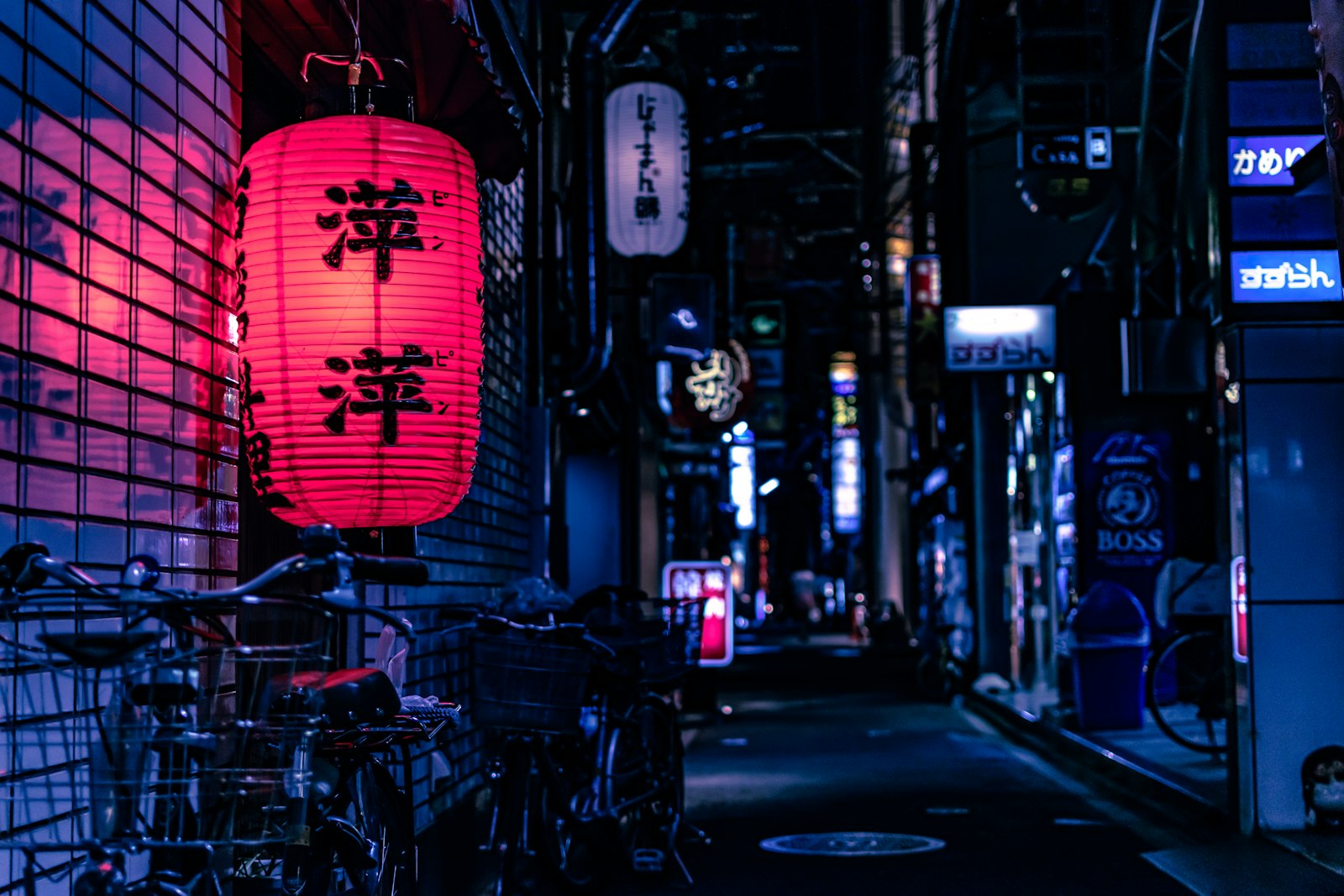
Ishikawa Prefecture contains two of Japan’s finest accommodation experiences: Kanazawa — the best-preserved Edo-period city outside Kyoto — and Kaga Onsen — four historic hot spring towns that have welcomed travellers since the 8th century. Since the Hokuriku Shinkansen extension opened in March 2024, both are now easily reachable from Tokyo in 2.5 hours.
Best Areas to Stay
Kanazawa — City Ryokan & Boutique Hotels
Japan’s most intact samurai-era city with two preserved geisha districts (Higashi Chaya and Nishi Chaya), the finest feudal garden (Kenrokuen), and an extraordinary craft tradition (gold leaf, Kutani ceramics, Kaga Yuzen silk). Best for: culture travellers, foodies, craft lovers.
Kaga Onsen — Four Historic Hot Spring Towns
Awazu, Yamanaka, Yamashiro, and Katayamazu — four distinct onsen resorts within 20 km of each other, each with a different spring character and cultural speciality. Best for: onsen devotees, couples, luxury seekers.
Noto Peninsula
A remote finger of land jutting into the Sea of Japan — farm-stay accommodation on cliff-edge terraced rice fields (Shiroyone Senmaida), small fishing village inns, and some of Japan’s best winter seafood. Best for: adventurous travellers, sustainable travel, Japanese rural life.
Kanazawa Hotels & Ryokan
Hotel Kanazawa ⭐⭐⭐⭐⭐
The most prestigious hotel in Kanazawa — a member of Preferred Hotels & Resorts. Japanese contemporary design, an exceptional restaurant serving Kaga cuisine (Kanazawa-style multi-course cooking using local Noto seafood and mountain vegetables), and impeccable service. Area: Kenrokuen/Castle Park.
Hyatt Centric Kanazawa ⭐⭐⭐⭐⭐
The international luxury brand that came to Kanazawa post-Shinkansen. Excellent rooftop bar, large rooms by Japanese city standards, and a location within walking distance of the three geisha districts. Area: Katamachi.
Kanazawa Hakuchoro Hotel Sanraku (Boutique)
A ryokan-style boutique hotel in the Higashi Chaya (Eastern Teahouse) geisha district — the most atmospheric location in the city. The sounds of shamisen practice drift from the ochaya teahouses on certain evenings. ¥22,000–¥45,000/pp.
Yadoru Kanazawa (Machiya)
A series of converted machiya townhouses available as private rentals throughout the Higashi Chaya and Kazuemachi geisha districts. Sleeping 2–6 people, with tatami rooms, private garden, and full kitchen. An authentic Kanazawa experience for those who want a home base.
Kaga Onsen Ryokan
Beniya Mukayu, Yamanaka ⭐⭐⭐⭐⭐
One of Japan’s most celebrated small luxury ryokan — 18 rooms only, each unique in design. The kaiseki uses Noto seafood (particularly snow crab in winter), locally farmed vegetables, and is paired with local sake. The outdoor bath overlooks a moss garden. Consistently rated among Japan’s top 10 ryokan. ¥60,000–¥120,000/pp.
Kayotei, Yamanaka ⭐⭐⭐⭐⭐
A riverside inn known for its literary atmosphere — Matsuo Basho visited Yamanaka Onsen and the inn preserves this connection. Only 12 rooms. Outstanding kaiseki. ¥50,000–¥90,000/pp.
Awazu Onsen Ro-Tei (Mid-Range)
A well-maintained ryokan in Awazu — Japan’s oldest continuously operating onsen (since 717 CE according to legend). Multiple bath types, excellent local cooking, and the quietest of the four Kaga towns. ¥22,000–¥38,000/pp.
Noto Peninsula Accommodation
Lamp no Yado (Suzu City)
A remote cliff-edge inn at the northernmost tip of the Noto Peninsula — accessible only by car on a narrow coastal road. 17 rooms facing the Sea of Japan. Lantern lighting at night (no electricity in the traditional rooms), fresh crab and sea urchin dinner. Reservations taken 6 months ahead. ¥30,000–¥60,000/pp.
Noto Farmstay (Various Locations)
Shiroyone Senmaida (Thousand Terraces) farm-stay accommodation puts guests in working traditional farmhouses on the cliff-edge rice terraces. Assistance with rice planting (May) or harvest (September) available. Contact the Noto Peninsula Tourism Bureau. ¥8,000–¥15,000/pp.
Practical Tips
- Hokuriku Shinkansen (since 2024): Kanazawa now connects to Tokyo’s Ueno Station in 2.5 hours — no longer the remote destination it once was. This has increased booking competition significantly; reserve well ahead.
- Kaga Onsen pass: The four Kaga Onsen towns issue a combined bath entry pass allowing visits to multiple ryokan public baths in a single day. Ask at your accommodation.
- Snow crab season: November to March is Ishikawa’s finest food season — the Zuwaigani (snow crab) from the Noto/Kaga coast is Japan’s most celebrated crab. Ryokan kaiseki during this period often centres on crab courses.
- Kenrokuen early entry: The garden opens at 7:00 a.m. in summer — arrive at opening and you’ll have the paths largely to yourself. Most tour groups arrive after 9 a.m.
- Noto Peninsula road conditions: The 2024 Noto earthquake (January 1) caused road damage in the peninsula. Check current access conditions before booking remote Noto accommodation.