Iwate Prefecture Events and Festivals Guide for International Visitors
Iwate Prefecture, Japan’s second-largest prefecture by area, offers visitors a rich tapestry of cultural festivals that showcase centuries-old traditions, stunning natural beauty, and the warm hospitality of the Tohoku region. From thunderous drum parades to sacred horse processions, these events provide unforgettable windows into northern Japan’s heritage.
Chagu-Chagu Umakko: The Jingling Horse Parade
When: Second Saturday of June (typically June 8-14)
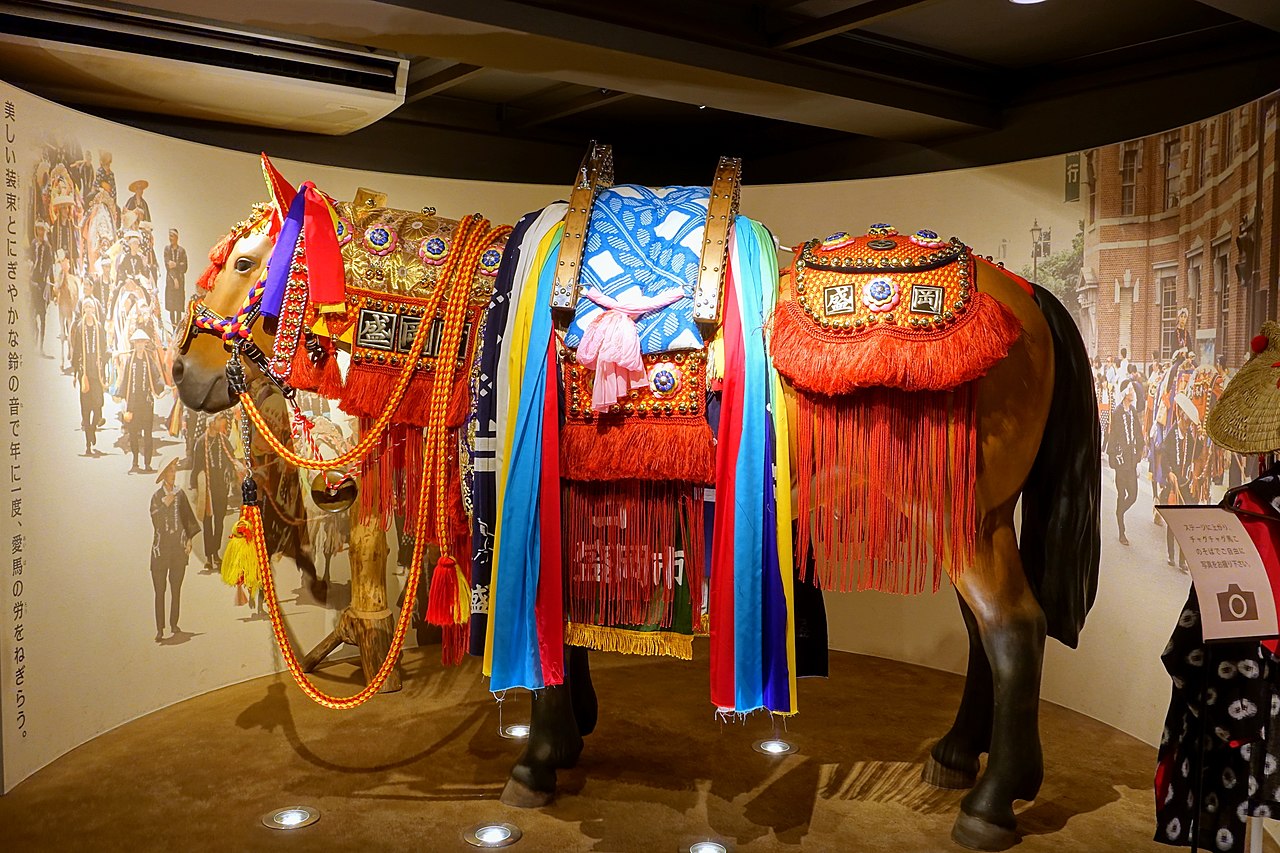
The Chagu-Chagu Umakko represents one of Japan’s most enchanting festivals, where approximately 100 magnificently decorated horses parade 15 kilometers from Takizawa’s Onikoshi Sozen Shrine to Morioka Hachimangu Shrine. The festival’s name derives from the “chagu-chagu” sound of dozens of bells attached to each horse’s colorful ceremonial harness.
History and Significance
Dating back over 200 years, this festival originated as a gesture of gratitude to horses—essential partners in Iwate’s agricultural development. Farmers would adorn their horses in their finest regalia to thank them for their year-round labor. Designated as a National Intangible Folk Cultural Property, the event celebrates the deep bond between humans and horses that defined rural Japanese life.
Parade Route and Timing
The procession begins at Onikoshi Sozen Shrine around 9:00 AM and concludes at Morioka Hachimangu Shrine approximately six hours later, arriving between 2:00-3:00 PM. The parade winds through scenic countryside before entering central Morioka, passing along Morioka Station Avenue.
Photography and Viewing Tips
For photographs, position yourself near Onikoshi Sozen Shrine for the colorful departure ceremony, where horses wear their most elaborate decorations against the shrine’s traditional architecture. The section along the Kitakami River (around 11:00 AM) offers stunning natural backdrops. In Morioka city center, Odori Street provides urban contrast to the traditional spectacle.
Arrive early at any viewing spot—crowds gather quickly. The finish at Morioka Hachimangu (from 2:00 PM) features ceremonies worth witnessing, though it becomes extremely crowded. Respectful distance from horses is essential; handlers appreciate observers who remain calm and don’t startle the animals.
Morioka Sansa Odori: Drums That Shake the Earth
When: August 1-4 annually
Tohoku’s largest drum festival transforms central Morioka into a thunderous celebration of rhythm and movement. Holding a Guinness World Record for the “largest Japanese taiko drum ensemble,” this spectacular event features over 10,000 dancers and drummers performing simultaneously.
The Festival Experience
Each evening from 6:00-9:00 PM, colorful parade groups wind through a 700-meter route along Odori Street and Chuo-dori Avenue near Morioka Station. Traditional taiko drums create reverberating rhythms while dancers in vibrant yukatas perform synchronized choreography. The atmosphere combines precision performances with infectious celebration—spectators often find themselves swaying to the hypnotic beats.
Joining the Dance
International visitors can participate in the Sansa Odori Parade! The basic steps and hand movements are surprisingly accessible, even for beginners. Each night concludes with the “Sansa Odori Mass Dance Circle” (approximately 8:30 PM), where anyone can join dancers in the city center. Local tourist offices provide instruction videos beforehand, and friendly participants will guide newcomers through the movements.
Optimal Viewing
For photography and video, arrive by 5:00 PM to secure spots along the route near Morioka Odori intersection. Reserved seating areas are available for advance purchase through Morioka Tourism. The final night (August 4) traditionally features the most spectacular performances and largest crowds.
Hiraizumi Fujiwara Festivals: Time Travel Through UNESCO Heritage
Spring Festival (Early May) | Autumn Festival (Early November)
The ancient capital of Hiraizumi hosts two magnificent historical pageants celebrating the powerful Fujiwara clan who ruled this region during the 11th-12th centuries. These festivals bring history to life against the backdrop of UNESCO World Heritage temples and gardens.
Historical Pageants and Performances
The highlight of both festivals is the dramatic reenactment of feudal processions, featuring hundreds of participants in authentic Heian-period costumes. Warriors in full armor, court nobles in elaborate silk robes, and retainers carrying banners parade through Hiraizumi’s historic streets, recreating the glory days of the Northern Fujiwara dynasty.
The sacred Ennen no Mai dance performances at Chusonji Temple represent centuries-old Buddhist performing arts. These graceful, precisely choreographed dances were originally performed to entertain deities and honor the dead. The slow, meditative movements and traditional court music create mesmerizing atmospheres, particularly during the Spring Festival when cherry blossoms frame Chusonji’s Golden Hall.
Procession Routes
Parades typically proceed from Chusonji Temple through central Hiraizumi to Motsuji Temple, passing several UNESCO World Heritage sites. The Spring Festival benefits from sakura blooms (peak early-mid May), while the Autumn Festival showcases fiery momiji foliage against temple architecture.
Photography is permitted during processions, though restrictions apply inside temple sacred areas during ritual performances. The autumn festival often features archery demonstrations and period weaponry displays particularly appealing to history enthusiasts.
Tono no Mukashibanashi: Legends Come Alive
When: Year-round at Tono Furusato Village; special events during Golden Week and summer
Tono, immortalized in Kunio Yanagita’s “Legends of Tono,” hosts storytelling performances that preserve Japan’s folk heritage. At Tono Furusato Village, professional storytellers recount tales of kappa (water spirits), zashiki-warashi (house spirits), and other yokai in traditional magariya farmhouses.
Performances occur regularly on weekends and daily during peak seasons. The atmospheric settings—around irori hearths in century-old buildings—transport visitors to Japan’s mystical past. While primarily in Japanese, English pamphlets outline major stories, and the theatrical delivery transcends language barriers.
Iwate-san Alpine Plant Festival
When: Early August (peak bloom typically August 1-15)**
Mount Iwate’s summit transforms into a wildflower wonderland during brief alpine summer. Though not a formal festival with scheduled events, this natural spectacle attracts hikers to witness rare alpine flora blooming at 2,038 meters elevation.
The Yanagisawa Course offers the most accessible wildflower viewing. Species include Iwate-toranoo (Iwate’s namesake flower), alpine forget-me-nots, and mountain azaleas. Clear August mornings provide optimal conditions before afternoon clouds typically obscure views.
Annual Calendar and Booking Strategy
Peak Event Accommodation Timeline:
- Morioka Sansa Odori (August 1-4): Book 3-4 months ahead; Morioka hotels fill completely
- Chagu-Chagu Umakko (mid-June): Reserve 1-2 months prior
- Hiraizumi Festivals: Book 4-6 weeks ahead; consider Ichinoseki as alternative base
- Iwate-san hiking season (July-September): Mountain huts require advance reservations
Recommended Visit Windows:
Late April-early May combines Hiraizumi Spring Festival with cherry blossoms; June offers pleasant weather for Chagu-Chagu Umakko; August maximizes festival experiences though accommodation challenges increase.
For optimal experiences, international visitors should coordinate with Iwate Tourism Association’s English website for precise dates, as some festivals follow traditional calendar systems varying annually.