Family Travel Guide to Iwate Prefecture: Adventure Awaits in Northern Japan
Iwate Prefecture, nestled in the mountainous Tohoku region, offers families an authentic Japanese experience away from the tourist crowds. With mystical caves, folklore creatures, literary heritage, and unique cultural traditions, Iwate provides children with unforgettable adventures while introducing them to rural Japanese life.
1. Ryusendo Cave: An Underground Adventure
Why Kids Love It
Ryusendo Cave ranks among Japan’s most spectacular limestone caverns and consistently captivates young explorers. The cave features three stunning underground lakes with water so clear and blue that children often mistake them for swimming pools. The deepest lake plunges 120 meters, making it Japan’s third-deepest. The illuminated pathways create a magical atmosphere, and spotting the resident bat colony (over 5,000 bats of five species) thrills wildlife-loving kids. The cave maintains a cool 10°C year-round, providing refreshing respite during summer.
Safety and Access
The main tourist route is well-maintained with handrails, electric lighting, and clearly marked paths. However, expect approximately 700 stairs and some steep sections, making baby carriers more practical than strollers. Children should wear comfortable, non-slip shoes as pathways can be wet. The walk takes about 30 minutes at a family-friendly pace.
Located in Iwaizumi town, Ryusendo is accessible by bus from Morioka Station (2 hours) or by rental car. The cave stays open year-round except New Year’s holidays. Arrive early during summer weekends to avoid crowds. Admission: ¥1,000 adults, ¥500 children.
2. Tono Kappa Legends: Meeting Mischievous Water Sprites
Kappabuchi Pool
Tono City is Japan’s folklore capital, famous for kappa tales—mischievous water creatures resembling turtle-human hybrids. At Kappabuchi pool, beside the atmospheric Jokenji Temple, children can try catching kappa using cucumber-baited fishing rods (provided free). While they won’t catch real kappa, the experience engages children’s imaginations in Japanese mythology. The red-capped Jizo statues surrounding the pool add mystical charm.
Finding the Green Kappa
Throughout Tono, over 30 kappa statues hide in unexpected places—on buildings, bridges, and shops. Create a family scavenger hunt by photographing as many as possible. The tourist information center provides kappa maps.
Tono Furusato Village
This open-air museum recreates Edo-period farming villages with traditional magariya (L-shaped farmhouses). Children can participate in hands-on activities: rice-cake pounding, horseback riding, traditional crafts, and meeting farm animals. The storytelling sessions about local legends (some in English) bring kappa tales to life. The village also offers casual dining featuring regional specialties.
3. Wanko Soba Challenge: Competitive Eating, Family Style
Wanko soba represents Iwate’s most entertaining dining tradition. Servers continuously place small bowls of buckwheat noodles before diners until they signal defeat by placing a lid on their bowl. The ritualized chanting and rapid-fire service delight children.
Age-Appropriate Fun
Children as young as five can participate (parental discretion advised). Elementary-age kids typically consume 10-30 bowls, teenagers 30-60, while adults average 40-80 bowls. One wanko soba serving equals approximately 15 regular bowls. Many restaurants provide completion certificates and prizes, making it feel like an achievement.
Recommended family-friendly venues in Morioka include Azumaya Honten and Hatsukoma, both offering English menus and patient staff accustomed to families. Expect ¥3,000-4,000 per person. Pro tip: Eat slowly initially—the pace intensifies!
4. Miyazawa Kenji Memorial Museum: Literary Magic
Located in Hanamaki, this museum celebrates Japan’s beloved children’s author Miyazawa Kenji (1896-1933), creator of “Night on the Galactic Railroad” and numerous fairy tales. The interactive exhibits engage children through:
- Multimedia presentations of his stories
- A room recreating his writing desk and personal effects
- Nature walks through the surrounding Kenji-inspired landscape
- The adjacent “Forest of Fairy Tales” with story-themed play structures
Even children unfamiliar with Miyazawa’s work enjoy the imaginative exhibits. The museum shop sells beautifully illustrated English translations, perfect for continuing the literary journey at home. The nearby Miyazawa Kenji Dowa Village offers additional play areas and seasonal flower displays.
Access: 15 minutes by bus from Shin-Hanamaki Station. Admission: ¥350 adults, ¥150 children.
5. Morioka for Kids: Castle Town Exploration
Morioka Castle Ruins Park
Though the castle itself no longer stands, the impressive stone walls create natural climbing adventures (supervised). Cherry blossoms make spring visits spectacular, while autumn foliage dazzles. The park’s spaciousness allows children to run freely—a rarity in Japan.
Morioka Zoo
This modest zoo focuses on cold-climate animals including Japanese black bears, seals, and red pandas. The petting area and pony rides appeal to younger children. Located in Takamatsunoen Park, the surrounding playground equipment and open spaces encourage extended visits.
Riverbank Activities
The Kitakami and Nakatsu rivers intersect in central Morioka, offering cycling paths perfect for family bike rides (rentals available). Summer brings riverbank festivals and fireworks. Winter ice cream shops create interesting seasonal contrasts.
6. Chagu-Chagu Umakko: The Horse Festival
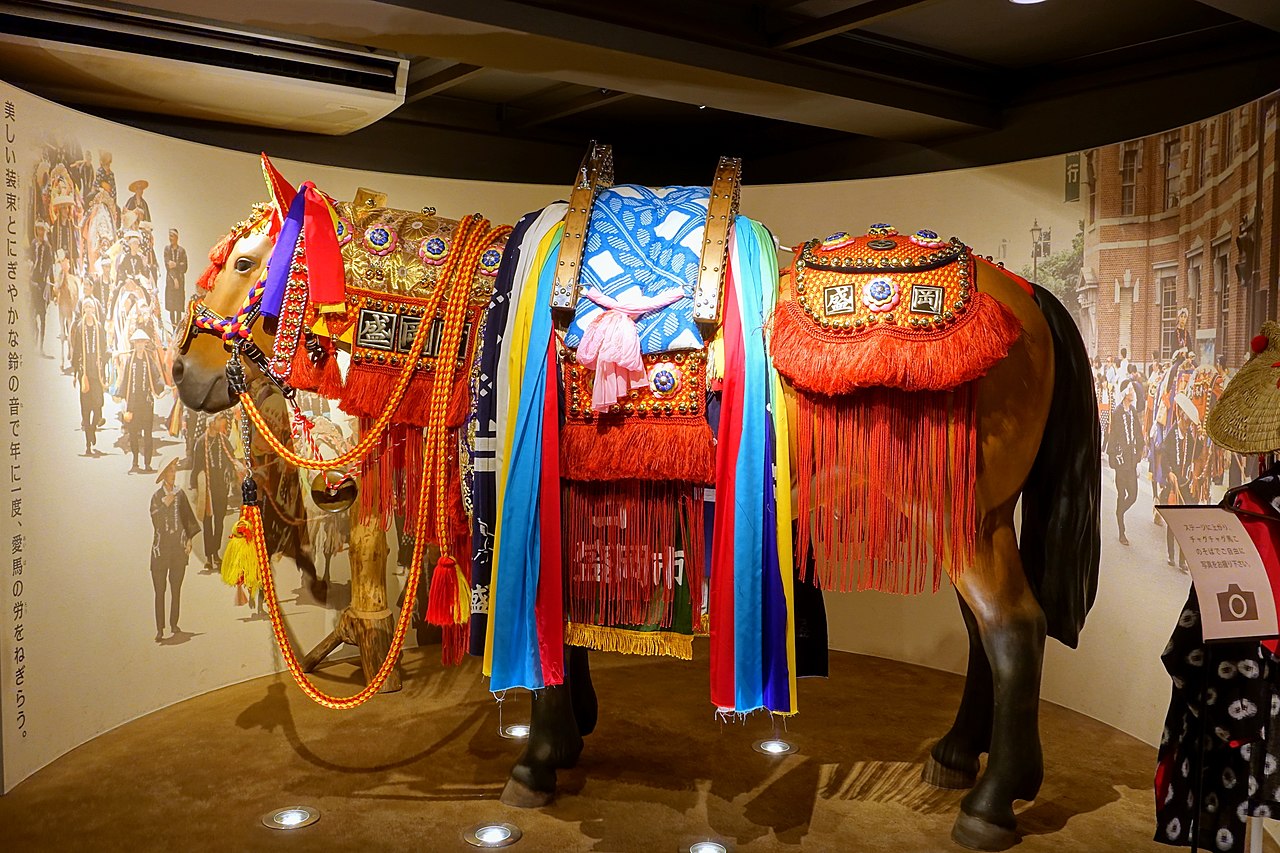
Held the second Saturday of June, Chagu-Chagu Umakko showcases approximately 100 brilliantly decorated horses and foals parading 14 kilometers from Takizawa to Morioka. The name mimics the jingling sounds of bells adorning the horses.
Children adore the colorfully costumed horses, traditional music, and festive atmosphere. The parade passes through rural landscapes and urban streets, with numerous viewing spots. Arrive early at Morioka Hachiman Shrine (the endpoint) where horses receive blessings and children can approach them closely under supervision.
This UNESCO Intangible Cultural Heritage event perfectly combines cultural education with visual spectacle—no special planning required beyond the fixed date.
7. Practical Planning for Families
Family-Friendly Ryokan
- Tsunagi Onsen area (near Morioka): Several ryokan offer family rooms, private baths, and kid-friendly kaiseki meals
- Hanamaki Onsen: Multiple large resort-style onsen hotels with game rooms, kids' pools, and buffet dining
- Geto Onsen: Mountain retreat perfect for nature-loving families (summer hiking, winter skiing nearby)
Outdoor Activities
- Summer: Hiking Mount Iwate (family routes available), river rafting (age 6+), berry picking
- Autumn: Apple orchards, farm experiences, autumn leaf viewing
- Winter: Skiing at Appi Kogen or Geto Kogen, snow festivals
- Spring: Cherry blossom viewing, farm animal births
Seasonal Planning
- Best overall: May-June (mild weather, festival season) or September-October (autumn colors, harvest activities)
- Avoid: Mid-winter (heavy snow complicates travel) and Golden Week (early May crowds)
- Summer advantages: School holidays, outdoor festivals, warm cave visits
Getting Around
Renting a car significantly improves flexibility, especially for families. Many attractions lack convenient public transport connections. Morioka serves as the logical base, with excellent bullet train connections to Tokyo (2.5 hours).
Iwate Prefecture rewards families seeking authentic cultural immersion combined with natural adventure—where children encounter kappa instead of cartoon characters, and memories form around shared noodle challenges and underground lakes.