Leisure Activities Guide to Iwate Prefecture
Iwate Prefecture, located in northern Honshu’s Tohoku region, offers international visitors an authentic Japanese experience far from the crowded tourist circuits. From UNESCO World Heritage sites to folklore villages and coastal adventures, Iwate combines cultural depth with natural beauty. This guide explores the prefecture’s most rewarding leisure activities.
1. Exploring Hiraizumi by Bicycle
Hiraizumi, a compact town housing UNESCO World Heritage sites from the 12th-century Northern Fujiwara clan, is ideally explored by bicycle. The flat terrain and well-maintained cycling paths make this the perfect way to appreciate multiple sites in a single day without rushing.
Key Sites: Start at Chuson-ji Temple, famous for its golden Konjikido hall, then cycle to Motsu-ji Temple with its Pure Land garden, and finish at Muryoko-in Temple ruins. The entire route covers approximately 10 kilometers through peaceful countryside.
Rental Options: Multiple rental shops operate near Hiraizumi Station, with standard bicycles costing ¥500-800 per day and electric-assist bikes around ¥1,500. Try Hiraizumi Rent-a-Cycle (directly at the station) or inquire at the tourist information center. Most shops provide English maps highlighting cycling routes, parking areas, and estimated travel times between sites.
Tips: The terrain is genuinely flat—comfortable for all fitness levels. Spring (cherry blossoms) and autumn (fall foliage) offer spectacular scenery. Allow 4-6 hours for a leisurely pace with temple visits. Purchase a combined entrance ticket (¥1,200) covering major sites to save money.
2. Tono Folklore Immersion
Tono, nestled in mountainous central Iwate, preserves Japan’s folkloric traditions like few other places. This region inspired Kunio Yanagita’s landmark “Legends of Tono,” documenting supernatural tales of kappa (water sprites) and zashiki-warashi (house spirits).
Magariya Farmhouse Stays: These distinctive L-shaped farmhouses traditionally housed both families and horses under one roof. Several offer overnight stays where guests experience rural life, traditional hearth cooking, and storytelling sessions. Expect to pay ¥8,000-12,000 per person with meals. Book through Tono City Tourism Association, which offers English assistance.
Kappa Pool Visits: Kappabuchi Pool, a sacred spot where kappa supposedly live, features a small shrine and cucumber offerings (kappa’s favorite food, according to legend). While atmospheric, it’s genuinely small—spend 20 minutes here as part of a broader Tono exploration.
Denshoen Folk Village: This open-air museum (¥320 entrance) recreates historic Tono with relocated magariya farmhouses, working horse stables, and craft demonstrations. Visitors can try traditional activities like bamboo crafts, rice straw work, and listen to local storytellers (mukashibanashi). English signage is limited but the visual experience transcends language barriers. Allow 2-3 hours.
3. Nanbu Tekki Ironware Workshops in Morioka
Morioka, Iwate’s capital, has produced nanbu tekki cast-iron teapots and cookware for over 400 years. These items, prized by tea ceremony practitioners worldwide, feature distinctive hobnail patterns and exceptional craftsmanship.
Hands-On Casting Experiences: Several workshops offer visitors the chance to create their own small iron piece. Morihisha Foundry and Oitomi Ironworks provide experiences (typically ¥3,000-5,000, 1-2 hours) where you pour molten iron into molds for paperweights or small decorative items. Advance reservation essential; some workshops accommodate English speakers with notice.
Shopping for Authentic Pieces: Authentic teapots range from ¥15,000 to ¥100,000+ depending on size and artisan. For guaranteed quality, visit Kama-ichi (釜市), a specialty shop near Morioka Station, or the Kogei Gallery in the Zaimokucho historic district. Staff can explain proper care—nanbu tekki teapots last generations with minimal maintenance. Smaller items like trivets and incense holders (¥2,000-5,000) make excellent souvenirs.
4. Glass-Bottom Boat Tours at Jodogahama Beach
Jodogahama, meaning “Pure Land Beach,” near Miyako City features dramatic white volcanic rock formations against azure waters. The beach earned its name when an 18th-century priest compared its beauty to Buddhist paradise.
Glass-bottom boat tours (¥1,400 adults, 40 minutes) depart regularly April-November, revealing underwater kelp forests and colorful fish through clear viewing panels. The boats navigate through towering rock formations and sea caves inaccessible otherwise. Book at the beach’s marine house—no advance reservation typically needed except summer weekends. Swimming is possible June-August in calm, designated areas.
5. Sea Kayaking and Boat Cruises Along the Sanriku Coast
The Sanriku Coast’s ria coastline—characterized by countless inlets, cliffs, and islands—rivals Japan’s most scenic seascapes.
Sea Kayaking: Several outfitters near Tanohata and Miyako offer guided tours (¥8,000-12,000, 2-4 hours) suitable for beginners. Paddle through sea caves, along towering cliffs reaching 200 meters, and past secluded beaches. Tours operate May-October; June-September offers warmest conditions. Equipment and instruction provided. Book through Iwate Kenko Land or local tourism associations.
Boat Cruises: The Kitayamazaki Scenic Boat Cruise (¥1,650, 50 minutes) showcases the coast’s highlights with multilingual audio guides. The longer Rikuchu-Kaigan Cruise options explore broader sections with commentary about the 2011 tsunami recovery—handled respectfully while explaining the coast’s resilience.
6. Wanko Soba Eating Challenge
Wanko soba represents Iwate’s most distinctive culinary experience. Servers continuously add small bowls of buckwheat noodles to your stack until you signal surrender by placing a lid on your bowl. The tradition supposedly originated from hospitality practices for important guests.
Average diners consume 40-60 bowls (equivalent to 2-3 regular portions). Competitive eaters exceed 200. The experience costs ¥3,000-4,000 including condiments like grated daikon, nori, and wasabi. Top venues include Azumaya and Chojiya in Morioka—no reservation needed but expect waits during lunch hours. The rapid-fire service, enthusiastic encouragement, and playful atmosphere make this genuinely memorable.
7. Nanbu Hikiuta Traditional Folk Music
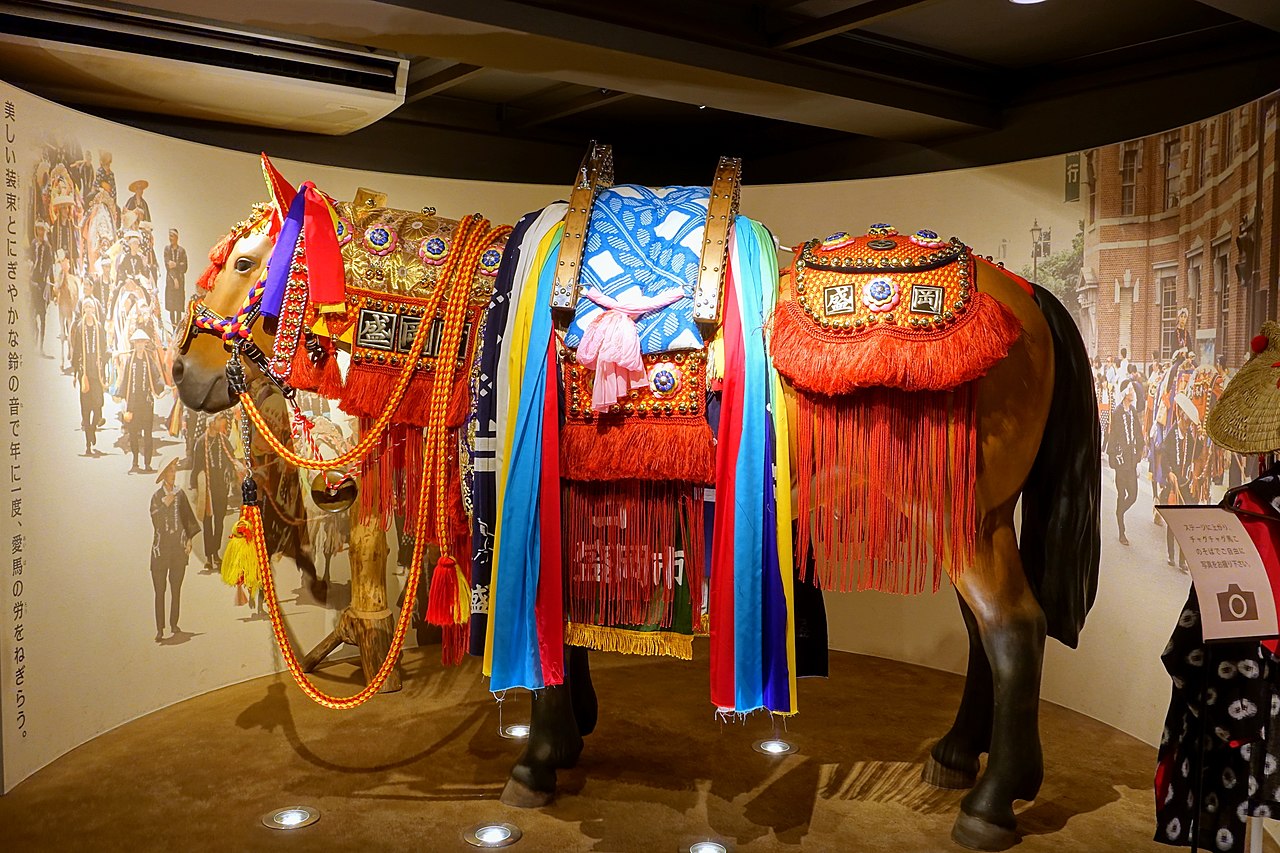
These “southern pulling songs” accompanied horse-cart drivers through mountain passes. The haunting, sustained melodies—designated Important Intangible Folk Cultural Property—evoke Iwate’s rugged landscape.
Catch performances at Morioka’s Hoppo Bunka Museum (occasional), during festivals like Takizawa Komakouta Festival (June), or arrange private performances through tourism associations. Some izakayas in Morioka’s entertainment districts feature informal nanbu hikiuta evenings where local practitioners gather.
Practical Information
Best Seasons: May-June and September-October offer mild weather and fewer crowds. July-August can be humid; winter (December-March) brings heavy snow.
Booking: Reserve accommodations and workshops 2-4 weeks ahead. Contact Iwate Prefecture Tourism Association for English assistance.
Getting Around: JR East Pass (Tohoku area) offers good value. Rent cars for coastal areas where public transport is limited.
Budget: Daily costs average ¥12,000-18,000 (accommodation, food, activities) mid-range; budget travelers can manage ¥7,000-9,000.
Iwate rewards visitors seeking cultural authenticity and natural beauty without overtourism’s pressures—an increasingly rare combination in modern Japan.