Sacred Iwate: A Spiritual Journey Through Japan’s Northern Power Spots
Iwate Prefecture, stretching from the rugged Sanriku coast to the sacred peaks of the Ōu Mountains, harbors some of northern Japan’s most profound spiritual sites. Far from the crowds of Kyoto and Kamakura, these power spots (reiki supotto) offer international visitors an intimate encounter with Japanese spirituality—where Buddhism, Shinto, and ancient animist beliefs interweave across a landscape that has channeled prayers for over a millennium.
1. Chūson-ji Konjikidō (Golden Hall) — Hiraizumi’s Radiant Heart
Spiritual Energy: Purification, historical connection, merit accumulation (kudoku)
The Konjikidō stands as one of Japan’s most luminous spiritual treasures—literally. This small Buddhist hall, completed in 1124, is entirely covered in gold leaf and inlaid with mother-of-pearl, creating an earthly representation of the Pure Land paradise. For nearly 900 years, prayers have been continuously offered here, accumulating what practitioners describe as profound spiritual merit.
The power of this site lies in its unbroken lineage of devotion and its embodiment of the Fujiwara clan’s vision of creating a Buddhist paradise on earth following devastating wars. Visitors report a distinct sensation of temporal transcendence—standing before the golden altar, the centuries compress into a single luminous moment.
Best Visiting Time: Early morning (8:30-9:30 AM) when tour groups haven’t arrived, or late afternoon in autumn when golden ginkgo leaves echo the hall’s radiance.
Ritual & Etiquette: After viewing the Konjikidō in its protective enclosure, walk the temple’s extensive grounds mindfully. The Noh stage and sutra repository maintain their own quiet power. Offer incense at the main hall (hondō) and consider copying sutras (shakyō) at the temple office—a meditative practice that connects you to centuries of pilgrims.
Access: 10 minutes by bus or bicycle from Hiraizumi Station (Tohoku Main Line). UNESCO World Heritage site with English signage.
2. Hayachine-jinja — Gateway to the Sacred Peak
Spiritual Energy: Strength, resilience, mountain kami connection
Mount Hayachine (1,917m) has been worshipped for over 1,200 years as the dwelling place of powerful mountain deities. The shrine at its base serves as the spiritual threshold to one of the Tōhoku region’s most sacred peaks—a mountain so revered that climbers traditionally wore white and performed purification rituals before ascending.
The energy here is distinctly masculine and fortifying—this is where samurai and farmers alike came to petition for strength. The shrine pathway, lined with ancient cedars, creates a cathedral-like approach that gradually shifts your consciousness from mundane to sacred space.
Best Visiting Time: June through September for mountain access. The shrine’s power is particularly palpable during the annual Hayachine Kagura performances (August), when sacred masked dances connect the community to ancestral and natural spirits.
Ritual & Etiquette: Purify at the temizuya (water pavilion) with particular care—this is serious mountain kami territory. If climbing, register at the shrine and consider purchasing an omamori (protective amulet) for safe passage. The mountain itself contains restricted sacred zones; respect all markers and roped areas.
Access: From Tōno Station, take the Hayachine Line bus (40 minutes). Car recommended for flexibility. Trails range from moderate to challenging.
3. Morioka Hachimangū — Where Nature Claims the Sacred
Spiritual Energy: Protection, natural vitality, harmonious coexistence
This striking shrine immediately announces its spiritual uniqueness: a massive 300-year-old zelkova tree grows directly through the granite torii gate, its trunk having gradually split and incorporated the stone structure. Rather than rebuild the gate, the shrine community recognized the event as divine will—the tree itself becoming a manifestation of the god Hachiman’s vitalizing power.
The spiritual message is profound: nature and human structures need not conflict but can interpenetrate, creating something more powerful than either alone. This is a power spot for those seeking balance, adaptation, and the strength that comes from flexibility rather than rigidity.
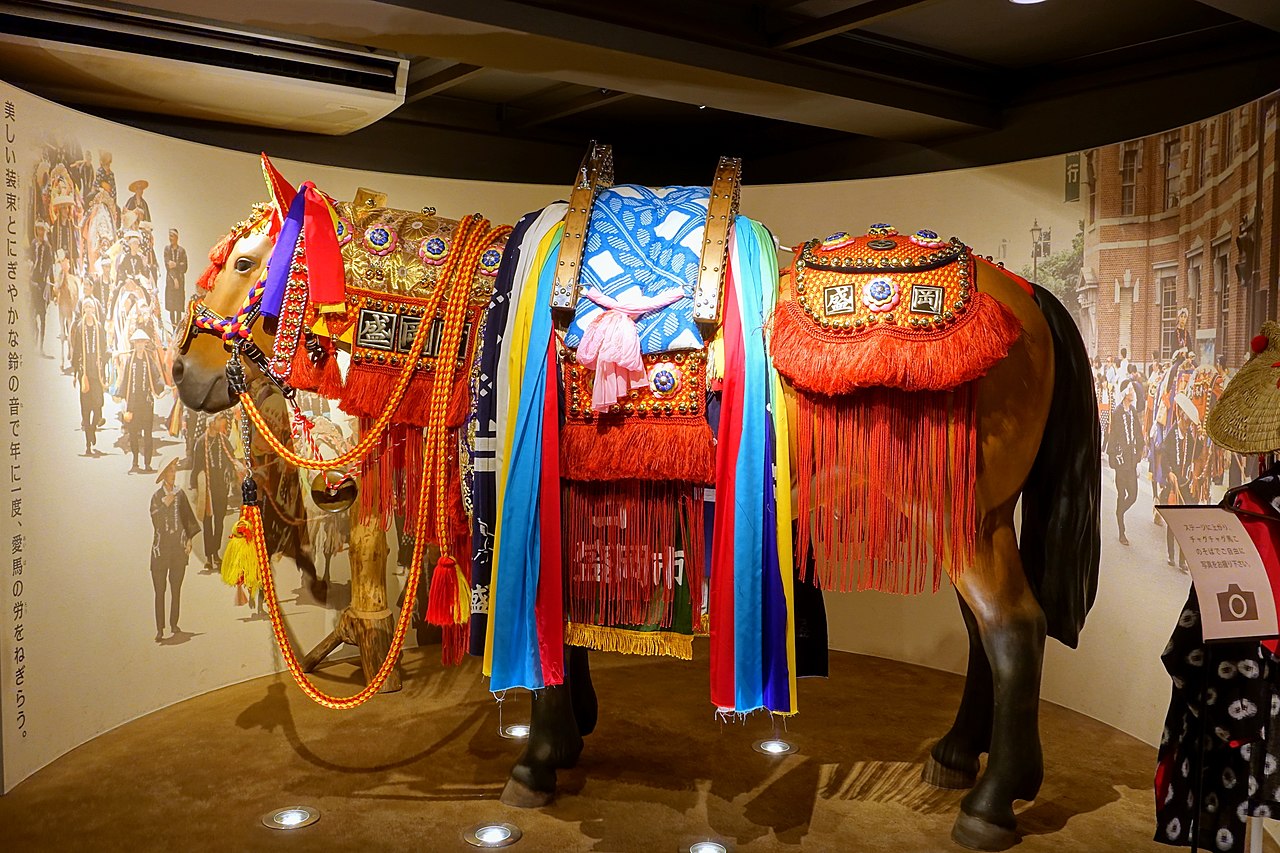
Best Visiting Time: Early morning for quiet contemplation, or during the Chagu Chagu Umakko horse festival (June) when decorated horses are blessed—a rare surviving agricultural ritual.
Ritual & Etiquette: After standard shrine protocol (bow, purify, pray at the haiden), spend time with the sacred zelkova. Many visitors place their hands on the trunk where it meets stone, sensing the slow, patient power of growth that overcomes obstacles not through force but through persistence.
Access: 15-minute walk from Morioka Station, or city bus to Hachimangū-mae stop. Urban location allows easy combination with Morioka Castle ruins.
4. Jōdogahama — The Pure Land Shore
Spiritual Energy: Purification, aesthetic transcendence, impermanence contemplation
When the monk Reikyo visited this coastline in 1681, he declared it “a shore like the Pure Land paradise”—and the name stuck. Sharp white rhyolite formations rise from impossibly blue water, creating a landscape that does indeed evoke Buddhist paradise paintings. The spiritual power here isn’t contained in a structure but dispersed across the entire sensory experience: the white stones, the pine-covered islets, the rhythm of waves.
This is a place for mono no aware—that particularly Japanese aesthetic awareness of impermanence and transient beauty. The sea’s eternal motion against eternal stone creates a natural meditation on time, change, and what persists.
Best Visiting Time: Dawn, when mist often creates an otherworldly atmosphere, or after storms when the sea’s power is most evident. Avoid peak summer crowds.
Ritual & Etiquette: No formal ritual, but treat the beach as a natural temple. Walk mindfully on the white stones. Some visitors collect a single white pebble as a natural omamori, leaving an offering of gratitude. The rest house offers Buddhist vegetarian meals that complement contemplative visiting.
Access: 20 minutes by bus from Miyako Station. Coastal location makes it combinable with tsunami memorial sites for deeper reflection on impermanence.
5. Tōno Gosha-dō — The Five Shrine Mandala
Spiritual Energy: Animist spirit connection, agricultural blessing, folk spiritual protection
The Tōno valley preserves Japan’s deepest folk spiritual traditions—the world of Tōno Monogatari, where kappa (water spirits) inhabit rivers and mountain gods interact with humans. The Gosha-dō (“Five Shrine Hall”) system connects five shrines across the landscape in a sacred geometry that protects the valley and honors the spirits (kami) of rice, water, mountains, horses, and ancestral fields.
Visiting all five creates a pilgrimage circuit that reveals how animist spirituality perceives the entire landscape as alive and interconnected. This is power spot practice at its most holistic—not focusing spiritual energy in a single temple but recognizing it flowing through an entire ecosystem.
Best Visiting Time: Spring planting or autumn harvest seasons when agricultural rituals activate the shrines' original purpose. The Tōno Folktale Festival (February) offers insight into living folk spirituality.
Ritual & Etiquette: Obtain a goshuinchō (stamp book) and collect stamps from all five shrines, creating your own sacred circuit. At each shrine, consider what aspect of natural/agricultural life it represents and offer appropriate gratitude. Spend time at Denshōen Folk Village to understand the cosmology underlying the shrines.
Access: Based from Tōno city. Bicycle rental ideal for the circuit (15km total). Car allows flexibility. English maps available at the station tourist office.
6. Ominato Amaterasu-ōmikami-jinja — Coastal Light
Spiritual Energy: Solar divinity, tsunami resilience, hope
This small Sanriku coast shrine dedicated to Amaterasu—the sun goddess and supreme deity of Shinto—gained profound significance after the 2011 tsunami. Though the waters reached its lower gate, the main shrine survived, and it became a symbol of resilience and divine protection. The spiritual energy here combines Amaterasu’s solar, life-giving power with the community’s remarkable recovery spirit.
Visiting this shrine connects you to both classical Shinto theology (Amaterasu as the ancestral deity of Japan) and contemporary spiritual meaning-making in the face of disaster.
Best Visiting Time: Sunrise, when Amaterasu’s element is most present. New Year for hatsumode (first shrine visit) when the community’s continuing vitality is most evident.
Ritual & Etiquette: Standard shrine protocol, but approach with awareness of recent history. The shrine sells unique omamori with disaster-recovery donations. Consider visiting nearby tsunami memorial sites as part of a larger contemplation on impermanence, suffering, and renewal.
Access: From Kamaishi Station, local bus toward Ominato (check schedules—infrequent). Remote location requires planning but offers authentic coastal shrine experience.
7. Mount Iwate (Iwate-san) — The Nambu Fuji
Spiritual Energy: Mountain kami power, ascetic training, regional identity
This perfectly conical volcano (2,038m) has anchored Iwate’s spiritual geography for centuries, earning the title “Nambu Fuji” for its resemblance to sacred Mount Fuji. Iwate-san has been climbed ritually since ancient times, with Buddhist ascetics and Shinto practitioners both establishing mountain training traditions. The summit was considered so sacred that women were prohibited until 1882—a restriction reflecting the mountain’s intense spiritual classification.
The power here is elemental and overwhelming—this is an active volcano, and its spiritual energy reflects that primordial force. Climbing Iwate-san is less a hike than a pilgrimage, each elevation gain intensifying your connection to the mountain kami.
Best Visiting Time: July through September only (snow-covered otherwise). The Iwate-san Pilgrimage route from Yanagisawa shrine maintains the most traditional approach.
Ritual & Etiquette: Register at the trailhead shrine and consider wearing white as traditional pilgrims did. The climb is strenuous (8-10 hours round trip). At the summit shrine, offer thanks for safe passage. Volcanic fumes near the top require caution—respect the mountain’s dangerous aspect as part of its kami nature.
Access: From Morioka, bus or car to various trailheads (Amihari Onsen or Yanagisawa most common). Requires full-day commitment and proper mountain equipment.
Practical Notes for Spiritual Travelers
Language: Major sites have basic English materials, but deeper spiritual concepts require Japanese or advance research. Consider hiring local guides at Tōno or Hiraizumi for cultural context.
Etiquette Foundation: Learn basic shrine protocol (purification, bowing, offerings) and temple etiquette (incense, photography restrictions). Respect shimenawa (sacred ropes) and closed areas absolutely.
Accommodation: Stay at temple lodgings (shukubō) in Hiraizumi or hot spring inns (onsen ryokan) near mountain sites for extended spiritual immersion.
Timing: Spring and autumn offer ideal conditions and fewer crowds. Winter pilgrimage is profound but challenging.
Iwate’s spiritual landscape rewards slow, contemplative travel. These sites aren’t merely tourist attractions but living centers of devotion—approach them with the openness they deserve, and they will reveal depths far beyond the guidebook description.