Iwate Prefecture Food & Restaurant Guide for International Visitors
Iwate Prefecture, Japan’s second-largest prefecture, stretches from the rugged Sanriku Coast to mountain highlands, creating a diverse culinary landscape that remains delightfully undiscovered by most international tourists. Here’s your comprehensive guide to eating your way through this northern Tohoku treasure.
Morioka’s Sacred Trinity of Noodles
Morioka proudly claims three distinct noodle traditions, each offering a unique experience that defines the city’s food culture.
Wanko Soba: The Noodle Challenge
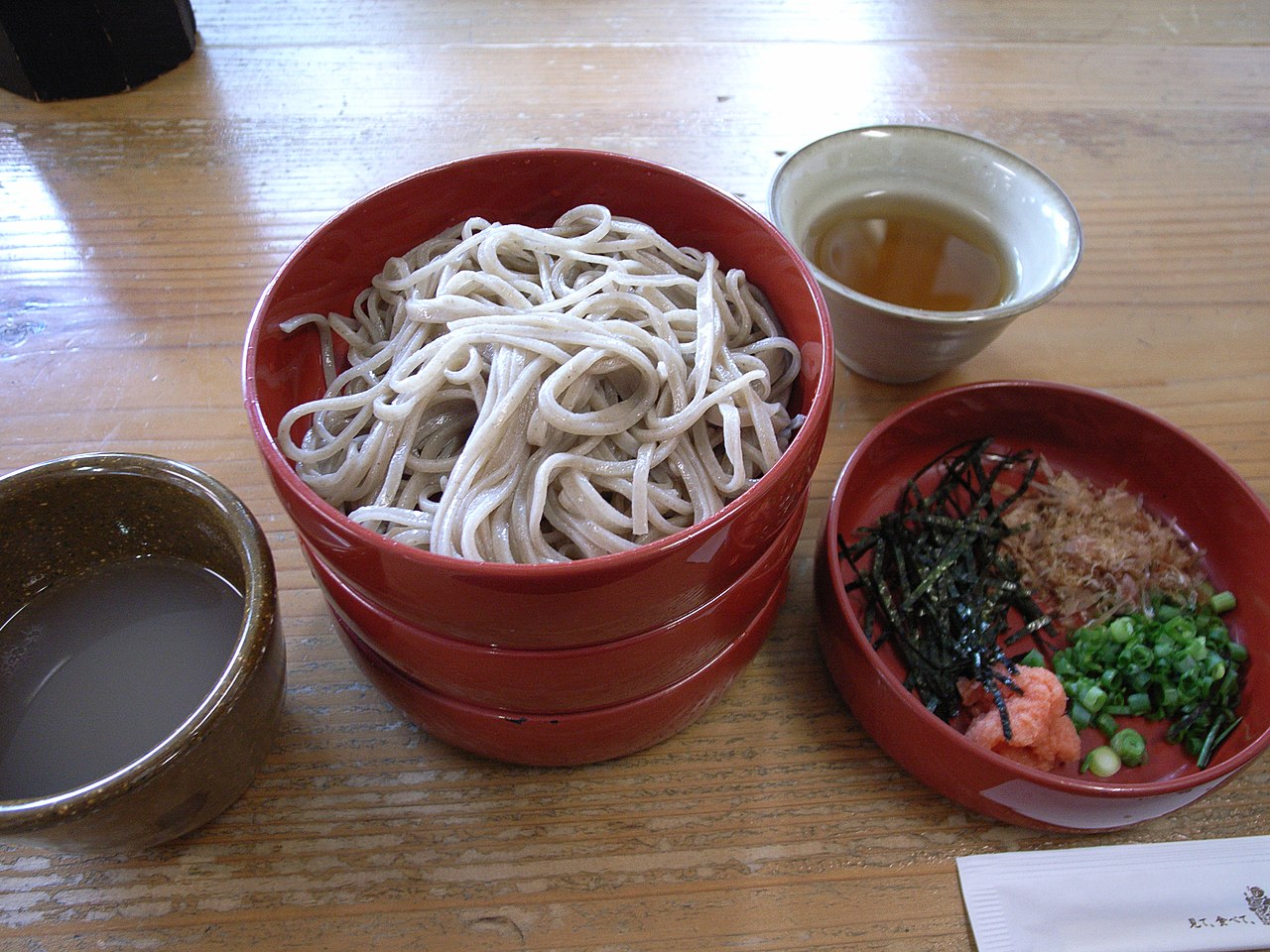
Wanko soba transforms eating into performance art. Servers rhythmically toss small portions of buckwheat noodles into your bowl while chanting traditional encouragement. The moment you finish one bowl, another arrives—the only way to stop is by covering your bowl with its lid. The average person manages 40-60 bowls (equivalent to about 1.5 regular servings), though records exceed 500.
Azumaya Honten (founded 1907) is the most famous establishment, with three Morioka locations. The main restaurant near Morioka Station offers a complete wanko soba experience for ¥3,500-4,500, including condiments like grated daikon, negi (green onions), and wasabi. Reservations recommended for groups.
Hanamakiya offers a slightly more intimate atmosphere with attentive service that feels less rushed. Expect ¥3,200-4,000 per person. Located in central Morioka, it’s popular with locals celebrating special occasions.
Ordering tip: The set price includes unlimited noodles and accompaniments. Don’t be shy—pace yourself and enjoy the ritual. Vegetarians should confirm broth ingredients, as most use bonito-based dashi.
Jajamen: Morioka’s Chinese-Korean Soul Food
Jajamen adapts Chinese zhajiangmian into something uniquely Morioka. Thick, flat udon-style noodles are topped with a savory miso-meat sauce, cucumber, and ginger. The essential ritual: after finishing, crack a raw egg into your bowl with any remaining sauce, add hot noodle water, and stir to create chitan, a rich soup that’s the “correct” way to end the meal.
Shintaro (白龍, Pairon), founded in 1960, invented this Morioka version. The original Shintaro location near Morioka Station serves straightforward jajamen for ¥600-800—exceptional value. The atmosphere is casual and decidedly unglamorous, but that’s part of its charm. Order by saying “jajamen” and indicating size: “futsu” (regular) or “omori” (large).
Ordering tip: Don’t skip the chitan! After finishing your noodles, tell the server “chitan kudasai” and they’ll bring hot water and assist if needed. Add the provided pickled ginger for extra flavor.
Morioka Reimen: Cold Korean-Influenced Noodles
Morioka reimen features incredibly chewy noodles made from potato and wheat starch, served in a cold, refreshing beef broth with kimchi, sliced beef, cucumber, and—surprisingly—a slice of sweet watermelon or Asian pear. It’s perfect for hot summers but eaten year-round.
Pyonpyonsha operates several locations in Morioka and is considered the gold standard, with meals ranging from ¥900-1,400. The noodles are jaw-achingly chewy (in the best way), and you can adjust the spice level from mild to extra hot.
Ordering tip: Request “spice on the side” (karasa wo betsu ni) if you’re uncertain about heat levels—you can always add more.
Sanriku Coast Seafood
The Sanriku Coast’s cold, nutrient-rich waters produce some of Japan’s finest seafood, particularly sea urchin, abalone, and oysters.
Uni (Sea Urchin)
Peak season runs June through August. Uni-don (sea urchin rice bowl) is the ultimate indulgence, with prices ranging from ¥2,500 for standard portions to ¥5,000+ for premium grades.
In Miyako: Visit the Miyako Fish Market (early morning, 6-10 AM) where several restaurants serve ultra-fresh uni-don. Kaisendon Yatai offers competitive prices (¥2,800-3,500) with generous portions.
In Kamaishi: Seafood Restaurant Kaiyotei near the port specializes in local catches. The uni here has a distinctively sweet, creamy flavor. Expect ¥3,200-4,500 for uni dishes.
Awabi (Abalone) and Kaki (Oysters)
Iwate’s abalone is prized for its texture and sweetness. Try it grilled, steamed, or as sashimi (¥2,000-4,000 depending on size).
Oysters are cultivated extensively along the Sanriku Coast. Winter (November-March) is peak season. Most coastal restaurants offer kaki-don (oyster rice bowl, ¥1,200-1,800) or grilled oysters (¥300-500 each).
Ordering tip: Ask for “jizake to awase” (paired with local sake) for sommelier-selected combinations at better restaurants.
Maesawa Beef and Highland Lamb
Maesawa Beef (Maesawa-gyu)
This premium wagyu rivals Kobe and Matsusaka beef but remains relatively unknown internationally. The marbling is exceptional, with a buttery texture and sweet finish.
Bifuka in Oshu City specializes in Maesawa beef courses (¥8,000-15,000). The restaurant offers everything from sirloin steaks to shabu-shabu preparations.
Yakiniku Kouryuan in Morioka provides a more casual experience (¥4,000-8,000) where you grill premium cuts yourself.
Lamb (Hitsuji)
Iwate’s highlands support lamb farming, unusual for Japan. Genghis Khan (jingisukan-style grilled lamb) is popular in mountain areas. Try Koiwai Farm restaurant near Shizukuishi for lamb yakiniku (¥2,500-3,500).
Soul Food Favorites
Hittsumi
These rustic flat dumplings made from wheat flour are torn by hand and simmered in chicken or vegetable broth with seasonal vegetables and mushrooms. It’s Iwate’s ultimate comfort food, traditionally made by grandmothers.
Find hittsumi at izakayas throughout Morioka (¥600-900) or try Nakatsu-gawa near Morioka Castle ruins, which serves traditional versions in a historic setting.
Nanbu Jibani (Chicken Hot Pot)
This soy-based hot pot features locally raised chicken, vegetables, and tofu. Less common in restaurants, it appears on izakaya menus in autumn and winter (¥1,200-1,800).
Tea Culture and Nambu Tekki
Nambu tekki (南部鉄器) ironware from Morioka, particularly iron kettles, has been crafted for over 400 years. Water boiled in these kettles is believed to taste smoother and adds dietary iron.
Koho-an tea house near Hoonji Temple offers matcha tea ceremonies using Nambu tekki kettles (¥800, reservations preferred). The quiet garden setting provides cultural context for these utilitarian artworks.
Many restaurants throughout Iwate serve tea in small Nambu tekki teapots—notice the improved flavor and temperature retention.
General Tips: English menus are rare outside major hotels. Download a translation app, or look for plastic food displays and point. Most restaurants accept cash only, though larger establishments take cards. Dinner reservations are wise for specialty restaurants, especially on weekends. The hospitality in Iwate is genuine but understated—expect warmth without fanfare.