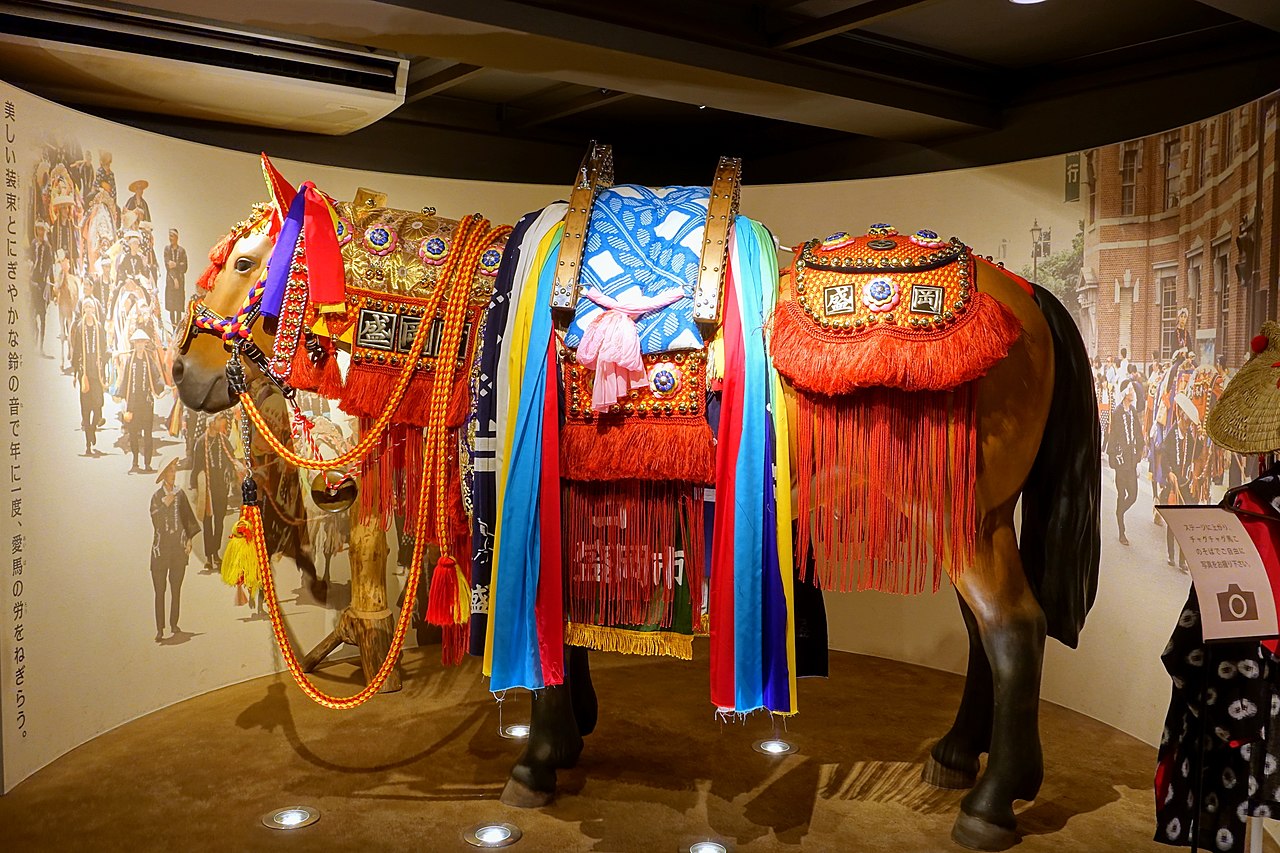
Solo Travel Guide to Iwate Prefecture
Why Iwate is Perfect for Solo Travel
Iwate Prefecture remains one of Japan’s best-kept secrets for solo travelers seeking authentic experiences beyond the Tokyo-Kyoto circuit. This vast northern prefecture combines exceptional safety, genuinely warm hospitality, and perfectly manageable logistics—all while offering the cultural depth Japan is famous for without overwhelming crowds.
Solo travelers consistently report feeling welcomed rather than conspicuous in Iwate. The prefecture’s tourism infrastructure accommodates individual visitors naturally, with counter seating at restaurants, single-occupancy guesthouses, and attractions scaled for personal exploration. Crime is virtually nonexistent, and locals frequently go out of their way to assist foreign visitors, even with limited English. Morioka, the prefectural capital, provides an ideal base: compact enough to navigate confidently within hours, yet sophisticated enough to support several days of exploration.
Morioka: Your Solo Base Camp
Morioka punches well above its weight as a solo destination. This castle town of 290,000 feels immediately manageable—you can walk across the central district in 20 minutes, yet it offers enough depth to justify multiple days.
Start at the atmospheric Morioka Castle ruins (Iwate Park), where stone walls and seasonal beauty provide contemplative solo walking. The Nakatsugawa River walk offers perfect solitary meandering, especially during cherry blossom season or the autumn foliage display. Small cafes and galleries line the historic Zaimokucho merchant district—ideal for solo browsing without pressure.
The city’s true genius for solo travelers reveals itself in its food culture. Morioka’s three signature noodles—wanko soba, jajamen, and reimen—create a natural solo food crawl. Counter seating dominates the noodle scene, meaning solo diners are the norm, not the exception. You can easily hit all three styles in a single ambitious day, connecting with locals and other travelers through the universal language of enthusiastically slurped noodles.
The Three-Noodle Solo Challenge
Tackling Morioka’s noodle trinity alone is not only acceptable—it’s encouraged.
Wanko soba intimidates some solo travelers, but the counter-seat experience at places like Azumaya or Hatsukoi Soba actually works brilliantly alone. You’ll receive endless small bowls of buckwheat noodles until you signal defeat by covering your bowl. Solo diners can pace themselves, compete against their own record, and enjoy banter with staff without group pressure. Go at lunch for the most energetic atmosphere. Expect ¥3,000-4,000 for the all-you-can-eat experience.
Jajamen (Morioka’s take on Chinese zhajiangmian) offers a more contemplative solo meal. Pairon near Morioka Station serves this miso-meat sauce noodle dish with perfect counter seating. The ritual of ordering “chītan tan” (a raw egg added to remaining sauce at meal’s end) gives solo diners something to photograph and share. Budget ¥800-1,000.
Reimen (cold noodles) works beautifully for solo lunch or dinner. Pyonpyonsha locations throughout Morioka offer excellent counter service, and the refreshing, kimchi-topped noodles suit any season. Around ¥900-1,200.
Solo Day Trips from Morioka
Hiraizumi (1 hour by Tohoku Shinkansen, ¥2,000 each way) makes an outstanding solo day trip. This UNESCO World Heritage site centers on Chuson-ji temple’s stunning Golden Hall. The compact town requires no advance planning—simply follow the well-marked walking route connecting temples and gardens. The peaceful Motsu-ji garden offers ideal solo contemplation. Rent a bicycle at the station (¥500/day) to cover more ground independently.
Tono requires more planning but rewards adventurous solo travelers. This folklore-rich valley inspired Japan’s most famous folk tales. Rental cars offer freedom (book through Toyota Rent-a-Car Morioka, which has English-speaking staff), or use the JR Kamaishi Line (90 minutes). Solo visitors can explore countryside shrines, kappa (water imp) legends, and traditional farmhouses at their own pace. The Tono Tourism Association offers self-guided maps in English.
Ryusendo Cave, one of Japan’s most spectacular limestone caves, lies 2 hours north by car or limited bus service. Solo travelers with rental cars gain flexibility; otherwise, check seasonal bus schedules carefully. The solo experience inside Japan’s longest cave system proves unforgettable—the underground lake’s blue depth photographs beautifully.
Budget Options for Solo Travelers
Kumagai Ryokan (¥3,500/night) offers traditional tatami rooms perfect for solo travelers, with shared facilities encouraging natural traveler interaction. Guesthouse Aioi (¥2,800/dorm, ¥4,500/private) provides Morioka’s best backpacker scene, with a common area where solo travelers naturally connect.
For meals beyond the noodle trinity, hit Morioka’s Zaimokucho coffee shops for ¥500-700 breakfast sets, standing soba shops (¥400 lunch), and conveyor belt sushi (¥100-300/plate). The Kawatoku department store basement food hall offers solo-friendly prepared foods and excellent people-watching.
Solo Onsen Etiquette
Iwate’s hot springs need not intimidate solo travelers. Most hotels offer communal baths that locals use unselfconsciously—you’re simply part of the relaxation ritual. Wash thoroughly at seated stations before entering the bath, keep towels out of the water, and avoid staring or conversation.
For privacy-preferring solos, many ryokan now offer kashikiri-buro (private family baths) bookable by the hour (¥1,000-2,000/45 minutes). Tsunagi Onsen near Morioka and Osawa Onsen near Hanamaki provide excellent solo onsen experiences with day-use options (¥500-800).
Navigation for Solo Travelers
Google Maps works surprisingly well in rural Iwate when set to Japanese—showing bus times and walking routes accurately. Screenshot maps before heading to areas with spotty service.
JR East’s Tohoku Line and local buses connect major attractions. Purchase a Iwate Free Pass (¥8,000/3 days) if making multiple trips. For rental cars, Toyota Rent-a-Car and Nippon Rent-a-Car in Morioka Station provide English navigation systems and basic English service.
Connecting with Others
While Iwate suits solitary exploration beautifully, connections happen organically. Strike up conversations at guesthouse common areas, noodle shop counters, and temple grounds. Many locals enjoy practicing English with friendly foreign visitors. The Morioka International Center (near Morioka Station) hosts language exchange events and can suggest community activities.
Solo travel in Iwate offers that rare combination: genuine solitude when desired, authentic cultural depth throughout, and warm human connection when you’re ready. Pack light, keep your maps handy, and embrace the noodles.