Discovering Iwate: Five Unmissable Attractions in Northern Japan’s Hidden Gem
Stretching across northern Honshu, Iwate Prefecture remains one of Japan’s best-kept secrets. While travelers flock to Kyoto’s temples and Tokyo’s neon streets, this expansive region offers something increasingly rare: authentic experiences without the crowds. From UNESCO World Heritage temples to mysterious limestone caves and folklore-rich valleys, Iwate rewards adventurous visitors with landscapes and cultural treasures that embody the soul of traditional Japan.
1. Hiraizumi: Golden Splendor of the Northern Fujiwara
What Makes It Special
In the 12th century, while Kyoto served as Japan’s imperial capital, the Northern Fujiwara clan created their own Buddhist paradise in Hiraizumi. For nearly a century, this remote outpost rivaled Kyoto in wealth and cultural sophistication. Today, five sites comprise the UNESCO World Heritage designation, but two stand out as absolute must-sees.
The Konjikido (Golden Hall) at Chusonji Temple literally takes your breath away. This small structure, covered entirely in gold leaf and inlaid with mother-of-pearl, has survived nearly 900 years essentially intact. Stepping into the climate-controlled glass pavilion that protects it feels like discovering King Tut’s tomb—the lacquerwork glows with impossible richness, and the three altars contain the mummified remains of three generations of Fujiwara lords. It’s the only remaining example of pure Heian-period architecture in northeastern Japan.
Nearby Motsuji Temple offers a different but equally profound experience. Though its buildings burned down centuries ago, the Pure Land Garden remains exactly as designed in the 12th century. This is pond-garden design at its most sophisticated: every rock, island, and shoreline was placed to represent Buddhist paradise on earth. Walk slowly around the large pond, and you’ll understand why medieval pilgrims believed they’d glimpsed the afterlife.
Practical Information
- Access: JR Tohoku Shinkansen to Ichinoseki Station (2.5 hours from Tokyo), then local train to Hiraizumi Station (10 minutes). Alternatively, Tohoku Shinkansen direct to Shin-Hanamaki, then bus. Rent bicycles at Hiraizumi Station—sites are 2-3km apart.
- Entry Fees: Chusonji ¥800, Motsuji ¥700, or combination tickets available
- Time Needed: Half day minimum; full day to appreciate thoroughly
- Best Season: Late May (wisteria at Motsuji) or November (autumn colors)
- Insider Tip: Arrive at Chusonji when it opens (8:30am) to experience Konjikido in near-solitude. The tourist buses arrive around 10am.
2. Ryusendo Cave: Into the Blue Depths
What Makes It Special
Japan recognizes three great limestone caves; Ryusendo stands apart for its surreal underground lakes. After walking through impressive limestone caverns adorned with stalactites, you’ll encounter what looks like a special effect: crystal-clear subterranean lakes glowing an impossible shade of cobalt blue. The first lake reaches 35 meters deep, the second 98 meters—but the third, at 120 meters, creates an almost electric blue that photographers struggle to capture accurately. The total depth of these limestone formations remains unknown, with only 3,600 meters of the estimated 5,000+ meters explored.
The cave maintains a constant 10°C (50°F) year-round, making it refreshingly cool in summer and surprisingly comfortable in winter. The water is so pure it’s designated one of Japan’s top 100 famous waters, and local breweries use it in their sake.
Practical Information
- Access: JR Tohoku Shinkansen to Morioka, then JR Yamada Line to Iwate-Funakoshi Station (90 minutes), then taxi (10 minutes). Consider renting a car in Morioka for flexibility.
- Entry Fees: ¥1,100 adults
- Time Needed: 1.5-2 hours including the walking route
- Best Season: Year-round, though summer offers the most dramatic temperature contrast
- Insider Tip: Bring a light jacket and non-slip shoes. Take the optional 500-meter extended course if you’re comfortable with stairs—the deeper passages see far fewer visitors and feel genuinely adventurous.
3. Jodogahama Beach: The Sanriku Coast’s Natural Cathedral
What Makes It Special
The name means “Pure Land Beach,” and according to legend, a 14th-century monk declared the landscape so beautiful it resembled Buddhist paradise. Sharp white rhyolite rock formations rise dramatically from impossibly clear water, creating a seascape more reminiscent of Mediterranean islands than typical Japanese beaches. The volcanic rock has weathered into arches, needles, and towers draped with dark pine trees—a natural rock garden on a monumental scale.
The glass-bottom boat tours (30-40 minutes) reveal why the water appears so brilliant: the white rock bottom reflects sunlight upward, creating luminous turquoise shallows. You’ll spot sea urchins, kelp forests, and schools of fish beneath the boat while seabirds wheel overhead. The coast is also recovering beautifully from the 2011 tsunami, a testament to local resilience.
Practical Information
- Access: JR Tohoku Shinkansen to Morioka, then JR Yamada Line to Miyako Station (2 hours), then bus to Jodogahama (20 minutes)
- Entry Fees: Beach is free; glass-bottom boats ¥1,500 adults
- Time Needed: 3-4 hours including boat tour and walking trails
- Best Season: June-September for boats and swimming; October for clear autumn light
- Insider Tip: The evening light (4-6pm) creates magical colors on the white rocks. Stay at nearby Jodogahama Visitor Center area to catch both sunset and sunrise—you’ll likely have the beach nearly to yourself early morning.
4. Genbikei Gorge: Dango Delivered by Basket
What Makes It Special
This dramatic river gorge carved through volcanic rock is famous for two things: stunning geology and Japan’s most entertaining food delivery system. The kakko dango basket gondola has operated for over 100 years—you place your order and money in a basket, bang the wooden board to signal the teahouse on the cliff above, and a basket comes down via cable with freshly made rice dumplings and tea. It’s utterly charming and surprisingly delicious.
The gorge itself features massive boulders and smooth rock formations polished by centuries of water flow, with walking paths offering views of emerald pools and small waterfalls. The 2km walking course takes about 40 minutes and provides constantly changing perspectives on the river’s artistic stonework.
Practical Information
- Access: JR Tohoku Shinkansen to Ichinoseki Station, then taxi (15 minutes) or bus to Genbikei (25 minutes)
- Entry Fees: Free access; kakko dango ¥500
- Time Needed: 1.5-2 hours
- Best Season: May-June (fresh greenery) or October-November (autumn foliage)
- Insider Tip: Visit on a weekday morning to avoid tour groups. The basket gondola operates multiple locations along the gorge—the furthest one upstream has the shortest wait times.
5. Tono Valley: Where Folklore Lives
What Makes It Special
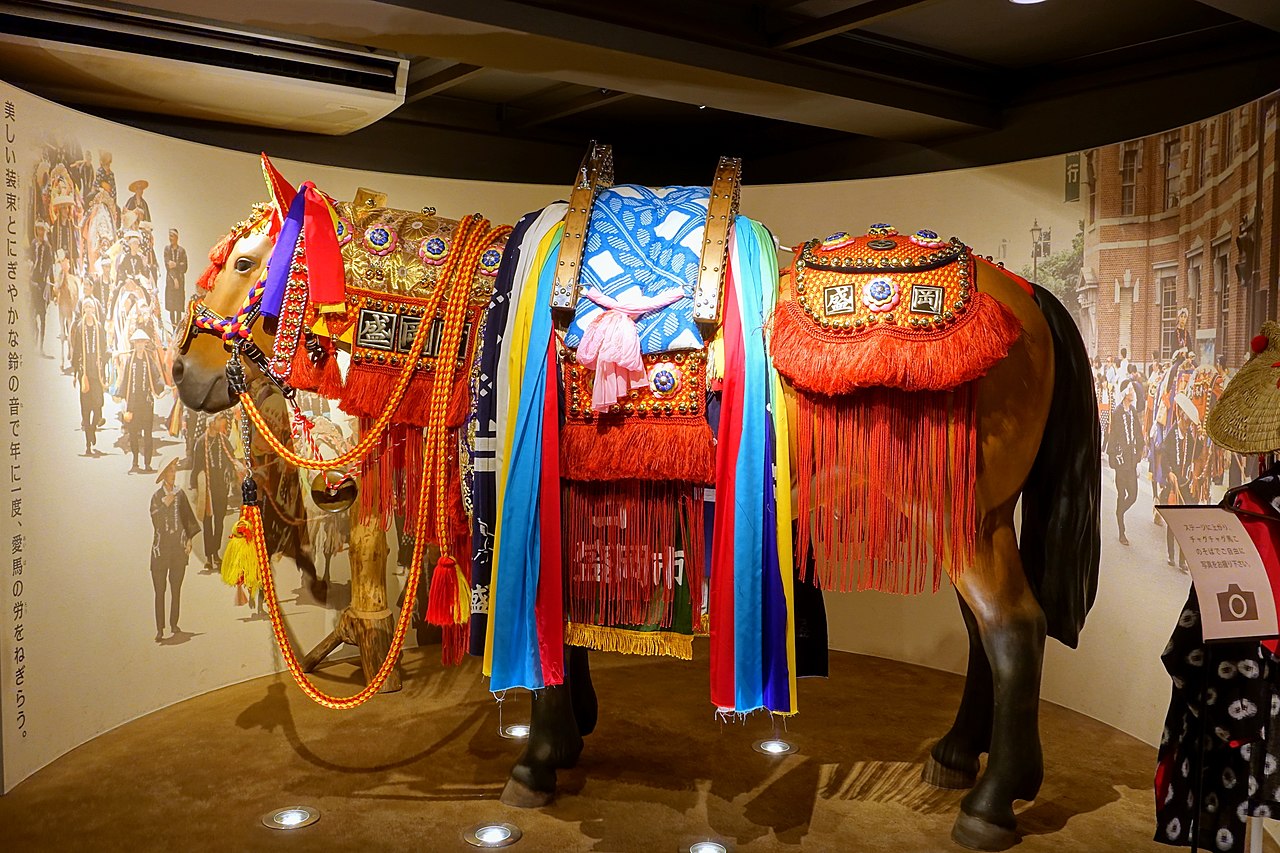
Tono is Japan’s folklore capital, where legends of kappa (water sprites), mountain spirits, and tengu still feel alive in the landscape. This rural valley preserves traditional magariya L-shaped farmhouses where humans and horses lived under one roof, and the surrounding hills are dotted with small shrines and sacred sites connected to local legends.
Tono Furusato Village is an open-air museum featuring six authentic magariya relocated from around the valley. Volunteers (often elderly locals) demonstrate traditional crafts—weaving, woodworking, cooking—and share stories. Unlike many folk villages in Japan, this one feels genuinely connected to living tradition rather than preserved in amber.
Don’t miss Kappa-buchi, a stream where kappa supposedly lived. The riverbank has a small shrine, and locals still leave cucumber offerings (kappa’s favorite food). It’s simultaneously silly and enchanting—especially at dusk when mist rises from the water.
Practical Information
- Access: JR Tohoku Shinkansen to Shin-Hanamaki, then JR Kamaishi Line to Tono Station (1 hour). Car rental strongly recommended for exploring the valley.
- Entry Fees: Furusato Village ¥550; individual sites vary
- Time Needed: Full day to explore valley; half-day minimum for Furusato Village and nearby sites
- Best Season: September-October (harvest season with special demonstrations) or winter (snow-covered magariya are magical)
- Insider Tip: Stay overnight at a minshuku (family guesthouse) in the valley—hosts often share local legends over dinner. Time your visit for the weekend if possible, as more demonstrations run at Furusato Village.
Practical Tips for Combining Sites
Transportation Strategy: Iwate is expansive, and public transport between attractions can be time-consuming. Consider this three-day itinerary:
- Day 1: Tokyo to Hiraizumi (base in Ichinoseki), add Genbikei
- Day 2: Morioka as base, visit Ryusendo Cave
- Day 3: Jodogahama or Tono (both require backtracking but are worth it)
Car Rental: Makes sense for Ryusendo, Tono, and Jodogahama if visiting multiple sites. Rent from Morioka Station for best rates.
Rail Passes: The JR East Tohoku Area Pass (5 days, ¥20,000) covers all rail transport mentioned if visiting multiple Tohoku destinations.
Best Overall Season: Late September to early November offers comfortable temperatures, autumn colors, and harvest festivals, though each site has merit year-round.
Iwate rewards the curious traveler willing to venture beyond Japan’s golden route. These five attractions offer different windows into Japanese culture—from refined aristocratic Buddhism to resilient coastal communities to living folklore traditions—all without the crowds that define more famous destinations.