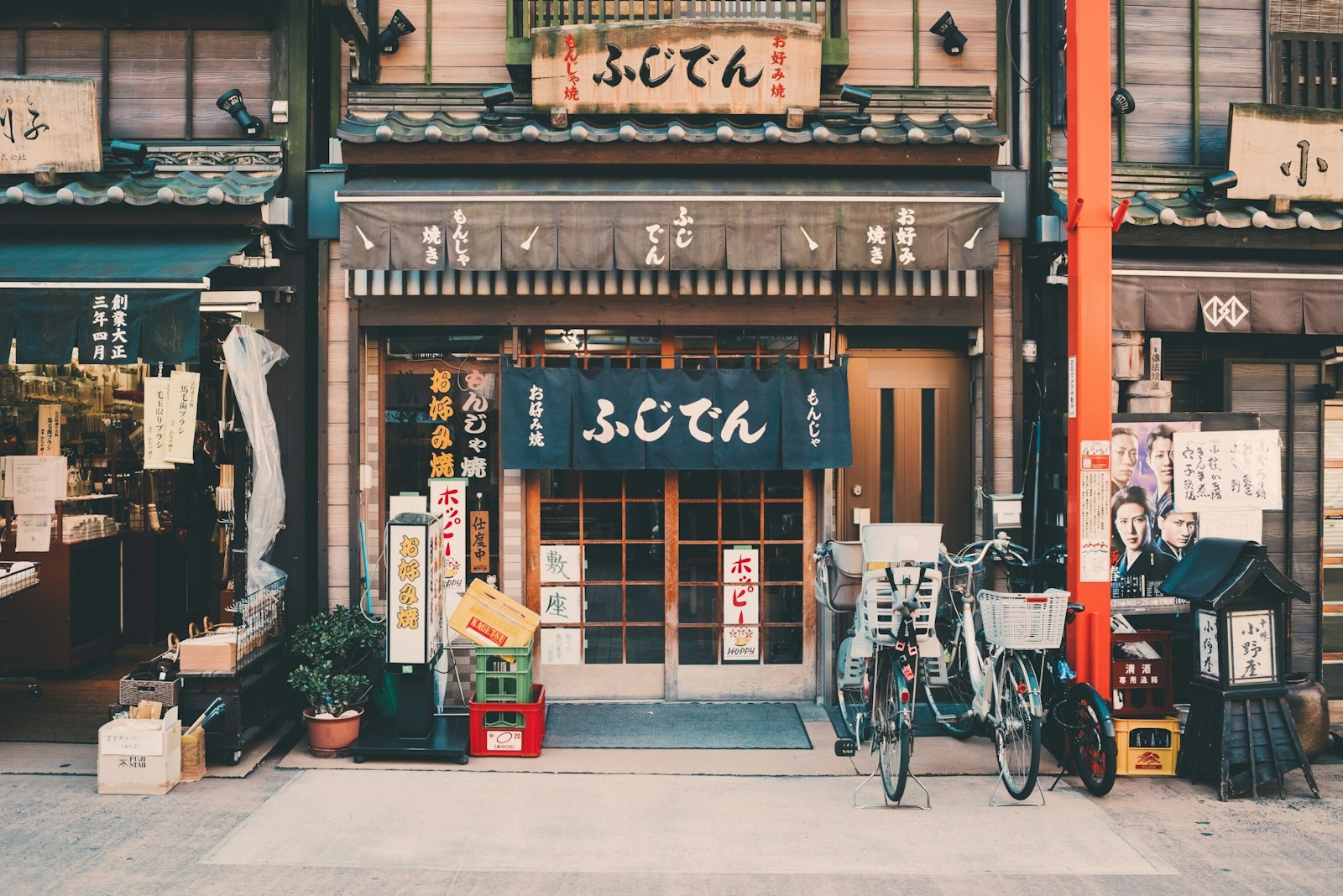
Kagoshima Prefecture — Japan’s volcanic southern gateway — sits at the tip of Kyushu with active volcanoes, subtropical islands, and some of Japan’s most distinctive onsen experiences. Ibusuki offers the world’s only natural sand bath (sunamushi) powered by geothermal heat, Kirishima provides highland volcanic resort scenery, and Sakurajima volcano dominates the entire region’s skyline.
Best Areas to Stay
Kagoshima City — Sakurajima Views
The prefectural capital faces the active Sakurajima volcano across a narrow bay — ash occasionally falls on the city, which locals consider normal. Good restaurants, Sengan-en feudal garden, and transport hub for the region. Best for: first-time visitors, regional base.
Ibusuki — Sand Bath Capital
A coastal resort town 50 km south of Kagoshima city. Geothermal heat warms the beach sand to body temperature — attendants bury visitors in black sand for 10–15 minutes, sweating out toxins. Unlike any other onsen experience in Japan. Best for: unique onsen seekers, couples.
Kirishima — Volcanic Highland Onsen
A high plateau between volcanic craters — Ebino-kogen (1,200 m) surrounded by crater lakes and steaming fumaroles. Kirishima Onsen town in the foothills has multiple ryokan. Best for: hiking, dramatic scenery, winter onsen.
Yakushima Island
A UNESCO World Heritage island with 1,000-year-old cedar forests that inspired Princess Mononoke. Limited but excellent accommodation. Best for: nature trekkers, photographers, Ghibli fans.
Ibusuki Ryokan
Hakusuikan ⭐⭐⭐⭐⭐
Kagoshima’s most prestigious large ryokan — private sand bath suites, multiple indoor and outdoor volcanic spring baths, and exceptional kaiseki using Kagoshima Wagyu (kurobuta pork) and Ibusuki coastal seafood. The sunamushi (sand bath) is conducted privately on the hotel beach. ¥40,000–¥80,000/pp.
Saraku Ibusuki (Sand Bath Focus)
A mid-range ryokan specialising in the sunamushi experience — private bookable sand bath facilities, a volcanic spring rotenburo, and Kagoshima home cooking. ¥20,000–¥35,000/pp.
Ibusuki Kokuminshukusha Satsuma-so
A public recreation facility (kokuminshukusha — low-cost national resort) with genuine sand bath access and basic but clean accommodation. The most affordable way to experience Ibusuki sunamushi. ¥10,000–¥16,000/pp.
Kirishima Onsen Ryokan
Kirishima Hotel (Kirishima Onsen)
A long-established resort hotel at the foot of the Kirishima volcanic range — large indoor and outdoor baths using the iron-rich Kirishima spring, sweeping views toward the Ebino plateau craters. ¥20,000–¥40,000/pp.
Kirishima Iwasaki Hotel
A sprawling resort hotel near Kirishima Shrine with extensive hot spring facilities. Golf course, tennis courts, and good trekking map provision. Family-friendly. ¥18,000–¥30,000/pp.
Kagoshima City Hotels
Shiroyama Hotel Kagoshima ⭐⭐⭐⭐⭐
The city’s leading hotel — perched on Shiroyama hill with panoramic views of Kagoshima Bay, Sakurajima, and on clear days the distant Kirishima mountains. The hotel’s volcanic spring bath faces the volcano. ¥30,000–¥60,000/night.
Hotel Remm Kagoshima ⭐⭐⭐⭐
A modern business hotel near Kagoshima Chuo Station — the main Shinkansen terminus. Well-designed rooms for the price, natural onsen bath facility, and excellent access to the ferry to Sakurajima. ¥12,000–¥22,000/night.
Yakushima Island Stays
Sankara Hotel & Spa Yakushima ⭐⭐⭐⭐⭐
A luxury resort hotel on the lush subtropical hillside — private villas with outdoor baths, an infinity pool facing the ocean, and a restaurant serving Yakushima freshwater fish (flying fish, barracuda) and organic local produce. ¥60,000–¥120,000/pp.
Yakushima Iwasaki Hotel
The island’s large resort hotel near the famous Yakusugi Cedar forest entrance. Trekking shuttle services, guide booking assistance, and volcanic spring baths. Mid-range pricing. ¥18,000–¥30,000/night.
Practical Tips
- Sunamushi timing: The sand bath experience is 10–15 minutes in sand heated to 50–55°C. Bring a change of clothes and plan an onsen bath afterward to wash off the sand. Most ryokan provide yukata for the session.
- Sakurajima ash: On days when the wind blows toward the city, light ash falls. It is harmless but irritating — carry a small umbrella or cap. Hotels provide towels and some offer ash-care kits.
- Yakushima trekking: The famous Jomonsugi cedar tree (estimated 2,170–7,200 years old) requires a 10-hour round-trip hike. Stay at least 2 nights on the island and book a licensed guide.
- Kurobuta pork: Kagoshima’s Berkshire (kurobuta) pork is Japan’s most celebrated pork breed — richer and fattier than standard commercial pork. Try shabu-shabu or tonkatsu at a local specialist restaurant.
- Ibusuki access: From Kagoshima Chuo Station, the “Ibusuki no Tamatebako” (Treasure Box) tourist train runs twice daily. The interior uses monochrome and light wood — a striking design worth the extra ¥500.