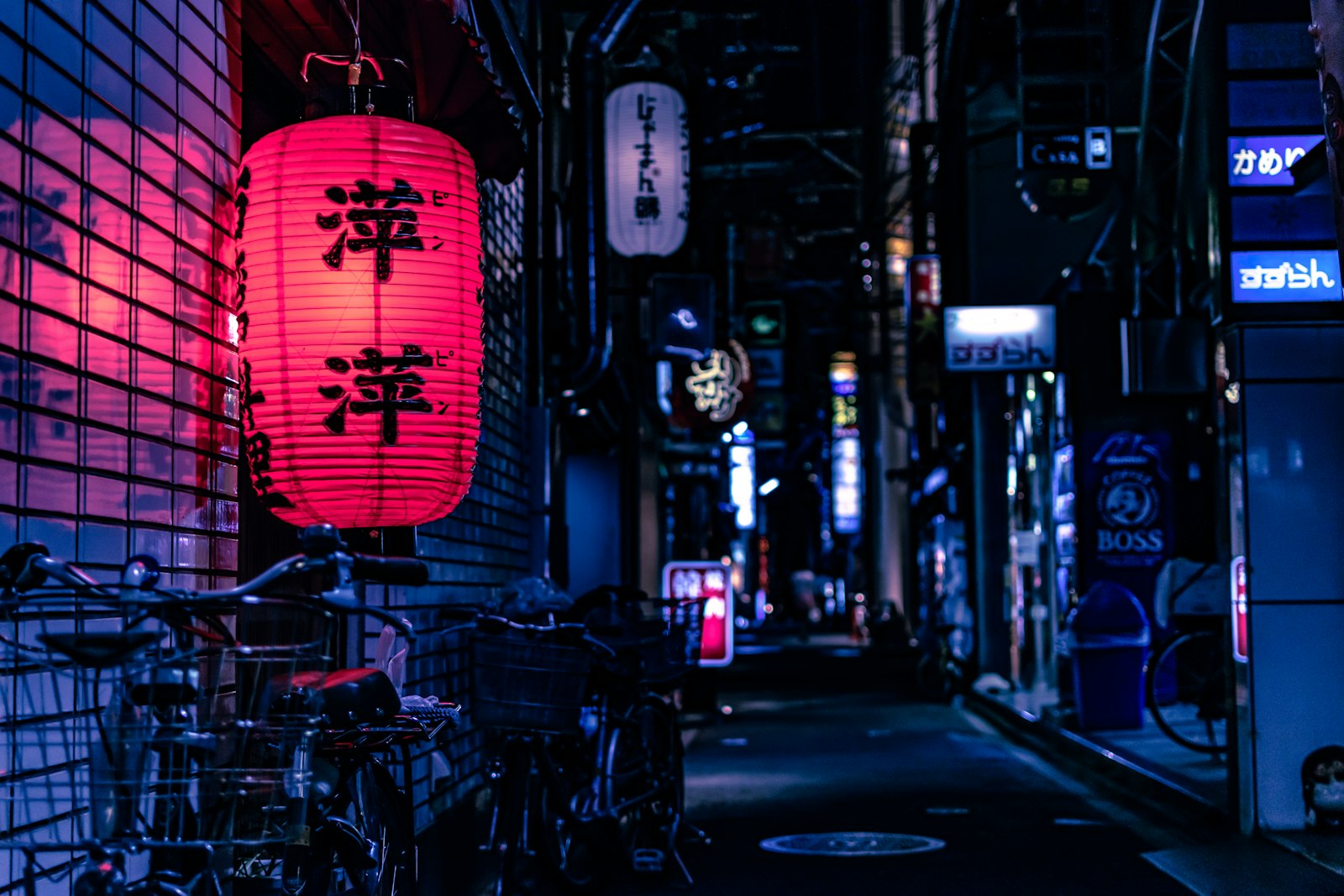
Kanagawa is one of Japan’s most visited prefectures — yet the vast majority of foreign tourists funnel through the same circuit: Kamakura Great Buddha, Hakone hot springs, Yokohama Chinatown. What they miss is extraordinary. A southernmost Pacific cape where seabirds nest in basalt cliffs. A village that serves as the Emperor’s private retreat. A Zen temple in a bamboo valley accessible only by guided tour, where 13th-century stone Buddhas have never been moved. This guide covers the ten places in Kanagawa that appear in almost no foreign-language sources — and that reward the effort of finding them.
1. 城ヶ島 — Jogashima Island, Miura Peninsula
Access: Keikyu Misakiguchi Station → Misakiko bus (15 min, ¥310) → walk the bridge, or ferry from Misaki Port (5 min, ¥300). From Shinagawa by Keikyu Limited Express: 70 min, ¥860.
Japan’s southernmost Pacific cape hangs off the tip of the Miura Peninsula like a fist of black rock punching into the open ocean. Jogashima is connected to the mainland by a pedestrian-and-cycle bridge, but it feels genuinely remote — a place of wind-scoured basalt cliffs, sea caves, nesting birds, and sunsets that the Instagram algorithm has somehow not yet discovered.
The circular coastal walk (30–45 minutes) follows the cliff edge past geology that looks more Icelandic than Japanese. Raised wave-cut platforms of layered basalt slope into churning surf; at low tide, tide pools filled with sea anemones and small crabs open up along the shoreline. The cliffs on the western end shelter a breeding colony of Japanese peregrine falcons (ハヤブサ) — one of the densest concentrations in the Kanto region. Bring binoculars in spring (March–May).
Don’t miss:
- The Nagafu-Nagahama coastline walk at sunset — the western shore faces open Pacific with nothing between you and the horizon. In winter, Mt. Fuji appears above the Izu Peninsula silhouette
- The lighthouse (白灯台) on the island’s eastern promontory, built 1870 — one of Japan’s oldest Western-style lighthouses. The surrounding scrubland blooms with yellow bidens in autumn
- Sea caves on the northern shore accessible at low tide — local fishermen call these yokodoukutsu (横洞窟)
- Fresh Miura tuna and sashimi teishoku at the small restaurants near the bus stop (¥1,200–1,800); the tuna fishing port of Misaki is 15 minutes by bus
Insider note: Almost all visitors to Jogashima are Japanese, mostly retired couples and birdwatchers. Foreign tourists are genuinely rare. The island has no convenience stores and limited services — bring water and snacks.
2. 葉山 — Hayama Village
Access: JR Yokosuka Line to Zushi Station, then Keikyu bus toward Hayama (15 min, ¥260). Or taxi from Zushi (¥1,000–1,200). Total from Shinagawa: 55 min.
Between Yokosuka and Kamakura, on the shore of Sagami Bay, lies Hayama — a village of remarkable distinction that has somehow remained entirely off the foreign tourist map. The Imperial Villa of Hayama (葉山御用邸) has been the Emperor’s summer residence since the Meiji era; the villa grounds are not open to the public, but the white perimeter wall runs along the main coast road, and on quiet weekday mornings the village has a calibrated stillness that suggests proximity to power.
The village centers on a single coastal road lined with small restaurants, a marina of leisure and fishing boats, and one of Japan’s most famous fish markets. The Hayama Fisheries Cooperative (葉山漁業協同組合) supplies the finest shirasu (whitebait) in Kanagawa — the same shirasu served at the Imperial table. Buy it fresh at the cooperative shop (open mornings when boats are in, typically 8:00–11:00; ¥600/100g fresh, ¥900/100g dried), or eat it in a shirasu bowl (¥1,200) at the adjacent café.
Don’t miss:
- Cafe Bowls on the coast road — Italian-Japanese fusion, exceptional pasta using local seafood. Lunch ¥1,500–2,200; reservation recommended on weekends
- Terrace by the Sea — a garden café on a private cliff plot with panoramic Sagami Bay views. Open weekends only; coffee ¥700
- The marina at sunset — small fishing vessels return in the late afternoon, creating a scene of working Japan that Kamakura and Yokohama have long since polished away
- Swimming at Isshiki Beach (一色海岸) — a narrow crescent regarded by Kanagawa residents as the most beautiful beach in the prefecture; officially the most restrictive beach regarding commercial activity (no tents, no beach parties, no vendors)
Insider note: Hayama’s primary function as an Imperial retreat has insulated it from development. There are no chain restaurants and no convenience stores on the main beach road. The village operates on a different clock from the rest of Kanagawa.
3. 大磯 — Oiso: The Meiji-Era Elite Resort
Access: JR Tokaido Line to Oiso Station, 60 min from Tokyo Station (¥1,140). Also accessible from Kamakura (25 min) or Odawara (15 min).
In the Meiji and Taisho eras, Oiso was Japan’s most prestigious seaside resort. Prime Minister Ito Hirobumi — the architect of the Meiji Constitution — built his villa here. Prime Minister Yoshida Shigeru, architect of postwar Japan, lived here until his death. Three more prime ministers built residences in Oiso. The town’s association with power has left a residue of gravity that the modern resort coast between Tokyo and Hakone entirely lacks.
The Ito Hirobumi villa (伊藤博文旧邸) is open to the public on weekends (free entry, 10:00–16:00), with the original Meiji-period rooms and a garden laid out in 1895. The Yoshida Shigeru Memorial Museum is a 10-minute walk and covers the postwar prime minister’s extraordinary career. ¥500.
Practical details:
- Oiso Station area: The 200m of old machiya shophouses near the station exit are the best-preserved stretch of Meiji-era commercial architecture on the Shonan coast. Several antique dealers, a sake shop operating since 1887, and Oiso’s famous raw wheat gluten confectionery shops
- Oiso Prince Hotel beach — a private-beach resort with the finest swimming on the Shonan coast and no day-trip crowds (day use ¥2,000–3,000 in summer)
- Terrace café at the beach — the Prince Hotel’s beachside café serves extraordinary fish and chips using freshly caught Sagami Bay fish (¥1,400)
Insider note: Oiso’s identity as a Japanese-elite retreat has paradoxically kept it invisible to foreign visitors. The beach is significantly less crowded than Kamakura or Enoshima on summer weekends — Tokyoites who know it don’t publicize it widely.
4. 横須賀 どぶ板通り — Yokosuka Dobuita Street
Access: Keikyu Yokosuka-Chuo Station (from Shinagawa: 55 min, ¥780), then 5-min walk. Or JR Yokosuka Station, 5-min walk.
Dobuita Street (どぶ板通り) grew up in the 1950s serving the sailors and officers of the US Navy base whose gates are literally at the end of the road. The result is a 300m strip that is unlike anything else in Japan: American-style bars and steakhouses with hand-painted English signs, shops selling custom embroidered sukajan bomber jackets (¥8,000–30,000, made to order), and hamburger restaurants serving Navy-style burgers (¥800–1,200) that predate Japan’s Western fast-food chains by decades.
Key stops:
- Sukajan jacket shops: The embroidered souvenir bomber jackets originated here for US servicemen in the 1950s. Several shops still make them by hand on traditional embroidery machines. Custom orders take 2–3 weeks; ready-made sizes ¥8,000 and up
- Navy burger restaurants: Standing joints serving the thick American-style patties that Yokosuka claims to have introduced to Japan. Try Tsunami or BonBon for burgers with proper beef-fat frying (¥900–1,200)
- Mikasa Park and battleship: 10 minutes' walk leads to Mikasa battleship (三笠艦), the flagship of Admiral Togo Heihachiro at the Battle of Tsushima (1905), the decisive naval engagement of the Russo-Japanese War. The ship is preserved in dry concrete on Mikasa Park and open as a museum. ¥600. The naval memorial atmosphere is entirely different from anything tourist Japan presents — this is a site of deep national significance that foreign visitors almost never visit
Navy Curry trail: Yokosuka Navy Curry (海軍カレー) is the city’s signature dish — a recreation of the Friday curry served aboard JMSDF ships since the Meiji era. Over 30 restaurants in Yokosuka serve certified versions. Yokosuka Curry Honpo near Dobuita is the flagship; a full set with navy bread ¥1,350.
Insider note: Despite the obvious American influence, Dobuita Street sees almost no Western tourists. The bars are frequented by Japanese locals and a declining number of US servicemen. Bring cash — most establishments are cash only.
5. 鎌倉 覚園寺 — Kakuon-ji Temple
Access: Walk from Kamakura Station (25 min, northeast via Yoritomo Tomb area) or take bus to Daitokunomiya-mae stop. Open 10:00–16:00; guided tours only at 10:00, 11:00, 13:00, 14:00, 15:00. ¥600.
In a deep valley of giant bamboo 25 minutes' walk from Kamakura Station, Kakuon-ji is the most atmospheric temple in Kamakura — and one of the least visited, because access requires joining a guided tour in Japanese. The tours depart on the hour and last approximately 40 minutes; foreign visitors are warmly welcomed even without Japanese, and the guide’s narrative enhances rather than restricts the experience.
The valley closes around the path as you approach — tall cedar and bamboo create a near-darkness that is startling in the otherwise open Kamakura hills. The route passes garden moss, stone Jizo statues, and a small stream before arriving at the cave hall (yagura-do).
The cave hall contains 13th-century Buddhist stone statues that have stood in the same position since their carving — they have never been moved. The figures of the Twelve Divine Generals (Juni Shinsho) that guard the Yakushi Nyorai (Medicine Buddha) are carved directly into the cave walls in a configuration unchanged since the Kamakura period. The effect is genuinely transporting — the only analogue in Japan is the cave temples of Oya-ji in Tochigi.
Insider note: Kakuon-ji accepts no advance reservations. Arrive 5–10 minutes before the tour time. The last tour is 15:00. The garden between the cave hall and the main temple buildings has a moss and stone composition that landscape gardeners consider among the finest in Kamakura.
6. 鎌倉 荏柄天神社 — Egara Tenjin Shrine
Access: 5-min walk from Tsurugaoka Hachimangu, via a residential lane heading northeast. Open daily 9:00–17:00. Free entry.
Five minutes' walk from the most crowded shrine in Kamakura, Egara Tenjin sits in complete quiet behind a screen of zelkova trees. This is the oldest Tenjin shrine in the Kanto region, founded in 1104, dedicated to Sugawara no Michizane — the scholar-deity of education who transformed from a historical Heian-era politician into one of Japan’s most beloved gods.
The approach passes under a 900-year-old ginkgo tree (estimated), its trunk circumference more than 7 meters. In November the tree turns pure gold and drops fans of leaves across the stone pathway — one of the finest autumn foliage scenes in Kamakura, almost entirely unvisited.
Don’t miss:
- The emaki cartoon Jizos — a collection of stone Jizo statues in the precinct that have been carved with simple, cartoonish faces by shrine visitors over centuries. These folk-art figures are placed between the roots of trees and along the stone walls in a way that is simultaneously ancient and charming
- The manga ema (votive plaques) — Egara Tenjin has a tradition of comic-artist ema: many famous manga artists have contributed illustrated prayer tablets that are displayed in the covered arcade behind the main hall
- October/November Chrysanthemum Festival — chrysanthemum displays fill the shrine precinct with no admission charge
Insider note: The lane leading to Egara Tenjin passes through a residential neighborhood where Kamakura locals actually live. The contrast with the tourist zone 500m away is jarring in the best possible way.
7. 切通し — Kamakura’s Kiritoshi Mountain Passes
Access: Kewaizaka (化粧坂切通し) — 15-min walk west from Kamakura Station via Genjiyama Park. Nagoshi Pass (名越切通し) — 15-min walk south of Kamakura Station toward Zaimokuza coast.
In the 13th century, Kamakura was a fortified city enclosed on three sides by steep ridges and on one side by the sea. The samurai engineers of the Minamoto clan cut seven narrow passes (七口, shichikuchi) through the rock to control access — making Kamakura effectively the only city in Japanese history designed like a medieval European fortress. The passes are called kiritoshi (切通し) — literally “cut-through.”
Kewaizaka (化粧坂切通し): The most dramatic of the passes, a near-vertical rock corridor only 2–3 meters wide where the ancient road drops steeply through walls of sandstone. The name means “Cosmetics Slope” — legend holds that the heads of defeated enemies were made up here before being displayed. The pass is a 15-minute walk from Kamakura Station through the Genjiyama park forest.
Nagoshi Pass (名越切通し): The southern pass toward Zaimokuza beach, passing through exposed sandstone cuttings and a cluster of medieval cave graves (yagura) carved into the cliff face. The yagura graves along this pass contain the remains of lower-ranking samurai and artisans and are among the largest surviving collections of medieval funerary caves in eastern Japan.
Insider note: Both passes are hikeable without a guide and have no entrance fee. The trails connect to the Kamakura Hiking Trail network — combining Kewaizaka with the Genjiyama–Zeniarai Benten route gives a 2-hour circuit entirely without road walking.
8. 丹沢 大山 — Mt. Oyama, Tanzawa
Access: Odakyu Line to Isehara Station (from Shinjuku: 70 min, ¥640), then bus to Oyama Cable Car (25 min, ¥320). Cable car ¥630 one-way, ¥1,160 round-trip.
At 1,252 meters, Mt. Oyama (大山) is the dominant peak of the Tanzawa range and has been a pilgrimage destination since the 7th century. The Tokugawa shoguns funded the shrine on its summit; the approach road was crowded with pilgrims throughout the Edo period. That history is still visible today in the tofu restaurants along the cablecar approach road (Koma Sando), several of which have been operating under the same family since the 1700s. Oyama tofu — made with spring water from the mountain — is among the finest in Kanto.
The route from the cable car upper station (Afuri Shrine lower sanctuary) to the summit takes approximately 90 minutes on well-maintained trail. The summit Afuri Shrine commands sweeping views over the Kanto plain, Sagami Bay, and on clear days, both Mt. Fuji to the west and Tokyo Bay to the east.
Practical details:
- Cable car runs 9:00–17:00 (summer 9:00–18:00); last bus to Isehara at 18:30
- Tofu set lunch on the approach road: ¥1,800–2,500 (kaiseki-style tofu course)
- Summit in good weather from November–April often has snow; microspikes recommended January–February
- Trail to Afuri Shrine lower (not summit) is 30 min from cable car top and suitable for families
9. 二宮 吾妻山公園 — Ninomiya Azumayama Park
Access: JR Tokaido Line to Ninomiya Station (between Odawara and Hiratsuka; from Tokyo Station 65 min, ¥970). The park entrance is a 2-min walk from the station’s north exit; the hilltop is a 15-min walk uphill.
Ninomiya Azumayama Park is a small municipal hilltop park — 136 meters above sea level — that contains what many Japanese photographers consider one of the finest winter landscape compositions in the entire Kanto region. In late January and February, the park’s rapeseed flowers (菜の花) bloom in dense yellow carpets, and on clear winter mornings, snow-capped Mt. Fuji rises directly behind them in an alignment that produces images of almost improbable beauty.
The park is almost entirely unknown outside Japan. On the peak bloom weekends (late January), it draws a devoted crowd of Japanese photographers, but the scale is entirely manageable. The 30-minute circular walk from Ninomiya Station takes in the hilltop lawn, a small shrine, and views over the Sagami Bay coast. The rapeseed flowers have bloomed here annually since the 1970s without tourism infrastructure or entrance fees.
Insider note: Clear Mt. Fuji views from Ninomiya are most reliable January–February, 8:00–10:00 (before sea haze develops). Check the Fuji visibility forecast (富士山 見える 予報) the evening before.
10. 横浜 野毛 — Noge, Yokohama
Access: 5-min walk from Sakuragicho Station (JR Keihin Tohoku Line or Yokohama Municipal Subway Blue Line). The Noge shotengai lane network is behind the Sakuragicho elevated walkway.
Yokohama presents two faces to the world: the polished waterfront of Minato Mirai and the historic merchant streets of Yamate and Motomachi. Noge is neither — it is the city’s most authentic bar district, a grid of narrow lanes that developed during the postwar reconstruction and has barely changed since.
The Noge Yamashita-cho Shotengai — the covered market arcade at the heart of the district — has been continuously trading since the early 1950s. Around it, a network of lanes holds approximately 200 jazz bars, old-school izakayas, yakitori stalls, and counter restaurants that are entirely occupied by locals. The streets are active from late afternoon until midnight every day.
Key establishments:
- Tori Sho (鳥翔) — a yakitori counter of 10 seats, cash only, operating since the 1960s. Skewers ¥150–280, beer ¥500. The chicken is from a single Kanagawa supplier; the charcoal is bincho hardwood. No English; point at the skewers in the glass case
- Jazz Flash — a jazz bar furnished with 1970s wood-panel furniture and a vinyl collection of approximately 4,000 records. The owner curates the playlist from behind the bar. Beer ¥600; whisky from ¥700. No food. Open from 17:00
- Noge Daiichi Shotengai standing bars — several standing-room izakayas serve draft Kirin and karaage for ¥800–1,200 per person. The standing format encourages conversation between strangers in a way rare in modern Tokyo
Insider note: Noge is entirely removed from Yokohama’s tourist infrastructure. No English menus, no foreign visitors, no guidance systems. It rewards the visitor who is willing to point, smile, and make do with Google Translate on their phone. It is, in the opinion of many long-term Kanagawa residents, the most honest 45 minutes you can spend in Yokohama.