Kochi’s festival calendar runs almost year-round, anchored by one of Japan’s most exuberant modern festivals in summer, a set of ancient agricultural rituals in winter, and a whale-watching season that draws visitors from spring through autumn. The prefecture’s distance from the main tourist circuits means that even the major events can be experienced without the overcrowding that affects festivals in Kyoto or Tokyo.
Yosakoi Festival (August 9–12)
If there is a single festival in Kochi that defines the prefecture’s character, it is the Yosakoi. Founded in 1954 as a post-war morale-building event, it has grown into one of the most spectacular and participatory festivals in Japan, drawing approximately 20,000 dancers organised into competitive teams, with a total audience across four days exceeding 1.8 million.
The format is unlike any other major Japanese festival. Teams of anything from a handful of people to several hundred dancers parade through dozens of performance venues across Kochi City, competing on costumes, choreography, musical creativity, and collective energy. The only two rules are that each team must carry naruko — the traditional wooden clappers whose sharp crack is the sonic signature of Yosakoi — and that the music must incorporate a portion of the traditional Yosakoi folk melody. Everything else is open: some teams perform in historical costume, others in avant-garde fashion, others in uniforms that reference local fishing, sports, or abstract design. The music ranges from traditional to hip-hop to electronic, and the choreography varies correspondingly.
The street performances take place at venues throughout central Kochi, with the largest stages at the main competition venues including Chuo Koen and the Obiyamachi arcade area. All street performances are free to watch. Securing a position at the front of a performance route early gives the full effect of a large team moving past in synchronised formation with full sound — the cumulative impact of thousands of naruko clattering in unison is something that does not translate in photographs or video.
Teams come from across Japan to compete, and many accept international guest dancers who register in advance through the official festival website. Accommodation in Kochi fills completely during Yosakoi and should be booked months in advance.
Tosa Reihoku Enburi (February)
The northern Tosa highlands — the Reihoku district — preserve several ancient agricultural rituals that have been largely forgotten elsewhere in Japan. The most significant is the Enburi, performed in February as a prayer for the year’s harvest. The ritual involves stylised movements derived from rice-planting gestures, performed by dancers in formal dress with wide bamboo hats that sweep in arcs close to the ground.
Enburi belongs to a category of Japanese performing arts where the boundary between religious ceremony and public performance is deliberately maintained. Observers are welcome, but the ritual is not staged for tourist consumption — it is a genuine continuation of agricultural religious practice. The Reihoku district is approximately 90 minutes north of Kochi City and is most easily reached by car or scheduled bus.
The winter timing is itself part of the experience. The Reihoku highlands receive snow in February, and the combination of white-clad landscape, formal ceremony, and complete rural quiet is a markedly different Kochi from the summer coast.
Kochi Sunday Market (Year-Round)
The Nichiyo-ichi runs every Sunday without exception, including public holidays and New Year weekend. As Japan’s longest-continuously-operating outdoor market — active since the late 17th century — it functions as both a weekly local event and a permanent fixture of Kochi’s cultural identity. The market is at its most atmospheric in spring and autumn when vendors spill further along the avenue and the weather encourages leisurely browsing.
Seasonal adjustments shift the stock: spring brings citrus varieties and early vegetables, summer offers dried goods and cooling foods, autumn brings harvest produce, and winter concentrates on preserved and pickled items alongside the year-round antiques and crafts.
Whale Watching Season (April–October)
The waters off Kochi’s Kuroshio coast are part of the migration route for several large whale species, and whale watching from the town of Ogata has developed into one of Kochi’s more unusual tourism offerings. The season runs from April through October, with sperm whales the most commonly sighted species along with dolphins and, on fortunate days, humpbacks.
Boats depart from Ogata port approximately two hours by train and bus west of Kochi City. Tour costs run ¥5,500–7,500 per person for a half-day excursion. No encounter is guaranteed — the tour operators publish weekly sighting rates on their websites, which run at roughly 75–90% during peak summer months. Morning departures in calm conditions offer the best odds.
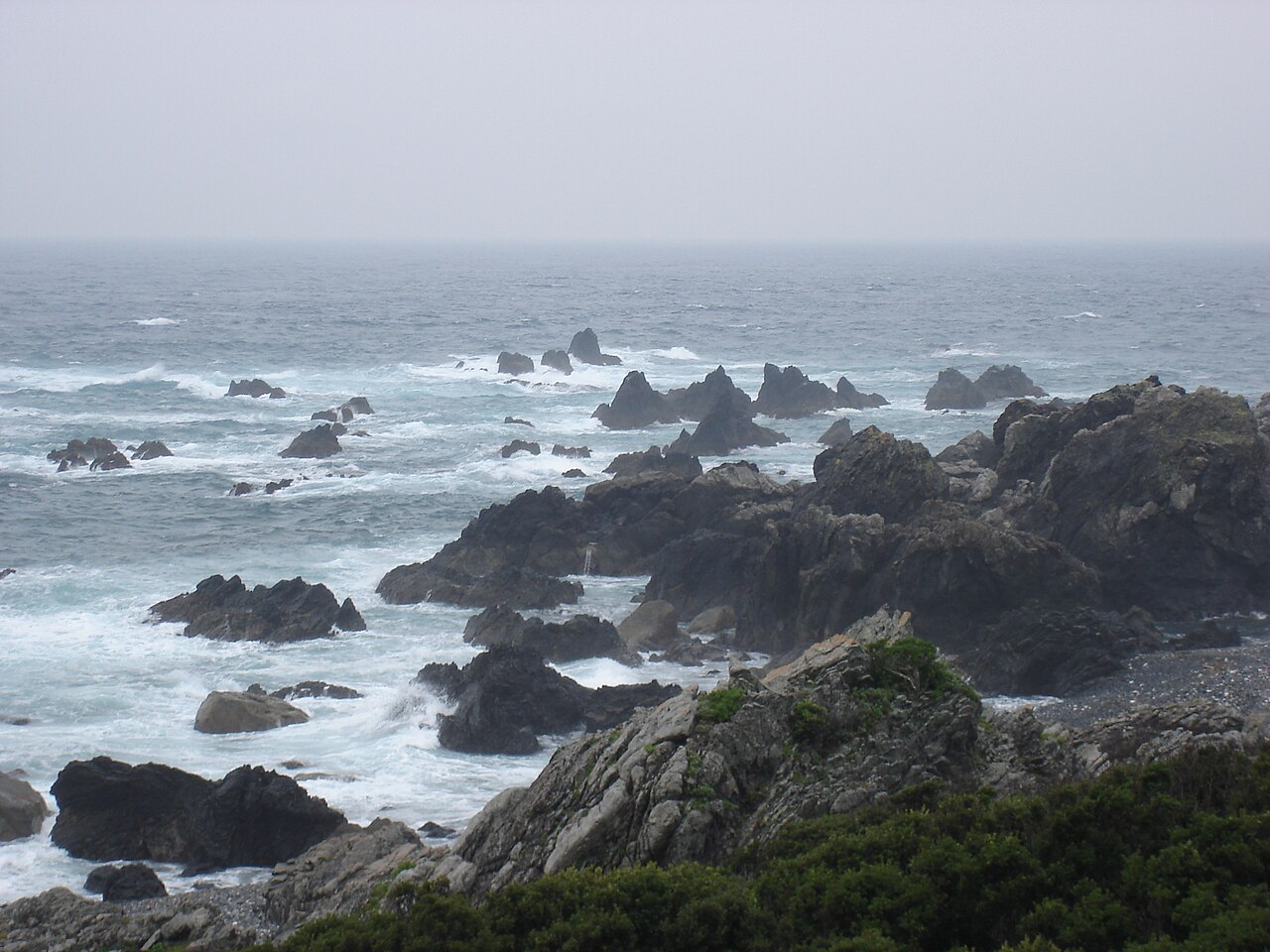
The Kuroshio Current, which drives the warm, nutrient-rich waters along this coast, is what makes Kochi’s seafood exceptional and what draws the whales. The same current produces the clear, warm water that makes the Tosa coast attractive for summer swimming — some of the most swimmable beaches in Shikoku are within an hour of Kochi City.
Cherry Blossom at Kochi Castle (Late March–April)
Kochi Castle is the best location for cherry blossom viewing in the prefecture. The castle grounds and the approach avenue along Kenchomae are planted with hundreds of trees, and the combination of the original Edo-period castle tower (one of only twelve original castle towers remaining in Japan) against a backdrop of full blossom is genuinely striking.
The blossom season typically runs from late March through mid-April, peaking around the first week of April depending on the year. Evening illuminations of both the castle and the blossoms extend the viewing into the night. The grounds remain free to enter; the castle tower charges ¥420 for adults.
The Harimaya-bashi Park, a short walk from the castle, is a secondary blossom location and tends to be quieter than the castle grounds during peak bloom.
Planning Around Events
Yosakoi accommodation should be arranged at least three to four months in advance — Kochi City has a limited hotel stock relative to the number of visitors the festival attracts, and prices rise significantly during August 9–12. The period immediately surrounding Yosakoi (August 7–14) is generally expensive and busy; arriving two or three days before the main festival dates allows you to find good viewing positions at rehearsal events while accommodation remains more available.
Whale watching requires no advance booking for the boat itself if you are flexible about timing, though weekend morning slots fill faster in July and August. Phone or online reservation the day before is generally sufficient outside peak summer weekends.