Kochi rewards the kind of trip that mixes eating well with making something by hand and ending the day somewhere that takes your breath away. The prefecture sits at the edge of Shikoku — a coastline with very few tourists and a food culture built on ingredients pulled directly from the Pacific. The distance from Osaka or Tokyo is the point: Kochi feels genuinely away, which is exactly what a good group trip needs.
Hirome Market: Kochi’s Best Communal Eating
Hirome Ichiba is a covered hall near the base of Kochi Castle where dozens of independent food and drink stalls share a common seating floor. It functions something like a permanent food festival, and the communal tables mean your group can collectively order from multiple stalls simultaneously, covering more ground in a single sitting than would be possible at a conventional restaurant.
The essential order is katsuo no tataki — bonito caught from the Pacific, seared over flaming rice straw, served in thick slices with ginger, garlic, myoga, and ponzu. The straw-fire method is particular to Tosa, and the flavour of the smoke differentiates it from standard sashimi in a way that is easy to taste. Most stalls offer it for ¥500–800 per serving. Order one round to share first, then return to the best stall for a second.
Beyond tataki: sawachi ryori (large platters of mixed Tosa dishes, including raw fish, grilled items, and dressed vegetables) is available at some stalls for ¥2,000–4,000 per platter and is designed for sharing. Kochi sake — from local breweries in the city and surrounding countryside — is excellent and available by the glass for ¥400–600. A leisurely Hirome session for a group of four runs ¥3,000–5,000 per person.
Sunday Market: Antiques, Plants and Local Food
The Nichiyo-ichi (Sunday Market) on Otesuji Avenue runs every week of the year without fail, stretching for approximately one kilometre along the broad central boulevard. It is Japan’s longest-running outdoor market, operating continuously since the late 17th century.
The market is particularly good for antique ceramics, old lacquerware, vintage textiles, and the kind of perfectly weathered household objects that photograph beautifully and pack into luggage without much difficulty. Fresh produce vendors sell citrus, dried bonito, pickled vegetables, and seasonal items. Local artisans display handmade goods alongside the more practical stalls. Budget ¥5,000–10,000 per person for a session of relaxed browsing and selective buying.
The market begins winding down by early afternoon, so arrival before 9am gives the best combination of stock and atmosphere before the crowds arrive.
Tosa Washi Paper Craft in Ino Town
Ino Town, about 30 minutes west of Kochi City by tram or local train, is the centre of Tosa washi production — a tradition of handmade paper that has continued here for over 1,000 years. Tosa washi is considered among the finest in Japan, used in traditional bookbinding, art, restoration of historical documents, and calligraphy.
The Tosa Washi Experience Center offers hands-on papermaking sessions for ¥1,500–2,500 depending on the format chosen. The basic workshop runs about 45 minutes and produces one or two sheets of washi that can be pressed and dried while you continue your visit. More involved workshops allow you to embed flowers, leaves, or other materials in the paper as you form the sheet.
The finished paper carries the texture and translucency that distinguishes handmade washi from machine-produced alternatives. It makes a genuinely useful and lightweight souvenir — suitable for framing, letter-writing, or further craft projects at home.
Cape Ashizuri
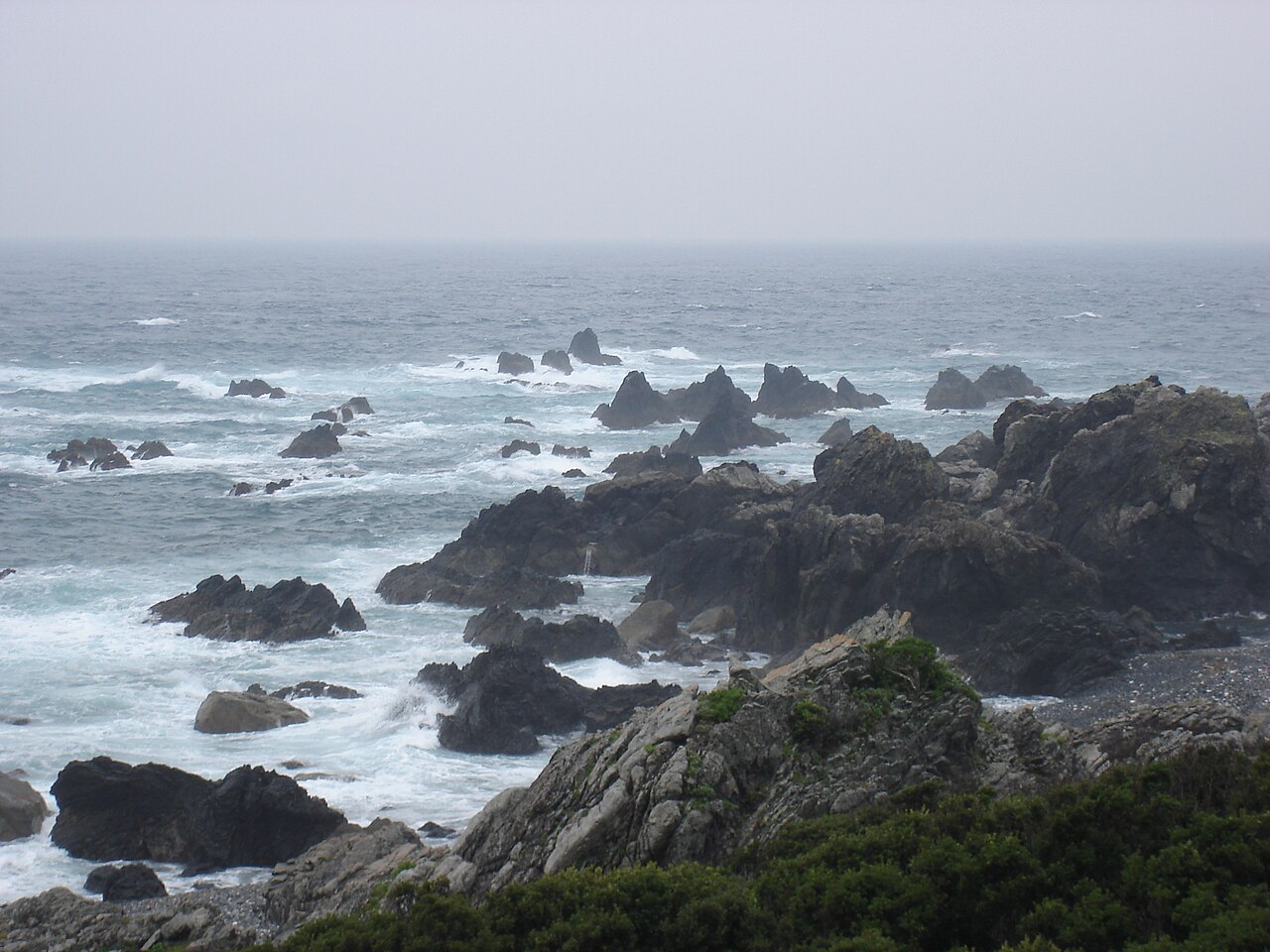
Cape Ashizuri is the southernmost point of Shikoku, a narrow peninsula of forested cliffs dropping directly into the Pacific. The scenery is stark and dramatic in a way that is rare in Japan: white lighthouse, dark rock, deep blue ocean, almost no buildings in sight.
The main clifftop walking path follows the headland edge for about two kilometres, passing the lighthouse and several viewpoints where the rock drops 100 metres or more to the water. The path is well maintained and takes about 90 minutes at a relaxed pace. On clear days the sense of standing at the edge of something — geographically and atmospherically — is tangible.
Kongofukuji Temple (Temple 38 of the Shikoku 88), set among the trees just back from the cliff edge, adds a contemplative counterpoint to the landscape. The temple has been here for over 1,000 years, and the combination of ancient buildings, ocean light, and complete quiet is striking even for visitors with no interest in the pilgrimage.
Accommodation at the cape is available at ryokan ranging from ¥18,000 to ¥35,000 per person, typically including dinner and breakfast. The seafood served at cape ryokan is among the best in the prefecture — the proximity to open ocean gives the kitchen access to species rarely seen elsewhere.
Travel from Kochi City to Cape Ashizuri takes approximately two hours by train and bus, or 90 minutes by car. An overnight stay is highly recommended rather than a rushed day trip.
Kochi City Shopping
The Obiyamachi and Harimaya-cho arcades in central Kochi City provide covered shopping streets with local food producers, craft shops, and clothing retailers. The arcades are best for picking up regional pantry items — yuzu kosho, dried bonito, local soy sauce, and bottled Tosa sake — that travel well. Several shops along Harimaya-cho stock Tosa washi stationery in packaged form, useful for those who missed the Ino Town workshop.
The Hirome Market building also has a small selection of craft and souvenir vendors on the outer edges of the hall, generally open from mid-morning through the evening market hours.
Getting There and Around
The easiest access to Kochi from Honshu is by highway bus from Osaka or Kyoto (approximately 3.5–4 hours, ¥4,000–6,000 one way) or by direct flight from Tokyo Haneda (approximately 70 minutes, ¥10,000–22,000 depending on booking timing and airline). Local transport within Kochi City is handled by the Tosaden tram network. A one-day tram pass (¥500) covers the routes between the station, the castle district, and the tram stop nearest Hirome Market.
For Cape Ashizuri, the Tosa Kuroshio Railway runs from Kochi to Nakamura (approximately 1.5 hours), from where connecting buses serve the cape in a further 40 minutes.