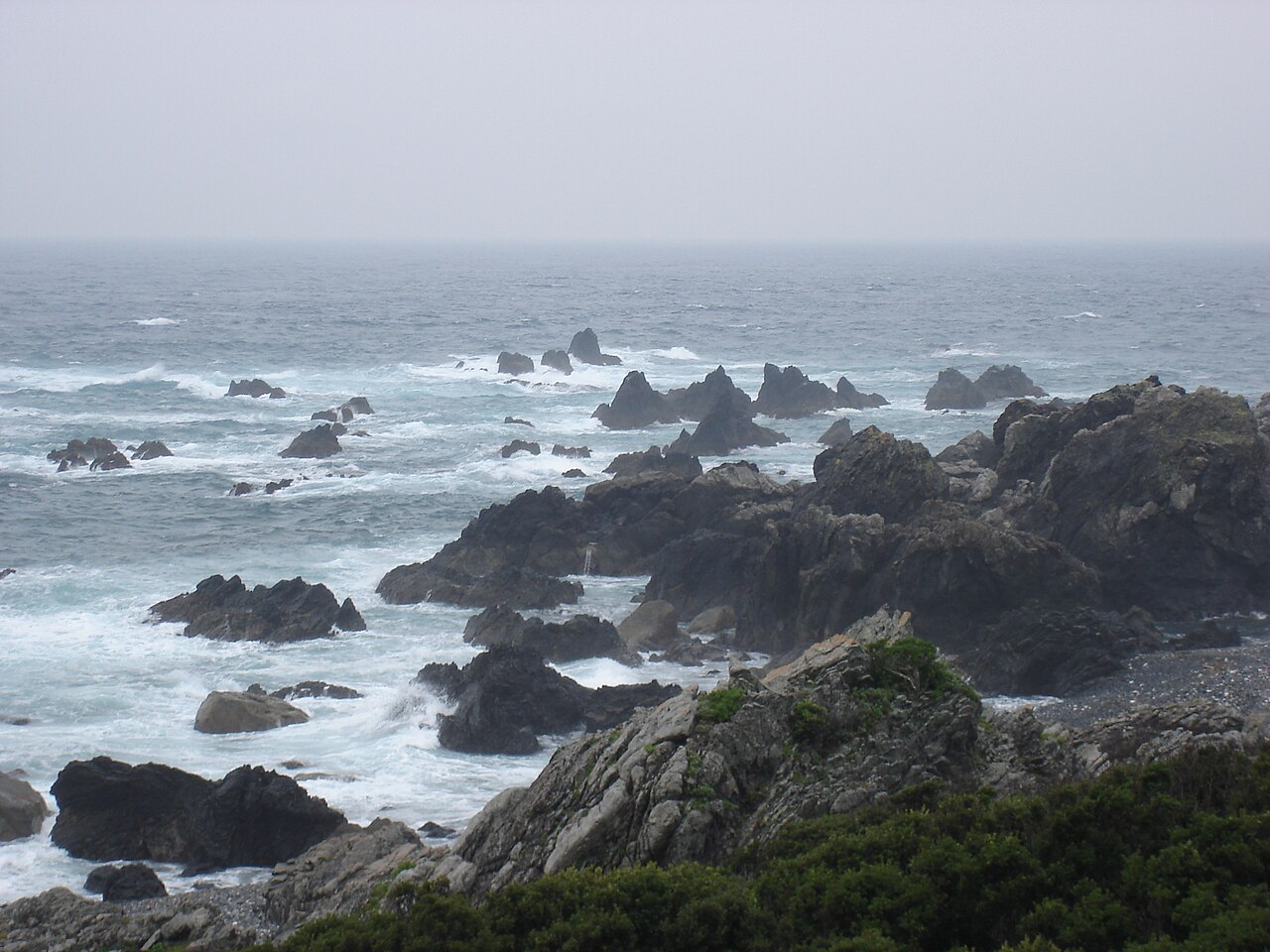
Kochi faces the Pacific more directly than any other prefecture in Japan. The Kuroshio Current — the powerful warm ocean current that flows northeast from the tropics — passes just off its coastline, pushing enormous marine life into the waters offshore. Inland, two extraordinary rivers cut through the mountains of the Shikoku interior, their water so clear in places that each stone on the riverbed is individually visible from a standing canoe. And in the middle of Kochi City, a market that has operated every Sunday for more than three hundred years spreads along a kilometre of tree-lined boulevard, selling everything from fresh produce to antiques to locally farmed citrus. Kochi’s leisure culture is rooted entirely in the natural and the local, and it is better for it.
Shimanto River Canoeing
The Shimanto River has been called Japan’s last clear river. It carries no major dams on its main stream, which is extraordinary in a country where virtually every other significant waterway has been dammed, diverted, or channelled. The river runs approximately 196 kilometres from its source in the mountains of western Kochi to the sea at Shimanto City, and along its lower reaches the water moves at a pace that is ideal for open canoes and kayaks — steady enough to cover distance, calm enough to appreciate the banks of willow, the traditional sinking bridges (chinkabashi), and the herons standing in the shallows.
Canoeing Operators and Prices
Several operators in Shimanto City and the surrounding area offer guided canoeing experiences on the lower Shimanto. A standard half-day guided session with equipment rental costs ¥3,500 to ¥5,500 per person depending on the operator and the route length. Full-day options run to ¥8,000 per person and typically cover a longer stretch of river with a packed lunch stop on a mid-river gravel bar. No previous paddling experience is required. All operators provide basic instruction before departure and a safety briefing that covers the few river hazards — primarily the occasional small rapid near the bridge crossings at higher water.
The best season is from April through October, when water levels are moderate and the weather is stable enough for comfortable time on the water. Late July and August bring the warmest air temperatures but also the risk of sudden rainfall from the Pacific typhoon track; August bookings are best confirmed a day in advance. October is arguably the finest month: the air is crisp, the river is low and particularly clear, and the surrounding hills begin to show the first hints of autumn colour.
Shimanto Cycling
For those who prefer wheels to paddles, the lower Shimanto valley is one of the best cycling routes in all of Shikoku. Rental bicycles are available in Shimanto City for approximately ¥2,000 per day, and the roads along both banks of the river are narrow, lightly trafficked, and flat enough to be accessible to casual riders. The traditional sinking bridges — wooden crossings built low enough to disappear beneath floodwater rather than being destroyed by it — appear at regular intervals along the route and are worth stopping to examine closely. There are fourteen sinking bridges on the main Shimanto alone.
Whale Watching from Ogata
From the small port of Ogata on the southern Kochi coast, boats depart regularly between April and October in pursuit of the sperm whales, Bryde’s whales, and occasional humpbacks that move through the deep offshore waters where the Kuroshio Current runs strongest. The whale watching season here is longer than almost anywhere else in Japan precisely because the Kuroshio keeps the water warm and whale-rich through a larger portion of the year.
What to Expect
The boats from Ogata are mid-sized vessels capable of holding 20 to 40 passengers and equipped with observation decks above the main cabin. The journey to the whale ground takes around 30 to 60 minutes from port depending on where the whales have been sighted on any given day. Sperm whales are the most commonly encountered species. They are large, deep-diving animals whose most dramatic moment is the fluke lift — the tail rising clear of the water as the whale begins a dive that may last 40 minutes or more. The boats maintain a respectful distance in accordance with whale watching guidelines, but sightings at close range are not uncommon.
A standard whale watching tour from Ogata costs approximately ¥8,500 per adult. Most tours run for two to three hours on the water. The sighting rate is high for an operation of this kind — operators quote encounter rates above 90 percent during the peak season — but cannot be guaranteed. On days with no sighting, some operators offer a partial refund or rebooking option. Children under 12 are typically charged ¥4,500.
Getting to Ogata
Ogata is accessible from Kochi city by the Tosa Kuroshio Railway to Kuroshio-cho station, followed by a local bus or taxi to Ogata port. The total journey takes approximately 90 minutes. By rental car, the coastal route from Kochi is around 75 minutes and passes through fishing towns worth stopping in. Booking in advance is strongly recommended from May through August, when tours fill several days ahead.
Kochi Sunday Market
The Nichiyo-ichi — literally the Sunday Market — is one of the longest-running outdoor markets in Japan. It has been held every Sunday along the Otesuji boulevard in central Kochi for over three centuries, and today stretches nearly a kilometre with more than 500 stalls. This is not a tourist market in any sanitised sense. It sells what the surrounding region produces: yuzu citrus, Tosa ginger, rare varieties of garlic, fresh myoga, locally made knives and tools, pottery from Tosa workshops, dried seafood, antique ceramics, second-hand gardening equipment, and dozens of prepared food items cooked on site.
Walking the Market
The market begins at the end nearest Kochi Castle, where produce stalls concentrate, and extends southeast toward the commercial district. The middle section has the highest density of interesting small stalls — craft goods, old tools, freshly pressed oils — while the far end transitions toward plants, seedlings, and hardware. A single walk from one end to the other takes around 30 minutes if you do not stop; with stops for buying, tasting, and examining goods, two hours passes without difficulty.
Prices are low by any standard. A large bunch of yuzu citrus costs ¥200 to ¥400 depending on the season. Fresh-made Tosa katsuo tataki — the signature straw-seared bonito dish — can be had as a takeaway portion for ¥500 to ¥800 from stalls near the market’s midsection. Cash is essential; very few stalls accept electronic payment. Arrive before 09:00 to see the market at its busiest and to access the best selection of fresh produce.
Niyodo River
The Niyodo River, north and west of Kochi city, is arguably the most visually striking body of freshwater in all of Japan. The river runs through a gorge of pale limestone and marble, and the optical interaction between the pale riverbed, the overhanging forest, and the particular quality of Shikoku light produces a shade of turquoise that most visitors assume must be photographic manipulation when they first see images of it. It is not. The colour is real, and standing beside it is one of those travel experiences that genuinely exceeds expectation.
SUP (stand-up paddleboarding) and kayaking sessions on the Niyodo are available through operators based in Ino Town, approximately 30 minutes west of Kochi by the JR Dosan Line. Guided sessions start at ¥4,500 per person for a two-hour guided introduction. The river is best visited in May and September when rainfall has been moderate and the turquoise colour is at its most intense. Heavy rain temporarily muddies the water, so checking river conditions before travelling is worthwhile. The most spectacular viewing points are accessible by rental car along Route 33 and its branching prefectural roads north of Ino.
Hirome Market
In the centre of Kochi City, Hirome Market is an indoor covered hall packed with small food and drink stalls — izakaya counters, katsuo tataki specialists, craft sake sellers, yakitori stands, and fresh fish vendors — that operates daily from morning until late evening. It is loud, sociable, and inexpensive. A plate of katsuo tataki at one of the tataki specialists costs ¥700 to ¥1,200 depending on portion size, and a glass of Tosa sake from a local brewery runs ¥500 to ¥800. Seating is communal, and the Kochi custom of mingling with neighbouring tables and sharing food is enthusiastically practiced here. Hirome is at its liveliest from early evening through to around 22:00.