Kochi is not the first prefecture that comes to mind when planning an onsen trip in Shikoku. That distinction usually goes to Ehime, with its famous Dogo Onsen, or Tokushima with its valley retreats. But Kochi has its own quieter version of hot spring culture, concentrated in two very different settings: the wild southern coast near Cape Ashizuri, where volcanic activity and coastal drama combine in equal measure, and the deep inland valleys of the Shimanto River basin, where small springs flow beside one of Japan’s last undammed waterways. For visitors who prefer their onsen without the crowds, Kochi offers something genuinely distinctive.
Cape Ashizuri Onsen
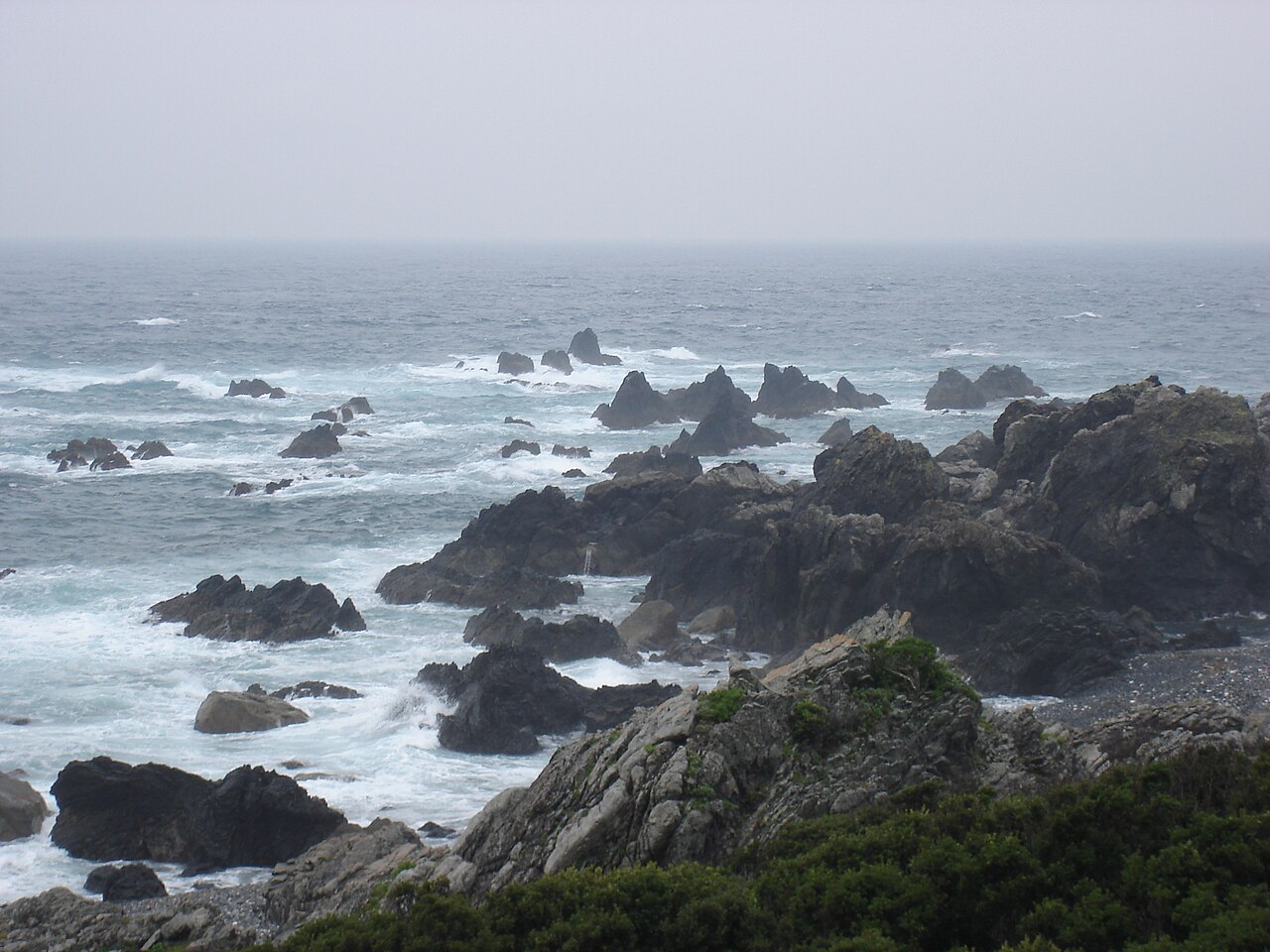
The southernmost cape of Shikoku is a dramatic place. The Pacific Ocean wraps around it on three sides, cliffs drop nearly 80 metres to the sea below, and the lighthouse at the tip has watched over the Tosa Strait for over 160 years. The village of Ashizuri-Misaki, perched near the cape’s end, has for generations served as both a pilgrimage resting point — Kongofukuji Temple, the 38th of the Shikoku 88, sits here — and a retreat for travellers who want to sleep within sound of the sea.
Tsuro Onsen and the Coastal Baths
The onsen facilities around Cape Ashizuri draw water from springs connected to the geothermal activity beneath this tectonically active stretch of coast. The water tends toward a sodium bicarbonate type, noted locally for its smooth texture on the skin and its reputation for improving circulation. Ryokan in the cape area typically offer either open-air baths with direct Pacific views or enclosed baths that open onto enclosed gardens shaped by the coastal wind. The experience of bathing in a rotenburo — outdoor bath — while the ocean occupies the entire horizon is one that very few onsen destinations anywhere in Japan can replicate.
The main cluster of accommodation sits along the approach road to the cape. Ryokan in this area charge ¥20,000 to ¥35,000 per person for a night with two meals, which reflects both the coastal setting and the inclusion of fresh seafood — Pacific bluefin, spiny lobster, and seasonal fish from the Kuroshio Current that passes just offshore. Day bathing (higaeri nyuyoku) is available at some facilities for ¥500 to ¥1,000; call ahead to confirm availability, as day visitors are sometimes restricted during peak ryokan occupancy.
Getting to Cape Ashizuri
From Kochi city, the journey to Cape Ashizuri takes approximately two hours by the Tosa Kuroshio Railway Ashizuri Line to Tosashimizu, followed by a local bus to the cape (around 40 minutes, ¥550). The total journey time is roughly 2.5 hours from central Kochi. By car, the route along National Route 321 — known locally as the Sunlit Road — follows the Tosa coastline through small fishing villages and is genuinely scenic. The drive from Kochi takes approximately 90 minutes. A rental car significantly simplifies the day if you plan to visit the lighthouse and Kongofukuji Temple alongside bathing.
Shimanto River Valley Onsen
The Shimanto River descends from the mountains of western Kochi through a valley that has remained largely unchanged for decades. There are no large dams on its main stream. The water runs clear enough to see the riverbed. The valley is threaded with narrow prefectural roads, small farming communities, old sinking-bridge crossings, and, at intervals, small lodgings that offer hot spring baths beside the river.
Shimanto Onsen Character and Setting
The springs in the Shimanto basin are modest in scale but exceptionally well-situated. Several eco-lodges and small ryokan in the Nishitosa area offer baths that look directly onto the river. The water temperature is typically around 40 to 42 degrees Celsius. The alkaline quality of the water is gentle enough for long soaks. Soaking here in the early evening, when mist rises off the river and the surrounding forest begins to settle into darkness, is a quiet and restorative experience that contrast markedly with the more dramatic setting of the cape baths.
Accommodation along the Shimanto ranges from simple eco-lodges at ¥6,000 to ¥12,000 per person to more traditional ryokan-style lodgings that include meals. The meals lean heavily on Shimanto River ingredients — ayu sweetfish, river shrimp, and freshwater eel alongside local Tosa vegetables.
Access to the Shimanto Valley
The nearest rail access to the Shimanto River area is Shimanto Station on the Tosa Kuroshio Railway Yodo Line, roughly 90 minutes from Kochi city by express train. From the station, local bus services reach some riverside areas, but the valley is spread over a considerable distance and a rental car or bicycle makes exploration far more practical. Cycling between onsen and sightseeing points along the river is itself one of the pleasures of the area.
Tosa Kuroshio Coastal Baths
Between Kochi city and Cape Ashizuri, the stretch of coast facing the Kuroshio Current hosts several smaller hot spring facilities in towns such as Susaki and Kuroshio-cho. These are generally public bathhouse-style facilities — sento-scale rather than resort-scale — and admission typically runs ¥400 to ¥700. The atmosphere is local and unhurried. These baths are used primarily by fishermen, farmers, and other residents of the surrounding towns rather than tourists, which means they offer a glimpse of everyday Japanese onsen culture without the performance aspect of a resort setting.
Kuroshio-cho itself is known for whale watching departures from Ogata port, which makes a combination of morning whale watching and afternoon onsen bathing a very practical itinerary for a day on the southern coast.
Planning Your Kochi Onsen Trip
Kochi’s onsen landscape rewards visitors who think of hot springs as part of a broader experience rather than the destination in itself. The Cape Ashizuri ryokan are best booked two to three weeks in advance during the Golden Week period in late April to early May and during the August Yosakoi Festival season, when accommodation across Kochi fills quickly. At other times of year, particularly from October through March, the cape and valley are quieter and reservations are easier to secure at short notice.
What to Bring
Small items make a significant difference at onsen. A modest tenugui cotton towel serves as both body towel and modesty cloth and fits easily in a day bag. Most ryokan provide yukata robes and towels for guests, but day bathers at smaller facilities should bring their own. Tattoos remain a restriction at many onsen in Kochi, as elsewhere in Japan — check directly with facilities before visiting if this applies to you.
Combining Onsen With Pilgrimage
For visitors walking or driving sections of the Shikoku 88-temple pilgrimage, the Cape Ashizuri area is particularly significant. Kongofukuji Temple 38 sits almost at the cape’s tip, making it one of the most remote and emotionally resonant temples on the entire circuit. Spending the night in a cape ryokan after completing the approach to Temple 38 — bathing, eating well, and sleeping within sound of the Pacific — is an experience that pilgrims and non-pilgrims alike describe as genuinely memorable.