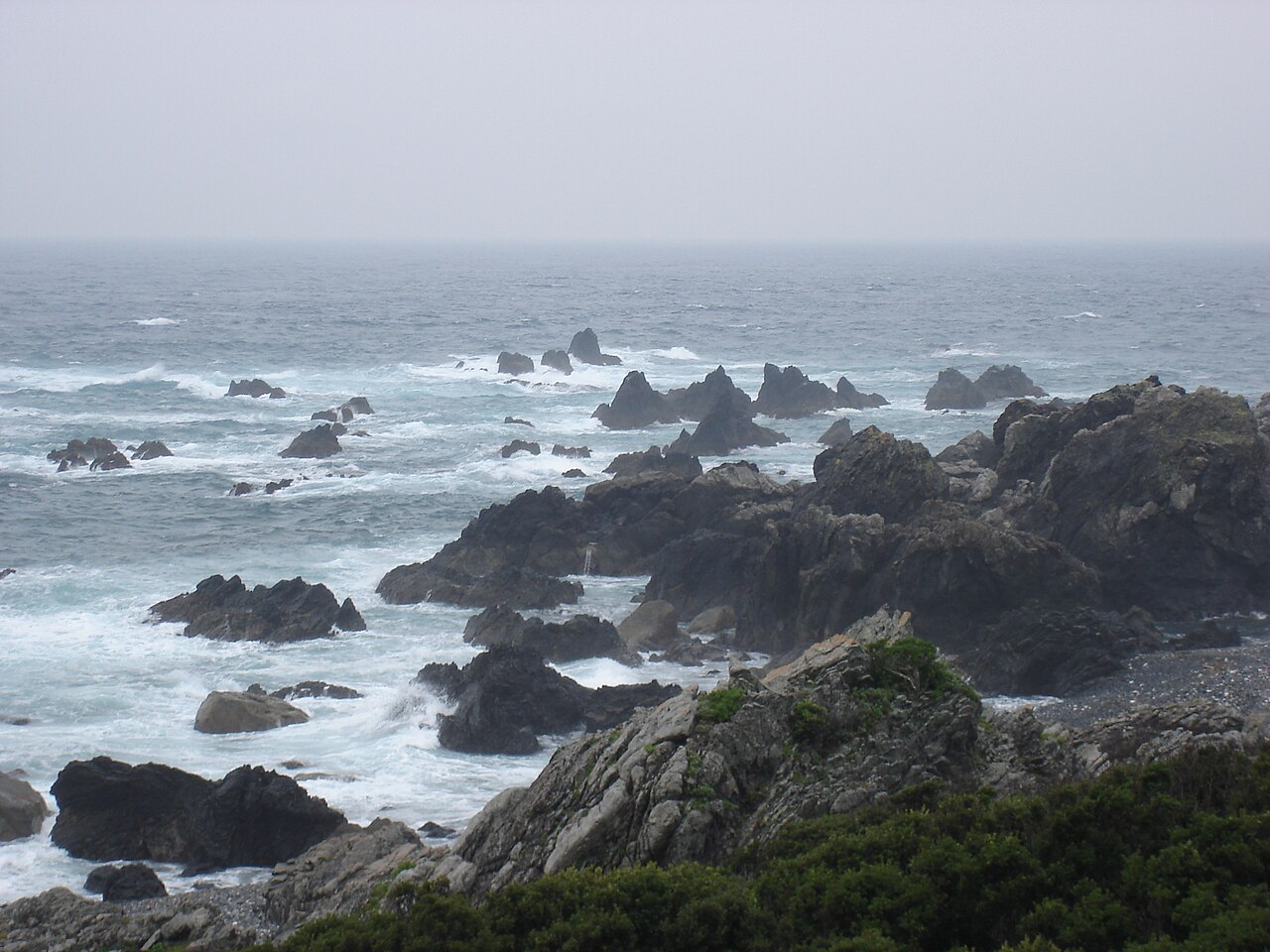
The Shikoku Pilgrimage is Japan’s most famous walking pilgrimage, a 1,200-kilometre circuit of 88 temples associated with the revered monk Kobo Daishi (Kukai), who was born on the island. Each of Shikoku’s four prefectures represents a stage of spiritual progress, and Kochi — old Tosa — is the longest and most demanding, known as the ‘dojo of ascetic training’. Its 16 temples are spread far apart along a wild stretch of Pacific coast and mountains, from Cape Muroto in the east to Cape Ashizuri in the far south, testing the pilgrim’s endurance and resolve. You need not walk the whole route: visitors can experience the pilgrimage by visiting individual temples, meeting white-clad pilgrims, and sensing a spiritual tradition alive for over a thousand years.
🗓️ At a Glance
| Location | Across Kochi Prefecture |
| Hours | Temples ~7:00–17:00 |
| Admission | Free; sutra book/stamps extra |
| Time needed | A temple visit to days |
| Best time | Spring and autumn for walking |
What to See
- The 16 Kochi temples of the 88-temple pilgrimage.
- The ‘dojo of ascetic training’, its longest, hardest stage.
- White-clad pilgrims (henro) on their journey.
- Temples from Cape Muroto to Cape Ashizuri.
Combine Your Visit
- Combine with Cape Ashizuri and its temple.
- Pair with Cape Muroto in the east.
- Read our Kochi overview .
Getting There
- By car: the practical way to reach scattered temples.
- On foot: true pilgrims walk long stretches between temples.
Tips
You don’t need to walk the whole circuit — visiting a few of Kochi’s temples gives a real sense of the pilgrimage, so pick accessible ones like those at the two great capes. Observe temple etiquette and be respectful of pilgrims at prayer, consider a sutra stamp book as a meaningful memento, and come in spring or autumn if you plan any walking.