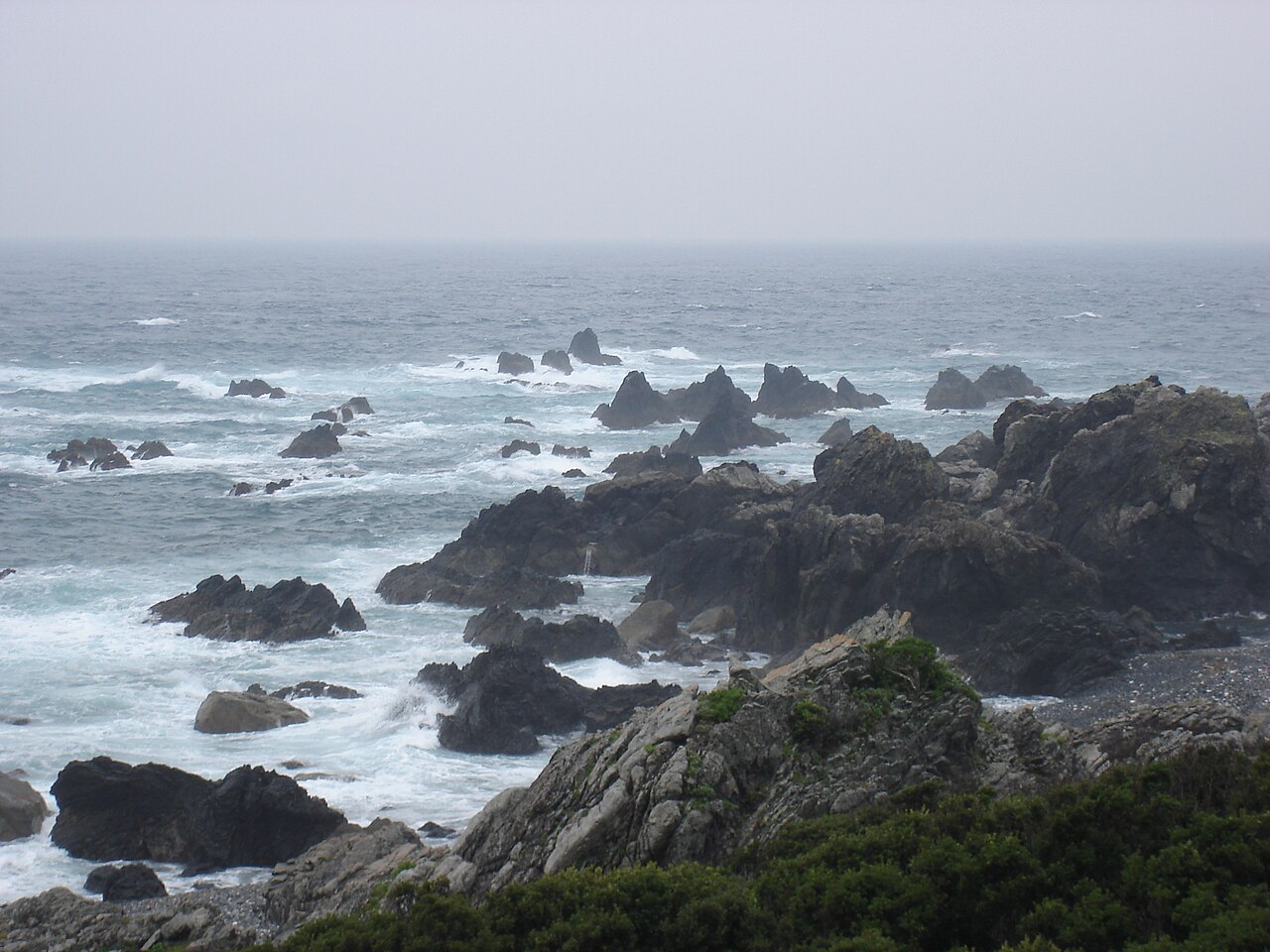
Kochi’s food culture is confident and characterful in a way that reflects the prefecture’s historical independence. The Tosa domain was famously resistant to central authority during the Edo period, and something of that spirit persists in the local approach to eating: bold flavours, generous portions, a preference for raw or minimally processed ingredients, and a strong attachment to local production. The defining dish — katsuo tataki, seared bonito — is one of the most distinctive preparations in Japanese cuisine, and eating it in Kochi using the local wood-fire technique and the season’s first or last bonito is a genuinely different experience from encountering it elsewhere.
Katsuo Tataki: Kochi’s Defining Dish
Katsuo (bonito or skipjack tuna) is caught in the Pacific waters to Kochi’s south and has been the cornerstone of local cuisine for centuries. The preparation called tataki involves searing a thick fillet of fresh bonito over open flames until the outer surface turns white and begins to colour while the interior remains completely raw. In Kochi, the traditional fuel is wara — dried rice straw — which burns intensely hot and fast, imparting a subtle smokiness that gas-flame versions cannot replicate.
The cooked fillet is immediately sliced into thick pieces and arranged over ice. It is served with condiments: thin slices of raw garlic, grated fresh ginger, myoga (Japanese ginger bud), shiso leaf, and ponzu — a citrus-soy dipping sauce. There is no single correct way to eat it; most locals use multiple condiments simultaneously.
The Two Bonito Seasons
Bonito runs in Kochi’s coastal waters twice per year. The first bonito (hatsu-gatsuo) arrives in March to May, moving northward from the tropics. These fish are lean, clean-flavoured, and delicate. The returning bonito (modori-gatsuo) passes through again in September and October, heading south after a summer feeding on mackerel and sardines in the waters off Hokkaido. Returning bonito are substantially fatter and richer than spring fish, and many Kochi residents consider them superior.
Both seasons are celebrated. If you are visiting in October, prioritise ordering modori-gatsuo tataki wherever you eat. The flavour difference from a standard supermarket tataki — or even a Kochi tataki in May — is significant.
Where to Eat It
Hirome Market is the most accessible place for first-time visitors. Multiple stalls grill to order using wara fires visible from the communal seating area. A plate costs ¥1,200 to ¥1,800 depending on portion size and stall. Tosa-Uoman, on the Harimayabashi area near the covered shopping streets, is a more formal restaurant version for those who want table service and a full meal. Budget ¥2,500 to ¥4,000 for a sit-down tataki meal with rice, soup, and drinks.
Hirome Market in Detail
Hirome Ichiba, the indoor market near Kochi Castle, is the social hub of Kochi City. It functions simultaneously as a food hall, izakaya, neighbourhood meeting place, and tourist attraction — without feeling cynical about any of those roles. The mix of locals and visitors eating side by side at long shared tables is genuinely egalitarian.
Beyond tataki, the stalls cover the full range of Tosa cuisine and more. A thorough visit might include: yawatahama-style champon (a creamy pork-and-seafood noodle soup), Tosa gyoza (small dense dumplings with a crisp-bottomed fry), grilled whale (in autumn and winter, from a dedicated stall), raw sea cucumber with ponzu, and side orders of local pickles and citrus-dressed salads. Cold Kirin draft beer is available from multiple stalls; Kochi local sake labels including Suigei are on the menu at the sake-specialist stalls.
The market runs from lunch through 11 pm most days, and peaks between 6 and 9 pm. Weekend afternoons are also lively. Budget ¥1,500 to ¥2,500 per person including food and drinks. No reservation needed — find any open seat and order from the stall nearest you.
Sunday Market Food Stalls
The Nichiyo Ichi Sunday Market, running every Sunday along Otesuji Boulevard from dawn to early afternoon, is not primarily a food market, but the food it does offer is worth seeking out. The vegetable and plant stalls at the rural end of the market let you see the range of Tosa-grown produce: yuzu citrus, winter vegetables, dried bonito flakes in bulk, local miso, and various pickles.
The food stalls proper are concentrated toward the castle end of the market. Tamago pan — small egg rolls baked in individual moulds, similar to egg waffles — are the most popular street food. Freshly pressed citrus juices, grilled mochi with sweet miso sauce, and seasonal fruit are also common. The best approach is to walk the full length of the market grazing as you go, spending ¥100 to ¥300 per stall.
Tosa Sawachi Cuisine
Sawachi ryori is the traditional banquet cuisine of Tosa, built around large lacquer dishes (sawachi) 30 to 50 centimetres in diameter, loaded communally with sashimi, grilled fish, tataki, boiled seafood, and seasonal vegetables. The style is associated with celebrations — weddings, harvest festivals, neighbourhood gatherings — rather than everyday meals, and it embodies the Tosa attitude toward generosity and abundance at the table.
Experiencing sawachi properly requires either attending a Kochi wedding or eating at a kaiseki ryokan that maintains the tradition. The Sansuien Hotel in Kochi City occasionally offers sawachi-style banquet dinners for advance reservations; some ryokan in the Ura-Tosa area on the Pacific coast specialise in the style. Expect ¥5,000 to ¥10,000 per person for a proper sawachi experience at a ryokan.
Yuzu and Umaji Citrus Products
Kochi Prefecture is the largest yuzu-producing region in Japan. The Umaji and Kitagawa areas in the eastern mountains grow the majority of the prefecture’s yuzu crop. Yuzu’s fragrant yellow rind and tart juice are used in a broader range of Kochi cooking than in most of Japan: yuzu ponzu (citrus-soy dipping sauce), yuzu miso (fermented paste with yuzu rind), yuzu kosho (a condiment of raw yuzu rind ground with chili), and yuzu-cha (a hot drink made with preserved yuzu stirred into hot water).
The Umaji Mura cooperative sells its yuzu products throughout Kochi and nationally online. In Kochi City, the covered shopping streets near Kochi Station stock the full range. Yuzu kosho is a particularly good souvenir — refrigerate after opening and use it with tataki, on grilled meat, or stirred into ramen.
Kochi Sake: Suigei and More
Kochi City’s most internationally known sake label is Suigei (Drunken Whale), a dry, clean junmai produced by Suigei Shuzo in Kochi City. It is served at izakaya throughout the prefecture and exported to Japan-specialist sake bars globally. The dry style pairs well with tataki and raw seafood.
Other notable labels: Tsuki no Katsura (from Kochi City, a lighter style), Tosa Tsuru (slightly sweeter, produced in eastern Kochi). Several smaller rural breweries produce seasonal limited releases, available at the dedicated Kochi sake section at major department stores or directly from the breweries.
Many izakaya in Kochi City serve sake by the glass (¥350 to ¥600) or by the tokkuri (180ml ceramic flask, ¥600 to ¥900). Ordering a glass of local Suigei alongside a plate of katsuo tataki is the simplest and most satisfying way to eat in Kochi.
Practical Eating Guide
Kochi City’s restaurant scene is concentrated in two main areas. The covered Obiyamachi and Harimayabashi shopping streets running south from Kochi Station have good lunch options including ramen, set menus, and casual cafes. The izakaya district east of the castle, around Denchubashi and Sanbashi streets, comes alive from 6 pm onward and offers the most authentic evening eating in the city.
Kochi restaurants are generally informal and inexpensive by Japanese urban standards. A full dinner with drinks at a local izakaya typically runs ¥2,000 to ¥3,500 per person. The city sees relatively few international visitors, which means menus are primarily in Japanese; pointing at neighbouring tables or at photographs in the menu works fine, and most kitchen staff are accustomed to indicating dishes by hand.