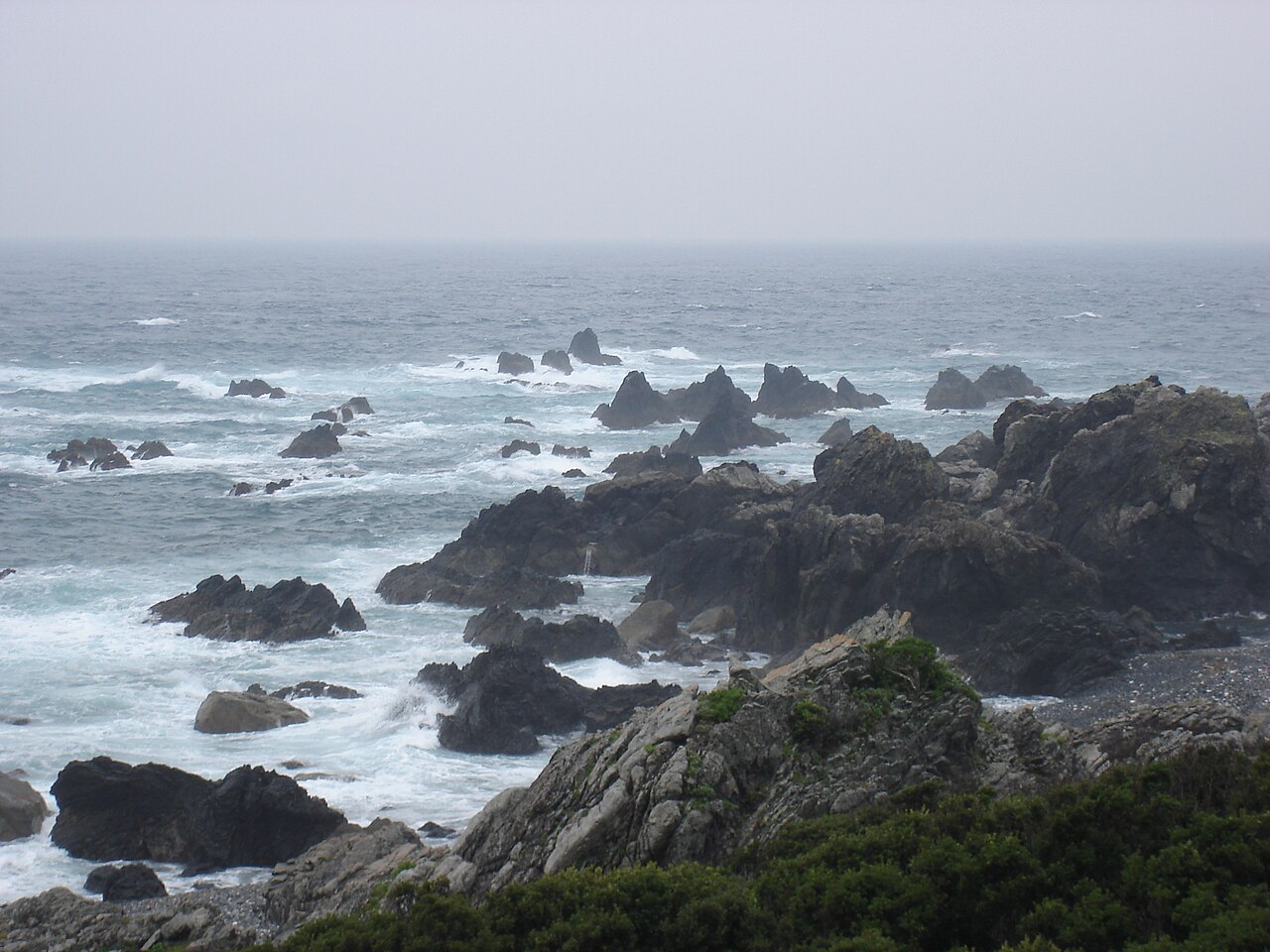
Kochi is one of the easiest prefectures in Japan for solo travel. It is big enough to hold genuine variety — coastline, rivers, mountains, a lively city market, an ancient pilgrimage — and small enough that getting around never feels overwhelming. The people of Tosa Province have a reputation for directness and warmth that translates well for independent visitors arriving without a group. Whether you want to pedal along a river valley for two days, work through a market stall by stall, or walk the final stretch of the Shikoku 88, Kochi shapes itself well around a traveller moving at their own pace.
Kochi Sunday Market (Nichiyo-ichi)
Every Sunday, Kochi City’s central Otesuji Avenue transforms into one of Japan’s longest and most atmospheric outdoor markets. The Nichiyo-ichi, running for over 300 years, stretches for roughly one kilometre and fills with vendors selling everything from fresh vegetables and dried seafood to antique ceramics, hand-forged tools, houseplants, and local food. It is not a tourist market in the curated sense — most vendors are there to sell to locals, which gives the experience an authenticity that many larger city markets have lost.
For solo travellers, this is ideal territory. There is no obligation to buy, no group to wait for, and no shortage of vendors happy to gesture at their wares and share a few words. Arrive early — by 8am — before the crowds thicken and before the day’s heat arrives. Pick up a bag of dried bonito chips or a serving of local citrus and walk the full length before doubling back for anything that caught your eye. Budget ¥2,000–4,000 for a morning of casual grazing and souvenir shopping.
Hirome Market: Solo Izakaya Culture
Hirome Ichiba, a covered market hall a short walk from Kochi Castle, is where Kochi’s food culture concentrates. Dozens of small stalls share communal seating in a structure that feels something like a covered festival square. The standard move is to collect a tray, work through several stalls, and eat at the shared tables surrounded by strangers doing the same thing.
For solo travellers, this is one of the most comfortable izakaya-style environments in Japan. There is no awkwardness in sitting alone — the format assumes everyone is just here to eat and drink. Katsuo no tataki, bonito seared over rice straw and served with ginger and ponzu, is the dish to start with. Most stalls charge ¥500–800 per serving. A glass of local Tosa sake runs ¥400–600. A relaxed meal with two or three dishes and a couple of drinks lands around ¥2,000. The market is open for lunch and through the evening, and the atmosphere builds considerably after 5pm when office workers arrive.
Shimanto River Cycling
The Shimanto River, often described as Japan’s last clear river, runs through western Kochi Prefecture in long green curves between forested hills. The valley is threaded with small roads, sinking submersible bridges (chinbotsubashi), and almost no traffic. It is widely considered one of the finest cycling routes in Shikoku, and the flat terrain means no particular fitness level is required.
Bicycle rental is available in Nakamura (now officially called Shimanto City), the main town at the river’s lower end, accessible by train from Kochi on the Tosa Kuroshio Railway in about two hours. Rental costs approximately ¥2,000 per day for a basic bicycle. A full day’s cycling along the river allows you to cover 40–60 kilometres of valley road, crossing several of the low sinking bridges that dip just below the waterline during floods rather than blocking the current. The sight of a bridge submerging in rain-swollen water is distinctive — if the river is high, a bridge may actually be impassable, but the alternate roads are easy to follow.
Accommodation in the Shimanto area ranges from riverside guesthouses to simple lodge-style rooms, typically ¥6,000–10,000 per person. Book ahead during spring and autumn weekends when Japanese cyclists also descend on the valley.
Shikoku 88-Temple Pilgrimage: Temples 24–39
Kochi Prefecture covers roughly 16 temples of the famous Shikoku 88-temple pilgrimage (henro), from Temple 24 (Hotsumisaki-ji, perched on a dramatic cape) through to Temple 39 (Enkoji). This stretch includes the most geographically remote section of the entire pilgrimage, sometimes called the “Dojo of Ascetic Training” (Kujuku-cho no Sato).
Solo travellers who want an immersive physical experience without committing to the full 88-temple circuit can walk or cycle sections independently. Temple 38 (Kongofukuji) at Cape Ashizuri is the southernmost point of the pilgrimage and one of its most emotionally powerful locations: a 1,000-year-old temple on a cliff above the Pacific, where the ocean visible on three sides gives the circuit’s remoteness a physical dimension.
You do not need to be Buddhist or follow the formal pilgrimage to visit these temples. Entry fees are typically ¥300–500 per temple. White pilgrimage jackets and pilgrim books are available at Temple 24 and other starting points for those who want the full experience.
Where to Stay
Kochi City has a solid range of budget and mid-range options within easy walking of the castle, market, and Hirome.
Guesthouses clustered near Kochi Station generally start from ¥3,500 per night for dormitory accommodation and ¥5,500–7,000 for private rooms. Several guesthouses near the Otesuji shopping arcade cater specifically to travellers and will provide locker storage, cycling information, and English-language bus maps. For pilgrimage travellers, the most convenient options are shukubo (temple lodgings) near Temples 36–38, typically ¥5,000–8,000 per person including dinner and breakfast.
Getting Around Kochi
The Tosa Kuroshio Railway is the primary rail route along Kochi’s coast, connecting Kochi City westward to Nakamura and eastward toward Aki. For city travel, the Tosaden tram system runs through central Kochi and is the easiest way to move between the station, Hirome Market, and the castle. A one-day tram pass costs ¥500.
Long-distance bus connects Kochi City with Matsuyama, Takamatsu, and Tokushima for inter-prefecture movement. Overnight highway buses run to Osaka and Tokyo, making Kochi accessible from the major Honshu cities without requiring a flight.
Konbini culture in Kochi is fully functional. Seven-Eleven, FamilyMart, and Lawson branches are present throughout the city and in larger towns along the coast and river valleys. For multiday independent travel in the Shimanto area, stock up in Nakamura before heading into the valley — convenience stores thin out considerably once you leave the main road.
Practical Notes
Kochi’s summers (July–August) are genuinely hot and humid. The Shimanto River area receives heavy seasonal rainfall — the river’s famous clarity is maintained by a watershed with relatively little development, but the same drainage basin produces sudden high water in the rainy season. June is the wettest month.
Autumn (October–November) offers cooler temperatures, clear skies, and reduced crowds, making it arguably the best season for cycling and pilgrimage walking. Spring brings cherry blossoms to the castle grounds and a brief burst of festivity before the heat arrives.