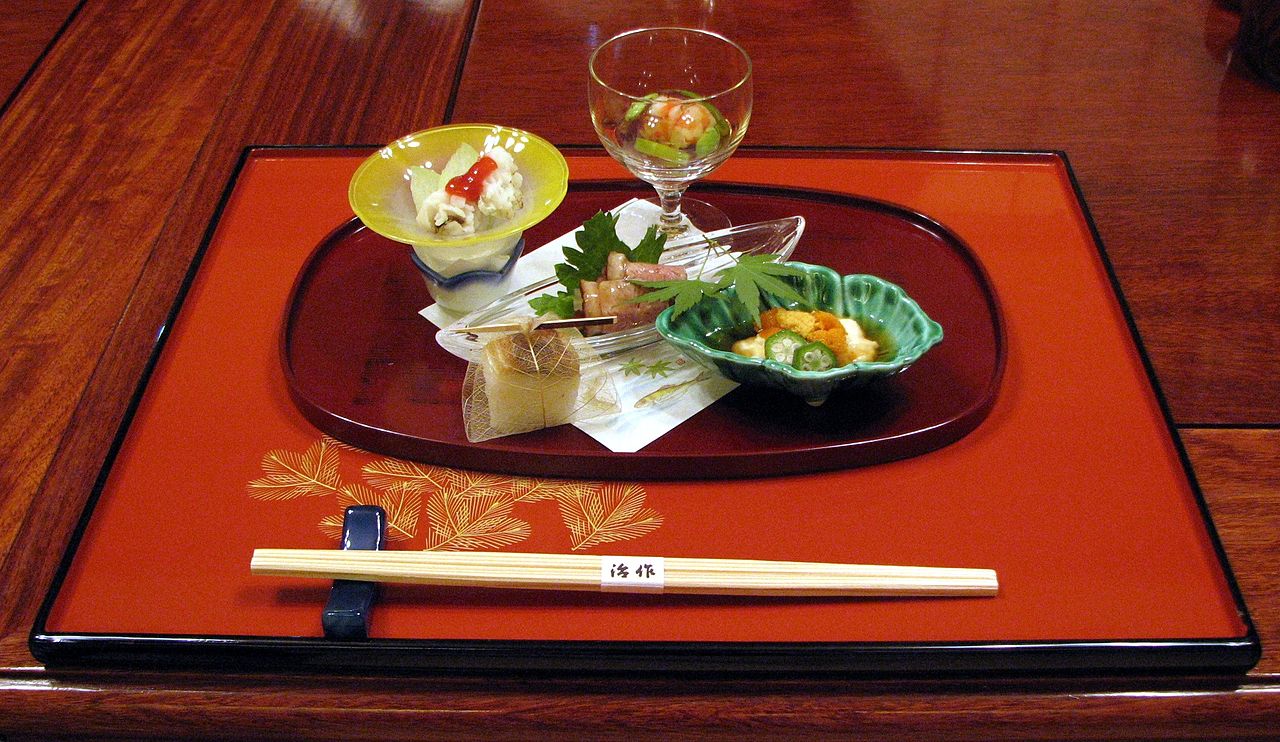
Kaiseki is the pinnacle of Japanese cuisine, and Kyoto is its spiritual home. Born from the refined simplicity of the tea ceremony and the cooking of the imperial court, kaiseki is a multi-course meal that treats food as an art form — each dish a meditation on seasonality, balance, presentation, and restraint. A great kaiseki dinner in Kyoto is not just a meal; it is one of the defining cultural experiences the city offers.
For first-timers it can be intimidating: the etiquette, the cost, the unfamiliar courses. This guide demystifies kaiseki — what it is, how a meal unfolds, what it costs, and how to book and enjoy one with confidence.
🗓️ Quick Reference
| What | Multi-course Japanese haute cuisine |
| Where | Ryotei (traditional restaurants), kappo counters, ryokan |
| Price | ¥8,000–30,000+ per person for dinner (lunch much cheaper) |
| Duration | 1.5–2.5 hours |
| Booking | Essential, often days to weeks ahead |
| Best value | Lunch kaiseki at a fraction of dinner prices |
What Is Kaiseki?
Kaiseki (会席 / 懐石) is a carefully sequenced procession of small, seasonal dishes, each showcasing a different cooking technique and ingredient at its peak. Its philosophy comes from the tea ceremony: harmony with the season, respect for the ingredient, and beauty in simplicity. The chef’s skill lies not in heavy flavours or large portions but in coaxing the essence from each ingredient and arranging it beautifully.
Two things define it above all:
- Seasonality (shun): Ingredients are used only at their seasonal peak. A kaiseki meal in spring, summer, autumn, and winter will be entirely different — bamboo shoots and cherry-leaf in spring, hamo (pike conger) in summer, matsutake mushrooms and chestnut in autumn, crab and root vegetables in winter.
- Presentation: Each dish is plated on carefully chosen ceramics or lacquerware, often garnished with a real seasonal leaf or flower. The vessel is considered part of the dish.
The Course Structure
A full kaiseki dinner typically unfolds in this order (names and number of courses vary):
- Sakizuke — an amuse-bouche to open.
- Hassun — a seasonal platter that sets the theme, often combining mountain and sea.
- Mukozuke — sliced seasonal sashimi.
- Takiawase — vegetables, fish, or meat simmered separately and arranged together.
- Futamono — a “lidded dish,” usually a clear soup.
- Yakimono — a grilled course, often fish.
- Su-zakana — a small vinegared palate cleanser.
- Naka-choko — a light intermediate dish.
- Shiizakana — a more substantial dish (hot pot, etc.).
- Gohan, ko-no-mono, tome-wan — rice, pickles, and miso soup to close the savoury meal.
- Mizumono — a seasonal dessert (fruit, wagashi).
You don’t need to memorise this — simply enjoy the rhythm. The pacing is deliberate; let it unfold.
Kaiseki vs. Kappo
- Kaiseki (ryotei): Formal, often in private tatami rooms, set multi-course menus, refined service, higher cost. The classic experience.
- Kappo: A more relaxed counter-dining style where you sit at the bar and the chef cooks in front of you, often improvising around what you like and what’s fresh. More interactive, often a little cheaper, and excellent for solo diners or those who want to talk to the chef. A wonderful and less intimidating way into Kyoto’s haute cuisine.
What It Costs (and the Lunch Secret)
- Dinner kaiseki: ¥8,000–15,000 at accessible restaurants; ¥20,000–30,000+ at famous ryotei and Michelin-starred establishments.
- The lunch secret: Many top restaurants offer a lunch kaiseki at a fraction of the dinner price — sometimes ¥4,000–8,000 for a beautiful multi-course meal that would cost double or triple at dinner. This is the single best way to experience high-end kaiseki affordably.
- Ryokan kaiseki: Staying at a traditional inn usually includes a kaiseki dinner served in your room or a dining room — a great all-in-one experience.
Booking & Etiquette
- Reserve ahead. Top restaurants book out days or weeks in advance; some require introductions or only take reservations by phone (a hotel concierge can help).
- Dress: Smart casual is fine for most; very high-end ryotei expect neat, modest dress. Avoid heavy perfume (it interferes with the food’s aromas).
- Shoes off: Tatami rooms require removing shoes — wear good socks.
- Pace yourself and don’t rush; the meal is meant to be savoured over hours.
- Allergies & dietary needs: Tell the restaurant when booking, not on arrival. Vegetarian/vegan kaiseki exists — notably shojin ryori, the Buddhist temple cuisine (see below) — but standard kaiseki relies heavily on dashi (fish stock) and seafood, so advance notice is essential.
Vegetarian Kaiseki: Shojin Ryori
If you’re vegetarian or vegan, seek out shojin ryori — the elegant Buddhist temple cuisine, served at some Kyoto temples (especially around Arashiyama and the Zen temples) and specialist restaurants. It applies kaiseki’s seasonality and artistry entirely to plant-based ingredients: tofu, yuba, mountain vegetables, sesame. It’s one of Kyoto’s great culinary experiences in its own right.
Combining Your Visit
- Taste the everyday version of these ingredients at Nishiki Market — see our Nishiki Market guide .
- Try cooking them yourself in a Kyoto cooking class .
- For the famous tofu cuisine, see our Kyoto yudofu guide ; for home-style Kyoto food, our obanzai guide .
- See our Kyoto food guide for the full culinary picture.
Getting There
Kaiseki restaurants cluster in Gion, Pontocho, Kiyamachi, and around the Kamo River, with famous ryotei also in Arashiyama and the eastern hills. Your reservation will specify the location; arrive a few minutes early and let the staff guide you.


